
A cricket match is full of excitement, skill, and strategy. One of the most dramatic and game-changing moments is the run-out. Whether you are a beginner trying to understand the basics, or a fan hoping to enjoy the sport more, learning about run-outs can deepen your appreciation for cricket. Run-outs combine quick thinking, athleticism, and sometimes a bit of luck, making them one of the most talked-about events in a cricket game.
Many new viewers find run-outs confusing because the action happens in seconds and rules are quite specific. But a run-out is more than just a wicket—it can change the direction of a game. This article explains everything you need to know about run-outs in cricket, from the official definition and common scenarios to famous examples and tips for avoiding one.

Today's Exclusive Deals
Limited-time Exclusive Deals. Check current discount on Amazon.
Check Price on Amazon As an Amazon Associate I earn from qualifying purchases.By the end, you will have a clear and complete understanding of what a run-out is and why it matters.
What Is A Run-out In Cricket?
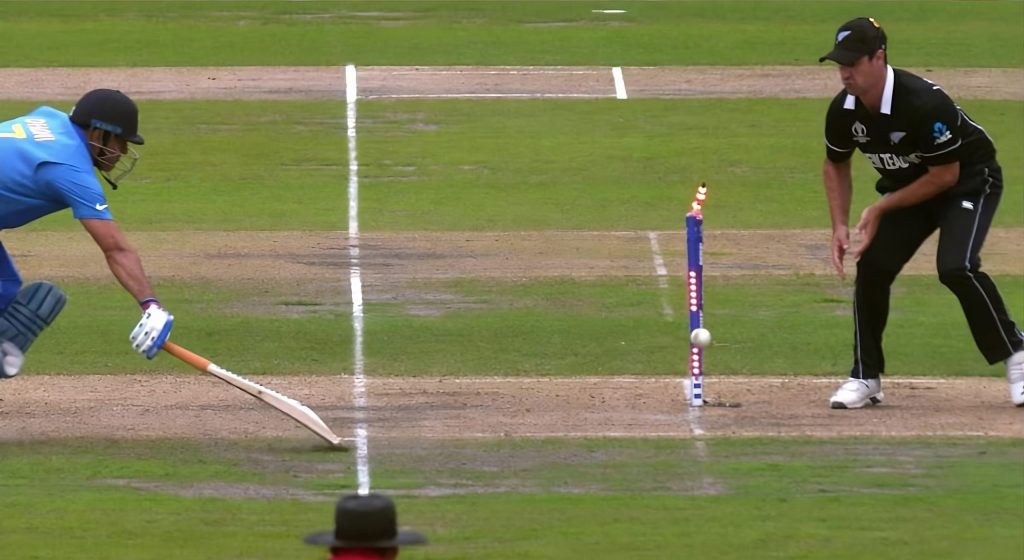
A run-out happens when a batter is dismissed because a fielder breaks the stumps with the ball while the batter is outside their ground, trying to take a run. The batter must have at least one part of their body or bat touching the ground behind the crease. If not, and the stumps are put down by the fielding side while the ball is in play, the batter is out.
This type of dismissal is different from being bowled, caught, or stumped, though it sometimes looks similar, especially to beginners. The main point is that a run-out is about a batter being out of their safe area (the crease) while the fielding side acts quickly.
The Official Rule: Laws Of Cricket
According to the Marylebone Cricket Club (MCC) Laws of Cricket, Law 38 explains the run-out. In simple terms:
- A run-out occurs if at any time while the ball is in play, a wicket is fairly broken by the fielding side, and no part of the batter’s body or bat is grounded behind the popping crease.
- The only exceptions are if the batter is already out in another way (for example, bowled or stumped) or if the ball is dead.
This law means fielders must act while the ball is alive and the batter must always be aware of their position.
How A Run-out Happens: Step-by-step
Understanding a typical run-out can help you follow matches better. Here’s how it usually happens:
- The batter hits the ball and decides to run.
- Both batters try to cross to the other end.
- A fielder quickly picks up the ball and throws it to the wicketkeeper or bowler.
- The fielder (or wicketkeeper) uses the ball to break the stumps before the batter reaches the crease.
- If the batter is not in the crease, the umpire checks and gives a run-out.
Sometimes, technology like slow-motion replays and the Decision Review System (DRS) is used to make sure the decision is accurate.
Common Run-out Scenarios
Run-outs can happen in different ways, but some situations are more common:
- Direct hit: A fielder throws the ball and it hits the stumps without anyone else touching it.
- Relay throw: The ball is thrown from the outfield to another fielder closer to the stumps, who then breaks the stumps.
- Confusion between batters: Both batters end up at the same end, leaving the other wicket unguarded.
- Last moment dive: The batter tries to save themselves by diving into the crease, but is still short.
- Backing up too far: The non-striker leaves the crease before the ball is bowled and is run-out if the bowler breaks the stumps (sometimes called ‘Mankading’).
Types Of Run-outs
While all run-outs follow the same rule, there are a few types, mostly based on how they happen:
Direct Hit Run-out
Here, a fielder throws the ball and it directly hits the stumps. These run-outs are exciting because they need great aim and speed. Fielders like Jonty Rhodes and Ricky Ponting were famous for their direct hits.
Assisted Run-out
Sometimes, the throw does not hit the stumps directly. The ball is collected by the wicketkeeper or bowler, who then breaks the stumps. This needs quick hands and coordination.
Striker’s End Vs. Non-striker’s End
A run-out can occur at either end of the pitch. If both batters are running, a fielder can break the stumps at the striker’s end or non-striker’s end, depending on who is closer to being out.
Mankading
This is a special case. If the non-striker leaves the crease before the ball is bowled, the bowler can break the stumps and appeal for a run-out. It is legal but sometimes seen as controversial.
Key Differences: Run-out Vs. Other Dismissals
Run-outs can look similar to other types of outs, but there are important differences.
| Dismissal Type | Main Action | Who Causes It? | When It Happens |
|---|---|---|---|
| Run-Out | Stumps broken while batter is outside crease | Fielding side | During running between wickets |
| Stumped | Batter is out of crease, misses the ball | Wicketkeeper | Only off a legal delivery (not a no-ball) |
| Bowled | Ball hits the stumps directly | Bowler | On the delivery of the ball |
A stumping can only happen if the batter is out of their crease and not trying to run a run, while a run-out usually happens during running.
Famous Run-outs In Cricket History
Some run-outs are unforgettable and have changed important matches:
- Jonty Rhodes vs. Inzamam-ul-Haq (1992 World Cup): Rhodes ran in and dived to break the stumps, a moment seen as changing the way fielding was viewed.
- MS Dhoni in 2016 T20 World Cup: Dhoni’s quick glove work to run out Mustafizur Rahman secured a win for India.
- Allan Donald and Lance Klusener (1999 World Cup semi-final): Confusion while running led to a run-out, costing South Africa a place in the final.
These moments show how one run-out can turn the game.
How Umpires Decide A Run-out
Umpires have a big responsibility. They must watch the creases, the ball, and the batters. If there is any doubt, the on-field umpire asks the third umpire (TV umpire) for a video review. The third umpire looks at multiple angles to see if the batter’s bat or body was touching the ground behind the crease when the stumps were broken.
Technology has made decisions more accurate, but sometimes the difference is just a few millimeters.
Why Run-outs Matter In Cricket
A run-out does not just remove a batter; it can also:
- Change the match’s momentum.
- Create pressure on the batting side.
- Boost the fielding team’s confidence.
Run-outs are especially important in close games, like T20 or one-day matches, where every run counts.
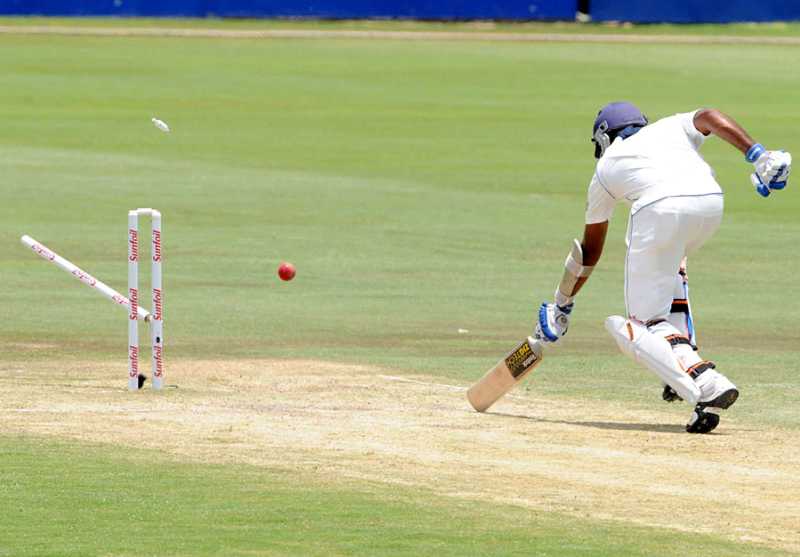
Techniques To Avoid A Run-out
Being run-out is often called a ‘silly’ way to get out because it is avoidable. Here are some tips:
- Good Communication: Batters must call out clearly (using ‘yes’, ‘no’, or ‘wait’).
- Quick Turns: Turn fast at the crease to save time.
- Slide the Bat: Always slide the bat into the crease, not just run with it in the air.
- Watch the Ball: Never run without seeing where the ball is.
- Understand Fielders: Know who has a strong throwing arm in the field.
Many run-outs happen because of confusion, not just fielding skill.
How Fielders Create Run-outs
Fielders play a key role in making run-outs possible. Here’s how they improve their chances:
- Fast pickup and throw: Getting the ball quickly and throwing with power and accuracy.
- Teamwork: Backing up each other to cover both ends.
- Anticipation: Reading the batters’ movements and positioning themselves well.
Some fielders practice throwing at a single stump for hours to improve their chances.
Run-out Statistics: How Common Are They?
To give a sense of how often run-outs happen, let’s look at recent data from international matches.
| Format | Average Run-Outs per Match | Percentage of Total Dismissals |
|---|---|---|
| Test | 0.2 | 1–2% |
| One Day International (ODI) | 0.6 | 4–5% |
| T20 International | 0.8 | 6–8% |
Run-outs are more common in shorter formats where batters take more risks. In Test cricket, they are rare.
The Role Of The Third Umpire
The third umpire is important for run-out decisions. They use slow-motion replays, freeze frames, and sometimes even ball-tracking technology. This helps ensure that the decision is fair and based on clear evidence.
A non-obvious fact is that the third umpire can only decide if asked by the on-field umpire. The on-field umpire must see enough doubt to refer the decision, which means human error can still play a role.
How Run-outs Affect Team Strategy
Teams plan their running and fielding based on how likely a run-out is. For example:
- In T20 matches, batters may take riskier runs, knowing that even one extra run can win or lose the game.
- Some teams place their best fielders in positions where run-outs are most likely, such as point, cover, or mid-wicket.
A team that can create run-outs regularly is often seen as a strong fielding side.

Psychological Impact Of Run-outs
Being run-out is especially frustrating for batters because it often feels like a mistake, not a skillful dismissal by the bowler. This can hurt the confidence of a batting team and lead to more errors. Fielders, on the other hand, get a big boost when they pull off a direct hit run-out.
Notable Run-out Records
Some players are famous for their run-out skills, while others are known for being run-out often. Here are a few records:
- Jonty Rhodes: Known as the best for direct hits.
- Inzamam-ul-Haq: Involved in over 40 run-outs in his career—sometimes unlucky, sometimes careless.
- MS Dhoni: Renowned for fast glove work leading to many run-outs.
How To Practice Run-out Skills
If you want to improve your cricket skills, practicing run-outs is important. Here’s how:
- Fielders: Practice throwing at a single stump from different angles.
- Wicketkeepers: Practice collecting throws and breaking the stumps quickly.
- Batters: Work on running between wickets with a partner, calling loudly, and sliding the bat.
A tip many beginners miss: Always practice with real match pressure—try to simulate a real game’s speed and confusion.
Non-obvious Insights About Run-outs
- Sliding the bat is faster than running it in: Many beginners try to cross the crease with their feet, but sliding the bat is safer and faster.
- Backing up is risky: Non-strikers should be careful not to leave the crease too early, as they can be run-out before the ball is even bowled.
A Quick Comparison: Run-outs In Different Formats
Run-outs are handled the same way in all formats, but their frequency and impact change.
| Format | Risk Level | Impact |
|---|---|---|
| Test | Low | Usually less game-changing |
| ODI | Medium | Can shift momentum |
| T20 | High | Often match-defining |
Where To Learn More About Run-outs
If you want to read the official rules or see famous examples, check the Wikipedia page on Run-Outs. It includes video links and history.
Frequently Asked Questions
What Is The Basic Definition Of A Run-out In Cricket?
A run-out happens when a fielder breaks the stumps with the ball while the batter is outside the crease, and the ball is still in play.
Can A Batter Be Run-out Off A No-ball?
Yes, a batter can be run-out off a no-ball, except the striker can’t be run-out by the wicketkeeper when receiving the delivery.
Is Mankading Legal In Cricket?
Yes, Mankading (run-out at the non-striker’s end before the ball is bowled) is legal according to the Laws of Cricket, though it is sometimes debated in terms of sportsmanship.
What Is The Difference Between A Run-out And Stumped?
A run-out can happen at any time the ball is in play, usually while running, while a stumping only happens when the batter is out of the crease after missing a delivery, and the wicketkeeper breaks the stumps.
How Can Players Reduce The Risk Of Being Run-out?
Players can avoid run-outs by communicating well, running fast, watching the ball, and always grounding their bat behind the crease.
Run-outs add drama and unpredictability to cricket. Knowing the rules, strategies, and famous moments can make watching the game even more enjoyable. Whether you play or just watch, understanding run-outs helps you appreciate the skill and quick thinking that cricket demands.