When you first step onto a golf course, you’ll notice that not all clubs look the same. Some are thin and short, while others are large and long. The biggest and longest of them all is called the driver. This club holds a special place in golf, not just because of its size, but also for what it can do. Many beginners hear the term “driver” and wonder, “What is a driver in golf?” Understanding the driver is key for anyone who wants to improve their game or simply enjoy the sport more.
Understanding The Driver: The Basics
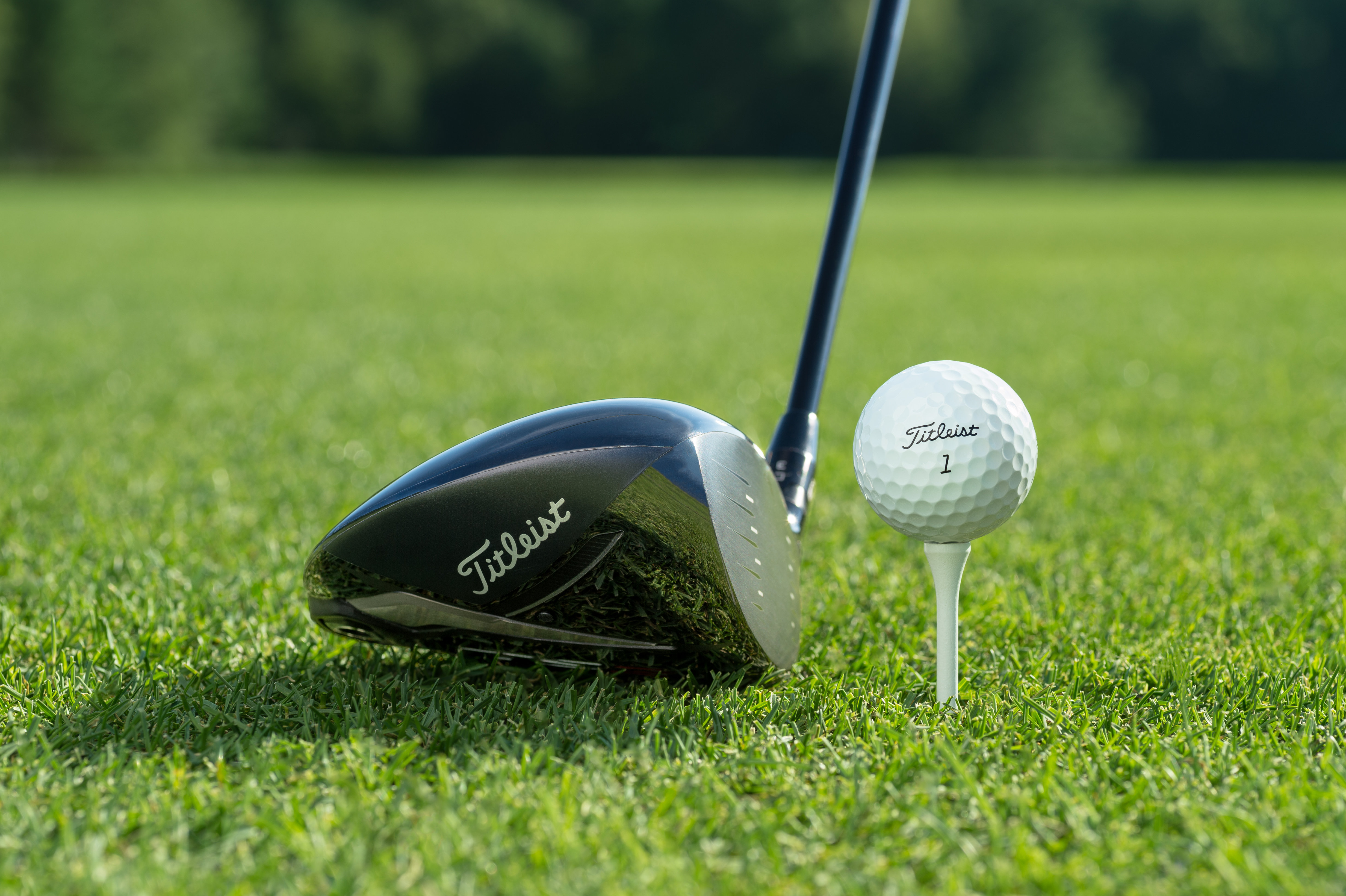
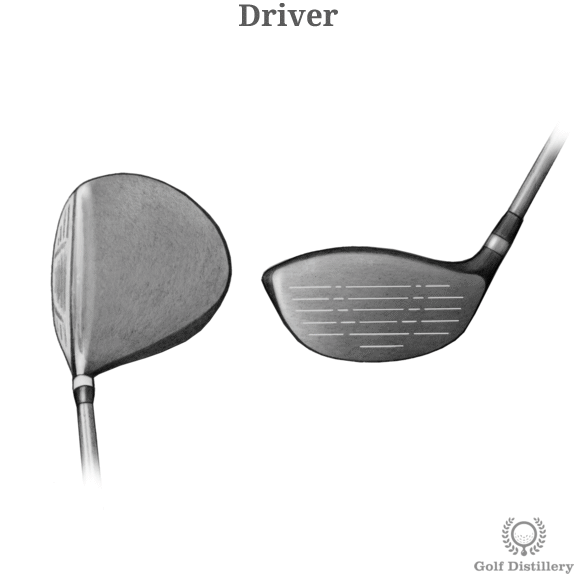
The driver is a type of golf club, officially known as the 1-wood. It is designed to hit the golf ball the farthest distance, usually from the tee box at the start of long holes. The driver has the longest shaft and the largest clubhead of all golf clubs. These features help golfers achieve maximum distance with their first shot on par 4 and par 5 holes.

Today's Exclusive Deals
Limited-time Exclusive Deals. Check current discount on Amazon.
Check Price on Amazon As an Amazon Associate I earn from qualifying purchases.A typical driver has a clubhead volume of up to 460 cubic centimeters (cc), which is the maximum allowed by the rules of golf. The face of the club is large and slightly curved, called the “bulge and roll,” to help correct off-center hits.
Most drivers have a loft angle between 8 and 13 degrees. This angle helps determine the launch and height of the ball. Beginners usually find more success with higher lofts, while advanced players might choose lower lofts for less backspin and more roll after landing.
The Role Of The Driver In Golf
The driver is not just another club—it’s the one most golfers use for their opening shot on long holes. Its main purpose is to cover as much distance as possible, giving you a better chance to reach the green in fewer strokes.
For professional golfers, the average driving distance on the PGA Tour is about 295 to 315 yards. Recreational golfers often hit between 180 and 230 yards. The driver helps set up the rest of the play, so a good drive can make a big difference in your overall score.
Why Distance Matters
Longer drives mean shorter second shots. This can reduce the pressure on your approach shots and increase your chances of making par or better. However, distance isn’t everything. Accuracy off the tee is just as important. Hitting the ball far but into the trees or rough can quickly add strokes to your score.
Key Features Of A Golf Driver
Several aspects make the driver unique. Knowing these features will help you choose the right driver and use it more effectively.
Clubhead Size
Modern drivers are made with large clubheads—up to 460cc. This large size creates a bigger sweet spot, making it easier to hit the ball well, even if your swing isn’t perfect. The clubhead is usually made of lightweight materials like titanium or carbon fiber, which allows manufacturers to maximize size without adding too much weight.
Shaft Length And Material
The shaft of a driver is the longest among all golf clubs, usually between 43 and 46 inches. The longer shaft helps generate more clubhead speed, translating to more distance. Driver shafts are commonly made from graphite, which is lighter than steel and allows for faster swings.
Loft Angle
The loft is the angle of the clubface relative to the ground. Most drivers have lofts between 8 and 13 degrees. Lower lofts (8-10 degrees) are best for players with fast swing speeds, while higher lofts (11-13 degrees) are helpful for slower swings. Choosing the right loft can help you get the ball airborne and maximize distance.
Adjustability
Many modern drivers feature adjustable hosels and weights. With these, golfers can change the loft, lie angle, and center of gravity to suit their swing and playing conditions. This customization can help fix a slice or hook, or simply make the club feel more comfortable.
Face Technology
The face of the driver is often designed with variable thickness or special materials to increase ball speed even on off-center hits. Some drivers use “forged” faces for better feel, while others use “milled” designs for consistent performance.
Comparison: Driver Vs. Other Golf Clubs
To understand the driver’s importance, it helps to compare it to other clubs. Below is a simple comparison:
| Club Type | Typical Shaft Length | Loft Range (degrees) | Average Distance (yards) | Main Use |
|---|---|---|---|---|
| Driver (1-wood) | 43-46 inches | 8-13 | 180-315 | Longest tee shots |
| 3-wood | 42-43 inches | 13-16 | 170-250 | Long fairway shots |
| Iron (7-iron) | 36-37 inches | 28-34 | 120-160 | Approach shots |
| Wedge (Pitching) | 35-36 inches | 44-48 | 80-120 | Short game |
As seen above, the driver stands out for both its length and distance.
Choosing The Right Driver
Picking the right driver is a big step for any golfer. Here’s what really matters when making a choice:
1. Shaft Flex
The flex of the shaft affects how the club feels and performs. Common flex options are extra stiff (X), stiff (S), regular (R), senior (A), and ladies (L). Faster swings need stiffer shafts, while slower swings benefit from more flexible shafts.
2. Loft
Select the right loft for your swing speed and skill level. Beginners often do better with higher lofts, which help get the ball into the air.
3. Clubhead Size And Shape
Some players prefer a larger, more forgiving clubhead. Others want a smaller head for more control. Try different options to see what fits your eye and swing.
4. Adjustability
If you want to fine-tune your driver, look for models with adjustable features. These let you change the club’s settings as your swing improves.
5. Budget
Drivers can range from around $150 for older models to over $600 for the latest releases. Sometimes, last year’s model offers great performance at a lower price.
Common Mistakes When Choosing A Driver
- Picking a club with a shaft that’s too stiff or too flexible.
- Choosing a loft that’s too low, making it hard to launch the ball.
- Ignoring clubhead forgiveness, which helps with off-center hits.
- Focusing only on brand or looks, not fit or performance.
How To Hit A Driver Effectively
Learning to hit the driver well takes practice and patience. Here’s a simple step-by-step guide:
- Tee the ball high. The ball should sit so that half of it is above the top edge of the clubface.
- Stance and posture. Stand with your feet shoulder-width apart. The ball should be lined up with your front heel.
- Grip. Hold the club firmly but not too tight. A relaxed grip helps with speed and control.
- Swing path. The driver works best with a sweeping, upward swing. Try to hit up on the ball, not down.
- Follow through. Finish your swing high and balanced, facing your target.
Practical Tips
- Use a driver with more loft if you struggle to get the ball airborne.
- Focus on rhythm, not just speed. A smooth swing usually gives better results.
- Practice with alignment sticks to improve aim and consistency.
Non-obvious Insights
- Tee Height Adjustments: Many beginners always tee the ball at the same height. In reality, adjusting tee height (slightly lower or higher) can help control ball flight and reduce slices or hooks.
- Ball Position Affects Launch: Placing the ball too far back in your stance often leads to low, slicing shots. Keeping the ball forward (opposite your lead heel) encourages a higher launch and more distance.
The Evolution Of The Driver
The driver has changed a lot over the years. Early drivers were made of persimmon wood and had small heads. Today’s drivers use advanced materials like titanium and carbon composites, making them lighter and larger. This allows for bigger sweet spots, adjustable features, and more forgiveness on bad swings.
The modern driver is also shaped by technology. Launch monitors and custom fitting have made it possible for every golfer to find a driver matched to their swing. Even the design of the face, with “speed slots” or “variable thickness,” helps increase distance for all players.
The Driver’s Impact On The Game
The driver has become a symbol of power in golf. Long hitters like Rory McIlroy and Bryson DeChambeau have changed how courses are played, using the driver to attack even the longest holes. But the driver isn’t just for pros—casual golfers also benefit from the technology.
In golf history, the driver has shaped the game’s strategy. Courses are now designed with longer holes and more hazards because players can hit further. For many, hitting a long, straight drive is one of the most satisfying moments in golf.

Driver Buying Guide: Comparing Popular Models
If you’re thinking of buying a new driver, here’s a quick look at how some popular models compare:
| Model | Loft Options | Adjustability | Clubhead Size | Price Range |
|---|---|---|---|---|
| TaylorMade Stealth 2 | 9°, 10.5°, 12° | Yes | 460cc | $550-$600 |
| Callaway Paradym | 9°, 10.5°, 12° | Yes | 460cc | $500-$600 |
| PING G430 Max | 9°, 10.5°, 12° | Yes | 460cc | $500-$600 |
| Cobra Aerojet | 9°, 10.5°, 12° | Yes | 460cc | $450-$550 |
Always test different models before buying. What works for one player may not fit another.
Driver Fitting: Why It Matters
Getting custom fit for your driver is one of the best decisions you can make. A proper fitting can help you find the right shaft, loft, and clubhead for your swing. Many golf stores and pro shops offer fitting sessions using launch monitors to analyze your swing and suggest the perfect setup.
Fitting also helps avoid common mistakes, like using a shaft that’s too stiff or a clubhead that doesn’t match your swing speed. Even a small change in settings can lead to more distance and accuracy.
Fun Facts About The Driver
- The world record for the longest drive in competition is 515 yards, set by Mike Austin in 1974.
- Some drivers now feature “artificial intelligence” designed faces, like the Callaway A.I. Flash Face.
- On average, only about 60% of fairways are hit with the driver on the PGA Tour, showing that even the best players don’t always find the fairway.
Frequently Asked Questions
What Is The Difference Between A Driver And A Fairway Wood?
The driver is designed for hitting the ball off a tee and has the largest clubhead and lowest loft. Fairway woods (like the 3-wood) are slightly shorter, have more loft, and are used for shots from the fairway or rough. Drivers are best for maximum distance, while fairway woods offer more control.
How Important Is Shaft Flex When Choosing A Driver?
Shaft flex directly affects how the club feels during your swing and how the ball launches. Choosing the wrong flex can lead to loss of distance, accuracy, and even discomfort. Get fitted or try different flexes to see what matches your swing speed and style.
Should Beginners Use Drivers With High Or Low Loft?
Beginners generally do better with higher lofted drivers (11-13 degrees). Higher loft helps get the ball airborne, reduces sidespin (which causes slices and hooks), and increases forgiveness.
How Often Should You Replace Your Driver?
Most golfers can use the same driver for several years, but technology changes fast. If your driver is more than 5-7 years old, you might benefit from trying newer models for better performance and forgiveness.
Where Can I Learn More About The Rules And History Of The Driver?
For a deep dive into golf club rules and history, check out the Wikipedia page on golf clubs. It covers everything from the evolution of the driver to modern technology.
Golf is a game of both power and precision, and the driver is where that journey begins. Whether you’re a beginner or looking to fine-tune your skills, understanding your driver is the first step toward better scores and more fun on the course.