
Learning tennis can seem confusing for beginners. There’s a lot to take in: rules, equipment, strokes, footwork, and match play. But with the right approach, anyone can learn to play and even enjoy the process. Tennis is not only a fun sport, but it also helps improve fitness, coordination, and mental strength. If you are thinking about picking up a racket, you probably wonder where to start, what to focus on, and how to avoid common mistakes. This guide will break down the journey step by step, using simple language and practical advice, so you can start your tennis journey confidently—even if you’ve never played before.
Why People Choose Tennis As Beginners
Many people are drawn to tennis because it is a lifelong sport. Players of all ages, from children to seniors, enjoy the game. It’s social, active, and can be played in singles or doubles. Unlike some sports, you don’t need a full team or expensive gear to get started.

Today's Exclusive Deals
Limited-time Exclusive Deals. Check current discount on Amazon.
Check Price on Amazon As an Amazon Associate I earn from qualifying purchases.A beginner can start with just a basic racket, some balls, and a court.
Tennis also offers great health benefits. According to studies, playing tennis can help reduce the risk of heart disease by up to 56% in active adults. It improves cardiovascular fitness, coordination, and balance. Mentally, it sharpens focus and teaches patience. For many, tennis becomes more than just exercise—it’s a way to meet people, relieve stress, and challenge themselves.
Understanding The Basics: Rules And Scoring
Before you pick up a racket, it helps to know the foundation of the sport. Tennis is played on a rectangular court, divided by a net. The aim is to hit the ball over the net, landing it inside the opponent’s side of the court.
Today's Exclusive Deals
Limited-time Exclusive Deals. Check current discount on Amazon.
Check Price on Amazon As an Amazon Associate I earn from qualifying purchases.Players earn points when the opponent fails to return the ball, hits it out, or makes a mistake.
Basic Rules For Beginners
- Each point starts with a serve.
- The ball must land in the correct service box during a serve.
- Players alternate hitting the ball after one bounce (or none).
- Points are scored as 15, 30, 40, and game.
- A match is typically best of 3 or 5 sets.
Don’t worry if the scoring seems strange at first. Most beginners get used to it quickly after a few games.
Court Types And Surfaces
There are three main types of courts: hard, clay, and grass. Most beginners start on hard courts because they are common and easy to maintain. Each surface affects the bounce and speed of the ball.
| Surface | Bounce | Speed | Common For |
|---|---|---|---|
| Hard | Medium-high | Medium-fast | Public courts, schools |
| Clay | High | Slow | Europe, South America |
| Grass | Low | Fast | UK, Australia |
Understanding court surfaces helps you adjust your play style as you advance.
Today's Exclusive Deals
Limited-time Exclusive Deals. Check current discount on Amazon.
Check Price on Amazon As an Amazon Associate I earn from qualifying purchases.Choosing The Right Equipment
Equipment can make a big difference, especially for beginners. The right racket, shoes, and balls help prevent injuries and make learning easier.
How To Choose A Beginner’s Tennis Racket
Many new players make the mistake of buying a professional racket that is too heavy or advanced. For beginners, a lightweight, slightly larger racket is best. Look for these features:
- Head size: 100–110 square inches gives a bigger sweet spot.
- Weight: 9–10.5 ounces (255–300g) is easy to swing.
- Grip size: Make sure your hand fits comfortably around the handle.
When shopping, try holding different rackets. Your arm should feel relaxed—not strained—when swinging.
Best Tennis Balls For Beginners
Not all tennis balls are the same. Beginners often start with low-compression balls. These balls bounce less and move slower, giving you more time to react. Look for balls marked as “beginner” or “stage 1/2/3.”
Shoes And Clothing
Tennis shoes are important. They offer support for side-to-side movement and help avoid ankle injuries. Running shoes are not suitable—they do not provide the grip and stability needed for tennis. Wear comfortable, breathable clothes so you can move freely.
Essential Accessories
- Water bottle: Staying hydrated is crucial.
- Hat or visor: Protect your eyes on sunny days.
- Towel: Wipe sweat between games.
- Wristbands: Absorb sweat and improve grip.
Finding The Right Place And Way To Learn
How you start learning tennis matters. Some try to learn by themselves, others prefer group lessons or private coaches.
Self-learning Vs. Lessons
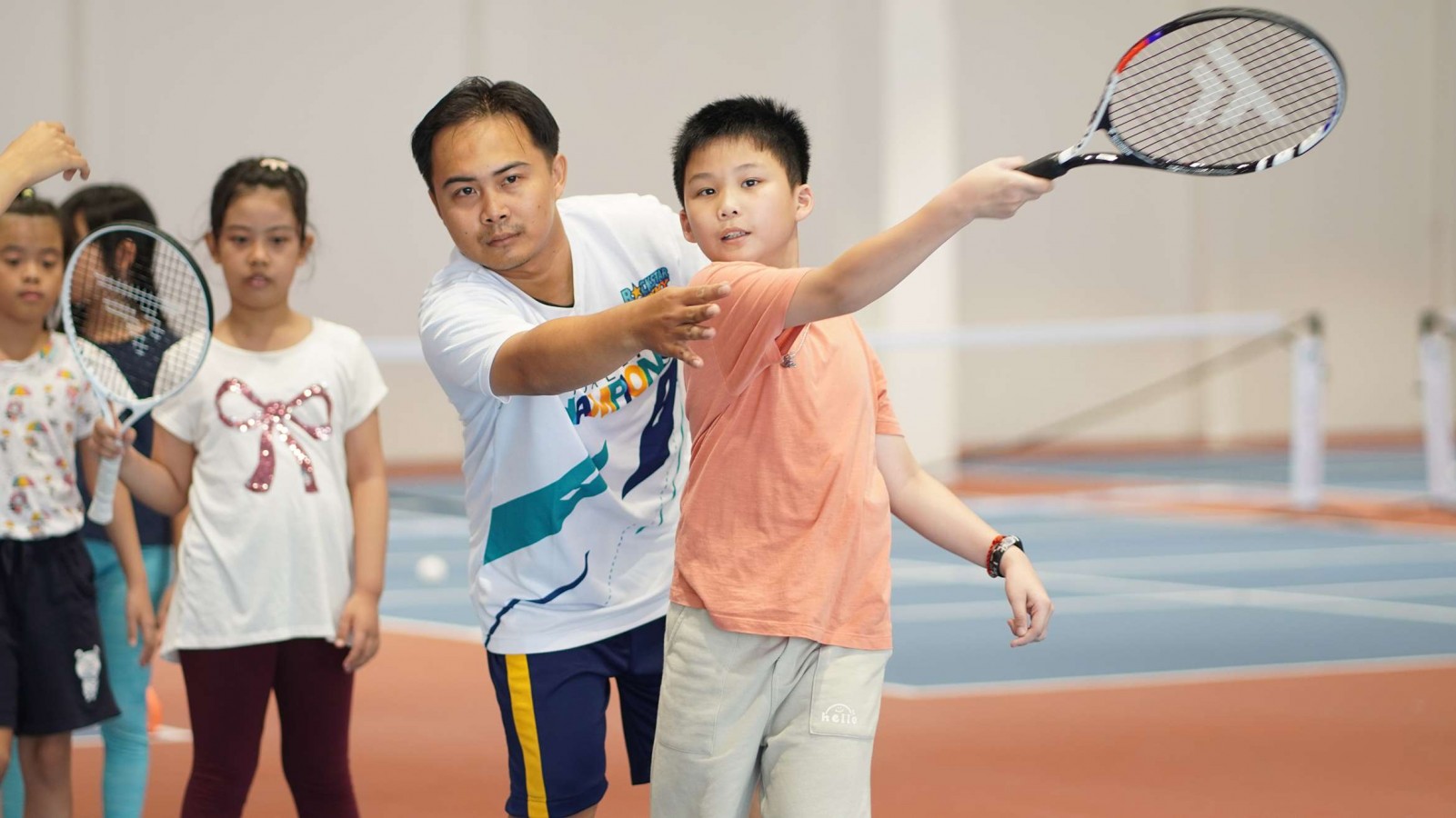
Self-learning can work if you have a good guide or videos to follow. But beginners often develop bad habits that are hard to fix later. Even one or two lessons with a coach can help you avoid mistakes and learn proper form.
Group lessons are social and less expensive. You learn with others at your level, which makes practice fun and less intimidating.
Private lessons give you personalized attention. A coach can correct your specific mistakes and adapt to your pace. They are more expensive, but progress is usually faster.
Finding A Tennis Club Or Court
Most cities have public courts, sports centers, or local clubs. Some schools and community centers offer beginner programs. Check online or ask friends for recommendations. Look for courts with beginner-friendly environments.
Practice Partners
Practicing with others helps you improve faster. You can join beginner groups, find hitting partners on apps, or ask friends. Playing with slightly better players also pushes you to improve.
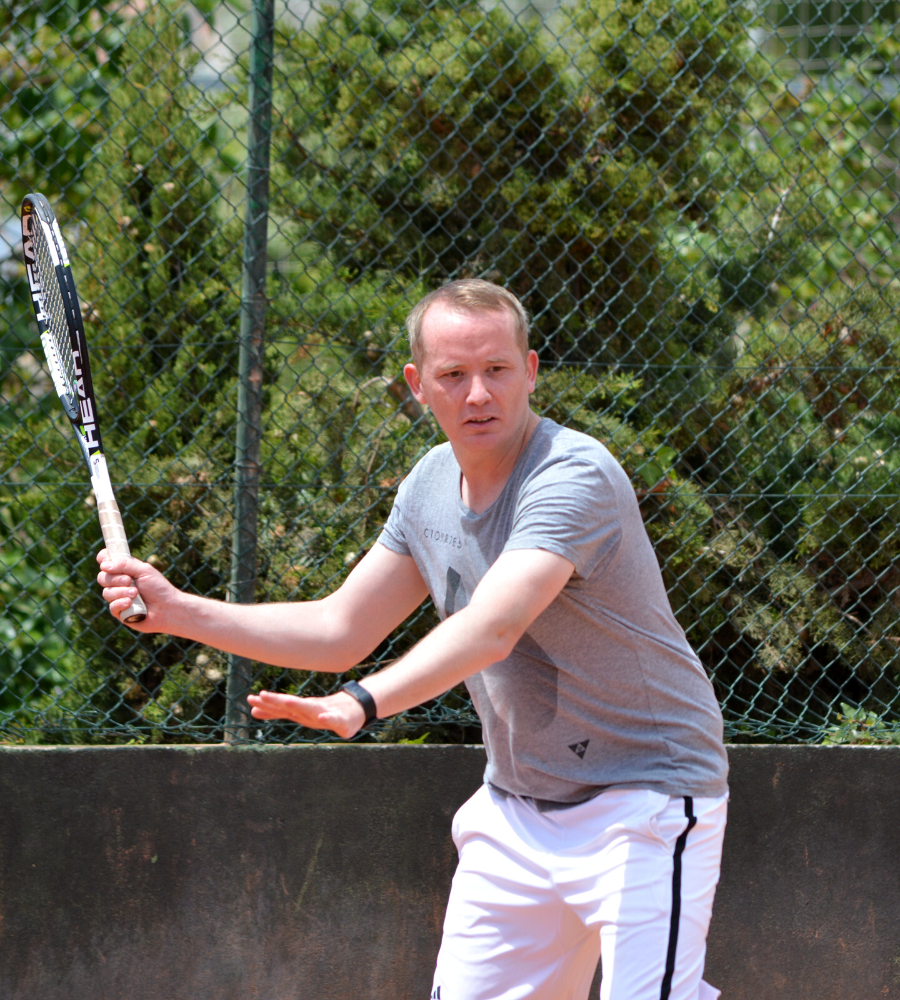
Learning The Basic Strokes
Tennis has several key strokes. Mastering these basics is more important than learning advanced tricks. Focus on good technique and consistency.
The Forehand
This is usually the first shot beginners learn. You swing the racket across your body, hitting the ball with your dominant hand. Key points:
- Hold the racket with an eastern grip (like shaking hands).
- Use your whole body, not just your arm.
- Swing from low to high for topspin.
The Backhand
Many beginners struggle with the backhand. There are two main types: one-handed and two-handed. Most beginners start with two hands for better control.
- Keep your shoulders turned.
- Use both hands to guide the racket.
- Swing smoothly and follow through.
The Serve
Serving starts every point. It takes time to master, but even a basic serve is enough for casual play.
- Stand behind the baseline.
- Toss the ball in front of you.
- Swing up and hit the ball at its highest point.
The Volley
A volley is a shot you hit before the ball bounces. It’s used near the net.
- Hold the racket up and in front.
- Short, controlled swing.
- Step forward as you hit.
The Overhead
This is like a serve, but you hit the ball above your head after your opponent lobs it.
- Move back quickly.
- Watch the ball carefully.
- Hit with a firm, downward motion.
Building Good Footwork And Movement
Many beginners think tennis is all about the arms. In reality, good footwork is the foundation of every shot. Moving efficiently lets you reach more balls and play longer rallies.
Basic Footwork Drills
- Split step: Small jump as your opponent hits the ball, getting ready to move.
- Side shuffle: Move left or right while staying balanced.
- Crossover step: Useful for running to wide balls.
Practicing movement without the ball helps your brain and muscles remember the patterns.
Court Positioning
Knowing where to stand is key. Beginners often stand too close to the net or the back fence. Stay near the baseline, move forward when attacking, and recover to the center after each shot.
Developing Consistency And Control
Consistency is the secret to progress in tennis. It’s better to hit 10 balls in than 1 amazing shot and 9 errors. Control comes from relaxed swings and good timing.
Rally Practice
A rally is when two players hit the ball back and forth. Try to keep the rally going as long as possible. Focus on:
- Hitting with medium power.
- Aiming for big targets (like the middle of the court).
- Staying relaxed.
As you get better, aim for more specific targets: cross-court, down the line, or short angles.
Wall Practice
If you don’t have a partner, practice against a wall. The wall always returns the ball, so you get lots of repetition. Start close to the wall for slow shots, then move back as you improve.
Control Drills
Try mini-tennis: stand inside the service boxes and rally gently with a partner. This builds control and touch.
Understanding Tennis Etiquette And Sportsmanship
Tennis is known for its respect and fair play. Learning the unwritten rules is important, especially when playing with others.
Key Etiquette Points
- Wait for a point to finish before walking behind a court.
- Call balls fairly, even if it means losing a point.
- Shake hands after a match.
- Don’t yell or throw rackets.
Good sportsmanship makes the game enjoyable for everyone.
Common Beginner Mistakes And How To Avoid Them
It’s normal to make mistakes at first. But some errors can slow your progress or cause frustration.
1. Using Too Much Power
Beginners often try to hit the ball as hard as possible. Focus on control and clean contact. Power will come later with better technique.
2. Poor Grip
A wrong grip leads to weak shots and even injuries. Learn the right grip for each stroke early on.
3. Not Watching The Ball
It’s easy to look up too soon. Keep your eyes on the ball until after you hit.
4. Skipping Footwork
Standing still makes tennis much harder. Always move your feet before and after every shot.
5. Giving Up Too Soon
Progress can feel slow. Improvement comes with regular, patient practice.
Creating A Simple Practice Plan
A practice plan helps you improve step by step. Even 2–3 sessions per week make a big difference.
Here’s a simple weekly plan for beginners:
| Day | Practice Focus | Time |
|---|---|---|
| Monday | Basic strokes (forehand, backhand) | 45 min |
| Wednesday | Serve + footwork drills | 30 min |
| Saturday | Rally practice/game with partner | 1 hr |
Adjust the plan based on your schedule and goals. The key is regular, focused practice.

Tracking Progress And Staying Motivated
Progress in tennis is not always linear. Some days you’ll feel great, others not so much. Tracking your improvement helps you stay positive.
Set Clear Goals
Start with small goals, like “hit 10 forehands in a row” or “serve 5 balls in. ” As you achieve them, set new ones.
Record Your Sessions
Keep a simple notebook of what you practiced, what went well, and what to work on next time.
Join Friendly Matches Or Tournaments
Playing real matches, even if just for fun, motivates you to improve. Many clubs offer beginner leagues or round-robins.
Celebrate Small Wins
Every improvement counts. Celebrate when you master a new stroke, win a point, or complete a tough drill.
Two Non-obvious Insights For Beginner Tennis Players
Many guides skip over some key aspects that can make a big difference for new players:
1. Learn to “read” your opponent early. Even at a beginner level, noticing how your opponent moves, which side they prefer, or if they struggle with high balls can help you win more points. This skill develops as you play more matches and pay attention, not just to your shots but also to your opponent’s patterns.
2. Don’t underestimate the value of rest and recovery. Tennis uses many muscles, and beginners sometimes play too much, too soon. This can lead to injuries like tennis elbow or muscle strains. Schedule rest days, stretch after playing, and listen to your body. A rested player learns faster and enjoys the game more.
How Technology Can Help Beginners Learn Tennis
Modern tools make learning tennis easier than ever. You can use:
- Instructional videos on YouTube to see proper technique.
- Apps that track your swings, footwork, or serve speed using your phone or a smart device.
- Online communities where you can ask questions, find partners, or join local events.
For example, the United States Tennis Association offers many resources for beginners, from technique guides to finding local courts.
Comparing Learning Tennis Alone Vs. With A Coach
Some beginners wonder if they can learn tennis alone or if a coach is necessary. Here’s a quick comparison:
| Learning Alone | Learning With Coach |
|---|---|
| Low cost | Higher cost |
| Flexible schedule | Fixed lesson times |
| Slower progress | Faster improvement |
| Risk of bad habits | Personalized feedback |
| Self-motivation needed | Coach encourages you |
Both methods work, but beginners who get at least a few lessons usually build better foundations.
Safety Tips For Beginner Tennis Players
Tennis is generally safe, but injuries can happen, especially if you’re not used to the movements.
Preventing Injuries
- Warm up before playing: Jog, stretch, and do some light swings.
- Use proper shoes to avoid ankle twists.
- Don’t overdo it: Limit your first sessions to 30–60 minutes.
- Listen to your body: Stop if you feel pain, not just tiredness.
Sun Protection
Many courts are outdoors. Wear sunscreen, a hat, and sunglasses to protect yourself from the sun.
Hydration
Bring enough water and take breaks to drink, especially on hot days.
Frequently Asked Questions
What Is The Best Age To Start Learning Tennis?
There is no perfect age. Many start as kids, but adults and even seniors can learn tennis successfully. The key is to match the training to your age and fitness. Young children often use smaller rackets and slower balls, while adults can start with regular equipment.
How Long Does It Take To Learn Basic Tennis Skills?
Most people learn the basics—forehand, backhand, serve, and rules—within a few weeks if they practice 2–3 times per week. To play a full match with confidence may take a few months. Progress depends on your practice frequency, fitness, and learning style.
Should I Buy An Expensive Tennis Racket As A Beginner?
No. Beginners should use an affordable, lightweight racket with a large head size. Expensive rackets are made for advanced players and can be harder to use. As you improve, you can upgrade your equipment based on your preferences.
Can I Practice Tennis Alone?
Yes. You can practice strokes against a wall, work on serves by yourself, or do footwork drills without a partner. However, playing with others helps you learn real match situations and improves faster. Mixing solo and partner practice is best.
What Are Common Injuries For Beginners, And How Can I Avoid Them?
The most common injuries are muscle strains, tennis elbow, and sprained ankles. Avoid them by warming up, using proper technique, wearing the right shoes, and not playing too much too soon. If you feel pain, rest and seek advice before playing again.
Tennis offers a rewarding journey from your first swing to your first match. With patience, the right guidance, and regular practice, beginners can build skills and confidence on the court. Remember, everyone starts as a beginner—enjoy the learning process, and let tennis become a fun part of your life.

