Playing tennis is more than just hitting a ball over a net. It’s a sport that can change your mind, body, and even your social life. No matter your age or skill, tennis has something to offer. Many people see it as a fun way to exercise, but the real benefits go much deeper.
From boosting your health to building confidence and friendships, tennis delivers rewards that last a lifetime. If you’re thinking about picking up a racket, or you’re curious about what makes tennis so special, this article will give you a full picture of its many advantages.

Today's Exclusive Deals
Limited-time Exclusive Deals. Check current discount on Amazon.
Check Price on Amazon As an Amazon Associate I earn from qualifying purchases.Physical Health Benefits Of Playing Tennis
The physical gains from tennis are clear and powerful. This sport works your whole body and keeps you moving in different ways.
Full-body Workout
Tennis uses almost every muscle group. You run, jump, swing, twist, and stretch. Your legs push off for sprints and side steps. Your arms and shoulders power each shot. The core muscles stabilize your body and help control your movement. This mix of actions gives you strong, balanced muscles without the boredom of a gym routine.
Cardiovascular Fitness
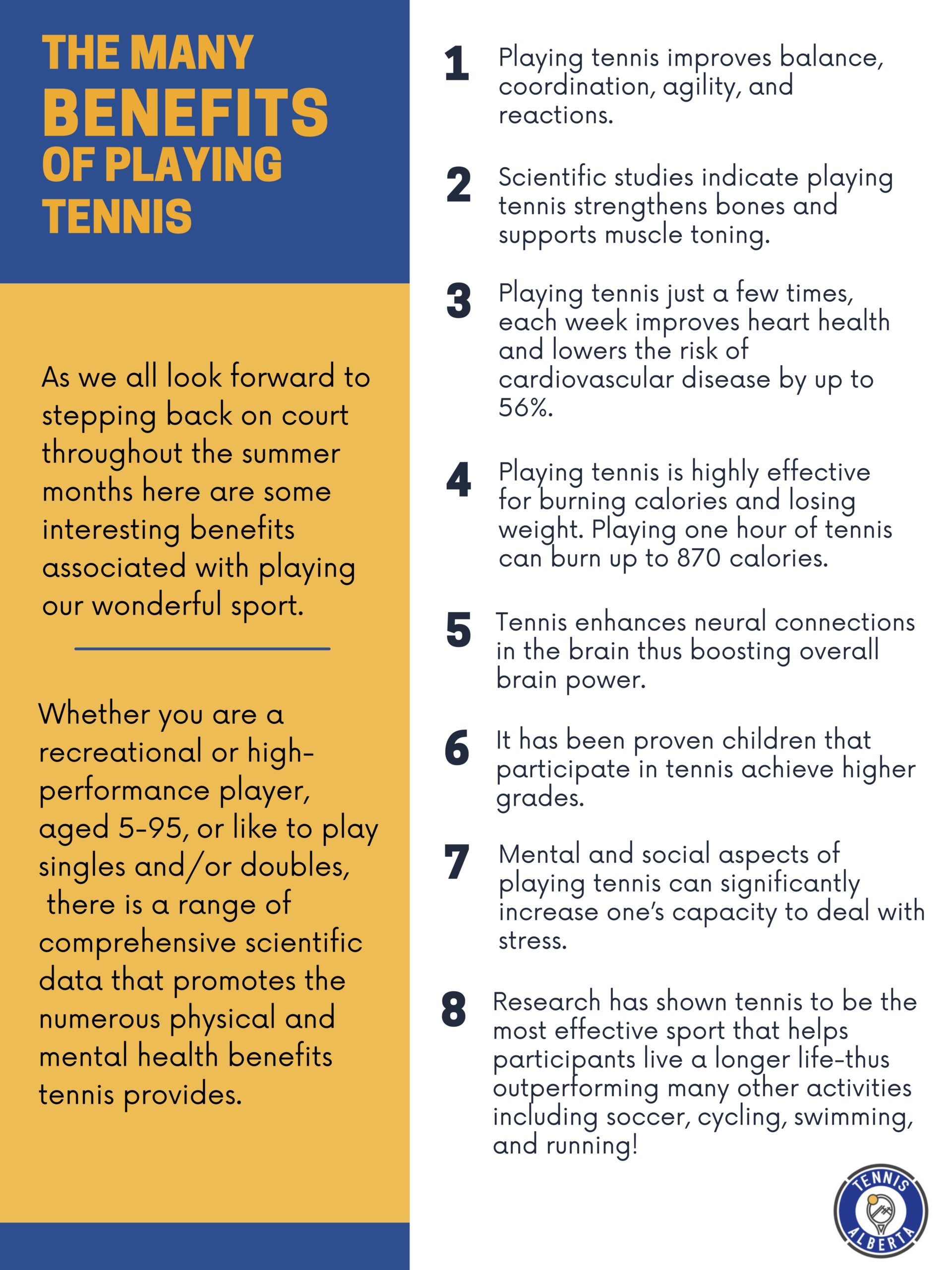
Tennis is an aerobic and anaerobic sport. You have fast bursts of movement (anaerobic) and longer periods of rally play (aerobic). Studies show that regular tennis players have better heart health and lower blood pressure. A 2017 study from the British Journal of Sports Medicine found that people who played racket sports like tennis had a 56% lower risk of dying from heart disease compared to non-players.
Today's Exclusive Deals
Limited-time Exclusive Deals. Check current discount on Amazon.
Check Price on Amazon As an Amazon Associate I earn from qualifying purchases.Burning Calories And Weight Control
Tennis is effective for burning calories. Singles tennis can burn between 400 to 600 calories per hour, depending on your intensity and body weight. Doubles play uses less energy but is still a solid workout. Because tennis is fun and competitive, many people play longer than they would spend on a treadmill.
Improving Coordination And Balance
Every shot in tennis tests your hand-eye coordination. You need to judge the speed, angle, and bounce of the ball and react quickly. This sharpens your reflexes and improves your balance. Over time, this helps with other sports and even daily activities, especially as you get older.
Flexibility And Agility
Tennis requires quick changes in direction. You lunge, bend, and stretch for wide shots. This increases your flexibility and trains your body to move fast and safely in many directions. Tennis is one of the few sports that naturally builds agility in a fun and challenging way.
Bone Health
Weight-bearing sports like tennis are good for your bones. The impact of running and jumping helps build bone density. This is important for young people to develop strong bones, and for older adults to reduce the risk of osteoporosis.
Today's Exclusive Deals
Limited-time Exclusive Deals. Check current discount on Amazon.
Check Price on Amazon As an Amazon Associate I earn from qualifying purchases.Boosting Immune System
Regular exercise, like playing tennis, strengthens your immune system. You become less likely to get sick, and your body recovers faster when it does. This is especially important for people who want to stay healthy year-round.
Mental And Emotional Benefits
Tennis isn’t just about physical fitness. The game also shapes your mind and emotional health in powerful ways.
Reducing Stress
Hitting a tennis ball is a great way to relieve stress. The focus needed during play helps you escape daily worries. Physical activity also releases endorphins, known as “feel-good” hormones, which boost your mood.
Improving Focus And Concentration
You can’t win in tennis without paying attention. Every point demands focus—watching the ball, predicting your opponent’s moves, and choosing your next shot. This mental sharpness translates to better attention in work, school, and other parts of life.
Building Confidence And Self-esteem
Every time you master a skill or win a game, your confidence grows. Tennis teaches you to trust your abilities and push past limits. Even when you lose, you learn to handle setbacks in a positive way.
Emotional Resilience
Losing a close match or making a mistake is part of tennis. The sport teaches you to bounce back, stay calm, and not give up. This resilience helps you deal with challenges off the court, too.
Social Interaction And Connection
Tennis is usually played with others—whether singles, doubles, or group lessons. This gives you a chance to make friends, improve communication, and be part of a community. It’s a sport that brings people together, regardless of age or background.
Mental Agility And Problem-solving
Tennis is often called “chess on the court.” You need to think about tactics, adapt to your opponent, and make quick decisions. This builds your mental agility and sharpens your problem-solving skills.
Reducing Risk Of Depression
Regular play has been linked to lower rates of depression. The combination of exercise, social contact, and personal achievement makes tennis a powerful tool for mental well-being.
Lifelong Accessibility And Adaptability
Tennis is unique because you can play it at almost any age, and it adapts to different needs.
For All Ages
Children can start tennis very young, often with smaller rackets and soft balls. Adults can learn at any time, and seniors often continue playing well into their 70s or 80s. The rules and equipment can be adjusted to suit each group.
Adaptable For All Skill Levels
Whether you’re a beginner or expert, you can find the right challenge. Tennis courts are everywhere, and many clubs offer classes for all levels. Even people with disabilities can play adaptive versions of the sport, such as wheelchair tennis.
Individual And Team Options
You can play singles for a personal challenge or doubles for teamwork. This flexibility makes tennis a good fit for different personalities and goals.
Weather And Location Flexibility
Tennis courts are found in cities, suburbs, and even small towns. There are indoor courts for winter or rainy days, so you can play all year. This makes it easier to stick with the sport no matter where you live.
Social And Community Benefits
Tennis is more than just a solo activity. It opens doors to new social circles and community involvement.
Making Friends And Expanding Networks
Joining a tennis club or league is a simple way to meet new people. Many lifelong friendships start on the court. Tennis clubs often organize events, tournaments, and social gatherings, creating a strong sense of belonging.
Family Bonding
Tennis is one of the few sports that families can play together. Parents, children, and even grandparents can share court time. This family bonding builds memories and healthy habits for everyone.
Learning Sportsmanship And Respect
Tennis has a strong culture of fair play and respect. Players learn to follow rules, handle disputes politely, and support each other. This spirit often carries over into daily life.
Community Service Opportunities
Many tennis programs have outreach initiatives. You can volunteer to teach beginners, help with local tournaments, or support fundraising events. This lets you give back while sharing your love for the sport.
Building Confidence In Social Settings
For shy or introverted people, tennis can be a safe way to practice social skills. The structure of the game and the shared activity make conversations easier and less stressful.
Cognitive And Academic Benefits For Young Players
Tennis is especially valuable for children and teens, not just for physical health but for brain development and school success.
Improved Academic Performance
Studies show that children who play tennis often do better in school. The focus, discipline, and problem-solving skills learned on the court help with reading, math, and memory.
Developing Discipline And Responsibility
Tennis teaches kids to follow instructions, stick to practice schedules, and take care of their equipment. These habits lead to self-discipline and responsibility in other areas of life.
Goal Setting And Achievement
Learning new skills and reaching tennis milestones (like serving over the net or winning a set) helps children set goals. They learn to work hard, track progress, and celebrate success.
Managing Emotions
Tennis is an emotional game—winning feels great, losing can be tough. Kids learn to manage their feelings, stay positive, and keep trying even when things get hard.
Teamwork And Leadership
In doubles or team matches, young players learn to cooperate, communicate, and sometimes take the lead. This builds leadership skills and teaches the value of working with others.
Economic And Career Benefits
Playing tennis can even help your career and finances in unexpected ways.
Scholarships And School Opportunities
Many high schools and colleges offer tennis scholarships for talented players. Even if you don’t become a pro, tennis can open doors to good schools and education.
Career Networking
Tennis is popular in the business world. Many professionals play to relax or make connections. A friendly match can lead to new contacts, job offers, or business deals.
Affordable Recreation
While some clubs are expensive, public courts are usually low-cost or free. A good racket and shoes can last for years, making tennis an affordable hobby compared to other sports.
Career Skills Transfer
The skills you learn in tennis—discipline, focus, resilience—are valuable in any job. Many employers value people who have competed in sports, as it shows commitment and teamwork.
Injury Prevention And Safe Exercise
Tennis is usually safe, and it teaches you how to protect your body.
Low Injury Rate Compared To Other Sports
While no sport is risk-free, tennis has a lower injury rate than football, basketball, or soccer. Most injuries are minor, like strains or blisters, and can be avoided with proper warm-up and equipment.
Learning Good Body Mechanics
Tennis lessons often include tips on safe movement—how to land from a jump, how to turn your body, and how to swing without strain. These habits protect you in other activities too.
Lifelong Mobility
Because tennis keeps your body flexible and strong, it helps you stay mobile as you age. Older adults who play tennis are more likely to remain active and independent.
Tennis Vs. Other Sports: A Look At The Data
To see how tennis stacks up against other sports, let’s compare some key factors.
| Sport | Calories Burned (per hour) | Injury Rate (per 1,000 hours) | Suitable for All Ages? |
|---|---|---|---|
| Tennis (singles) | 500 | 1.0 | Yes |
| Soccer | 600 | 7.7 | Limited |
| Swimming | 400 | 0.5 | Yes |
| Running | 600 | 2.5 | Yes |
This comparison highlights that tennis is a high-calorie, low-injury sport suitable for most people.
Key Skills Developed Through Tennis
The sport is a powerful way to develop both physical and life skills. Here’s a snapshot of what you gain.
| Physical Skill | Life Skill |
|---|---|
| Coordination | Patience |
| Agility | Decision Making |
| Strength | Goal Setting |
| Endurance | Resilience |
| Balance | Sportsmanship |
Tips For Getting The Most Out Of Tennis
If you want to enjoy all these benefits, here are some expert tips:
- Start with lessons. Even one or two lessons can help you learn the basics and avoid bad habits.
- Warm up and cool down. Prevent injuries by stretching before and after you play.
- Use the right equipment. A racket that fits your hand and body size makes a big difference.
- Play regularly. Consistency is key to improving and seeing results.
- Mix it up. Try singles and doubles, join a league, or play with new partners to keep things fresh.
- Listen to your body. Rest if you feel pain, and don’t push through injuries.
- Join a club or group. Social play can keep you motivated and help you learn faster.
- Set goals. Whether it’s serving better or joining a tournament, goals keep you focused.
Two Non-obvious Benefits Most Beginners Miss
Many new players overlook these special benefits:
- Creative Thinking: Tennis often puts you in unpredictable situations. You must invent new shots or tactics on the spot, which boosts your creativity and ability to “think outside the box.”
- Emotional Control Under Pressure: Tennis matches can be tense. Learning to manage your nerves, control frustration, or handle excitement is great practice for any high-pressure situation in life—whether it’s a job interview or a big presentation.
Tennis And Longevity
Several studies show that people who play tennis live longer. A Danish study published in Mayo Clinic Proceedings found that tennis players gained 9.7 years of life expectancy compared to those who did not exercise. This was higher than other activities like cycling or swimming. The mix of social interaction, physical movement, and mental challenge makes tennis unique for healthy aging.
If you want to read more about the science behind these findings, check out this research article.

Frequently Asked Questions
What Is The Best Age To Start Playing Tennis?
There’s no perfect age to start. Many children begin as young as 4 or 5 with special equipment, but you can start at any age. Tennis is easy to adapt for beginners, so adults and seniors can enjoy learning, too.
How Often Should I Play To See Health Benefits?
For most people, playing tennis twice a week is enough to see improvements in fitness and mood. If you want faster progress, more frequent play is helpful, but always allow time for rest.
Do I Need Expensive Equipment To Start?
No. Many public courts are free, and basic rackets are affordable. Good shoes matter more than expensive rackets. As you improve, you might invest in better gear, but beginners can start with simple equipment.
Is Tennis Good For Losing Weight?
Yes, tennis burns a lot of calories and builds muscle. Combined with a healthy diet, it can help you lose weight and keep it off. The fun and social side of tennis also makes it easier to stick with compared to boring workouts.
Can People With Physical Limitations Play Tennis?
Absolutely. Many clubs offer adaptive tennis programs, including wheelchair tennis and modified rules for people with limited mobility. Tennis can be customized to fit almost any ability level.
Tennis is much more than a game. It’s a path to better health, stronger relationships, and a sharper mind. Whether you play for fun, fitness, or competition, the benefits last a lifetime. Why not pick up a racket and discover these rewards for yourself?