
Ice hockey is a fast-paced, physical sport that requires teamwork, strategy, and quick decision-making. One question many new fans and players have is: How many players are on an ice hockey team? The answer is not as simple as giving a single number. Ice hockey team sizes can vary depending on the league, age group, and situation during the game. Understanding team composition can help you appreciate the game’s tactics and why coaches make certain decisions.
Standard Ice Hockey Team Size
At the professional level, such as the National Hockey League (NHL), each team is allowed to have up to 20 players on the game roster. This includes 18 skaters and 2 goaltenders. However, not all 20 players are on the ice at once. Only a specific number are allowed during play.

Today's Exclusive Deals
Limited-time Exclusive Deals. Check current discount on Amazon.
Check Price on Amazon As an Amazon Associate I earn from qualifying purchases.Players On The Ice
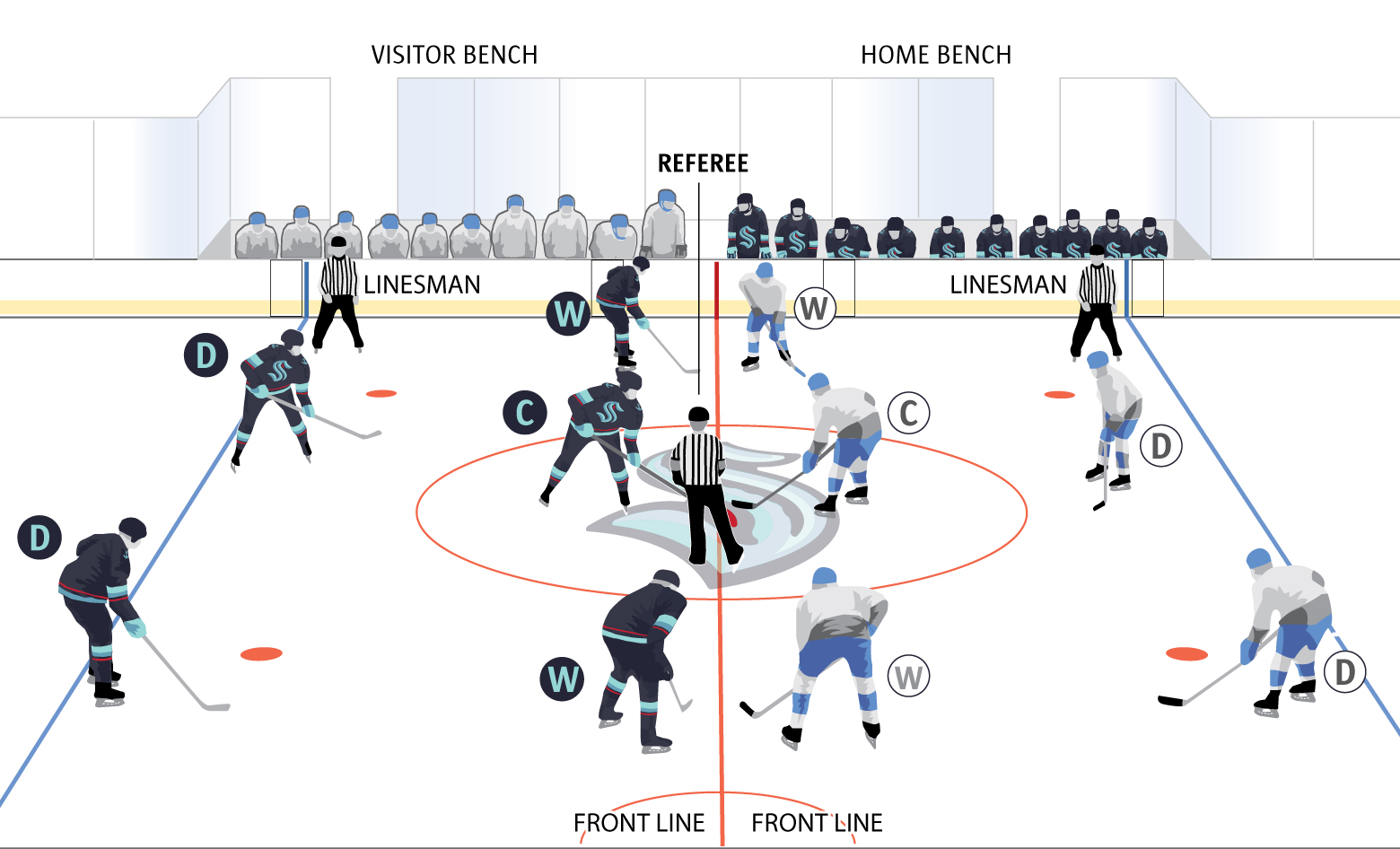
During regular play, each team has six players on the ice:
- 3 forwards (left wing, center, right wing)
- 2 defensemen
- 1 goaltender
This lineup can change based on penalties or special situations, but six is the standard number.
The Bench
The rest of the team sits on the bench, ready to substitute in. Ice hockey uses line changes often, with players coming on and off the ice every 30 to 60 seconds to stay fresh. This is why teams need a large roster even though only six play at once.
Team Structure Breakdown
Here’s a closer look at a typical ice hockey team’s roster:
| Position | Number per Game | Role |
|---|---|---|
| Forwards | 12 | Score goals, pressure offense |
| Defensemen | 6 | Block shots, protect goalie |
| Goaltenders | 2 | Stop the puck, last line of defense |
Most teams use four lines of forwards (3 per line) and three pairs of defensemen. The backup goalie is there in case the starter gets injured or needs a rest.

Team Size In Different Leagues
Team sizes can change depending on the level of play:
- NHL: 20 dressed players (18 skaters, 2 goalies)
- International (IIHF): Up to 22 skaters and 3 goalies, but usually 20 play per game
- College (NCAA): 18 skaters, 2 or 3 goalies
- Youth leagues: Sometimes fewer players due to smaller teams or ice surfaces
Each league has rules about how many can dress for a game, but the number on the ice remains six per team during regular play.
Special Situations: Power Plays And Penalties
When a player commits a penalty, they must sit in the penalty box, leaving their team short-handed. The most common penalties last two minutes.
How Many Players During A Penalty?
- Minor penalty: The penalized team plays with 5 players (or fewer if multiple penalties)
- Power play: The other team keeps 6 players (unless they also have penalties)
- Goalie: Teams never have to remove their goalie for a penalty
This creates more space on the ice, leading to more scoring chances.
Changing The Number Of Players: Empty Net And Overtime
Near the end of a game, if a team is losing, they may pull the goalie to add an extra skater, making it 6 skaters and no goalie. This is a risky move but can help tie the game.
In overtime (in some leagues), teams may play 3-on-3 (plus goalies) to create more action and end the game quickly.
Bench And Roster Limits
Not all team members suit up for every game. NHL teams, for example, may have a 23-player active roster but only dress 20 for each game. The rest are “healthy scratches” who do not play that night.
Here’s a comparison of roster and bench limits in different leagues:
| League | Active Roster | Game Day Players | On Ice |
|---|---|---|---|
| NHL | 23 | 20 | 6 |
| IIHF | 25 | 20-22 | 6 |
| NCAA | Varies | 20-21 | 6 |
Why Teams Need So Many Players
Ice hockey is extremely demanding. Shifts are short, and players need to recover quickly. A full bench allows coaches to:
- Keep players fresh
- Use different strategies (offensive, defensive lines)
- Replace injured or penalized players
- Adjust to special teams (power play, penalty kill)
Beginners often overlook the importance of line changes and how they affect team performance. Teams with deeper benches can usually play a stronger, faster game.
Non-obvious Insights About Team Size
- Special teams units: Teams use specific groups for power plays and penalty kills. Not all players get equal ice time. Some are specialists in defending or scoring during these situations.
- Versatility matters: Players who can play multiple positions are valuable. If someone is injured or penalized, a versatile player can fill in, keeping the team balanced.
- Traveling teams: Some leagues allow extra “taxi squad” players who travel but do not dress unless needed. This became common during the pandemic to handle unexpected absences.
Team Size In International Tournaments
During events like the Olympics or World Championships, teams can register up to 25 players. However, only 20-22 are dressed per game. The large roster helps teams deal with injuries and fatigue from playing many games in a short period.
For example, the 2022 Winter Olympics allowed 25-player rosters with 22 skaters and 3 goalies. But only 20 players could be dressed for each game.
How Team Size Affects Game Strategy
Coaches use team size to their advantage. For example:
- Rolling lines: Using all four lines keeps everyone fresh and wears down the opponent.
- Shortening the bench: In close games, coaches may play the best players more and use fewer lines.
- Emergency goalie: In rare cases, if both goalies are injured, teams use an “emergency backup goalie,” sometimes even a fan or staff member.
Having the right mix of players is key to winning.

Comparison With Other Sports
Ice hockey’s team size is unique compared to sports like soccer or basketball.
| Sport | Players on Field/Court | Bench Size |
|---|---|---|
| Ice Hockey | 6 | 14 |
| Soccer | 11 | 7-12 |
| Basketball | 5 | 7-8 |
| Baseball | 9 | Up to 16 |
This shows how ice hockey’s substitution system and bench depth are built for a high-speed, physical game.
Frequently Asked Questions
How Many Players Are Allowed On The Ice At Once?
Each team has six players on the ice during regular play: three forwards, two defensemen, and one goalie.
Can A Team Play With Fewer Than Six Players?
Yes. If a team has one or more players in the penalty box, they may play with as few as three skaters (plus a goalie).
How Many Players Are On An Nhl Team’s Full Roster?
An NHL team can have up to 23 players on its active roster, but only 20 dress for each game.
Are Team Sizes Different In Youth Hockey?
Yes. Youth hockey teams may have fewer players due to smaller rosters or different rules, but they still play with six on the ice unless there are penalties.
Where Can I Learn More About Ice Hockey Rules?
For official rules and more details about team size, visit the Wikipedia Ice Hockey page.
Ice hockey team size is more than just a number. It’s about smart strategy, player stamina, and adapting to every situation. Understanding this helps you see the game in a new light—whether you’re watching, playing, or coaching.