Paddle boarding has exploded in popularity, and for good reason—it’s fun, relaxing, and a great workout. But before you glide across the water, you need to inflate your board. That’s where your paddle board pump comes in. Whether you own a manual hand pump or an electric one, the pump is the unsung hero of every paddle boarding trip. But have you ever wondered how long your paddle board pump actually lasts? In this article, you’ll find out what affects its lifespan, how to spot signs of wear, and how to make sure your pump keeps working season after season.
Exclusive Deals
Limited-time Exclusive Deals. Check current discount on Amazon.
Check Price on Amazon As an Amazon Associate I earn from qualifying purchases.What Is A Paddle Board Pump?
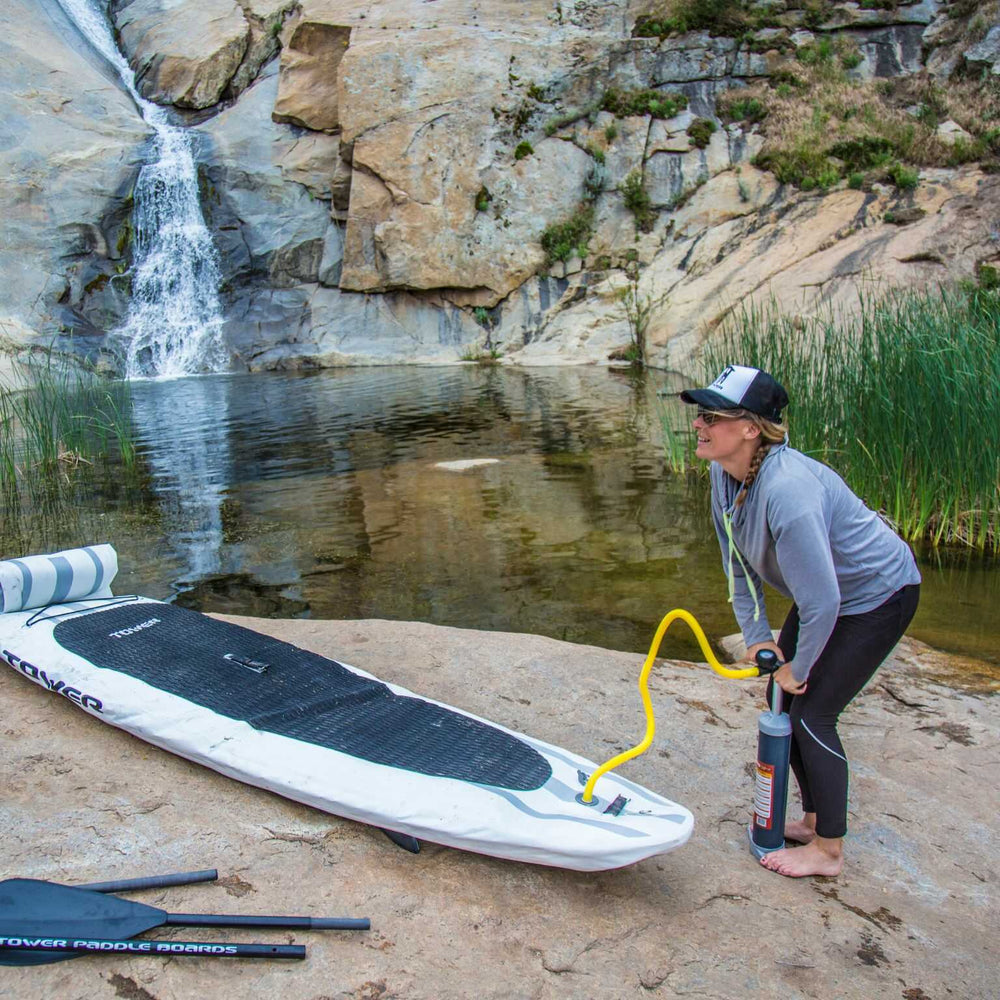
A paddle board pump is a device that inflates stand up paddle boards (SUPs). Most inflatable SUPs require high pressure, usually between 12 and 20 PSI (pounds per square inch). There are two main types:
- Manual pumps: You operate these by hand or foot.
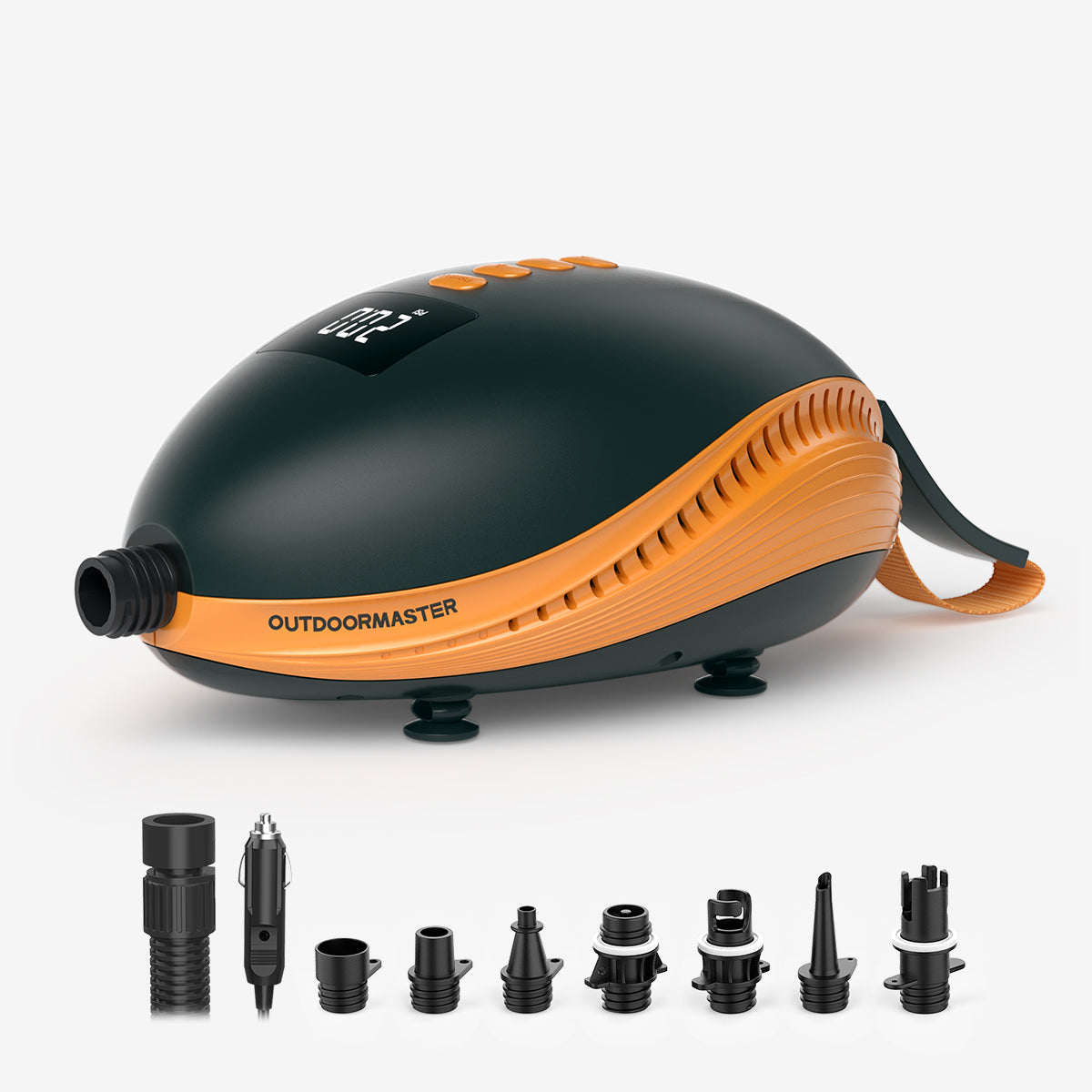
- Electric pumps: These plug into a power source and do the work for you.
Both types have their advantages, but their lifespans can be very different.
Average Lifespan Of Paddle Board Pumps
When you ask, “How long does a paddle board pump last? ” the answer isn’t simple. The average lifespan depends on the type and how you use it.
Exclusive Deals
Limited-time Exclusive Deals. Check current discount on Amazon.
Check Price on Amazon As an Amazon Associate I earn from qualifying purchases.- Manual hand pumps: Typically last 2 to 5 years with regular use.
- Electric pumps: Often last 1 to 3 years, depending on build quality and frequency of use.
Let’s compare the two in detail:
| Pump Type | Average Lifespan | Key Factors |
|---|---|---|
| Manual Hand Pump | 2–5 years | Material quality, maintenance, usage frequency |
| Electric Pump | 1–3 years | Motor quality, overheating, power supply |
Manual pumps last longer if maintained well. Electric pumps offer convenience but have more parts that can fail.
Factors That Affect Paddle Board Pump Lifespan
Several things impact how long your pump will work. Knowing these helps you get the most out of your investment.
Exclusive Deals
Limited-time Exclusive Deals. Check current discount on Amazon.
Check Price on Amazon As an Amazon Associate I earn from qualifying purchases.1. Build Quality
A pump made from high-quality materials—like stainless steel pistons, reinforced hoses, and strong plastic—lasts much longer. Cheaper pumps often use thin plastic that cracks or wears out quickly. Always check for solid handles and sturdy connectors.
2. Usage Frequency
How often you inflate your board matters. A pump used every weekend will wear out faster than one used just a few times each summer. Electric pumps can wear down their motors quickly with heavy use.
3. Maintenance Habits
A little care goes a long way. Cleaning your pump, storing it in a dry spot, and checking for leaks or loose parts all add years to its life. Skipping maintenance leads to rust, stuck pistons, or split hoses.
4. Type Of Water Environment
Saltwater is much tougher on pumps than freshwater. Salt can corrode metal parts and wear out seals, especially if you don’t rinse your pump after use.
5. Proper Use
Using your pump correctly is important. Over-pumping or forcing pressure past the recommended PSI can damage valves, hoses, and the pump body itself. Electric pumps can overheat if you try to inflate too many boards in a row.
6. Storage Conditions
Leaving your pump in direct sunlight, a hot car, or a damp garage shortens its lifespan. Extreme temperatures can warp plastic and weaken seals.
7. Manufacturer And Model
Some brands are known for better pumps. For example, Bravo, iRocker, and OutdoorMaster are popular for durability. Off-brand pumps might not last as long, even with good care.
Manual Vs Electric Paddle Board Pumps
Choosing between a manual and electric pump affects not just convenience, but also how long your pump will last. Here’s how they compare:
| Feature | Manual Pump | Electric Pump |
|---|---|---|
| Inflation Time | 5–10 minutes | 5–8 minutes |
| Maintenance | Low | Medium to High |
| Portability | Very portable | Less portable (needs power) |
| Common Failure Points | Piston seals, hose leaks | Motor, fuse, hose leaks |
| Average Cost | $30–$70 | $60–$180 |
Manual pumps are simple and reliable, but require effort. Electric pumps save energy but need more care to avoid motor burnout.
Signs Your Paddle Board Pump Is Failing
It’s easy to overlook early warning signs. But catching them early can save your day on the water. Look for:
- Loss of pressure: If it takes longer to reach the same PSI, seals or valves might be worn.
- Air leaks: Hissing sounds or leaking hoses mean parts are failing.
- Stiff or rough action: For manual pumps, if the handle feels sticky or hard to move, the piston may be dirty or damaged.
- Unusual noises: Electric pumps making grinding or clicking sounds could have internal issues.
- Overheating: Electric pumps that get very hot or shut down may be failing.
- Physical damage: Cracked housing, split hoses, or loose connectors are clear signs it’s time to repair or replace.
Ignoring these signs can lead to complete pump failure, often at the worst moment.
How To Make Your Paddle Board Pump Last Longer
Most paddle boarders can double their pump’s life with a few smart habits. Here’s how to care for your pump:
Clean After Every Use
Rinse your pump with freshwater, especially after using it near saltwater. Wipe off sand, dirt, and debris. Salt and sand can quickly wear out seals and moving parts.
Store Properly
Keep the pump in a cool, dry place away from direct sunlight. Don’t leave it in a hot car or damp area. Coil hoses loosely to avoid kinks.
Regular Checks
Every few uses, inspect your pump for loose screws, cracks, or worn seals. Replace worn-out parts before they become a big problem. Most brands sell replacement hoses and seals.
Lubricate Moving Parts
For manual pumps, a small amount of silicone lubricant on the piston keeps it running smoothly. Avoid using oil-based lubricants—they attract dirt and can damage seals.
Use In Short Bursts (electric Pumps)
If you’re inflating several boards, let your electric pump rest between uses. Most electric pumps are designed for 1–2 boards at a time, then need a cooling break.
Follow Manufacturer’s Instructions
Never exceed the recommended PSI. If your pump has a built-in gauge, trust it. Over-inflating can damage both the pump and your board.
Keep Spare Parts
Having a spare hose or seal in your gear bag can save your day. These parts are often the first to wear out, and they’re easy to replace.
Real-world Examples: Pump Lifespan Stories
Many paddle boarders share stories that show just how much care matters. For example:
- Jake, a weekend paddler, used a cheap manual pump for two summers before the handle snapped. He often left it in his car, which got very hot.
- Sara, who paddles twice a week, invested in a quality electric pump, rinsed it after every saltwater trip, and lubricated the seals. Her pump lasted over 4 years before needing a new hose.
- Paul and Maya used a manual pump for family trips but never cleaned the sand off. After just one season, the piston was clogged, and they had to buy a new one.
These examples prove that good habits and quality gear make a big difference.
When To Replace Your Paddle Board Pump
No pump lasts forever. Here are signs it’s time to buy a new one:
- It can’t reach the required PSI, even after cleaning and replacing seals.
- You see cracks in the body or handle.
- The electric motor is slow, noisy, or won’t run.
- The gauge is broken and can’t be fixed.
- Replacement parts cost more than a new pump.
Waiting too long to replace a pump can risk your board, your safety, and your fun.
Common Mistakes That Shorten Pump Life
It’s easy to make small mistakes that have a big impact. Watch out for these:
- Forgetting to rinse after saltwater use: Salt eats away at metal and rubber parts.
- Forcing the pump: Trying to inflate too quickly can break seals.
- Ignoring heat: Leaving pumps in hot cars or direct sunlight weakens plastics.
- Skipping lubrication: Dry pistons create friction and wear out faster.
- Not following rest times: Electric pumps often overheat if used without breaks.
Avoiding these mistakes is one of the best ways to save money and hassle.
Are Expensive Paddle Board Pumps Worth It?
Price often reflects quality, but not always. Here’s a quick comparison of what you get at different price points:
| Price Range | Expected Lifespan | Features |
|---|---|---|
| $30–$50 (Manual) | 1–2 years | Basic, plastic parts, no gauge |
| $60–$100 (Manual/Electric) | 2–4 years | Metal parts, pressure gauge, better seals |
| $120–$180 (Electric) | 3–5 years | Fast inflation, auto shut-off, digital gauge |
Paying more for a well-known brand with good reviews often means a longer-lasting pump. Still, even the best pump won’t last if you don’t care for it.
Non-obvious Insights Most Paddle Boarders Miss
- Valve Fit Matters: Using a pump with a poorly fitting valve adapter can ruin both the pump and your board’s valve. Always double-check the connection before inflating.
- Altitude Changes Performance: If you paddle at high altitude, your pump may take longer and work harder to reach the same pressure. This extra strain can shorten its life.
- Hose Length and Flexibility: A stiff, short hose can crack or split easily. Opt for a flexible, long hose if possible.
- Genuine Replacement Parts: Generic hoses and seals don’t always fit perfectly. Using original manufacturer parts prevents leaks and damage.
Frequently Asked Questions
How Can I Tell If My Paddle Board Pump Is About To Fail?
Watch for loss of pressure, hissing sounds, stiff handles, or overheating motors. If inflation takes longer or the pump feels rough, it’s time to check for worn seals, leaks, or other problems.
Are Electric Paddle Board Pumps Safe To Use?
Yes, as long as you follow the manufacturer’s instructions. Give the pump time to cool after inflating 1–2 boards. Never leave an electric pump running unattended, and avoid using it in wet or rainy conditions.
Can I Repair My Paddle Board Pump If It Breaks?
Often, yes. Replacing hoses, seals, or O-rings is common and simple. However, if the pump body, handle, or electric motor is damaged, it’s usually better to buy a new pump.
How Do I Store My Paddle Board Pump For Winter?
Clean and dry your pump, coil the hose loosely, and store it in a cool, dry spot. Avoid direct sunlight and freezing temperatures. A storage bag helps protect it from dust and bumps.
Where Can I Find More Information About Paddle Board Pumps?
A good place to start is the Wikipedia page on standup paddleboarding, which covers gear, maintenance, and usage tips.
No matter what type of paddle board pump you have, smart habits and routine care will extend its lifespan. Take care of your pump, and you’ll spend more time on the water and less time dealing with equipment problems.