Every surfer dreams of catching the perfect wave, but few realize how much skill it takes to read the ocean. From the outside, surfing looks simple: just paddle, stand up, and ride. However, surfers must understand how waves form, move, and break. This knowledge separates beginners from seasoned riders. Learning to read waves isn’t just about fun—it keeps surfers safe and helps them choose the best waves. If you want to improve your surfing or simply understand how surfers decide when to paddle and when to wait, this guide will show you how surfers read waves in detail.

Exclusive Deals
Limited-time Exclusive Deals. Check current discount on Amazon.
Check Price on Amazon As an Amazon Associate I earn from qualifying purchases.What Is A Wave And How Does It Form?
Waves are moving energy created mainly by wind blowing across the surface of the ocean. The stronger the wind and the longer it blows, the bigger the waves. Sometimes, waves come from storms far away. These waves, called swell, travel hundreds or even thousands of kilometers before reaching the coast.
A wave has several parts:
- Crest: The top of the wave
- Trough: The lowest point between waves
- Face: The steep side where surfers ride
- Lip: The edge that curls over when the wave breaks
Surfers study these features to judge how a wave will behave. For example, a steep face means a fast ride, while a gentle slope is better for beginners. The way a wave breaks depends on the underwater land, called the bathymetry.
Exclusive Deals
Limited-time Exclusive Deals. Check current discount on Amazon.
Check Price on Amazon As an Amazon Associate I earn from qualifying purchases.Types Of Waves Surfers Look For
Not all waves are good for surfing. Surfers need to identify the best waves for their skill level and style. Here are the main types:
- Spilling waves: These break gently and are common over sandy bottoms. They are great for beginners.
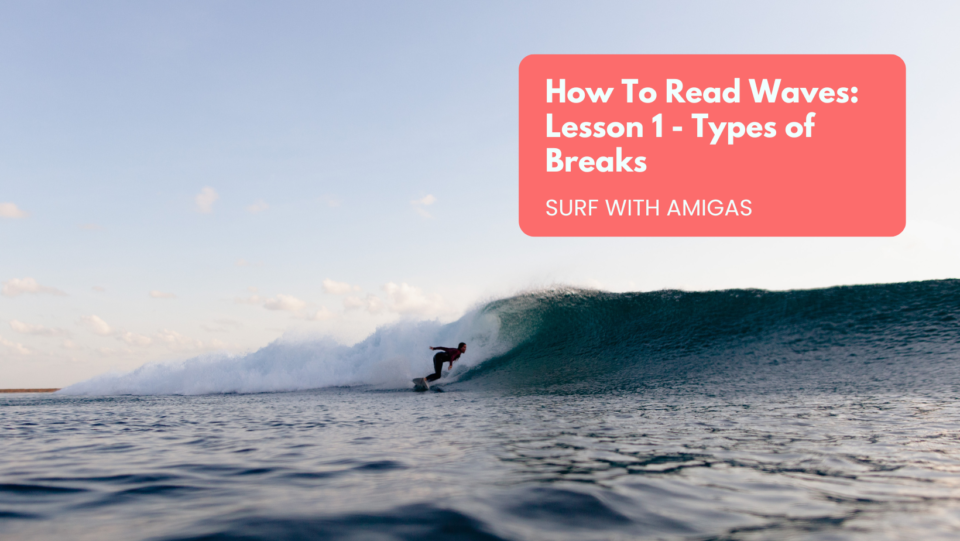
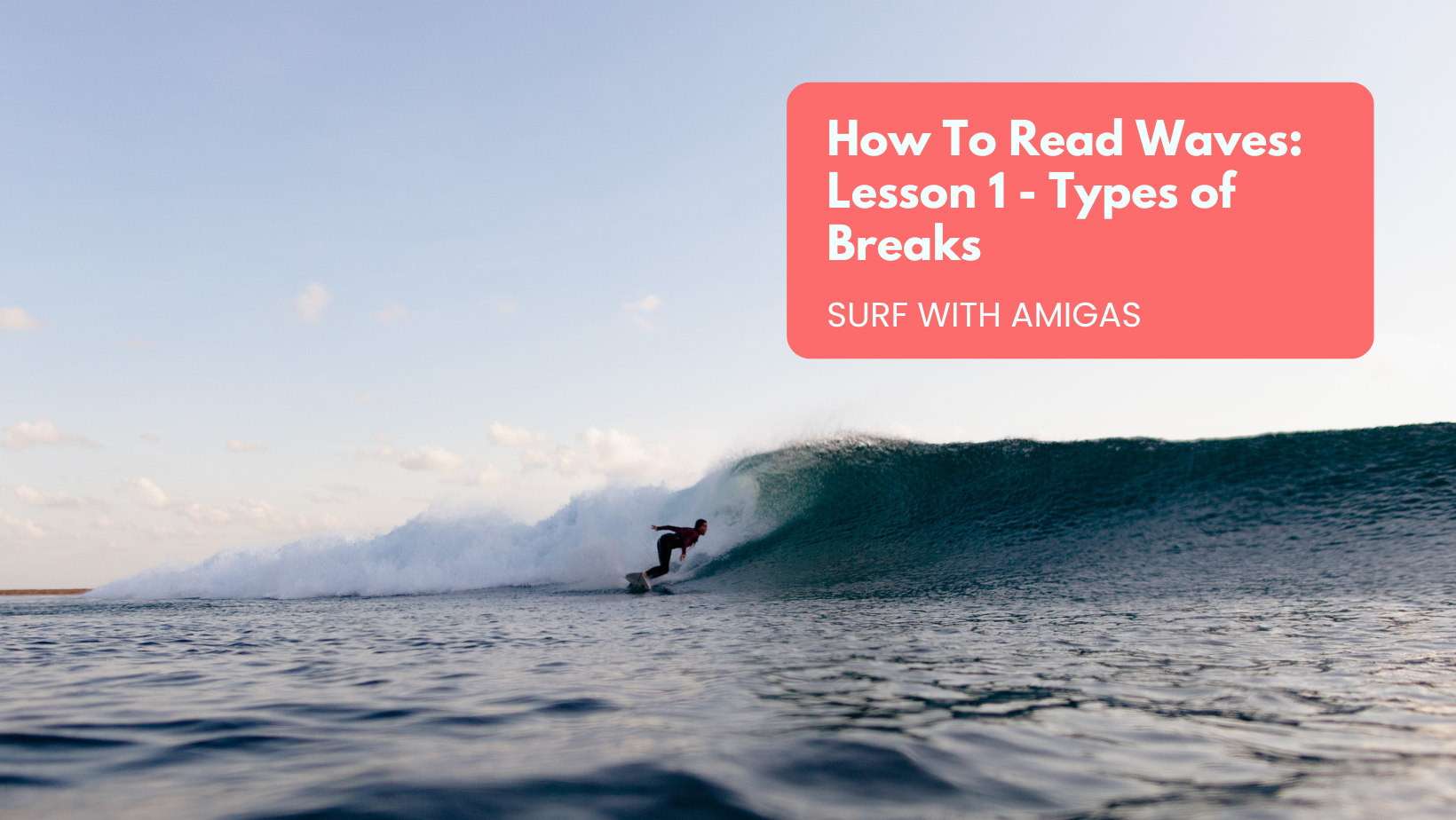
- Plunging waves: These break sharply, creating a tube or barrel. They are fast and powerful, popular with experienced surfers.
- Surging waves: These don’t really break. Instead, they rush up the shore. They are dangerous and not suitable for surfing.
- Closeouts: When a wave breaks all at once along its length. These are hard to ride and usually avoided.
Surfers also consider wave size, shape, and direction. For example, a wave that peels from left to right is called a right-hander, while one that peels from right to left is a left-hander.
Reading The Ocean: Key Signs And Patterns
The ocean is always changing. Surfers must read the water before entering. Here are some signs surfers use:
Exclusive Deals
Limited-time Exclusive Deals. Check current discount on Amazon.
Check Price on Amazon As an Amazon Associate I earn from qualifying purchases.Wind Direction
Wind is a major factor. Offshore wind (blowing from land to sea) holds up the wave, making it cleaner and easier to ride. Onshore wind (blowing from sea to land) makes waves choppy and harder to surf.
Swell Period And Height
The swell period is the time between waves, measured in seconds. Longer periods (10-20 seconds) mean waves are more powerful and organized. Swell height tells how big the waves will be. Surfers check surf reports for these numbers.
Tides
Tides change the water level. High tide can make waves break closer to shore, while low tide exposes rocks and changes wave shape. Each surf spot reacts differently to tides.
Water Color And Texture
Experienced surfers notice small differences in water color and texture. Rips (currents pulling out to sea) usually show as darker, smooth patches. Choppy water often means poor conditions.
How Surfers Predict Where A Wave Will Break
One of the most important skills is predicting where a wave will break. Surfers watch the horizon and look for sets—groups of waves coming together. They spot the first signs of a wave’s crest and judge its direction.
Surfers also pay attention to the line-up—the area where surfers wait for waves. The best spot is where waves consistently break in a rideable way. Surfers use landmarks, such as trees or buildings, to line up with the peak.
Here’s a table showing how different types of ocean bottoms affect wave breaking:
| Ocean Bottom Type | Wave Break Style | Suitability for Surfers |
|---|---|---|
| Sand | Spilling | Good for beginners |
| Reef | Plunging | Best for advanced surfers |
| Point (rocky) | Peeling | Great for all levels |
Timing: When To Paddle And When To Wait
Timing is everything in surfing. Surfers must decide when to paddle for a wave and when to let it pass. Here’s how they do it:
- Spotting the Set: Surfers watch for groups of bigger waves. Sets are often followed by smaller waves, giving time to rest.
- Positioning: They move to the best spot, usually just outside where waves break.
- Paddle Early: Surfers start paddling before the wave reaches them. If they wait too long, the wave passes.
- Commit or Pull Back: If the wave looks good, they paddle hard and catch it. If not, they pull back to avoid a wipeout.
Surfers learn these timing skills by watching experienced riders and practicing. It’s normal to miss waves at first.
How Surfers Use Surf Forecasts
Modern surfers don’t rely only on their eyes. They use surf forecasts, which provide detailed information about waves, wind, and tides. Forecasts use data from buoys, satellites, and weather stations.
Here’s a comparison of surf forecast data types:
| Data Type | What It Shows | Why It Matters |
|---|---|---|
| Swell Period | Time between waves | Long period = strong waves |
| Wave Height | Size of waves | Bigger waves = more power |
| Wind Direction | Where wind is blowing | Affects wave shape |
| Tide Times | High/low tide info | Changes wave break |
Using forecasts helps surfers plan the best time to surf. Still, conditions can change fast, so surfers always check the beach before entering.
Common Mistakes Beginners Make
Learning to read waves takes time. Many beginners make mistakes, such as:
- Ignoring the wind: Not realizing how wind changes waves.
- Wrong position: Sitting too far in or out from the breaking point.
- Chasing every wave: Trying to catch every wave instead of waiting for the best.
- Missing the set: Not recognizing groups of waves and getting caught inside.
One non-obvious mistake is watching only the closest waves. Experienced surfers look further out, spotting sets before they arrive. Another is ignoring the ocean bottom. Waves break differently over sand, rocks, or reefs, so surfers study the local conditions.
Advanced Wave Reading: Looking For Subtle Clues
Experienced surfers go beyond the basics. They look for subtle clues in the ocean:
- Wave angle: How a wave approaches the shore. Angled waves peel better.
- Shadow lines: Light and dark stripes on the water can show underwater features.
- Backwash: Water moving back from the shore can change wave shape.
- Crowd movement: Watching where other surfers sit can reveal the best spot.
Surfers also use their senses. For example, hearing the sound of the wave can help predict its power. Watching bird activity sometimes hints at fish and currents.
Practical Tips For Improving Wave Reading Skills
Anyone can improve their wave reading by following these steps:
- Study local beaches: Each spot is unique. Watch how waves break at different tides.
- Watch experienced surfers: See where they sit and which waves they choose.
- Practice patience: Wait for the best wave, not just any wave.
- Use surf apps: Check forecasts, but confirm conditions in person.
- Take notes: Keep a surf journal with details about waves, tides, and wind.
Over time, surfers develop a “sixth sense” for reading waves. Even small changes in wind or tide become obvious.
How Wave Reading Impacts Safety
Reading waves is not just about catching the best ride. It’s also about staying safe. Waves can change quickly, and strong currents can pull surfers out to sea.
Surfers check for:
- Rip currents: These are dangerous and can be spotted as calm-looking water between breaking waves.
- Shorebreak: Waves breaking directly on the sand can cause injury.
- Changing conditions: Weather and tides shift fast.
Knowing how to read waves helps surfers avoid hazards and choose safe entry and exit points. For more on ocean safety, you can visit National Geographic.

Comparing Surf Spots: How Wave Reading Changes
Every surf spot is different. Here’s a table comparing two famous surf locations:
| Surf Spot | Wave Type | Ideal Conditions | Skill Level |
|---|---|---|---|
| Pipeline (Hawaii) | Plunging/Barrels | North swell, offshore wind | Advanced |
| Bondi Beach (Australia) | Spilling/Peeling | East swell, moderate wind | Beginner to intermediate |
Wave reading skills must adapt to each spot. Some beaches have dangerous reefs, while others are safer for learning.
Frequently Asked Questions
What Is The Best Wind Direction For Surfing?
The best wind for surfing is usually offshore wind. This wind blows from the land toward the sea, holding up the wave face and making waves clean and easy to ride. Onshore wind makes waves choppy and less fun.
How Do Surfers Spot A Good Wave?
Surfers look for waves with a steep face, clear direction, and peeling shape. They watch for sets on the horizon and position themselves where waves break consistently. Checking the wave’s angle and speed is also important.
Why Do Waves Break Differently On Sandy And Rocky Bottoms?
Sandy bottoms create spilling waves that break slowly and gently. Rocky or reef bottoms cause plunging waves, which are faster and more powerful. The underwater shape changes how the wave breaks.
How Can I Improve My Wave Reading Skills?
Practice is key. Spend time watching the ocean, learning how waves break at different tides and winds. Watch experienced surfers, use surf forecasts, and keep notes. Over time, you’ll notice patterns and improve.
Are There Dangers In Reading Waves Incorrectly?
Yes, misreading waves can lead to accidents. Surfers may get caught in rip currents, hit rocks, or wipe out in strong shorebreak. Always check conditions and start at safe beaches.
Surfing is much more than standing on a board. The art of reading waves takes time and dedication. With patience and practice, anyone can learn to see the ocean like a surfer—spotting the best rides, avoiding dangers, and enjoying every session.
Whether you’re a beginner or want to improve, wave reading is your key to unlocking the ocean’s secrets.