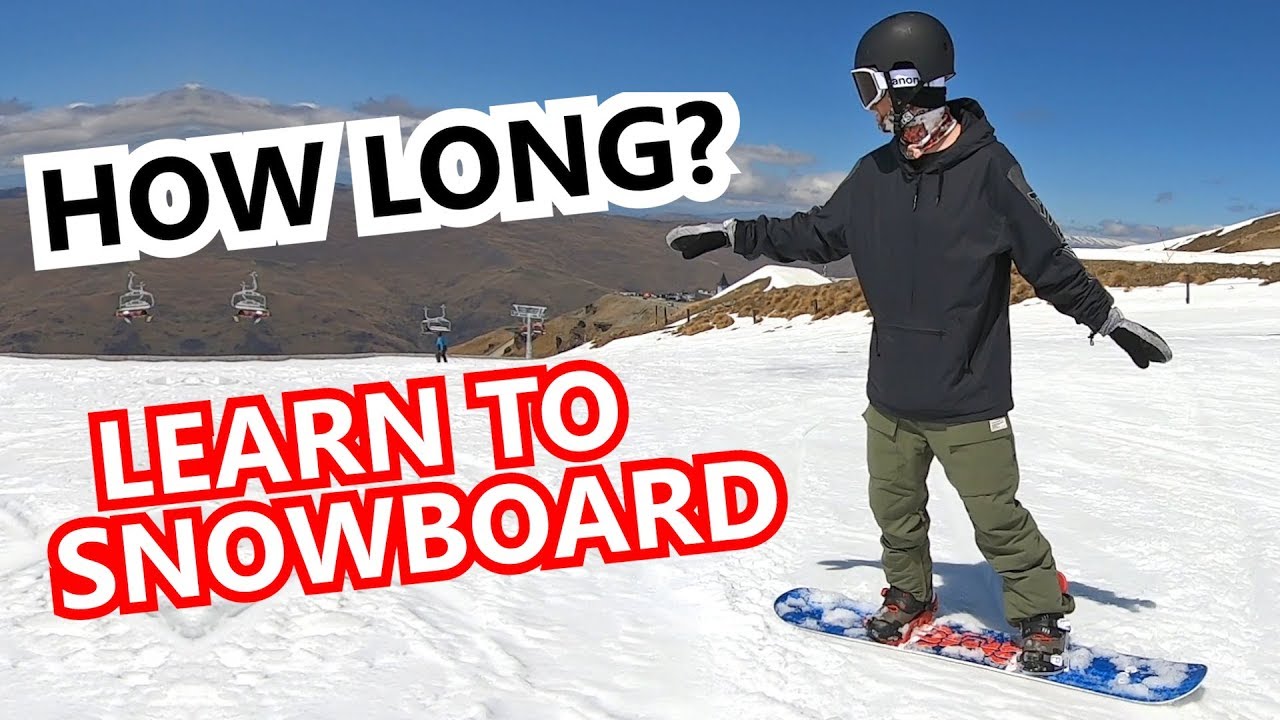
Snowboarding is a sport that looks smooth and stylish when done well, but getting to that level takes time, patience, and practice. If you’re wondering how long it takes to learn snowboarding, you’re not alone. Many beginners want to know if they can master the basics over a weekend, or if it will take weeks—or even an entire season.
The real answer depends on several factors, from your fitness level to your commitment and the quality of your instruction. But with the right approach, most people can start enjoying snowboarding much sooner than they think.

Today's Exclusive Deals
Limited-time Exclusive Deals. Check current discount on Amazon.
Check Price on Amazon As an Amazon Associate I earn from qualifying purchases.In this guide, you’ll discover what shapes the snowboarding learning curve, how long it usually takes to learn, and what you can do to progress faster. We’ll also look at common mistakes, practical tips, and what separates a casual rider from someone truly confident on the slopes.
What Does “learning Snowboarding” Really Mean?
Before you ask how long it takes, you need to know what “learning” means in snowboarding. For some, it’s just standing up and sliding down the hill. For others, it means confidently linking turns on intermediate terrain. Let’s break it down into three levels:
- Basic Control: You can stand up, stop, and slide a short distance.
- Linking Turns: You can ride down a beginner (green) run, turning left and right smoothly.
- Riding Confidently: You can handle intermediate (blue) slopes, control your speed, and manage different snow conditions.
Most people are happy once they reach level two or three, where snowboarding feels fun and not a struggle.
How Long Does It Take To Learn Snowboarding? Realistic Timelines
Learning speed varies, but here’s what you can expect:
First Day (2–4 Hours)
- Standing up on the board, sliding straight, and stopping
- Most beginners fall often, but can slide a few meters after 2–3 hours
After 1–3 Days (6–12 Hours Total)
- Many can link basic turns on gentle slopes
- You’ll start to feel balance and may try small chairlifts
After 4–7 Days (15–25 Hours Total)
- Most people can ride green runs comfortably
- You can control your speed, turn both ways, and fall less often
After 2–3 Weeks (40–60 Hours Total)
- Confident on blue/intermediate runs
- Starting to try more challenging terrain, faster speeds, or small jumps
These are averages. Some people progress faster, others need more time. Consistency matters—a few full days are better than many short, scattered sessions.
Key Factors That Affect Learning Speed
Several things can make snowboarding easier or harder to learn:
1. Previous Experience
If you’ve done skateboarding, surfing, or wakeboarding, you’ll likely learn faster. These sports teach balance and how to shift your weight on a board. Skiers might adjust quickly but will need to unlearn some habits.
2. Age And Fitness
Younger people and those in good shape often pick up snowboarding quicker. Core strength, flexibility, and balance help a lot. But age is not a barrier—adults can learn well with patience.
3. Quality Of Instruction
Taking lessons is a game-changer. Certified instructors teach you the safest and fastest way to learn. Self-taught riders often develop bad habits that are hard to fix later.
4. Equipment
Properly fitted boots and boards make a big difference. Rental gear is fine, but make sure it’s the right size. Boots should be snug but not painful; a board that’s too long or short makes learning harder.
5. Snow And Weather Conditions
Soft, groomed snow is ideal for beginners. Icy or slushy conditions can slow learning and increase falls. Avoid crowded days if possible; you’ll get more runs and feel less pressure.
6. Mindset And Confidence
Fear of falling or frustration can block progress. Stay positive, expect some falls, and celebrate small wins.
Non-obvious Insight 1
Taking breaks helps you learn faster. Your brain processes new movements while you rest. Don’t try to power through for hours without stopping.
Non-obvious Insight 2
Watching your own videos (even short clips on your phone) can reveal mistakes you don’t feel while riding. Small adjustments from watching yourself can lead to big improvements.
Comparing Snowboarding To Other Sports
How does snowboarding’s learning curve stack up to other activities? Here’s a simple comparison:
| Sport | Time to Basic Control | Time to Intermediate Level |
|---|---|---|
| Snowboarding | 1–2 days | 1–3 weeks |
| Skiing | 1 day | 2–4 weeks |
| Surfing | 3–5 days | 1–2 months |
| Skateboarding | 2–5 days | 2–4 months |
Most people find snowboarding harder than skiing at first, but easier to progress once you pass the initial stage.
Common Mistakes That Slow Learning
Even with good instruction, beginners make mistakes that hold them back. Knowing these can help you avoid them:
- Stiff Legs: Try to stay relaxed. Bending your knees absorbs bumps and helps with balance.
- Leaning Back: Many people lean back when scared, but this makes turning and stopping harder. Keep your weight centered or slightly forward.
- Looking at Your Feet: Always look where you want to go, not at the board.
- Wearing the Wrong Gear: Cold, wet, or uncomfortable clothing distracts you and can end your session early.
- Skipping Lessons: Friends can help, but bad habits learned early are tough to fix.
- Not Practicing Regularly: Progress slows if you ride once a month. Try to snowboard on consecutive days, especially at first.
The Role Of Lessons And Self-teaching
While some people learn by watching videos or following friends, formal lessons offer big benefits. Instructors give feedback, spot problems, and explain techniques you might not notice on your own.
Private Vs. Group Lessons
| Type | Pros | Cons |
|---|---|---|
| Private Lesson | Faster progress, personal feedback, flexible pace | More expensive |
| Group Lesson | Cheaper, social, less pressure | Slower progress, less personal attention |
| Self-Taught | Free, flexible schedule | Higher risk of injury, more frustration, slower improvement |
Most ski resorts recommend at least one lesson for first-timers. After that, you can practice alone or with friends.
How To Progress Faster
If you want to learn snowboarding quickly, these tips will help:
1. Take Multiple Lessons Early
Front-load your learning with 2–3 lessons in your first few days. This sets a strong foundation.
2. Ride Consecutive Days
Snowboarding is muscle memory. Riding on back-to-back days helps your body remember new movements.
3. Set Small Goals
Don’t aim for jumps on day one. Try to stand up, then slide straight, then make one turn, and so on.
4. Watch Others
Observe skilled snowboarders. Notice how they move their bodies, shift weight, and stay relaxed.
5. Use The Right Gear
Wear waterproof clothing, wrist guards, and a helmet. Staying warm and safe means you can practice longer.
6. Fuel And Rest
Eat well and drink water. Snowboarding uses a lot of energy. Rest between runs and after a few hours.
7. Celebrate Progress
Every new skill is a win. Enjoy the process, and don’t compare yourself to others.
How Many Days Should You Plan For?
If you want to reach the “confident beginner” stage—riding green slopes, linking turns, and having fun—plan for at least 3–5 full days on snow. This could be a long weekend or a weeklong trip.
To advance to intermediate runs and start exploring more of the mountain, aim for 7–10 days across a season. Spreading these days out over several weekends works, but riding on consecutive days is better for building skill.
Physical Preparation And Recovery
Snowboarding is demanding. You’ll use muscles you didn’t know you had. Before your trip, improve your core strength, flexibility, and balance with simple exercises like:
- Squats and lunges
- Planks and sit-ups
- Stretching or yoga
- Balance drills (standing on one foot, wobble board)
After your sessions, stretch your legs, back, and arms. This helps prevent soreness and injuries.
Progress Plateaus And How To Break Them
Almost every snowboarder hits a “plateau”—a point where improvement feels slow. This is normal. Here’s how to push through:
- Try a lesson with a new instructor
- Change your routine (different runs, new tricks)
- Watch video tutorials for new ideas
- Rest for a day and come back fresh
Remember: Progress isn’t always a straight line. Some days you’ll fall more, other days everything clicks.
Safety And Injury Prevention
Falls are part of learning, but you can reduce the risk:
- Always wear a helmet
- Consider wrist guards (wrist injuries are common in beginners)
- Learn how to fall safely: Try to relax and avoid reaching out with straight arms
- Check your bindings and gear before every session
If you’re tired, cold, or frustrated, take a break. Most injuries happen when you’re not focused.
What Happens After The Basics?
Once you can ride green and blue runs, the sport opens up. You can try:
- Exploring new terrain (trees, steeper slopes)
- Riding switch (with your non-dominant foot forward)
- Small jumps and tricks in the terrain park
- Powder and off-piste snow (with guidance)
Learning never really ends in snowboarding, but after your first few days, you’ll be hooked.
The Mental Side Of Learning
Many people underestimate the mental part of snowboarding. Nerves, fear of falling, or embarrassment can slow you down. It’s normal to feel awkward at first. Focus on progress, not perfection. Encourage yourself after each run.
If you’re struggling, remember: Even expert snowboarders were beginners once. Every fall is a step closer to mastering the mountain.
For more on the history and culture of snowboarding, check out the Wikipedia entry on snowboarding.
Frequently Asked Questions
How Long Does It Take To Learn To Snowboard For A Total Beginner?
Most beginners can stand up, slide, and stop within their first day. It usually takes 3–5 days to ride beginner slopes and link turns confidently. Progress depends on lessons, fitness, and practice frequency.
Is Snowboarding Harder To Learn Than Skiing?
Many people find snowboarding harder in the first day or two, especially standing up and turning. But after getting past the basics, most learn to ride intermediate slopes faster than on skis.
Do I Need To Be Very Fit To Learn Snowboarding?
You don’t need to be an athlete, but core strength and balance help a lot. Being in average shape is enough for most people. Warming up and stretching before and after riding reduces soreness.
Can I Learn Snowboarding As An Adult?
Absolutely. Adults can learn snowboarding well, though it may take a bit more patience. Taking lessons and going at your own pace is important. Don’t compare yourself to younger riders—focus on your own progress.
Should I Buy Or Rent Gear As A Beginner?
Renting is best for your first few days. This lets you try different boots and boards. Once you’re sure you love the sport, buying your own gear can improve comfort and performance.
Snowboarding is a journey, not a race. With the right approach, you’ll be riding and enjoying the mountain sooner than you think. Each trip brings new skills, new friends, and fresh excitement. So, get out there, enjoy the ride, and remember: Every snowboarder started as a beginner—just like you.