
Skiing is one of the most exciting winter sports, but for beginners, it can also feel challenging and even intimidating. The first few days on the slopes are often filled with both joy and frustration. Many new skiers make similar mistakes, which can slow down their learning, increase their risk of injury, or simply make the experience less enjoyable.
If you want to improve quickly and ski with confidence, knowing these common mistakes is the first step. Let’s explore what most beginners get wrong and, more importantly, how to avoid these pitfalls.

Today's Exclusive Deals
Limited-time Exclusive Deals. Check current discount on Amazon.
Check Price on Amazon As an Amazon Associate I earn from qualifying purchases.Not Taking A Lesson With A Qualified Instructor
Many beginners try to save money or time by learning from friends or teaching themselves. While this sounds easy, it’s one of the biggest mistakes. Professional ski instructors know how to explain basic techniques, correct your stance, and help you avoid bad habits. A good instructor watches your movements and gives feedback, which you cannot get from online videos or friends who may have forgotten what it’s like to be a beginner.
Even just one or two lessons at the start can make a huge difference. You’ll learn how to put on your gear, how to balance, how to stop safely, and how to get up when you fall. Instructors also know how to choose the right slope for your level. Remember, self-taught mistakes are often hard to unlearn later.
Choosing The Wrong Equipment
Wearing the wrong boots, using skis that are too long or short, or picking poles of the wrong length can make skiing much harder. Renting equipment from a pro shop is better than borrowing from friends or buying online without advice.
The staff will help you find gear that matches your height, weight, and skill level.
For example, beginner skis are usually shorter and more flexible. This helps you turn easily and control your speed. Boots should fit snugly but not painfully. Many beginners wear boots that are too loose, making it hard to control the skis. Never overlook the importance of proper fitting gear.

Not Dressing Properly For The Weather
Skiing is a cold-weather sport, but beginners often overdress or underdress. Wearing too many layers can make you sweat, and wet clothes will chill you quickly. On the other hand, not enough layers can leave you freezing, especially on windy chairlifts.
A smart way to dress is to use layers:
- Base layer: Moisture-wicking fabric (not cotton)
- Middle layer: Insulating fleece or wool
- Outer layer: Waterproof and windproof jacket and pants
Don’t forget gloves, a helmet, goggles, and warm socks. Avoid scarves or loose clothing that can get caught.
Ignoring The Basics Of Stance And Balance
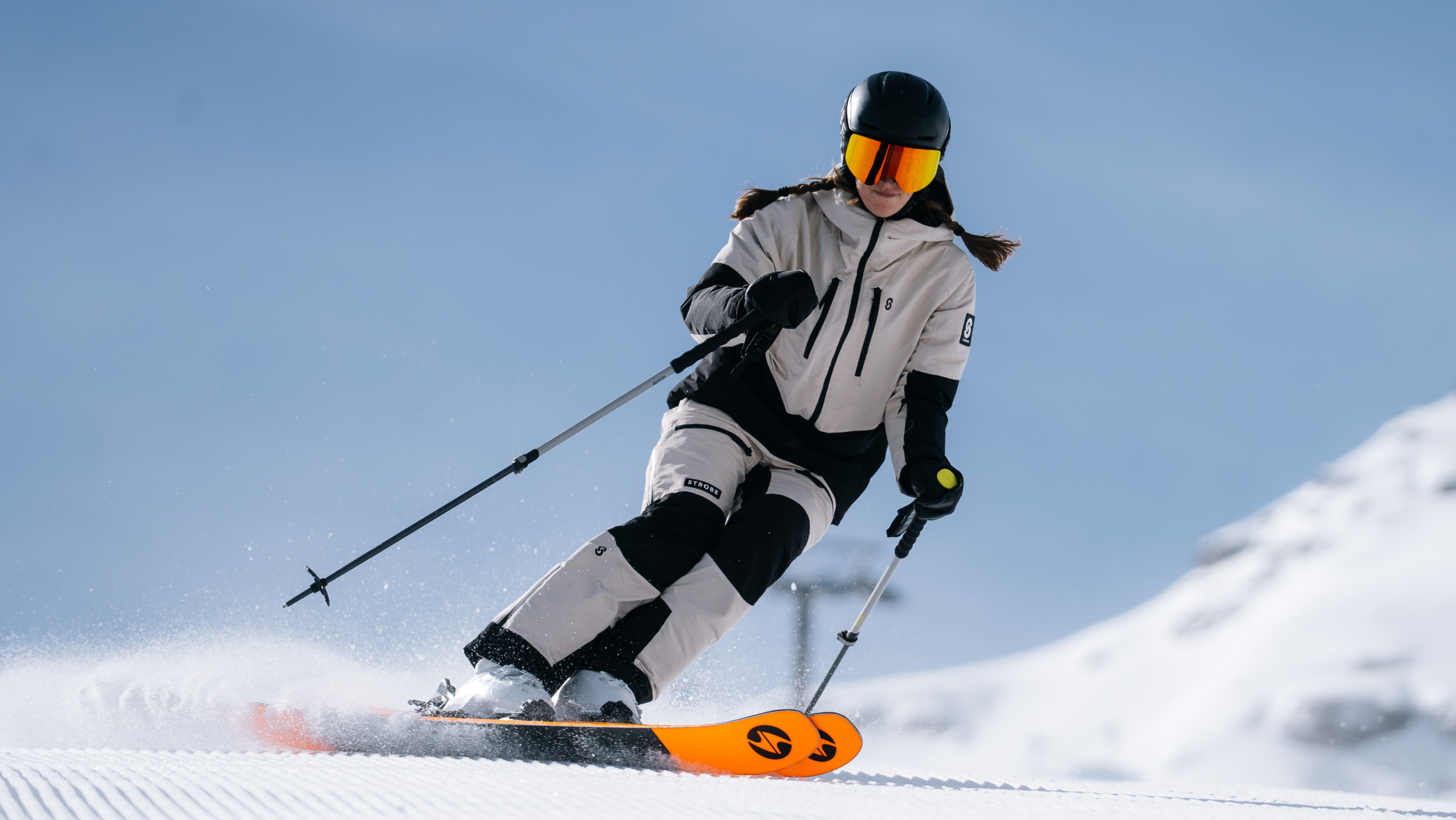
Many first-timers stand too upright or lean back when they feel unsure. This makes it hard to control the skis and increases the chance of falling. The correct stance is to keep your knees bent, weight centered over your feet, and hands out in front. Think of a gentle squat, not a chair sit.
Leaning back is a natural reaction to fear, but it takes control away from your skis. Practice standing in the right position before you even start sliding. Try balancing on flat ground or a magic carpet area.
Not Learning To Fall Safely
Falling is part of skiing, but many beginners try hard to avoid it, which makes them stiff and tense. Learning how to fall safely can reduce your risk of injury and build your confidence.
When you feel yourself losing balance, try to relax and fall to the side, away from the skis. Keep your limbs loose, and don’t try to break your fall with your hands. If you slide, keep your skis together and up the hill. Practicing safe falls on gentle slopes is a smart move.
Failing To Master Stopping And Turning
Some new skiers go straight down the hill, hoping they can stop at the bottom. This is dangerous for both you and others. The pizza or snowplow technique is the basic way to stop: point the tips of your skis toward each other and push out your heels. Practice this until you can stop any time.
Turning is just as important as stopping. Many beginners twist their upper body, but the turn comes from the legs and feet. Learn to shift your weight and guide your skis around. Mastering these basics will help you progress to more advanced slopes.
Using Too Much Force
Skiing is about smooth movements, not brute strength. Beginners often push too hard with their legs or arms, especially when trying to turn or stop. This causes tired muscles and poor control.
Let the skis do the work. Modern skis are designed to turn with gentle pressure. Focus on balance and gentle movements. This will save energy and make skiing feel more natural.
Not Watching Where You’re Going
It’s easy to look down at your skis or the snow in front of you, especially when you’re nervous. But skiing requires you to look ahead, just like driving a car. This helps you spot obstacles, changes in the slope, or other skiers.
Lifting your eyes also helps your body balance better. Try to look about 10-15 meters ahead, and check both sides before changing direction.
Choosing Slopes Above Your Level
Many beginners are tempted to try steeper slopes too soon. This often leads to fear, falls, or even injury. Always start on green (easy) slopes, even if they look boring. Skiing well on a gentle hill is better than surviving a hard one.
If you feel comfortable and in control, ask your instructor or a ski patroller if you’re ready for a blue (intermediate) run. Moving up too fast usually slows your learning down.
Below is a comparison between beginner, intermediate, and advanced slopes:
| Slope Level | Color Code | Typical Gradient | Recommended For |
|---|---|---|---|
| Beginner | Green | 6-25% | First-timers, learners |
| Intermediate | Blue | 25-40% | Confident skiers |
| Advanced | Red/Black | 40% and above | Experienced skiers |
Not Using The Ski Lift Correctly
The ski lift can be confusing. Beginners sometimes fall when getting on or off, or block the way for others. Before your first ride, watch how others do it. When you approach the lift, hold your poles in one hand, keep your skis straight, and sit down as the chair arrives.
Stand up quickly at the top and move away from the exit zone.
Many resorts post instructions and have staff to help. Don’t be afraid to ask questions.
Forgetting To Warm Up And Stretch
Cold muscles are more likely to get injured. Many beginners skip warming up or stretching before skiing. A few minutes of simple stretches and movements will prepare your body and reduce soreness later.
Try leg swings, arm circles, and gentle squats before you put on your skis. After skiing, stretch your calves, thighs, and back. This helps prevent tightness and speeds up recovery.
Not Taking Breaks Or Staying Hydrated
Skiing is physically demanding. Beginners often ski for hours without resting or drinking water. This leads to tiredness, poor focus, and higher risk of accidents.
Plan to take regular breaks, especially if you feel tired. Eat snacks and drink water, even if it’s cold outside. Dehydration happens faster at high altitudes, even if you don’t feel thirsty.
Ignoring Safety Rules And Signs
Every ski resort has rules and signs to keep everyone safe. Some beginners ignore them, thinking they’re just suggestions. This is dangerous. Signs warn of closed areas, ice patches, or rocks. Always respect the rules, and never ski off-piste or into closed zones.
If you’re unsure about a sign, ask a ski patroller or instructor. Safety is always more important than speed or showing off.
Comparing Yourself To Others
It’s normal to see people skiing fast or doing tricks and feel like you’re falling behind. But skiing is a personal journey. Comparing yourself to others can make you frustrated or take risks you’re not ready for.
Focus on your own progress. Celebrate small wins, like your first smooth turn or safe stop. Everyone learns at their own pace.
Not Checking Weather And Slope Conditions
Some days are better for skiing than others. Beginners may not realize how much the weather and snow conditions matter. Icy slopes, fog, or heavy snow can make skiing harder and more dangerous.
Check the forecast before you head out. If conditions are tough, stick to gentle slopes or take a lesson instead. Learning in good weather is much easier and more fun.
Here’s how different weather conditions affect skiing for beginners:
| Weather | Snow Condition | Difficulty Level | Advice for Beginners |
|---|---|---|---|
| Sunny | Soft, packed | Easy | Best for learning |
| Snowy | Fresh powder | Medium | Go slow, watch visibility |
| Foggy | Variable | Hard | Stay on marked runs |
| Icy | Hard, slick | Very hard | Consider a lesson or rest |
Overlooking The Importance Of Confidence
Confidence is not just attitude—it affects your skiing ability. If you doubt yourself, you’ll move stiffly and react slowly. On the other hand, overconfidence can lead to risky choices.
Build confidence step by step. Practice on easy slopes until you feel comfortable. Celebrate progress, and don’t rush. Most importantly, don’t be afraid to fall or make mistakes—everyone does. That’s how you learn.
Not Listening To Your Body
Skiing uses muscles you may not use often. Beginners sometimes ignore pain or fatigue, trying to keep up with friends or a schedule. This can lead to injury.
If you feel pain, take a break. If you’re tired, stop for the day. It’s better to ski well for a short time than to push through and risk getting hurt. Your body will get stronger with practice.
Failing To Prepare For Altitude
Many ski resorts are at high altitudes, sometimes above 2,000 meters. Beginners may not realize the effects: shortness of breath, headaches, or dizziness. Drink plenty of water, avoid alcohol, and rest if you feel unwell.
If you come from sea level, give yourself a day to adjust before skiing hard. Altitude sickness is real, and it can ruin your holiday if ignored.
Not Asking For Help
It’s easy to feel embarrassed about asking questions, but this slows your learning. Most ski instructors, resort staff, and even other skiers are happy to help. If you don’t understand something, ask. It’s the quickest way to learn and stay safe.
Forgetting To Have Fun
This may sound simple, but many beginners focus so much on technique and mistakes that they forget to enjoy themselves. Remember why you came to the mountain in the first place—to have fun, try something new, and enjoy nature. Smile, laugh at your falls, and enjoy the ride.
That’s what skiing is all about.
Frequently Asked Questions
What Should I Do If I Keep Falling When Skiing?
If you keep falling, focus on your stance and balance. Make sure your knees are bent, weight is centered, and you’re not leaning back. Take a lesson with a professional instructor—they can spot what you’re doing wrong and correct your form. Remember, falling is normal and part of the learning process.
How Do I Choose The Right Ski Equipment As A Beginner?
Visit a professional ski rental shop. Staff will measure you and recommend the right skis, boots, and poles for your height and skill level. Beginner skis are usually shorter and softer for easier turning. Boots should fit snugly but not hurt. Don’t guess or borrow gear if you’re unsure.
How Can I Avoid Injuries While Learning To Ski?
Warm up and stretch before skiing. Learn how to fall safely, and never ski on slopes above your level. Take breaks, stay hydrated, and listen to your body. Always follow resort safety rules and wear a helmet.
Is It Necessary To Take Ski Lessons, Or Can I Learn On My Own?
Lessons with a qualified instructor are highly recommended, especially for your first days. Instructors teach the right techniques, prevent bad habits, and make learning safer. Self-teaching usually leads to slow progress and mistakes that are hard to fix later.
What Is The Most Important Thing To Remember As A Beginner Skier?
Stay patient and focus on having fun. Don’t compare yourself to others. Progress in small steps, listen to your body, and don’t be afraid to ask for help. Skiing is a journey—enjoy every moment on the mountain.
For more details on skiing techniques and safety, the Wikipedia page on skiing offers in-depth information.
Skiing is a wonderful sport that brings joy and adventure. By avoiding these common beginner mistakes, you’ll learn faster, stay safer, and have a much better experience on the slopes. Remember, every expert was once a beginner—your journey has just begun.

