Downhill skiing is one of the most thrilling and popular winter sports around the world. Imagine gliding down a snow-covered mountain, cold wind on your face, with beautiful white landscapes all around you. This is what attracts millions of people to ski resorts every year.
But what exactly is downhill skiing? How is it different from other types of skiing? If you’re curious about this exciting sport, this guide will help you understand everything you need to know—from basic definitions to advanced tips, equipment, safety, and even how to get started.
What Is Downhill Skiing?
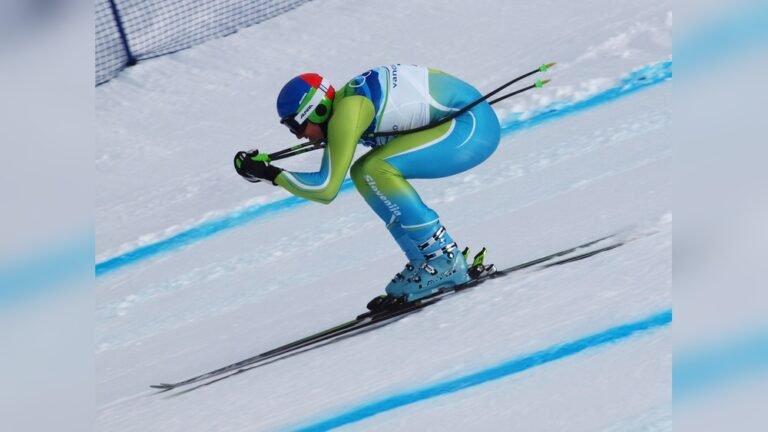
Downhill skiing, sometimes called alpine skiing, is a winter sport where a person uses skis to slide down snow-covered hills or mountains. The main goal is to move downhill, using gravity for speed and control. In competitive settings, skiers race to complete a set course in the shortest time possible, passing through gates and making sharp turns.
Unlike cross-country skiing, which takes place on flat or gently rolling terrain, downhill skiing focuses on steep slopes. It requires special equipment, such as fixed-heel bindings, to help the skier stay attached to the skis and maintain control at high speeds.
Key Features Of Downhill Skiing
Several unique features set downhill skiing apart from other ski sports:
- Fixed-heel bindings: The heels are locked in place, giving the skier more control and stability at higher speeds.
- Groomed slopes: Most downhill skiing happens on prepared runs called pistes, which are maintained by ski resorts.
- Chairlifts and gondolas: Skiers are carried to the top of the mountain, so they can focus on the downhill journey.
- Emphasis on speed and turning: Downhill skiing is about moving quickly and making controlled turns.
- Specialized technique: Skiers use a crouched, aerodynamic stance and shift their weight for balance and direction.
The History Of Downhill Skiing
The roots of downhill skiing go back thousands of years. Ancient people in Scandinavia used skis for travel and hunting. However, the sport as we know it today began in the Alps during the late 19th and early 20th centuries. Norwegian skiers introduced modern techniques to the rest of Europe, and by the 1920s, ski resorts started to appear.
Downhill skiing became an Olympic sport at the 1936 Winter Games in Garmisch-Partenkirchen, Germany. Since then, it has grown into a major industry. Today, there are over 2,000 ski resorts worldwide, attracting more than 400 million skier visits each year.
Types Of Downhill Skiing
Downhill skiing is not just one activity. It covers a wide range of styles and disciplines. Here are the most common types:
- Recreational Skiing: Most people ski for fun on groomed runs at ski resorts.
- Alpine Racing: Competitive skiing, where athletes race against the clock.
- Freestyle Skiing: Includes jumps, tricks, and terrain parks.
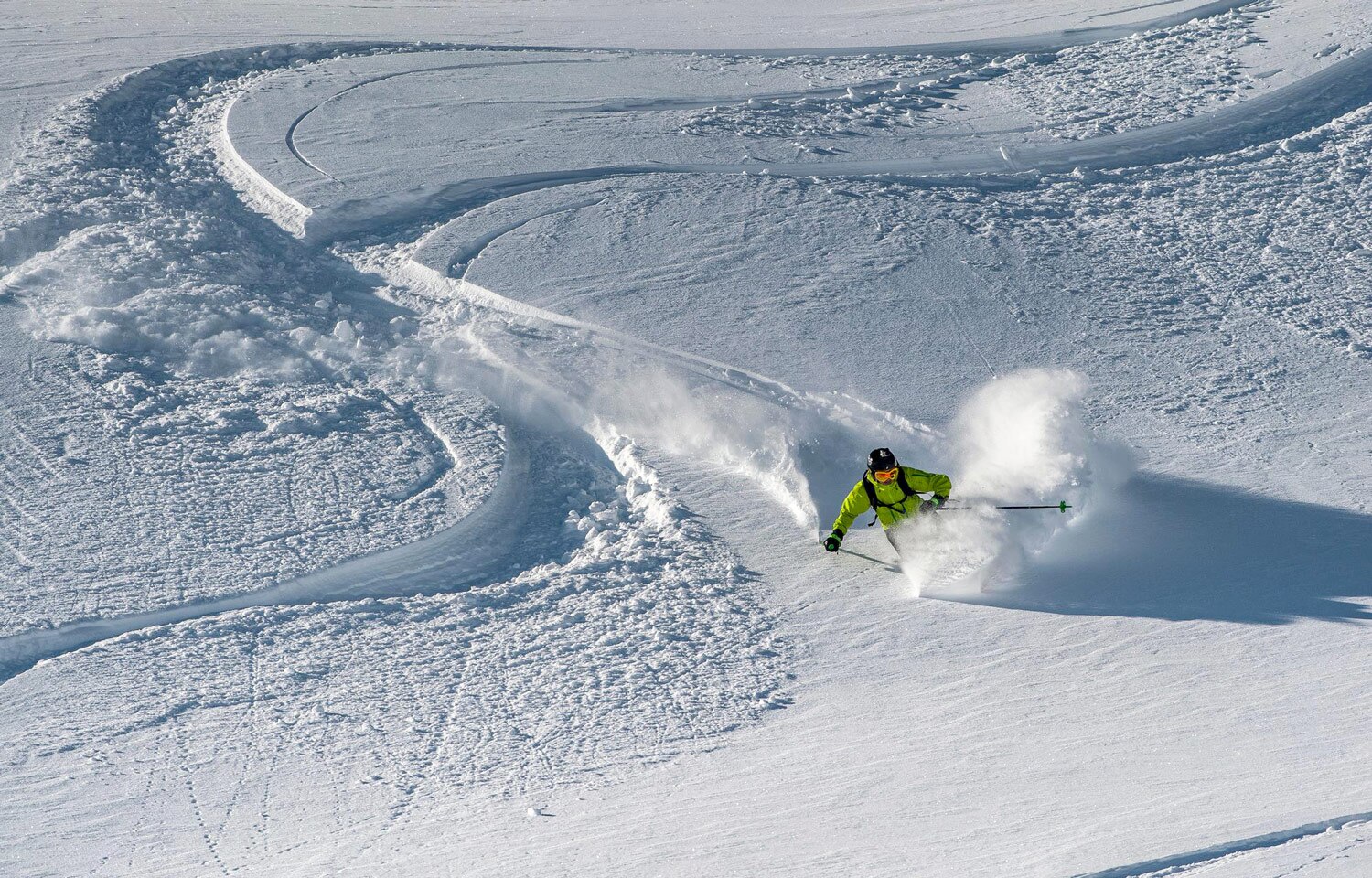
- Backcountry Skiing: Skiing on natural, ungroomed terrain outside resort boundaries.
- Ski Touring: Combines climbing up hills with skiing down, often using special equipment.
Each type requires slightly different gear and skills, but the basics of sliding downhill on skis remain the same.
Essential Equipment For Downhill Skiing
Getting started in downhill skiing means having the right equipment. Here’s what you’ll need:
| Equipment | Main Purpose | Important Features |
|---|---|---|
| Skis | Gliding on snow | Length, width, camber, flex |
| Bindings | Attaching boots to skis | Release mechanism, DIN setting |
| Ski Boots | Support and control | Fit, stiffness, warmth |
| Poles | Balance and turning | Length, grip, basket size |
| Helmet | Head protection | Fit, ventilation, safety rating |
| Goggles | Eye protection | UV protection, anti-fog, fit |
| Outerwear | Warmth and dryness | Waterproof, breathable, insulation |
Non-obvious tip: Many beginners overlook the importance of proper ski socks. Thick, cotton socks can actually make your feet colder. Use thin, moisture-wicking ski socks for best comfort and warmth.
How Downhill Skiing Works
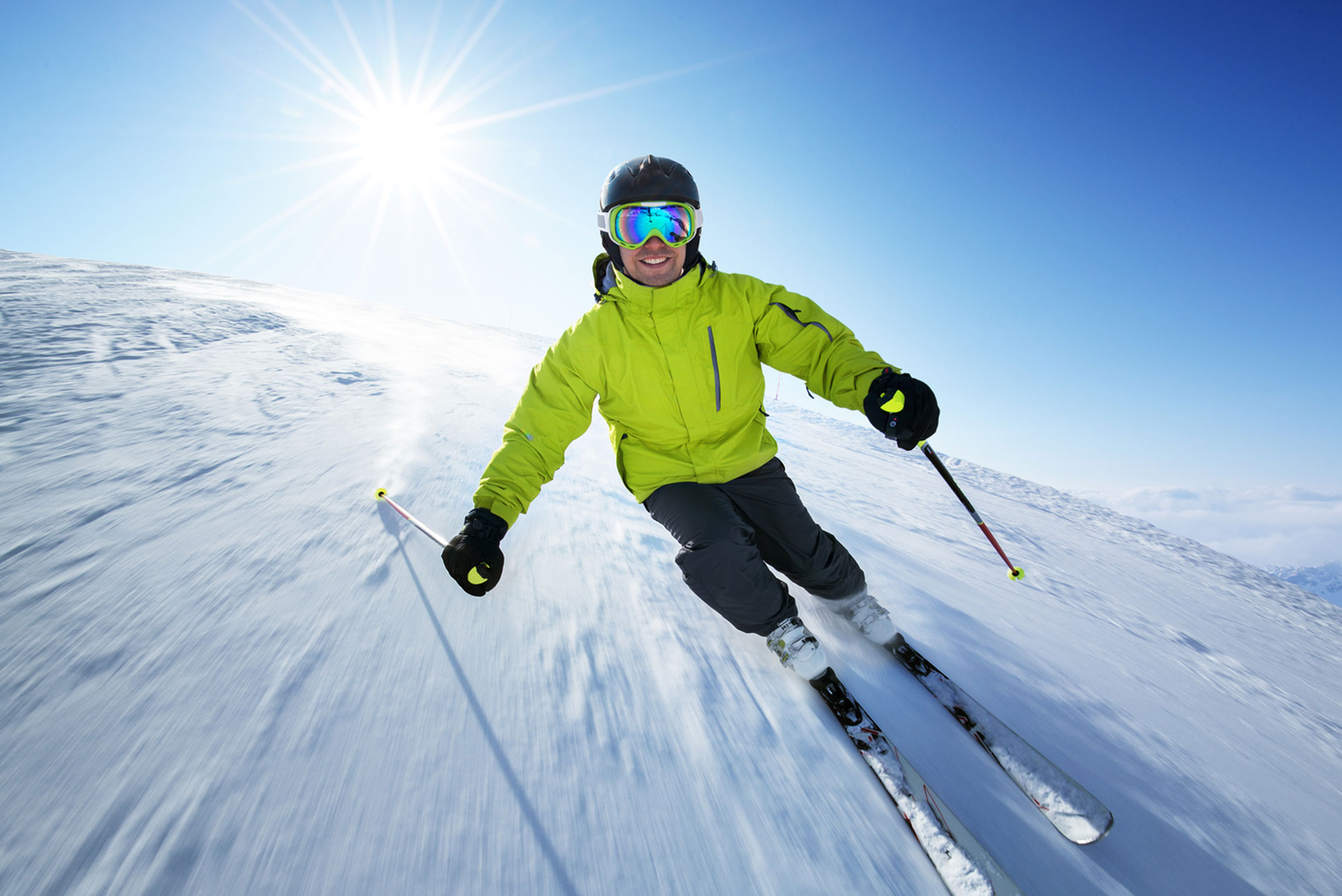
Downhill skiing uses the force of gravity. You start at the top of a hill or mountain, point your skis downhill, and let gravity pull you forward. Your speed and direction are controlled by:
- Turning: Shifting your weight and angling your skis.
- Edging: Digging the ski edges into the snow to grip and carve turns.
- Body position: Keeping a low, balanced stance for stability.
Most ski resorts mark their runs by difficulty:
- Green circle: Easy slopes, gentle and wide.
- Blue square: Intermediate, steeper and more challenging.
- Black diamond: Advanced, steep with obstacles.
How To Make A Basic Turn
Turning is the key skill in downhill skiing. Here’s a simple way to practice a turn:
- Stand with your skis parallel.
- Lean forward slightly, keeping your knees bent.
- To turn left, press more weight on your right ski. To turn right, press more on your left ski.
- Use your poles to help balance.
Many beginners try to turn only with their upper body. Focus on shifting your lower body and feet instead. This gives you better control and uses less energy.

Safety In Downhill Skiing
Downhill skiing is exciting but comes with risks. Most injuries are caused by falls, collisions, or going too fast. Here’s how to stay safe:
- Always wear a helmet. Head injuries are the most serious risk.
- Follow resort rules and posted signs.
- Stay in control. Ski at a speed where you can stop or avoid obstacles.
- Use proper equipment that fits well and is adjusted by a professional.
- Warm up before hitting the slopes to avoid muscle injuries.
- Never ski alone in remote areas. In case of an accident, someone should be able to help.
Non-obvious safety tip: Many accidents happen in the last hour of the day when skiers are tired. Take regular breaks and don’t push yourself too hard late in the day.
The Physical And Mental Benefits Of Downhill Skiing
Downhill skiing is a full-body workout. It strengthens your legs, core, and back, improves balance, and burns a lot of calories. On average, a person weighing 70 kg (about 155 lbs) can burn between 350–600 calories per hour skiing at a moderate pace.
There are also mental benefits. Skiers often report lower stress, better mood, and increased confidence. The combination of fresh air, exercise, and beautiful scenery makes skiing a great way to boost your well-being.
How To Start Downhill Skiing As A Beginner
Starting downhill skiing can seem intimidating, but it’s very achievable with the right steps:
- Take a lesson. Most ski resorts offer group or private lessons for first-timers. Instructors teach you the basics, like stopping and turning, and help you avoid common mistakes.
- Rent equipment. Don’t buy gear until you know you enjoy the sport. Rental shops will fit you with the right size skis, boots, and poles.
- Dress in layers. Weather can change quickly on the mountain. Wear a moisture-wicking base layer, an insulating middle layer, and a waterproof outer layer.
- Start on easy slopes. Look for green circle runs and practice your turns and stops.
- Practice getting up. Falling is normal. Learn how to stand up safely on a slope.
- Watch others. You can learn a lot by observing experienced skiers.
Beginner insight: Many new skiers lean back when they feel scared, but this actually makes it harder to control your skis. Try to keep your weight forward, over the middle of your skis.
Downhill Skiing Vs. Other Types Of Skiing
It’s common to confuse downhill skiing with other forms, especially for beginners. Here’s a quick comparison to help you see the differences:
| Type | Terrain | Bindings | Main Focus |
|---|---|---|---|
| Downhill (Alpine) | Steep, groomed slopes | Fixed-heel | Speed, turning |
| Cross-country | Flat or rolling | Free-heel | Endurance, distance |
| Freestyle | Parks, jumps, features | Fixed-heel | Tricks, jumps |
| Backcountry | Ungroomed, wild | Varies | Adventure, exploration |
Popular Downhill Skiing Destinations
If you want to try downhill skiing, there are famous destinations around the world:
- The Alps (France, Switzerland, Austria, Italy): Known for long runs and beautiful villages.
- Rocky Mountains (USA, Canada): Resorts like Aspen, Vail, and Whistler are world-famous.
- Japan (Hokkaido): Powder snow and unique culture.
- Scandinavia (Norway, Sweden): Great for both beginners and experts.
These areas offer ski schools, rentals, and runs for all skill levels.
Famous Downhill Skiing Competitions
Downhill skiing is also a major competitive sport. The most prestigious events include:
- FIS Alpine World Cup: Yearly circuit of races around the world.
- Winter Olympics: Every four years, includes multiple alpine events.
- Hahnenkamm Race (Austria): One of the toughest and most famous downhill races.
- Lauberhorn (Switzerland): Longest World Cup downhill race.
Top athletes can reach speeds over 130 km/h (80 mph) during professional races.
Environmental Impact And Sustainability
Skiing resorts have an effect on the environment. Building lifts, making artificial snow, and increased tourism can damage forests and wildlife. Many resorts now use renewable energy and adopt eco-friendly practices to reduce their impact.
If you care about the environment, look for resorts with green certifications. Respect the mountain by staying on marked trails and following “leave no trace” principles.
For more information on the environmental impact of skiing, visit the Wikipedia page on Skiing and the Environment.
Tips For Improving Your Downhill Skiing
If you want to get better at downhill skiing, keep these tips in mind:
- Work on your stance: Stay relaxed, knees bent, and weight forward.
- Practice turns: Try different turn shapes—short, quick turns and long, smooth ones.
- Build strength: Strong legs and core muscles help with balance and control.
- Take advanced lessons: Even experienced skiers can learn from a coach.
- Watch videos: Slow-motion videos of expert skiers can show you good technique.
Beginner mistake: Many skiers focus only on turning, but good skiers know that speed control is just as important. Practice both.
Frequently Asked Questions
What Is The Difference Between Downhill Skiing And Snowboarding?
Downhill skiing uses two skis, while snowboarding uses one wide board. Skiers face forward and use poles, while snowboarders stand sideways and use their body to steer. The techniques and equipment are different, but both sports share similar environments and basic safety rules.
Is Downhill Skiing Hard To Learn?
Downhill skiing can be learned by most people with basic fitness. The first day may feel challenging, but with proper lessons and practice, beginners usually learn to turn and stop within a few hours. Progress is faster for those who are patient and take lessons.
What Age Is Best To Start Downhill Skiing?
Children as young as 3 or 4 can start skiing, often with special equipment and child-friendly lessons. There is no upper age limit—many people learn in their 40s, 50s, or even later. The key is to start at your own pace and listen to your body.
How Do I Choose The Right Size Skis?
The correct ski length depends on your height, weight, and skill level. As a rule, beginner skis should reach somewhere between your chin and nose when standing upright. Rental shops and ski technicians can help you find the best fit.
What Should I Do If I Fall While Skiing?
If you fall, try to keep your limbs close to your body and don’t fight the slide. Once you stop, check for injuries. If you’re able, move to the side of the slope to avoid other skiers. Practice standing up by getting your skis across the hill and pushing up with your poles.
Downhill skiing is more than just a sport—it’s a way to enjoy winter, challenge yourself, and experience the beauty of nature. Whether you’re a curious beginner or looking to improve your skills, understanding the essentials of downhill skiing will help you make the most of every trip to the mountains.
So bundle up, grab your gear, and get ready to discover the excitement of sliding down the slopes.
