Planning a ski trip is exciting, but packing can feel overwhelming—especially if you’re new to winter sports. The right gear can make the difference between a fun adventure and a cold, uncomfortable experience. Many first-time skiers forget important items, or overpack things they don’t need.
If you want to stay warm, safe, and ready for anything on the slopes, it’s important to know exactly what to bring and why each item matters. This guide breaks down everything you need for a ski trip, from clothing to small essentials, so you can pack confidently and enjoy the snow.
Today's Exclusive Deals
Limited-time Exclusive Deals. Check current discount on Amazon.
Check Price on Amazon As an Amazon Associate I earn from qualifying purchases.Essential Ski Clothing
Staying warm and dry is the main goal when you’re skiing. Every piece of clothing has a purpose. Here’s what you should pack for your ski trip.
Base Layers
The base layer is the clothing you wear directly against your skin. It helps keep you warm by moving sweat away from your body.
- Choose thermal tops and bottoms made from merino wool or synthetic materials. Cotton is not good because it stays wet and makes you cold.
- Bring at least two sets, so you always have a dry one ready.
Insulation Layer
The mid-layer sits above your base layer and adds warmth.
- A fleece jacket or light down sweater works well.
- If you get cold easily, pack an extra fleece pullover.
Outer Layer
The outer layer protects you from wind, snow, and water.
- Ski jacket: Choose one that’s waterproof and windproof. Look for features like underarm vents and a snow skirt.
- Ski pants or bibs: These should also be waterproof. Adjustable waists and leg zips are helpful for comfort.
Socks
- Bring 2-3 pairs of ski-specific socks. They’re warmer, fit better in ski boots, and help prevent blisters.
- Avoid thick cotton socks. Thin wool or synthetic socks are best.
Gloves Or Mittens
- Waterproof ski gloves are a must. Mittens are warmer for very cold days.
- Pack a thin pair of glove liners for extra warmth or use with touchscreen devices.
Neck Gaiter Or Balaclava
- A neck gaiter or balaclava protects your neck and face from wind and cold.
- These are better than scarves, which can come loose.
Hat Or Beanie
- A warm hat keeps your head comfortable when not wearing a helmet.
- Choose one that covers your ears.
Helmet
- Most ski resorts rent helmets, but bringing your own ensures a perfect fit and better hygiene.
- Helmets are now standard for all ages.
Goggles
- Ski goggles protect your eyes from snow glare and wind.
- Select goggles with interchangeable lenses for different weather conditions.
Sunglasses
- For sunny days off the slopes, polarized sunglasses help reduce glare.
Comparison: Clothing Layer Materials
Here’s how different materials compare for base and mid-layers:
| Material | Warmth | Wicking | Drying Speed | Odor Resistance |
|---|---|---|---|---|
| Merino Wool | High | Good | Medium | Excellent |
| Synthetic (Polyester) | Medium | Excellent | Fast | Fair |
| Cotton | Poor | Poor | Slow | Poor |
Non-obvious insight: Many beginners choose thick layers, but several thin layers keep you warmer and let you adjust to changing weather.
Ski Equipment
If you have your own gear, bring it. Otherwise, most resorts offer rentals. Still, it’s good to know what equipment you’ll need.
Skis, Boots, And Poles
- Skis: Match your skill level. Beginners should use shorter, softer skis.
- Ski boots: Comfort is key. Try on boots with your ski socks to ensure a good fit.
- Poles: Your elbows should make a right angle when holding the poles.
Ski Passes And Lift Tickets
- Pack your ski pass or lift ticket in a waterproof pocket for easy access.
Ski Bag
- A padded ski bag protects your gear during travel. Some bags have wheels for easier transport.
Helmet, Goggles, And Gloves
- If you rent, check the quality of the gear. Sometimes resort gloves aren’t as warm or waterproof as personal ones.
Non-obvious insight: Rental ski boots can be uncomfortable if worn for long periods. Bring thin insoles or your own boots if possible.
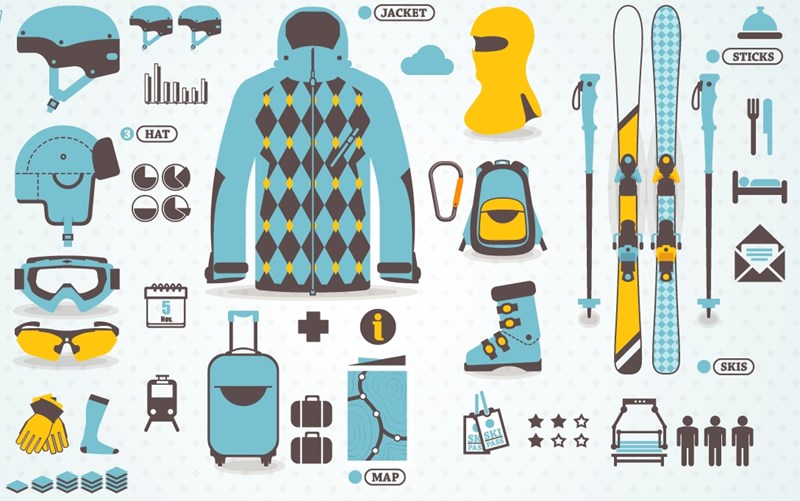
Accessories And Small Essentials
These items might seem small, but forgetting them can ruin your comfort or safety.
Sunscreen And Lip Balm
- Snow reflects sunlight, increasing UV exposure. Pack broad-spectrum sunscreen and lip balm with SPF.
Hand And Toe Warmers
- Disposable heat packs are useful for very cold days. Slip them into gloves or boots.
Backpack Or Daypack
- A small backpack is useful for carrying snacks, water, and extra layers on the mountain.
Water Bottle Or Hydration Pack
- Cold weather can hide dehydration. Use an insulated water bottle to keep drinks from freezing.
Snacks
- High-energy foods like granola bars or trail mix fit easily in pockets.
Phone And Charger
- Cold weather drains batteries quickly. Carry a portable power bank.
Id, Health Insurance Card, And Cash
- Some European resorts require you to show insurance. Bring a small wallet for essentials.
Map Or Resort App
- Download the resort’s map app before you arrive. Cell service can be unreliable on the mountain.
Lock For Skis Or Snowboard
- A small cable lock helps prevent theft when you leave your skis outside lodges.
Après-ski Clothing And Comfort
After skiing, you’ll want warm, comfortable clothes for relaxing or going out.
Casual Wear
- Pack jeans, sweaters, and long-sleeve shirts for evenings.
- Choose layers you can mix and match.
Footwear
- Bring waterproof boots for walking in snow.
- Pack a pair of slippers or thick socks for your hotel room.
Swimwear
- Many ski hotels have hot tubs or pools. Don’t forget a swimsuit.
Sleepwear
- Warm pajamas are important, especially if your room is chilly.
Laundry Bag
- Keep dirty, damp clothes separate from clean ones with a laundry bag.
Toiletries And Personal Care
Cold and altitude can affect your skin and body. Be prepared for changes in climate and routine.
- Moisturizer: Prevents dry skin.
- Travel-size shampoo and conditioner: Most hotels supply only basics.
- Toothbrush and toothpaste
- Deodorant
- Hairbrush or comb
- Personal medications: Bring extra, and keep them in original packaging.
- Contact lenses and solution, if you use them.
- Earplugs: Shared lodges can be noisy.
Pro tip: Pack travel-sized bottles to save space and prevent leaks.
Packing For Families And Kids
Traveling with children means extra planning. Kids get cold faster and may need more changes of clothes.
Extra Layers
- Pack extra base layers and socks for kids.
- Waterproof mittens are better than gloves for small children.
Entertainment
- Bring a few small toys or books for downtime.
Snacks
- Kids often get hungry between meals. Healthy snacks keep their energy up.
Child-safe Sunscreen
- Choose gentle, child-friendly sunscreen and lip balm.
Ski Lessons And Passes
- Check the resort’s requirements for lessons. Some need advance booking.

Electronics And Gadgets
Modern ski trips often include tech for convenience and safety.
- Action camera (like GoPro) for capturing runs.
- GPS watch or fitness tracker to monitor progress.
- Travel adapter for international trips.
- Headphones for travel or relaxing.
Note: Avoid using headphones while skiing for safety.
Important Travel Documents
If you’re skiing abroad, you need more than just your passport.
- Passport and visa (if required)
- Ski insurance: Covers injuries and gear.
- Travel insurance: Protects against lost luggage or delays.
- Resort reservation details
- Flight/train/bus tickets
Keep digital copies on your phone in case you lose paper versions.

Weather And Safety Considerations
Weather on the mountain changes quickly. Prepare for all conditions.
Weather Check
- Before you leave, check the mountain weather forecast. Pack an extra layer if storms are likely.
Avalanche Safety
- If skiing off-piste (outside marked trails), bring avalanche gear: Beacon, probe, and shovel.
- Take a safety course if you plan to ski off-piste.
Emergency Contacts
- Save local emergency numbers in your phone.
- Tell someone your plans each day.
Packing Strategies And Tips
Overpacking weighs you down, but underpacking leaves you cold or uncomfortable. Here’s how to strike the right balance.
Pack By Layer
- Lay out each layer for each ski day, including socks and underwear.
Use Packing Cubes
- Packing cubes keep clothing organized and easy to find.
Roll, Don’t Fold
- Rolling clothes saves space and reduces wrinkles.
Check Airline Rules
- Many airlines charge extra for ski equipment. Check baggage policies before you go.
Leave Some Room
- Leave space for souvenirs or gear you might buy on your trip.
Sample Packing Plan For A 5-day Ski Trip
| Item | Quantity |
|---|---|
| Base layers (top & bottom) | 3-4 sets |
| Mid-layer fleece | 2-3 |
| Ski jacket | 1 |
| Ski pants | 1-2 |
| Ski socks | 3-4 pairs |
| Gloves or mittens | 2 pairs |
| Casual outfits | 3-4 |
| Swimwear | 1 |
| Ski equipment | As needed |
| Toiletries | Travel size |
Common Packing Mistakes To Avoid
- Packing cotton clothes: Cotton stays wet and cold. Stick to wool or synthetics.
- Overpacking bulky layers: Bring several thin layers instead of bulky ones.
- Forgetting sunscreen: Snow glare can cause sunburn, even on cloudy days.
- Ignoring weather forecasts: Check conditions and adjust your list.
- Not testing gear: Try on boots, gloves, and layers before your trip.
Frequently Asked Questions
How Many Layers Should I Wear For Skiing?
Most people need three layers: a base layer (to wick moisture), a mid-layer (for warmth), and an outer layer (for wind and water protection). Adjust for weather and personal comfort.
Can I Wear Normal Socks In Ski Boots?
It’s best to wear ski-specific socks. Normal socks are too thick and can cause blisters. Thin wool or synthetic ski socks keep you warm and fit well in ski boots.
Should I Rent Or Bring My Own Ski Equipment?
If you ski often, bring your own gear for comfort and performance. For beginners or those flying long distances, renting at the resort is convenient. Check the rental quality and fit before hitting the slopes.
Do I Need Special Insurance For A Ski Trip?
Yes, ski insurance is important. It covers injuries, lost gear, and sometimes even rescue costs. Regular travel insurance may not include skiing accidents. Check policy details before you go. For more details, visit the Wikipedia Skiing page.
What Should I Pack For Après-ski?
Pack casual, warm clothing for evenings. Include waterproof boots, a cozy sweater, and a swimsuit if your hotel has a hot tub or pool. Don’t forget comfortable shoes for relaxing.
Packing for a ski trip doesn’t have to be stressful. With the right gear and smart planning, you’ll stay warm, safe, and ready for every adventure the mountain offers. Remember: preparation is key to enjoying the slopes, the scenery, and the memories you’ll make.