
Skiing is more than just a winter sport. It’s a thrilling activity that connects people with snow-covered mountains and lets them glide across the landscape in unique ways. But what exactly is skiing, and how does it actually work? This article will break down the basics, explain the science behind it, and help you understand why so many people love it. Even if you’ve never seen snow in real life, by the end of this guide, you’ll know how skiing works and what makes it so special.
What Is Skiing?
Skiing is a sport and recreational activity where a person moves over snow using skis—long, flat, narrow pieces of material attached to boots. There are many forms, but the main idea is simple: skis help you slide across the snow, using your body and equipment to control your speed and direction.

Today's Exclusive Deals
Limited-time Exclusive Deals. Check current discount on Amazon.
Check Price on Amazon As an Amazon Associate I earn from qualifying purchases.People have been skiing for thousands of years. Early skis were made for travel and hunting in snowy regions, especially in Scandinavia and Asia. Today, skiing is enjoyed around the world, from the Alps in Europe to the Rocky Mountains in North America, and even in places you might not expect, like Japan and New Zealand.
Types Of Skiing
Skiing is not just one activity. There are several main types, each with its own style and equipment.
1. Alpine (downhill) Skiing
This is the most popular form. In alpine skiing, you ride a ski lift up a mountain, then ski down prepared trails called “runs.” The focus is on speed, turning, and control. Special boots attach firmly to the skis for stability.
2. Cross-country Skiing
Instead of going downhill, cross-country skiing happens on flat or gently rolling terrain. You use your own power to move forward, sliding one ski after the other in a straight line. Boots are lighter, and the heel is free to lift, making it easier to walk.
3. Freestyle Skiing
Freestyle skiing adds tricks and jumps. Skiers perform flips, spins, and slides on rails or over jumps, often in special parks. It’s creative and acrobatic, with a focus on style.
4. Backcountry/ski Touring
Backcountry skiing means leaving the marked trails and exploring natural, untouched snow. It’s more challenging and requires special safety equipment, like avalanche beacons and climbing skins for skis.
5. Telemark Skiing
Telemark skiing combines elements of both alpine and cross-country. The heel is free, and you make turns with a special lunging motion, which looks graceful but takes practice.
6. Adaptive Skiing
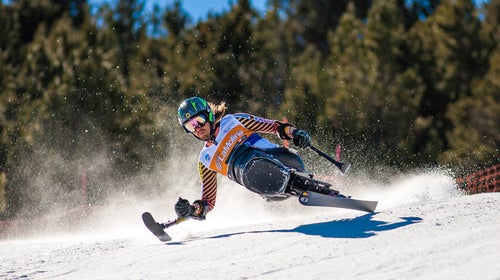
People with disabilities can also ski using special equipment, like sit-skis or outriggers for balance. Resorts around the world have programs to help everyone enjoy the snow.
How Does Skiing Work?
Understanding how skiing works means looking at the equipment, the physics, and the technique.
The Equipment
Skiing requires a few key items:
- Skis: Long, flat boards. Wider skis float better in deep snow; narrower skis turn more easily on hard snow.
- Bindings: Attach your boots to the skis. Alpine bindings lock both toe and heel; cross-country bindings leave the heel free.
- Ski Boots: Rigid boots that provide support and transfer your movements to the skis.
- Poles: Help with balance and pushing forward, especially in cross-country skiing.
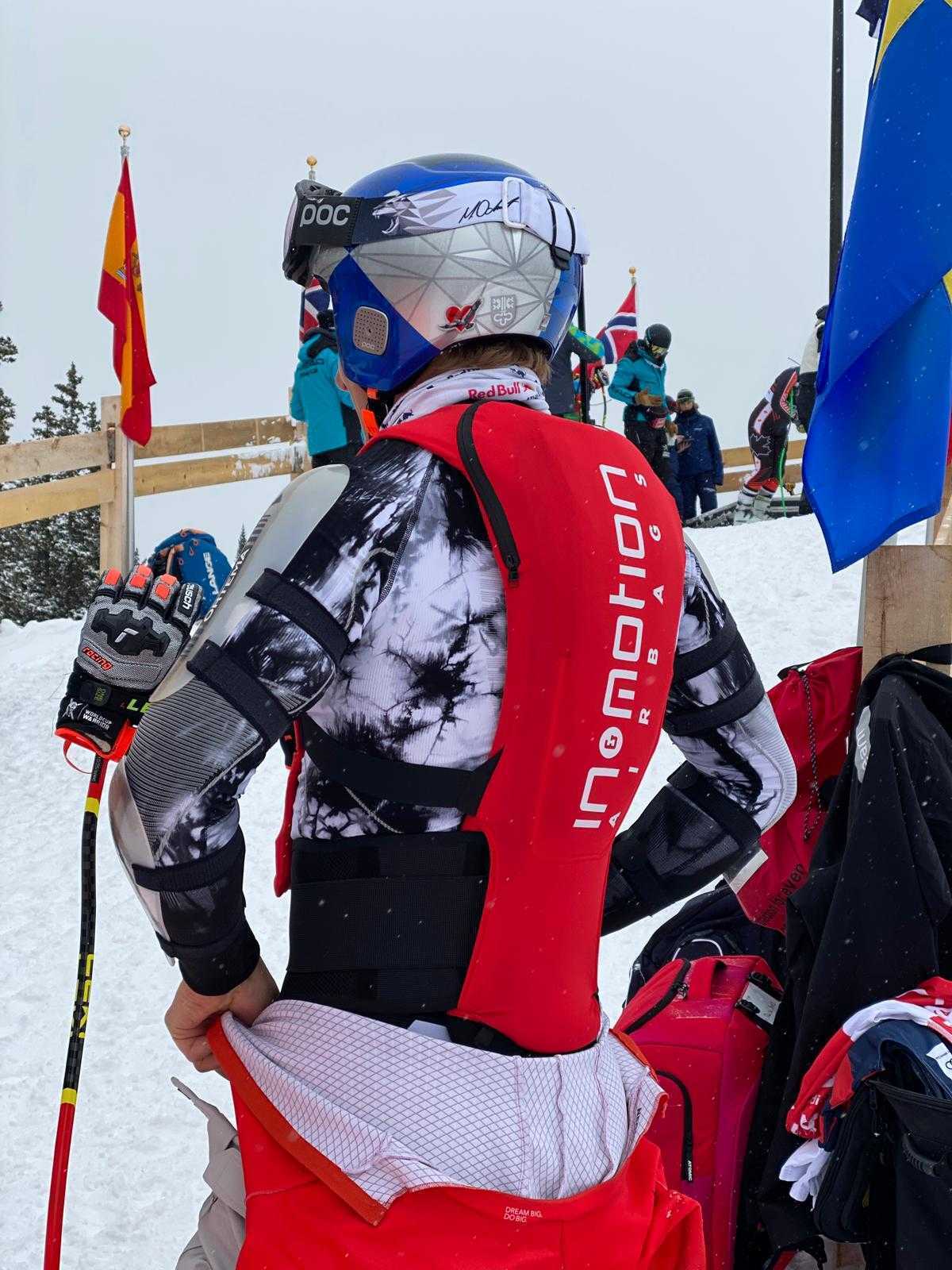
- Clothing: Waterproof jackets, pants, gloves, and goggles protect you from cold and wind.
The Science Behind Skiing
At its core, skiing is about sliding. Here’s how it works:
- Friction: The bottom of the ski is smooth and treated with special wax, reducing friction so you can glide.
- Gravity: When you’re on a slope, gravity pulls you downhill. The steeper the hill, the faster you go.
- Edge Control: Skis have metal edges. By tilting your feet, you press the edge into the snow, helping you turn or slow down.
- Balance and Weight Shift: Turning and stopping depend on shifting your weight and using your body’s position.
Basic Movements
- Gliding: Stand with skis parallel, bend your knees, and let yourself slide.
- Turning: Push on the inside edge of one ski and shift your body. The skis curve, guiding you in a new direction.
- Stopping: The snowplow (pointing ski tips together) is the beginner’s way to slow down. Advanced skiers use sharp turns and edges.
The Learning Process
Learning to ski can feel strange at first. You’re standing on slippery surfaces and must use your whole body for balance. Most beginners start on gentle “bunny slopes” with short lessons.
What Makes Skiing Challenging?
- Coordination: You need to control both legs separately.
- Balance: The slippery snow demands good posture and quick reactions.
- Fear of Falling: It’s normal to fall when learning. Proper clothing and safe slopes make this less scary.
Progression
- Beginners focus on gliding, stopping, and turning.
- Intermediate skiers learn to link turns and ski on steeper slopes.
- Advanced skiers master quick turns, jumps, and difficult terrain.
Essential Skills For Skiers
Mastering skiing takes time, but some skills are key for everyone:
- Reading Terrain: Knowing how to spot ice, powder, or bumps.
- Controlling Speed: Using turns and body position to stay safe.
- Staying Relaxed: Tension causes mistakes; loose muscles react better.
- Getting Up After a Fall: Learning the right way to stand up prevents injuries.
Skiing Safety
Skiing is exciting, but it’s not risk-free. Each year, thousands of injuries happen, mostly from falls or collisions.
How To Stay Safe
- Wear a Helmet: Protects against head injuries.
- Check Equipment: Poorly fitted boots or broken bindings cause accidents.
- Know Your Limits: Only ski on trails that match your ability.
- Warm Up: Stretch before skiing to avoid muscle strains.
- Follow Trail Signs: Trails are marked by difficulty—green (easy), blue (intermediate), black (advanced).
Common Mistakes
- Skiing too fast for your skill level
- Ignoring weather or snow conditions
- Not paying attention to others on the slope
The Experience: Why People Love Skiing
Many people are hooked after their first run. Here’s why:
- Sense of Freedom: You can move quickly and smoothly across beautiful landscapes.
- Physical Workout: Skiing builds strength, balance, and stamina.
- Social Activity: Skiing with friends or family creates great memories.
- Connection with Nature: Few sports let you enjoy mountain views and fresh air like skiing.
Differences Between Types Of Skiing
It’s easy to get confused by the equipment and techniques. This comparison shows how alpine and cross-country skiing differ:
| Feature | Alpine Skiing | Cross-Country Skiing |
|---|---|---|
| Terrain | Steep, downhill slopes | Flat or gentle terrain |
| Bindings | Heel locked | Heel free |
| Boots | Stiff, supportive | Light, flexible |
| Speed | High | Moderate |
| Main Skill | Turning, stopping | Endurance, gliding |
Skiing Around The World
Skiing happens in many countries, but the experience can be very different. Here’s a look at some famous ski destinations:
| Region | Popular Resorts | Unique Features |
|---|---|---|
| Europe (Alps) | Chamonix, St. Anton, Zermatt | High mountains, long runs, après-ski culture |
| North America | Aspen, Whistler, Vail | Wide slopes, modern lifts, tree skiing |
| Asia (Japan) | Niseko, Hakuba | Deep powder, hot springs, unique food |
| Oceania | Queenstown, Thredbo | Skiing in the Southern Hemisphere |
Environmental Impact Of Skiing
Skiing brings joy but also affects nature. Building resorts can harm forests and wildlife. Snowmaking uses water and energy. Many resorts now focus on sustainable tourism—using renewable energy, protecting habitats, and encouraging responsible skiing. As a skier, you can help by staying on marked trails and respecting the environment.
Non-obvious Insights For Beginners
While the basics are easy to find, here are things many new skiers don’t realize:
1. Proper Ski Fit Matters More Than Length
A ski that matches your weight, ability, and style is safer and more fun than just picking by height. Rental shops can help you get the right setup.
2. Snow Conditions Change Everything
Hard, icy snow requires sharper edges and different technique than soft, powdery snow. Check conditions and adjust your approach.
3. Warmth Comes From Layers, Not Just Thick Clothes
Use several light layers. This traps warm air, keeps you dry, and lets you adjust for changing weather.
How To Start Skiing
If you want to try skiing, here’s a step-by-step plan:
- Find a Beginner-Friendly Resort: Look for gentle slopes and good instructors.
- Rent Equipment: Most resorts offer rental packages. Don’t buy expensive gear at first.
- Take a Lesson: Even one hour with a certified instructor makes a big difference.
- Dress Right: Wear waterproof clothes, gloves, and goggles.
- Start Slow: Don’t rush to the top. Practice gliding and stopping on flat areas.
- Listen to Your Body: Take breaks when you’re tired.
The Role Of Skiing In Culture And Sports
Skiing is more than recreation. It’s a big part of winter sports, with events like the Winter Olympics featuring alpine, cross-country, and freestyle skiing. Ski festivals bring communities together, and for some countries, skiing is part of their identity.
Modern Developments In Skiing
Technology has changed skiing a lot:
- Safer Bindings: Modern bindings release during a fall to prevent injuries.
- Better Clothing: Today’s jackets and pants are lighter, warmer, and waterproof.
- Snowmaking Machines: Resorts can make snow, so skiing is possible even in low-snow winters.
- Apps and GPS: Skiers can track their runs, speed, and location for safety and fun.
If you want to learn more about skiing history or technology, you can check out this Wikipedia article on skiing.

Frequently Asked Questions
What Age Is Best To Start Skiing?
Children as young as 3 or 4 can begin with basic lessons. There’s no upper age limit—adults can start anytime. The key is to learn at your own pace and choose beginner-friendly terrain.
Is Skiing Dangerous For Beginners?
With proper instruction, equipment, and safety gear like helmets, skiing is reasonably safe. Most injuries are minor, like bruises or sprains. Following the rules and knowing your limits keeps you safe.
Do You Need To Be Very Fit To Ski?
Basic fitness helps, but you don’t need to be an athlete. Skiing improves your muscles and balance over time. Warming up and taking breaks prevent fatigue.
How Is Skiing Different From Snowboarding?
Skiing uses two skis and poles, facing forward. Snowboarding uses one board, and you stand sideways. Techniques and equipment are different, but both are fun winter sports.
Can You Ski Without Snow?
On real snow, yes. But there are alternatives, like dry slopes made of plastic, or indoor ski centers with artificial snow, found in some cities.
—
Skiing is a sport, a passion, and a way to enjoy the winter world. Whether you want adventure, exercise, or a new skill, skiing offers something for everyone. With the right knowledge and attitude, anyone can learn to ski and discover the thrill of gliding over snow.

