Are you wondering if using a treadmill is safe during pregnancy? You’re not alone.
Exclusive Deals
Limited-time Exclusive Deals. Check current discount on Amazon.
Check Price on Amazon As an Amazon Associate I earn from qualifying purchases.Many expectant moms want to stay active but worry about what’s best for their baby and themselves. This article will help you understand how treadmill workouts can fit into your pregnancy routine safely. By the end, you’ll feel more confident about making the right choices for your health and your baby’s well-being.
Keep reading to discover the facts you need before stepping onto that treadmill.
Benefits Of Treadmill Exercise During Pregnancy
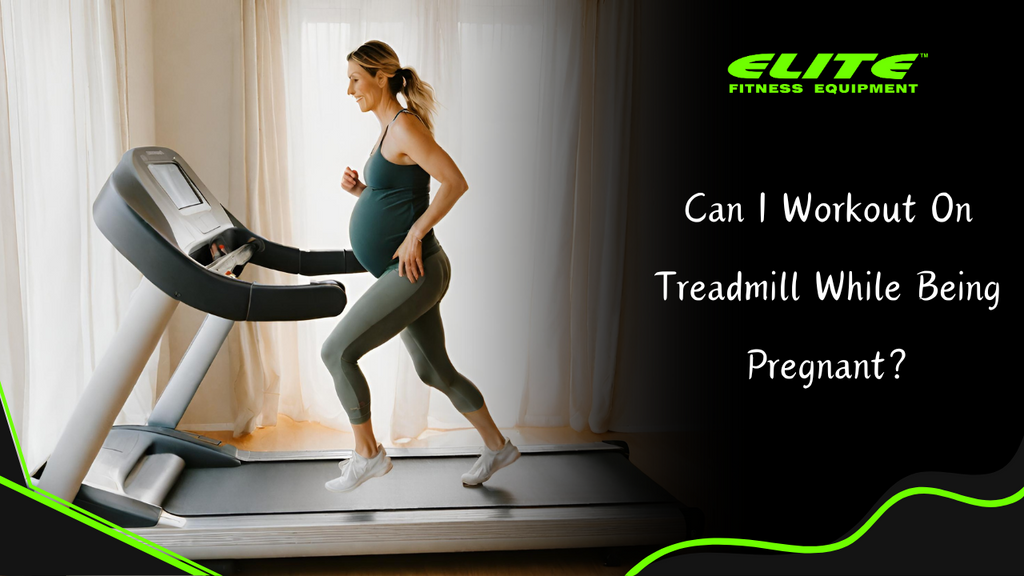
Exercising on a treadmill during pregnancy offers many health benefits. It is a safe way to stay active and keep your body strong. Walking or light jogging on a treadmill can help support your changing body. It also prepares you for labor and recovery.
Exclusive Deals
Limited-time Exclusive Deals. Check current discount on Amazon.
Check Price on Amazon As an Amazon Associate I earn from qualifying purchases.Pregnant women who exercise regularly often feel better both physically and mentally. Treadmill workouts can fit easily into daily routines. They provide controlled conditions that reduce the risk of falls or injuries. Here are some key benefits of treadmill exercise during pregnancy.
Improved Cardiovascular Health
Walking or jogging on a treadmill strengthens the heart. It helps improve blood circulation for both mother and baby. Better circulation means more oxygen and nutrients reach the baby. A stronger heart also reduces pregnancy-related fatigue and swelling. Regular treadmill use supports a healthy heart rate and blood pressure.
Enhanced Mood And Energy
Treadmill exercise releases endorphins, the body’s natural mood boosters. This helps reduce stress and anxiety common during pregnancy. Many women feel more energetic after a treadmill session. Exercise also improves sleep quality, which boosts daytime energy. Staying active on a treadmill can lift your spirits and calm your mind.
Exclusive Deals
Limited-time Exclusive Deals. Check current discount on Amazon.
Check Price on Amazon As an Amazon Associate I earn from qualifying purchases.Controlled Weight Gain
Pregnancy naturally causes weight gain, but treadmill workouts help control it. Walking burns calories without straining joints or muscles. Controlled weight gain reduces the risk of gestational diabetes and high blood pressure. It also supports easier labor and faster postpartum recovery. Using a treadmill regularly helps keep pregnancy weight within healthy limits.
Safety Precautions For Expecting Moms
Exercising on a treadmill during pregnancy can be helpful. Safety is the top priority for expecting moms. Taking the right precautions keeps both mom and baby safe. Simple rules make treadmill workouts safer and more comfortable.
Consulting Healthcare Providers
Start by talking to your doctor before using a treadmill. Your healthcare provider knows your health history and pregnancy status. They can advise if treadmill exercise is safe for you. Getting approval reduces risks and gives you confidence.
Monitoring Heart Rate And Intensity
Keep your heart rate at a moderate level while exercising. Avoid pushing yourself too hard or feeling out of breath. Use a heart rate monitor to track your pulse. Stop if you feel dizzy, tired, or have any pain.
Choosing The Right Treadmill Settings
Select a slow to moderate walking speed on the treadmill. Avoid running or fast jogging to lower injury risks. Use the treadmill’s safety features like handrails and emergency stop. Always warm up and cool down to protect your body.
Recommended Workout Duration And Frequency
Pregnant women can benefit from treadmill workouts by following the right duration and frequency. Exercising safely helps maintain health and energy. It is important to listen to the body and adjust the workout accordingly. Here are key points about how long and often to use the treadmill during pregnancy.
Starting Slow And Gradual Progression
Begin treadmill workouts at a slow pace. Walking for a few minutes is enough on the first day. Gradually increase speed and time as comfort grows. Avoid sudden changes to prevent strain or injury. Pay attention to any discomfort and stop if needed.
Ideal Session Length
Sessions should last between 15 to 30 minutes. Shorter workouts are better at the start of pregnancy. As strength improves, aim for longer sessions but not over 30 minutes. Keep the intensity moderate, enough to raise the heart rate slightly.
Frequency Per Week
Exercise three to five times weekly for best results. Rest days allow the body to recover and avoid fatigue. Consistent workouts help build stamina and support pregnancy health. Avoid exercising every day to prevent overexertion.
Posture And Technique On The Treadmill
Proper posture and technique are very important for pregnant women using a treadmill. They help keep both mom and baby safe. Good form also reduces the risk of injury and makes walking or jogging more comfortable. Staying mindful of body position supports balance and eases pressure on joints.
Maintaining Proper Alignment
Stand tall with your head up and eyes forward. Keep your shoulders relaxed, not hunched. Your back should be straight, not leaning forward or backward. Align your hips over your feet to maintain balance. This posture helps your body work efficiently and safely during exercise.
Avoiding Overstriding
Take shorter steps to avoid stretching your legs too far. Overstriding can cause extra strain on your muscles and joints. Focus on landing your feet gently under your body. Short steps reduce stress and help keep your pace steady. This technique feels natural and protects your body.
Using Handrails Safely
Use handrails only for balance, not for support. Gripping tightly can affect your posture and cause strain. Lightly touch the rails if you feel unsteady. This approach helps you stay safe without changing your natural movement. Let your legs do most of the work while walking or jogging.
Signs To Stop Exercising Immediately
Pregnant women should watch their bodies carefully during treadmill exercise. Some signs mean it is time to stop right away. Ignoring these signs can be risky for both mother and baby. Knowing what to watch for helps keep exercise safe.
Dizziness And Shortness Of Breath
Dizziness can make you lose balance and fall. Shortness of breath is a sign your body is struggling. Stop exercising immediately if you feel faint or cannot breathe well. Sit down and rest until the feeling passes.
Unusual Pain Or Discomfort
Sharp or sudden pain is a warning sign. Any discomfort in your belly, chest, or joints should not be ignored. Stop the treadmill if you feel cramps or strong aches. Listen to your body and avoid pushing through pain.
Bleeding Or Fluid Leakage
Bleeding during exercise is serious. Fluid leaking from the vagina can mean water broke early. Stop exercising and contact your doctor right away. These signs require immediate medical attention for safety.
Alternatives To Treadmill Workouts
Many pregnant women seek safe and gentle ways to stay active. Treadmills may not suit everyone during pregnancy. Luckily, several alternatives provide good exercise without strain. These options help maintain fitness and support overall health for both mother and baby.
Walking Outdoors
Walking outside offers fresh air and natural scenery. It is low-impact and easy to adjust pace. Soft surfaces like grass reduce joint stress. Walking boosts circulation and improves mood. It also helps control weight gain during pregnancy.
Prenatal Yoga
Prenatal yoga focuses on gentle stretches and breathing. It enhances flexibility and strengthens muscles. Yoga helps reduce stress and improves sleep quality. Classes are designed to be safe for pregnant women. Always choose sessions led by experienced instructors.
Swimming And Water Exercises
Water supports body weight, easing pressure on joints. Swimming tones muscles and increases heart health. Water exercises reduce swelling and improve circulation. The cool water feels refreshing and soothing. Many find swimming a comfortable way to stay active while pregnant.
Frequently Asked Questions
Can Pregnant Women Safely Use A Treadmill?
Yes, pregnant women can use a treadmill safely with doctor approval. It’s important to start slow and avoid high intensity.
What Precautions Should Pregnant Women Take On A Treadmill?
Pregnant women should use handrails, avoid overheating, stay hydrated, and stop if they feel dizzy or tired.
How Long Can A Pregnant Woman Walk On A Treadmill?
Walking 20 to 30 minutes daily on a treadmill is safe for most pregnant women with medical clearance.
Is Treadmill Walking Better Than Other Exercises During Pregnancy?
Treadmill walking is low-impact and controlled, making it safer and easier to monitor than some other exercises.
Conclusion
Pregnant women can often use treadmills safely with care. Always consult a doctor before starting any exercise. Keep the speed slow and avoid steep inclines. Watch for signs like dizziness or pain and stop immediately. Walking on a treadmill helps maintain fitness and boosts mood.
It also supports healthy weight and improves circulation. Stay hydrated and wear comfortable shoes during workouts. Remember, every pregnancy is different, so listen to your body. Regular, gentle exercise can benefit both mother and baby. Safe treadmill use promotes a healthier pregnancy experience overall.