
Are you thinking about adding a power rack to your home gym but unsure if your space and floor can handle its weight? Knowing how much power racks weigh is crucial before making a purchase.
Exclusive Deals
Limited-time Exclusive Deals. Check current discount on Amazon.
Check Price on Amazon As an Amazon Associate I earn from qualifying purchases.Whether you want to protect your floors, plan the setup, or figure out if you can move it on your own, this information will save you time and hassle. You’ll discover the typical weights of power racks and what factors influence their heaviness.
Keep reading to make an informed choice that fits your workout needs and space perfectly.
Factors Affecting Power Rack Weight
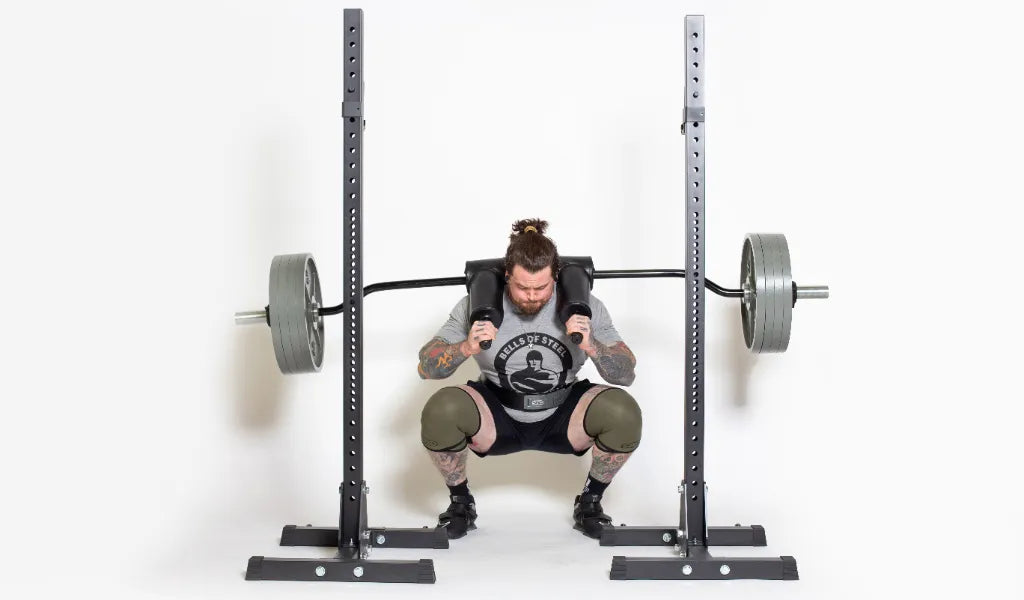
The weight of a power rack depends on several key factors. These affect how heavy or light the rack feels and how easy it is to move. Understanding these factors helps you choose the right power rack for your space and workout needs.
Exclusive Deals
Limited-time Exclusive Deals. Check current discount on Amazon.
Check Price on Amazon As an Amazon Associate I earn from qualifying purchases.Material Types
Power racks are made from different materials. Steel is the most common and makes racks heavier and stronger. Some racks use lighter metals or alloys to reduce weight. The thickness of the material also changes the rack’s weight. Thicker steel means a heavier rack but better durability.
Size And Dimensions
Large power racks weigh more than small ones. Taller racks need more metal to support extra height. Wider racks have bigger frames and add weight. The depth of the rack also changes how much material is used. Bigger racks provide more space but add extra pounds.
Additional Features
Extra parts add weight to a power rack. Weight plate holders, pull-up bars, and dip stations increase total weight. Some racks include storage shelves or cable systems, adding more pounds. Each feature adds metal or attachments that boost the overall heaviness of the rack.
Exclusive Deals
Limited-time Exclusive Deals. Check current discount on Amazon.
Check Price on Amazon As an Amazon Associate I earn from qualifying purchases.Common Weight Ranges For Power Racks
Power racks come in various weights. Knowing their weight helps choose the right one for your space and workouts. The weight depends on the materials and design. Below are common weight ranges for power racks.
Lightweight Racks
Lightweight racks usually weigh between 100 and 150 pounds. They are easy to move and fit in small spaces. These racks suit beginners or those with limited space. They often use thinner steel, making them less bulky. Not ideal for heavy lifting but good for basic exercises.
Mid-weight Racks
Mid-weight racks weigh from 150 to 250 pounds. They offer better stability and durability. These racks work well for most home gyms. They can handle heavier weights and more intense workouts. Made with thicker steel, they last longer and feel sturdier.
Heavy-duty Racks
Heavy-duty racks weigh over 250 pounds. These are built for serious lifting and commercial gyms. They offer maximum stability and safety. Made from thick steel with strong welds and reinforcements. Ideal for athletes who lift very heavy weights regularly.
Impact Of Weight On Stability And Safety
The weight of a power rack plays a big role in its stability and safety. A heavier rack usually stays firm during workouts. Stability means the rack won’t wobble or move while lifting heavy weights. This reduces risks of accidents and injuries. Safety depends on how well the rack handles pressure without tipping or shaking. Understanding weight impact helps choose the right rack for safe exercise.
Base Support And Design
The base of a power rack must support its weight and the lifter’s force. A wide, strong base prevents tipping. Designs with extra support bars add balance. Heavy racks often have thicker steel in their base. This keeps the rack steady on different floors. A solid design spreads weight evenly. This stops the rack from rocking during use.
Weight Capacity Correlation
Power racks with higher weight often hold more load safely. The rack’s weight links to how much it can carry. Heavier racks use stronger materials. This increases their weight capacity. A light rack may bend or break under heavy loads. Choosing a rack with the right weight capacity avoids accidents. It ensures safe lifting and long rack life.
Choosing The Right Weight For Your Needs
Choosing the right weight for a power rack is important for safety and performance. The weight affects stability and how much load the rack can handle. Selecting the correct weight depends on your workout needs and space.
A heavier rack offers more stability but takes up more room. A lighter rack is easier to move but may not hold as much weight. Knowing your workout style and space helps make the best choice.
Home Gym Considerations
For home gyms, space is often limited. A power rack that weighs between 150 to 250 pounds is usually enough. This weight range provides stability for most exercises and fits well in small rooms.
Choose a rack with a solid frame and wide base. Look for racks that can hold at least 300 to 500 pounds. This covers most home lifting needs. Think about your ceiling height and floor type too.
Commercial Gym Requirements
Commercial gyms need power racks that handle heavy use. Racks often weigh 300 pounds or more. This weight ensures high stability and durability for many users daily.
These racks can support over 1,000 pounds safely. They have strong steel frames and reinforced joints. The weight helps prevent movement during intense workouts. Commercial racks also have larger footprints for safety.
Tips For Moving And Installing Power Racks
Moving and installing a power rack requires careful planning and the right tools. Power racks are heavy and large, so preparation is key. Proper setup ensures safety and long-lasting use. Follow these tips for smooth moving and installation.
Tools And Equipment Needed
Gather essential tools before starting the move. A socket wrench set helps with assembly and disassembly. A tape measure checks space and rack dimensions. Use furniture sliders or moving blankets to protect floors. A dolly or hand truck eases moving heavy parts. Gloves improve grip and protect your hands. Have a level handy to ensure the rack is even. Prepare all tools to avoid delays during installation.
Safety Precautions
Wear sturdy shoes and gloves to protect yourself. Clear the path of obstacles to prevent tripping. Lift heavy parts with a partner to avoid injury. Use proper lifting techniques—bend your knees, not your back. Secure the rack firmly to the floor for stability. Double-check all bolts and screws after assembly. Keep children and pets away during the move. Take breaks if you feel tired to stay alert.
Frequently Asked Questions
How Much Does A Standard Power Rack Weigh?
A standard power rack typically weighs between 150 to 250 pounds. The exact weight depends on the materials and design. Heavier racks offer more stability for intense workouts. Always check the product specifications before purchasing.
What Factors Affect Power Rack Weight?
Power rack weight varies due to steel thickness, size, and additional features. Thicker steel and larger frames increase weight. Extra attachments like pull-up bars also add weight. These factors influence durability and stability during exercises.
Are Heavier Power Racks Better For Safety?
Yes, heavier power racks provide better stability and safety. They resist tipping and movement during heavy lifts. This reduces injury risks and allows confident workout sessions. Weight is an important consideration for serious lifters.
Can Power Racks Be Moved Easily Despite Their Weight?
Most power racks are heavy but can be moved with effort. Some models include wheels or casters to aid mobility. Disassembling may be necessary for transport. Always use proper lifting techniques to avoid injury.
Conclusion
Power racks come in different weights depending on size and material. Most weigh between 150 and 300 pounds. Heavier racks offer more stability during workouts. Lighter racks can be easier to move but may feel less solid. Choose a rack weight that fits your space and workout needs.
Remember, the right weight helps keep you safe and steady while exercising. Think about your goals and room before buying. This way, you get the best fit for your fitness routine.