
If you want to get a full-body workout that’s easy on your joints and burns serious calories, a rowing machine might be just what you need. But if you’ve never used one before, it can feel confusing or even intimidating.
Don’t worry—this guide will show you exactly how to use a rowing machine the right way. By the time you finish reading, you’ll know the simple steps to get the most out of your workout, avoid common mistakes, and start rowing with confidence.

Today's Exclusive Deals
Limited-time Exclusive Deals. Check current discount on Amazon.
Check Price on Amazon As an Amazon Associate I earn from qualifying purchases.Ready to transform your fitness routine? Let’s dive in!

Choosing The Right Rowing Machine
Choosing the right rowing machine is important for a good workout experience. The right machine fits your needs and space. It also matches your budget. This guide helps you pick the best rowing machine for your home or gym.
Types Of Rowing Machines
There are four main types of rowing machines. Air rowers use a flywheel that spins with air resistance. Water rowers have a tank of water for smooth resistance. Magnetic rowers use magnets for quiet and steady resistance. Hydraulic rowers use pistons and are usually smaller and cheaper.
Each type feels different. Choose one that matches your workout style and noise preference.
Key Features To Consider
Look for a comfortable seat and handle. The machine should have adjustable resistance levels. A clear display that shows time, distance, and calories helps track progress. Check the length of the rail to fit your leg length. Folding designs save space when not in use. Stability is important for safe rowing.
Budget And Space Requirements
Rowing machines vary in price. Set a budget before buying. Higher price often means better build and features. Consider the space where you will place the machine. Measure the area to ensure a good fit. Folding machines work well for small spaces. Don’t forget to leave room to row comfortably.
Setting Up Your Rowing Machine
Setting up your rowing machine correctly is the first step to a safe and effective workout. Proper setup ensures comfort and helps avoid injury. It also lets you get the most from each rowing session. Take your time to prepare the machine before starting your exercise.
Proper Assembly Tips
Begin by reading the manual carefully. Lay out all parts and tools. Follow each step in order to avoid mistakes. Tighten bolts firmly, but do not overtighten. Check that the frame is stable on the floor. Make sure the seat slides smoothly on the rails. Test the handle and chain for smooth movement.
Adjusting Foot Straps And Seat
Place your feet on the footrests comfortably. Adjust the straps to hold your feet firmly. Straps should not be too tight or loose. The seat should glide easily without wobbling. Sit upright with knees slightly bent. Proper foot and seat adjustment improves rowing form and power.
Calibrating Resistance Levels
Start with the lowest resistance to warm up. Increase resistance as your strength improves. Use the machine’s dial or digital controls to adjust. Resistance should feel challenging but not painful. Correct resistance helps build endurance and muscle safely.
Mastering Rowing Technique
Using a rowing machine well means learning the right technique. Good technique helps you row more efficiently. It also lowers the risk of injury. Focus on each part of the stroke. Practice posture and breathing for better results.
The Four Phases Of A Stroke
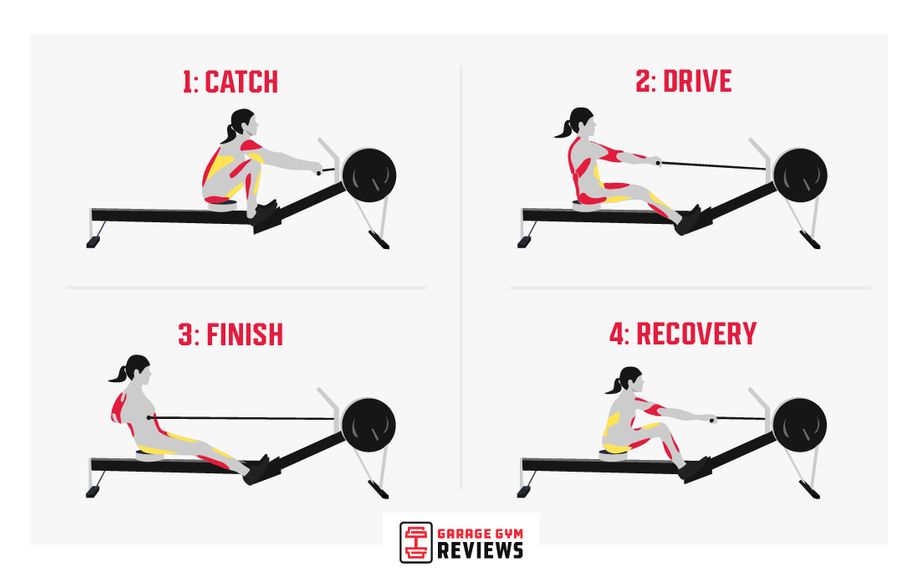
The rowing stroke has four clear phases: catch, drive, finish, and recovery. The catch is when you bend your knees and lean forward. The drive is the strong push with your legs. Next, the finish is when you pull the handle to your chest. Finally, the recovery is when you slide back to the start. Each phase works together for smooth rowing.
Common Mistakes To Avoid
Many people row with poor form. Avoid hunching your back during the stroke. Do not pull only with your arms. This wastes energy and can hurt you. Avoid leaning too far back at the finish. Keep your movements steady and controlled. Fixing these mistakes improves your workout.
Breathing And Posture Tips
Breathe evenly through the stroke. Inhale during recovery and exhale during the drive. Keep your back straight and shoulders relaxed. Your core should stay tight but not stiff. Good posture supports your body and helps you row longer. Small posture changes make a big difference.
Designing Effective Rowing Workouts
Designing effective rowing workouts helps improve fitness and keeps exercise interesting. It balances effort and rest, targeting different muscles and energy systems. A well-planned workout boosts stamina, strength, and recovery. Focus on warm-ups, intervals, and endurance for best results.
Warm-up And Cool-down Routines
Start with a gentle warm-up to prepare your body. Row slowly for 5 to 10 minutes. This raises your heart rate and loosens muscles. After the workout, cool down by rowing at a low intensity. Stretch key muscles like legs, back, and arms. This reduces soreness and helps recovery.
Interval Training On The Rower
Interval training mixes hard effort with rest periods. Row fast for 30 seconds, then slow for 1 minute. Repeat for 10 to 15 rounds. This method improves speed and cardiovascular fitness. Adjust intervals based on your level. Beginners can start with shorter sprints and longer rest.
Endurance And Strength Sessions
Endurance sessions involve rowing at a steady pace for 20 to 40 minutes. Keep your stroke rate moderate and consistent. This builds stamina and burns fat. Strength sessions focus on power. Row with higher resistance and slower strokes. Short bursts of strong pulls help build muscles.
Tracking Progress And Staying Motivated
Tracking your progress on a rowing machine helps keep motivation high. It shows how far you have come and what to improve. Seeing numbers change can inspire you to row more and stay committed. Regular tracking turns workouts into clear steps towards fitness goals.
Using Metrics And Monitors
Rowing machines often have screens that show key numbers. These include time, distance, strokes per minute, and calories burned. Watch these metrics during your workout to see your effort. Use the data after each session to notice patterns. This helps identify strengths and areas to work on.
Some machines connect to apps for detailed tracking. Apps can save your workout history and show progress charts. This visual feedback makes it easier to stay on track and adjust workouts.
Setting Realistic Goals
Set small, clear goals that fit your current fitness level. For example, aim to row for 10 minutes or cover 1,000 meters. Increase your goals slowly as your strength and stamina improve. Realistic goals prevent frustration and keep you motivated.
Write your goals down and check them often. Celebrate each achievement, no matter how small. This builds confidence and encourages you to keep going.
Incorporating Rowing Into Your Fitness Plan
Make rowing a regular part of your workout routine. Mix rowing sessions with other exercises like walking or strength training. This variety keeps workouts interesting and balanced.
Plan your rowing days in advance. Treat them like important appointments. Consistency is key to seeing progress and staying motivated over time.
Rowing Machine Safety Tips
Using a rowing machine is a great way to improve fitness. Safety should be a top priority. Following safety tips helps avoid injuries and makes workouts more effective. Here are important tips to keep in mind while rowing.
Preventing Injuries
Maintain good posture during rowing. Keep your back straight and core tight. Avoid slouching or leaning too far forward. Use smooth, controlled movements instead of jerky motions. Adjust the foot straps to hold your feet firmly. Stop immediately if you feel pain or discomfort.
Proper Warm-up And Stretching
Start with light rowing for five minutes to warm up muscles. Stretch your legs, arms, and back before rowing. Warm muscles reduce the risk of strains. Stretch again after your workout to help recovery. Never skip warm-ups or stretches for a safer session.
Listening To Your Body
Pay attention to how your body feels during rowing. Slow down or stop if you feel tired or dizzy. Rest if you experience muscle soreness or joint pain. Avoid pushing too hard, especially as a beginner. Consistent care keeps you rowing safely and happily.
Maintaining Your Rowing Machine
Maintaining your rowing machine keeps it working well for a long time. Regular care stops problems before they start. It also helps you get the best workout every time.
Simple steps make a big difference. Clean parts, check for damage, and fix small issues quickly. These habits save money and effort later.
Routine Cleaning
Wipe the machine after every use. Use a soft cloth to remove sweat and dust. Clean the seat, handle, and footrests too. Avoid harsh chemicals that can damage parts.
Keep the rail free of dirt. This helps the seat slide smoothly. Regular cleaning keeps your machine fresh and safe.
Checking For Wear And Tear
Look at the ropes and cables often. Replace them if they show fraying or cracks. Check bolts and screws to make sure they are tight. Loose parts can cause injury or damage.
Inspect the seat and foot straps. Replace worn parts quickly. Regular checks help avoid bigger repairs.
Lubrication And Repairs
Apply lubricant to the rail and moving parts monthly. Use the lubricant recommended by the manufacturer. This reduces friction and noise while rowing.
Fix small issues like loose screws or squeaky parts right away. If you see broken pieces, replace them fast. Proper care keeps your machine safe and smooth.

Frequently Asked Questions
How Do I Properly Set Up A Rowing Machine?
To set up a rowing machine, adjust the foot straps to fit snugly. Set the damper level to your fitness level. Ensure the seat glides smoothly and the handle is secure. Position the monitor for easy viewing during workouts.
What Is The Correct Rowing Machine Technique?
Start with your legs bent and arms extended. Push with your legs first, then lean back slightly. Pull the handle towards your chest. Reverse the motion to return to the start position. Maintain a smooth, controlled rhythm throughout.
How Long Should A Beginner Row On The Machine?
Beginners should start with 10 to 15 minutes per session. Gradually increase to 30 minutes as endurance improves. Focus on proper form rather than speed. Consistency is key for building strength and stamina safely.
Can Rowing Machines Help With Weight Loss?
Yes, rowing machines burn calories efficiently. They provide a full-body workout that boosts metabolism. Regular rowing combined with a balanced diet supports weight loss. Rowing also improves cardiovascular health and muscle tone.
Conclusion
Using a rowing machine helps build strength and improve fitness. It works many muscles and boosts heart health. Start slow and keep your form correct. Consistency brings better results over time. Rowing can be fun and easy to do. Try to row a little every day.
Your body will thank you for the effort. Remember, small steps lead to big changes. Keep rowing and enjoy the benefits.

