No, under desk ellipticals do not fit under all desks or setups.
If you’ve ever asked, Do under desk ellipticals fit under all desks?, you’re not alone. I test fitness gear for real offices and home setups, and I’ve seen the wins and the fails. This guide explains the fit problem in plain language, with simple steps you can follow. By the end, you will know exactly how to check your desk, your chair, and your device. We will answer Do under desk ellipticals fit under all desks? with clear measurements, real examples, and smart fixes you can use today.

Today's Exclusive Deals
Limited-time Exclusive Deals. Check current discount on Amazon.
Check Price on Amazon As an Amazon Associate I earn from qualifying purchases.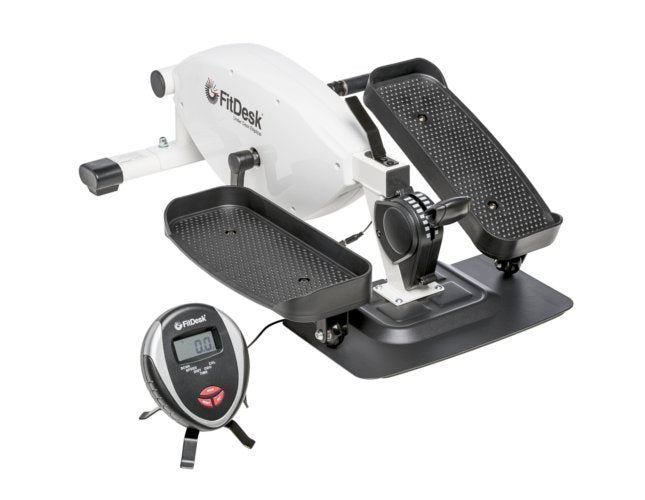
What actually determines fit
A good fit comes down to clearance, your body, and the device design. Do under desk ellipticals fit under all desks? It depends on how these three parts work together.
- Desk clearance. Most desks stand about 28 to 30 inches high. But the key number is the space from the floor to the underside of the desk. Drawers, rails, and keyboard trays can cut that space by several inches.
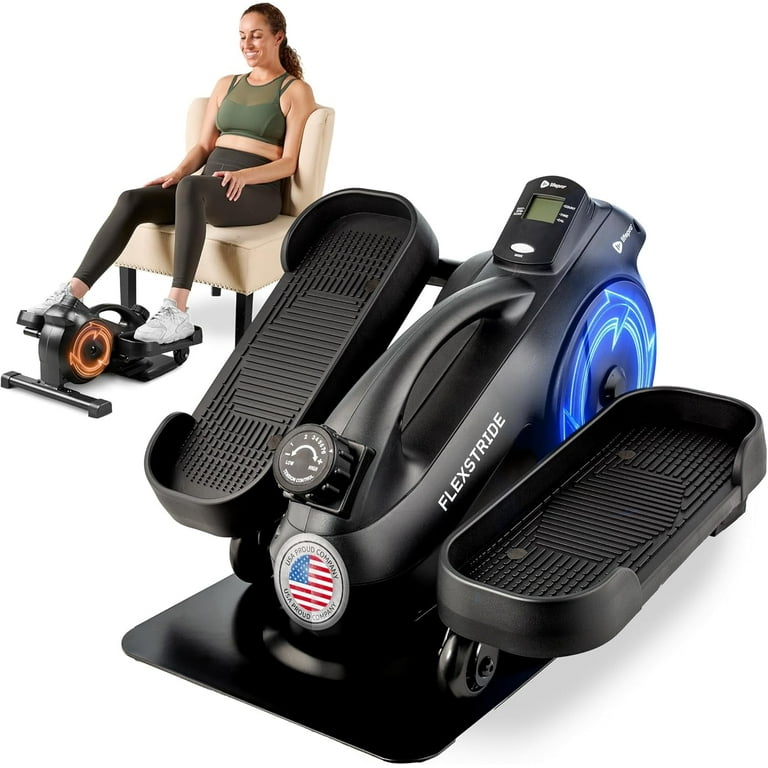
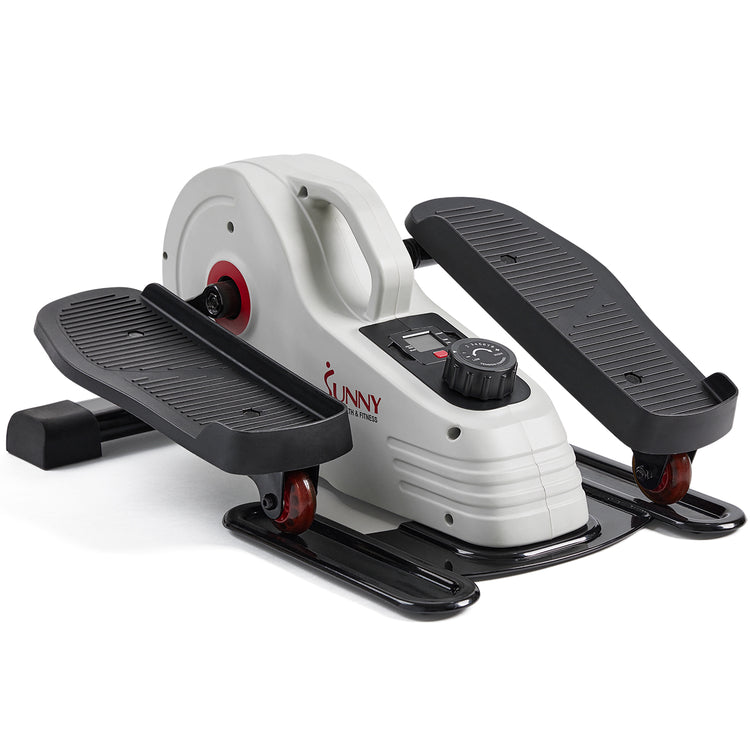
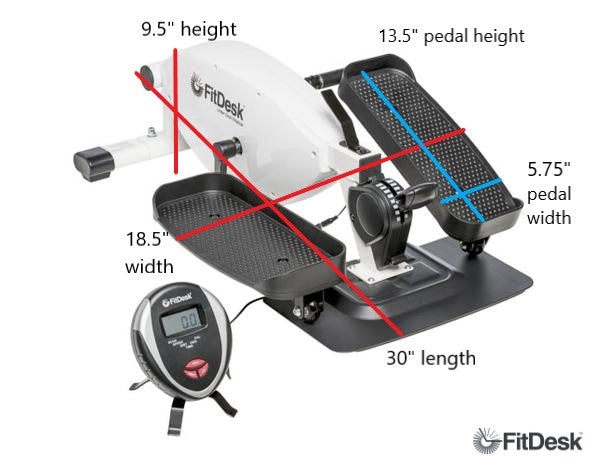
- Device height. Many under desk ellipticals sit 9 to 13 inches tall at the highest point of the pedal stroke. A low profile model makes a big difference.
- Your knee path. When you pedal, your knees rise. For many people, the top of the knee can rise 1 to 3 inches above its normal seated height during the forward stroke.
- Chair height and distance. A lower chair reduces knee rise under the desk. Sliding your chair back a few inches also helps your knees clear the edge.
- Shoe thickness and angle. Chunky shoes and high pedal angles add extra height. Thin soles and a flatter pedal angle can help.
A simple rule of thumb: more headroom is better. If your knees “just” clear, you will still tap the desk as you speed up. Aim for at least 2 inches of extra space above your knee at the top of the pedal stroke.
How common desk types affect fit
Desk style is often the deal maker or deal breaker. Do under desk ellipticals fit under all desks? Not when desk parts hang low.
- Standard office desk. Often fine if there are no drawers. Watch out for the wood apron that can drop clearance to 24 to 26 inches.
- Adjustable standing desk. Best choice. You can lift the top a bit for easy knee clearance.
- Gaming desk with built-in drawers. Risky. Drawer trays can hang at 22 to 24 inches. Many users hit their knees here.
- Writing desk with a center drawer. Often tight. Expect frequent taps unless you choose a very low device and sit farther back.
- Cubicle desks with keyboard trays. Trays steal space. Remove or raise the tray if you can.
- Compact student desks. Usually shallow and low. Try before you buy, or use a floor cycle in front of the desk.
If you plan to move your device between rooms, test each desk. One desk can be perfect while the next one fails by an inch.
Typical sizes of under desk ellipticals
Brands post size specs, and they matter. Most popular under desk ellipticals list a device height of about 9 to 13 inches. The pedal stroke is often designed to reduce knee lift, but there is still some rise.
Key specs to look for before you buy:
- Max pedal height. This is the highest point of the pedal from the floor. Lower is better for tight desks.
- Pedal angle at the top. A flatter top angle usually means less knee rise.
- Front-to-back length. Longer units can push your chair back more, which can help with clearance.
If you wonder, Do under desk ellipticals fit under all desks?, compare the posted max pedal height to your desk clearance. Add a 2 inch buffer on top. That buffer saves your knees when you speed up or change form.

Measure your space in 90 seconds
Use this quick test to see if your setup will work.
- Sit as you usually do. Keep your chair at your normal work height.
- Measure floor to underside of desk at the spot above your knees. Write it down.
- Place a thick book or box under your foot. Start with 4 inches, then 6, then 8 inches.
- Lift your heel like you would at the top of a pedal stroke. Watch your knee height.
- If your knee touches, lower the box or your chair. Repeat until you have 2 inches to spare.
- Now compare to the device spec. Your “box height” should be greater than the device’s max pedal height by at least 1 inch.
Simple fit math you can use:
- Needed clearance = max pedal height + your knee rise + 2 inches.
- If Needed clearance > desk underside height, you will hit.
This fast check answers the real question: Do under desk ellipticals fit under all desks? No, but you can predict fit with this small test.
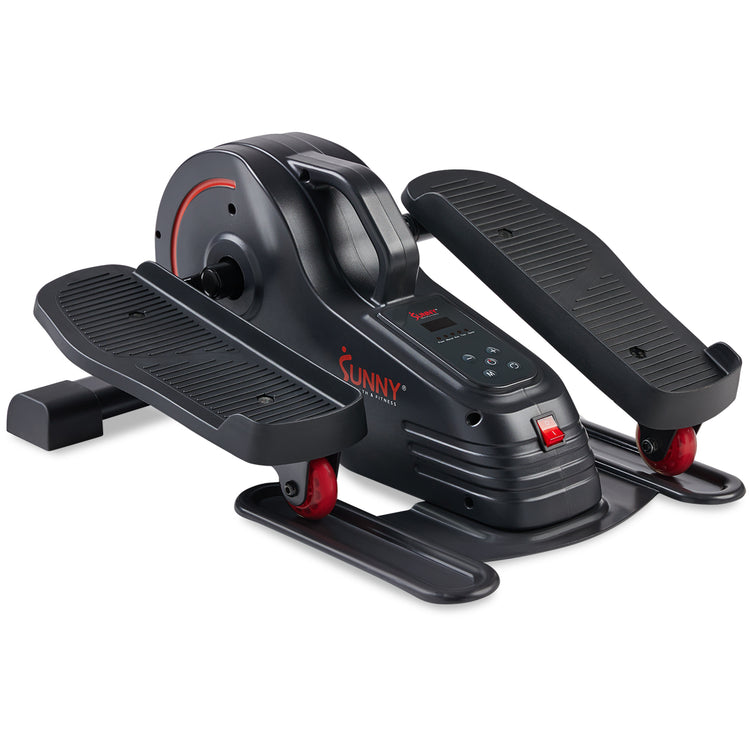
Fit tips for tall users and small desks
If you are tall or your desk is low, you still have options.
- Pick a low-profile unit. Choose a model under 10 inches tall at the peak stroke if you can.
- Lower your chair a notch. Even half an inch can stop knee taps. Check your knee angle; comfort comes first.
- Slide your chair back. A small move can change the knee path under the desk edge.
- Raise the desk. Use risers on fixed desks or adjust a sit-stand desk up by 1 inch.
- Remove obstacles. Take off a keyboard tray or swap to a clamp-on tray that sits higher.
- Shorten your stride. Many units allow shorter strokes. It reduces knee lift but still keeps you moving.
Do under desk ellipticals fit under all desks? With these tweaks, many hard cases become easy wins.
Ergonomics, noise, and workflow
Fit is more than “does it go under.” It is “can you pedal, work, and feel good.”
- Knee and hip comfort. Keep knees tracking forward, not flaring out. Set seat distance so your knees do not lock at the back of the stroke.
- Posture. Sit tall, shoulders down. If you lean forward to avoid the desk, raise the desk or lower the chair.
- Noise and slide. A mat stops floor slide and cuts noise. Magnetic resistance is quiet and office friendly.
- Work flow. Start with light resistance. You should type and pedal without strain. Save harder effort for calls or reading.
This approach turns the big ask, Do under desk ellipticals fit under all desks?, into a better goal: a quiet, smooth setup that you enjoy using every day.

Field notes from real setups
I have set up under desk ellipticals in home offices, cubicles, and small studio desks. I learned fast that half an inch matters. At a writing desk with a low center drawer, my knees tapped on every third stroke. I solved it by removing the drawer and lowering my chair one notch.
In a shared office, a sit-stand desk made life easy. We raised the desk by one inch, and the team used a low-profile unit with zero taps. Do under desk ellipticals fit under all desks? Not in my tests, but small changes fixed most misses.
Common mistakes to avoid:
- Buying before you measure. Specs first, buy second.
- Ignoring knee path. Your knees rise more than you think as you pedal.
- Pushing big resistance too soon. That raises your body and your knee path.
- Forgetting shoes. Thick soles add height. Switch to simple sneakers for desk sessions.
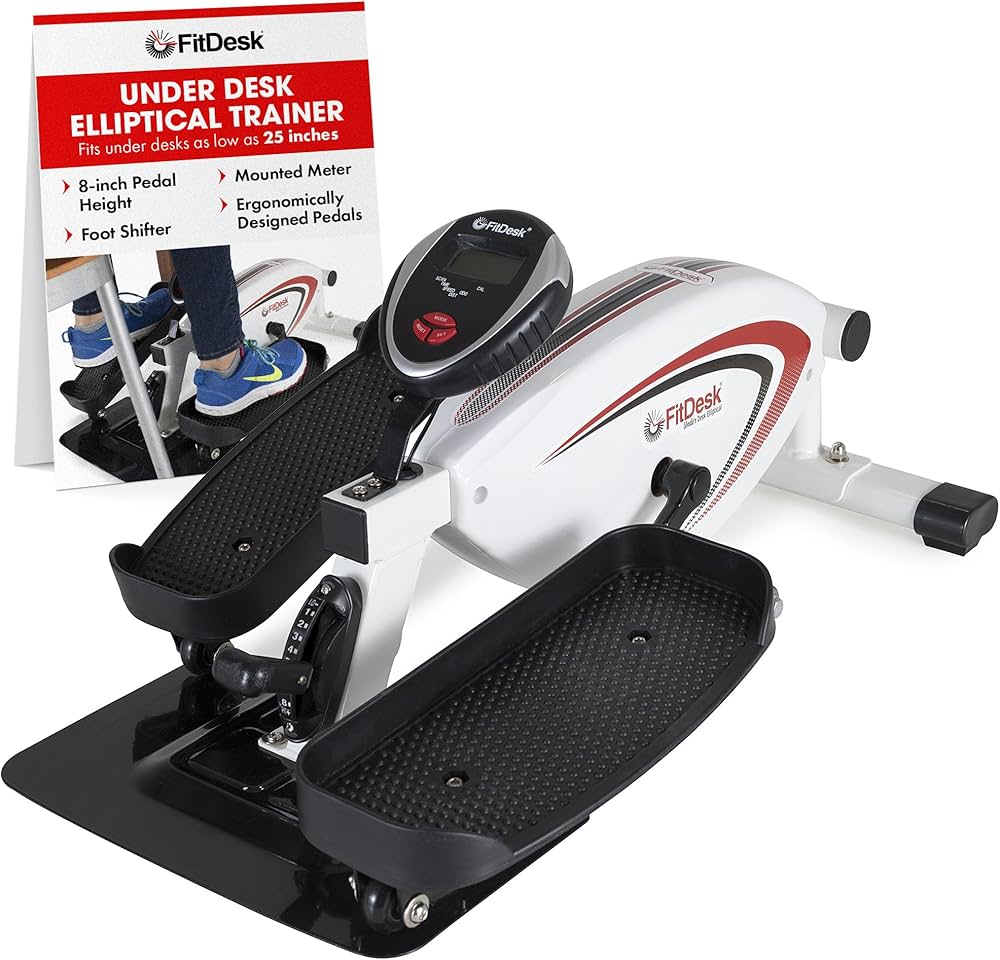
Frequently Asked Questions of Do under desk ellipticals fit under all desks?
Do under desk ellipticals fit under all desks?
No. Fit depends on desk clearance, device height, and your knee path. Measure your space and add a 2 inch buffer for comfort.
What is the ideal desk clearance for an under desk elliptical?
Aim for at least 25 inches from floor to the underside of the desk for most users. Taller users or higher pedal strokes may need 26 to 27 inches.
Will a standing desk help with fit?
Yes. Raise the top by 1 to 2 inches for extra knee room. It is the most reliable fix in a tight setup.
How can I keep my knees from hitting the desk?
Lower your chair, slide back an inch, and use a lower resistance at first. A low-profile device and flat pedal angle also help.
Are under desk bikes better for small desks than ellipticals?
Some bikes have lower pedal paths, but many are similar. Compare the posted max pedal height for the exact device, not just the category.
Can I use an under desk elliptical on carpet?
Yes, but use a thin mat for stability. It also reduces noise and keeps the unit from creeping forward.
Will pedaling affect my typing or focus?
Start light and keep cadence smooth. Most people adapt in a few days and can type, read, and join calls without a problem.
Conclusion
So, do under desk ellipticals fit under all desks? No, but most people can make them work with the right plan. Measure your desk, compare the device height, and give your knees a small buffer. Use a low-profile model, adjust your chair, and raise the desk if needed. Small steps create a big change in comfort.
Ready to dial in your setup? Try the 90 second measurement test today, then pick a device that fits your space. If this guide helped, share it with a friend, subscribe for more practical gear tips, or leave a comment with your desk measurements and I will help you troubleshoot.