
Have you ever wondered how a hyperextension bench can transform your workout? Whether you’re looking to strengthen your lower back, improve your posture, or enhance your core stability, this simple piece of equipment might be the key.
But how exactly does it work, and why should you add it to your routine? Keep reading to discover how a hyperextension bench targets your muscles effectively and why it could be the game-changer your fitness goals need.

Today's Exclusive Deals
Limited-time Exclusive Deals. Check current discount on Amazon.
Check Price on Amazon As an Amazon Associate I earn from qualifying purchases.
Hyperextension Bench Basics
The hyperextension bench is a simple but effective tool for back and core workouts. It helps you strengthen muscles in your lower back, glutes, and hamstrings. The bench supports your body so you can safely bend and extend. This exercise improves posture and reduces the risk of injury.
Understanding the basic parts and how to adjust the bench helps you get the best results. Let’s explore the key features and how to set it up for your body.
Key Parts And Design
The bench has a padded platform where you lie face down. It holds your hips and thighs firmly. There is a footrest or roller pads that keep your feet in place. The frame is sturdy to support your weight during exercises.
Today's Exclusive Deals
Limited-time Exclusive Deals. Check current discount on Amazon.
Check Price on Amazon As an Amazon Associate I earn from qualifying purchases.The design allows your upper body to move freely. This helps you bend forward and lift back up. The angle of the bench usually can be changed. This adjusts the difficulty of the workout.
Adjusting For Your Body
Proper adjustment makes the exercise safer and more effective. Start by setting the hip pad so your hips rest comfortably on it. Your body should bend at the waist without strain. The footrest should hold your feet firmly without slipping.
Check that your legs feel secure and your upper body moves easily. Adjust the bench height if needed. This fit helps you keep good form. Good form prevents injury and targets the right muscles.

Targeted Muscles
The hyperextension bench targets specific muscles that support the lower body and spine. It helps build strength and stability in these key areas. Understanding which muscles work can improve your workout focus and results.
Today's Exclusive Deals
Limited-time Exclusive Deals. Check current discount on Amazon.
Check Price on Amazon As an Amazon Associate I earn from qualifying purchases.Using the hyperextension bench regularly tones and strengthens muscles important for posture and movement. It is a simple way to engage muscles often overlooked in other exercises.
Lower Back Activation
The main muscle worked is the erector spinae. These muscles run along your spine. They keep your back straight and help you bend backwards safely. The hyperextension bench activates these muscles fully. It helps reduce the risk of back pain. Strong lower back muscles support daily activities and other exercises.
Core And Glutes Engagement
The core muscles also get involved during hyperextensions. Your abdominal muscles work to stabilize your body. This keeps you balanced on the bench. Glute muscles, especially the gluteus maximus, also activate. They help extend the hips and support lower back movement. This combination strengthens your entire posterior chain for better posture and power.
Performing The Exercise
Performing the exercise on a hyperextension bench requires attention to detail. Proper form helps target the lower back muscles safely. It also reduces the risk of injury. Follow clear steps to get the best results.
Correct Starting Position
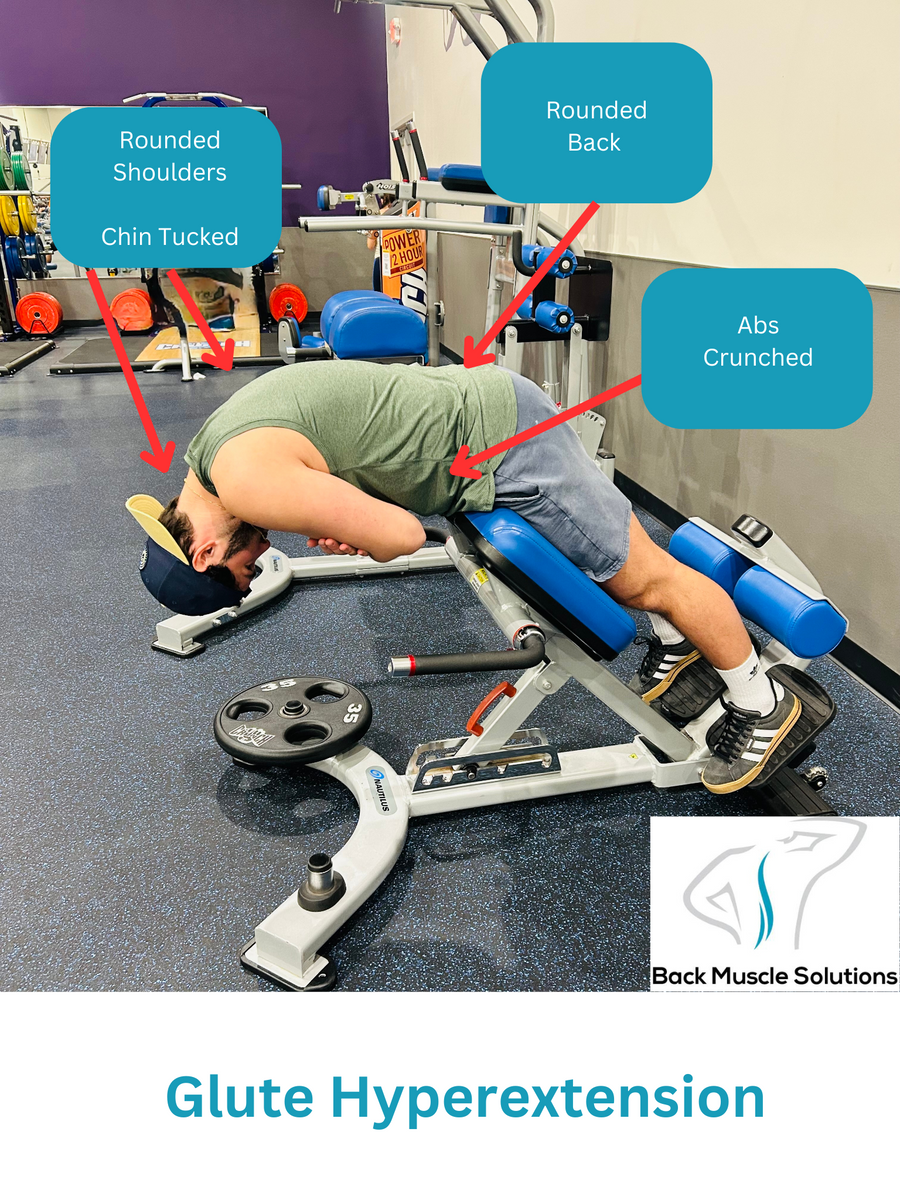
Place your feet securely under the footpads. Adjust the bench so your hips rest on the pad. Keep your body straight from head to heels. Cross your arms over your chest or place hands behind your head. Engage your core muscles to stabilize your body. Avoid arching your back before starting the movement.
Safe Movement Techniques
Slowly bend forward at the waist. Lower your upper body toward the floor. Stop when you feel a stretch in your hamstrings. Use your lower back muscles to lift your torso back up. Keep the motion smooth and controlled. Do not overextend beyond a straight line. Breathe steadily throughout the exercise. Pause briefly at the top before the next repetition.
Benefits For Core Strength
Using a hyperextension bench helps build strong core muscles. It targets the lower back, glutes, and hamstrings. These muscles work together to support your spine and keep your body balanced. Strengthening this area reduces pain and lowers the risk of injury. It also helps in everyday movements and exercises.
Improved Posture
A strong core supports good posture. The hyperextension bench focuses on muscles that keep your spine straight. This reduces slouching and back strain. Better posture means less discomfort during long sitting or standing. It also improves your overall appearance and confidence.
Enhanced Stability
The hyperextension bench trains muscles that stabilize your body. This stability helps you stay balanced during activities. It makes movements safer and more controlled. Strong core stability also improves performance in sports and workouts. It helps prevent falls and injuries.
Common Mistakes To Avoid
Using a hyperextension bench correctly is key to avoiding injuries and getting the best results. Many people make simple mistakes that reduce the exercise’s effectiveness or cause pain. Knowing these common errors helps you exercise safely and build stronger muscles.
Overextending The Back
Extending your back too far can strain your spine. The goal is a smooth, controlled movement. Stop when your body forms a straight line. Pushing beyond this can cause lower back pain or injury. Keep your movements slow and steady. Avoid jerky or fast motions during the exercise.
Incorrect Bench Setup
Setting up the bench wrong affects your form and comfort. Adjust the foot pads so your hips rest on the pad, not your stomach or thighs. Your body should bend at the hips, not the waist. Check your foot position to stay stable. A bad setup puts extra pressure on your lower back.
Incorporating Into Workouts
Adding a hyperextension bench to your workout helps strengthen your lower back. It also improves core stability and posture. Using it regularly can reduce the risk of injury. The bench targets muscles that many exercises miss. This makes your workout more balanced and effective.
Routine Suggestions
Start with 2 to 3 sets of 10 to 15 reps. Keep your movements slow and controlled. Focus on squeezing your lower back muscles. Avoid arching your spine too much. Use the bench at the end of your workout. This helps prevent fatigue from affecting your form.
Combining With Other Exercises
Pair hyperextensions with planks and bridges for core strength. Add squats and deadlifts to work your legs and back. These exercises support each other well. Together, they build a stronger, more stable body. Rest between sets to keep your form correct.
Choosing The Right Bench
Choosing the right hyperextension bench is key for effective workouts. The right bench supports your body well and helps prevent injury. It also fits your space and workout style. Take time to pick a bench that matches your needs and budget.
Features To Look For
Look for strong, durable frames made from steel or heavy metal. Adjustable height and angle settings let you find a comfortable position. Thick padding adds comfort during exercises. Non-slip footrests keep your feet secure. Compact size fits small workout areas. Easy assembly saves time and effort.
Budget Vs. Quality
Cheaper benches may lack durability and comfort. High-quality benches last longer and offer better support. Balance your budget with features you need most. Investing in a sturdy bench reduces replacement costs. Consider how often you will use the bench. Spending a bit more can improve your workout experience.
Frequently Asked Questions
What Muscle Groups Does A Hyperextension Bench Target?
A hyperextension bench primarily targets the lower back muscles. It also engages the glutes, hamstrings, and core. This equipment strengthens the posterior chain, improving posture and reducing injury risk. It’s ideal for enhancing spinal stability and overall back health.
How Do You Properly Use A Hyperextension Bench?
Position your hips on the pad and secure your feet. Keep your back straight and bend at the waist. Lower your upper body slowly and then raise it back up. Maintain controlled movements to avoid strain and maximize effectiveness.
Can A Hyperextension Bench Help With Back Pain?
Yes, it can help alleviate mild back pain. Strengthening the lower back muscles supports spinal alignment. However, consult a healthcare professional before starting if you have severe pain or injuries.
Is A Hyperextension Bench Suitable For Beginners?
Yes, beginners can use a hyperextension bench safely. Start with fewer repetitions and focus on form. Gradually increase intensity as your strength improves. It’s a low-impact exercise suitable for all fitness levels.
Conclusion
A hyperextension bench helps strengthen your lower back safely. It supports your body while you bend and lift. Using it regularly can improve posture and reduce pain. It targets muscles that support your spine. You can adjust the bench to fit your height.
This tool suits beginners and experienced exercisers alike. Try to keep your movements slow and steady. Consistent use builds endurance and flexibility over time. Simple, effective, and easy to use – that’s the hyperextension bench. Give it a try to support your back health.

