
Are you looking to strengthen your back but unsure whether a hyperextension bench or stability ball exercises are better for you? Choosing the right option can make a big difference in your results and how safe you feel during workouts.
You’ll discover the key differences between these two popular back exercise tools. By the end, you’ll know which one fits your needs, goals, and fitness level perfectly. Ready to find out which method will help you build a stronger, healthier back?

Today's Exclusive Deals
Limited-time Exclusive Deals. Check current discount on Amazon.
Check Price on Amazon As an Amazon Associate I earn from qualifying purchases.Keep reading!
Hyperextension Benches Basics
Hyperextension benches are popular tools for strengthening the lower back. They provide support and stability during exercises. These benches help improve posture and reduce the risk of injury.
Understanding their basics helps you use them effectively. This section explains their design, targeted muscles, and common exercises.
Design And Features
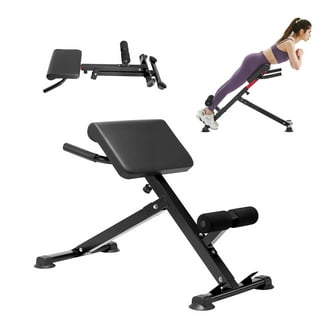
Hyperextension benches have a simple design. They include a padded support for your hips and adjustable footrests. The bench angle can often be changed. This lets you vary the exercise intensity. The sturdy frame keeps you safe and balanced.
Targeted Muscle Groups
These benches mainly work the lower back muscles. They also engage the glutes and hamstrings. Core muscles get a good workout too. Strengthening these areas helps with daily movements and sports.
Common Exercises
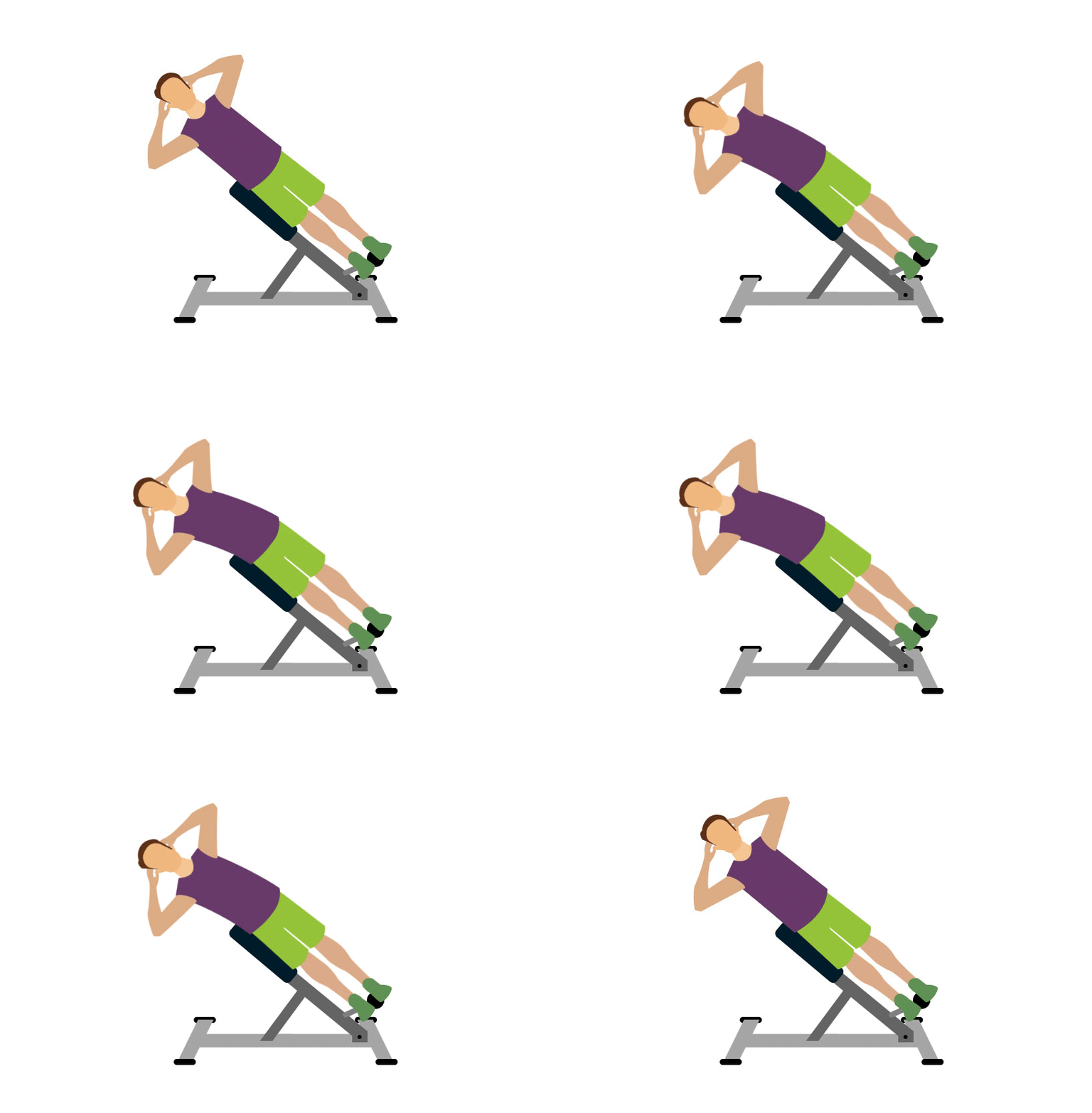
The most common exercise is the back extension. You lie face down and lift your upper body. Side bends and twists are also possible. These add variety and target different muscles. Exercises on the bench build strength and stability.
Stability Ball Back Exercises
Stability ball back exercises offer a simple way to strengthen your lower back. They use a soft, round ball that challenges your balance. This challenge helps engage many muscles at once. These exercises improve your core strength and can reduce back pain.
Stability balls come in different sizes and types. Choosing the right one matters for comfort and safety. You can do many exercises with just one ball. They are easy to use at home or in the gym.
Types Of Stability Balls
There are several types of stability balls. The most common is the standard exercise ball. It is made of soft, anti-burst material. Some balls have extra grip for better control. Others are smaller, designed for kids or office use. Choose a ball size that fits your height for better support.
Muscles Engaged
Stability ball exercises work many muscles. The lower back muscles get strong support. Your core muscles, like abs and obliques, also activate. The glutes and hamstrings help with balance. Small stabilizing muscles work hard to keep you steady. This mix improves posture and body control.
Popular Movements
Common stability ball back exercises include back extensions and bridges. Back extensions strengthen the lower back by lifting your chest off the ball. Bridges target the glutes and lower back by lifting your hips. Bird dog on the ball improves balance and core strength. Each move can be adjusted for beginners or advanced users.
Effectiveness For Core Strength
Strengthening the core is essential for stability, posture, and overall fitness. Both hyperextension benches and stability ball exercises target the core, but they do so differently. Each method activates muscles, challenges balance, and builds endurance in unique ways. Understanding these differences helps choose the best exercise for your needs.
Muscle Activation Levels
Hyperextension benches focus on the lower back and glutes. They also engage the abdominal muscles but less intensely. Stability ball exercises activate a wider range of core muscles. This includes the abs, obliques, and lower back. The unstable surface forces muscles to work harder for stability.
Balance And Coordination
Stability ball exercises improve balance by challenging your body’s control. You must constantly adjust to stay on the ball. Hyperextension benches offer a stable surface, so balance is less involved. The ball trains coordination and body awareness more effectively.
Endurance Benefits
Using a hyperextension bench builds endurance in the lower back muscles. It allows for longer holds and repeated movements with control. Stability ball exercises increase endurance in the entire core. The need to stabilize the body makes muscles work longer under tension.
Safety And Injury Risk
Safety and injury risk are important when choosing back exercises. Both hyperextension benches and stability ball exercises target the lower back. But they differ in how safe they feel and how much strain they put on your body. Knowing these differences helps you avoid injuries and get the best results.
Proper Form Guidelines
Using correct form is key for both exercises. On a hyperextension bench, keep your back straight. Avoid bending too far to stop strain. For stability ball exercises, keep your core tight. Move slowly and control each motion. Good form reduces injury risk and improves effectiveness.
Potential Strain Points
Hyperextension benches can strain the lower back if overused. The hinge motion may stress the spine. Stability ball exercises challenge balance more. They can strain the muscles if you lose control. Both exercises need care to protect your back and neck.
Suitability For Beginners
Beginners may find stability ball exercises easier to start. They use body weight and improve balance gently. Hyperextension benches need more control and strength. Beginners should learn proper form before using benches. Starting slow helps avoid injuries and builds confidence.
Accessibility And Cost
Choosing between hyperextension benches and stability ball back exercises often comes down to accessibility and cost. Both options help strengthen the back but differ in how easy they are to get and use. Understanding these differences can help you pick the right tool for your workouts without spending too much.
Equipment Price Comparison
Hyperextension benches usually cost more upfront. Prices range from budget models under $100 to premium benches over $300. Stability balls are much cheaper. Most quality balls cost between $20 and $50. The lower price makes stability balls a budget-friendly choice for many.
Space Requirements
Hyperextension benches need more room due to their size. They require enough space to lie down and move freely. Stability balls take up very little space. You only need a small area to perform exercises. This makes balls ideal for small homes or apartments.
Portability And Storage
Stability balls are lightweight and easy to carry. You can move them from room to room or even take them outdoors. They deflate for compact storage. Hyperextension benches are heavy and bulky. Moving them often is difficult. They need a fixed spot in your workout area.

Customization And Progression
Customization and progression are key for effective back workouts. Both hyperextension benches and stability ball exercises offer ways to adjust difficulty. This helps users improve strength safely over time. Understanding these options makes it easier to choose the right tool for your fitness level.
Adjustable Resistance Options
Hyperextension benches often come with adjustable pads. This helps set the range of motion and support. Some models allow changing the angle to increase challenge. Stability balls rely on body control instead of fixed resistance. You can vary intensity by changing your speed or hold time.
Variations For Different Levels
Beginners on hyperextension benches can start with partial movements. Advanced users perform full back extensions or hold positions longer. Stability ball exercises offer many variations too. Simple holds suit beginners, while lifting one leg raises difficulty. Both tools adapt to your progress easily.
Incorporating Additional Weights
Adding weights increases workout intensity on hyperextension benches. You can hold dumbbells or wear weighted vests during exercises. Stability ball workouts allow holding light weights or resistance bands. This extra load helps build muscle faster. Use caution to avoid strain while progressing.
User Experience And Feedback
User experience shapes how people choose between hyperextension benches and stability ball back exercises. Feedback from users reveals clear differences in comfort, motivation, and challenges. These insights help beginners and experts pick the right option for their back workouts.
Comfort And Ergonomics
Hyperextension benches offer firm support during exercises. They keep the body stable and reduce strain on joints. Many users feel safe using benches because of the solid structure.
Stability balls require balance and core strength. Some users find them less comfortable at first. The ball’s soft surface can feel unstable but allows more natural movement. Over time, users get used to the ball and enjoy its flexibility.
Motivation And Engagement
Using a hyperextension bench feels straightforward and focused. Users often like the clear form and control they have. It can boost confidence as they see progress in strength.
Stability ball exercises add variety to workouts. The challenge of balancing keeps users engaged. Some find this fun and motivating, while others may feel uneasy.
Common Challenges
Hyperextension benches can feel rigid for some users. Adjusting the bench to fit the body may take time. Incorrect form can cause discomfort or injury.
Stability ball workouts require good balance and coordination. Beginners might struggle to stay steady. The ball can roll away, causing frustration or falls.
Choosing The Right Option
Choosing the right option between hyperextension benches and stability ball back exercises depends on several factors. Each tool offers unique benefits and suits different needs. Understanding your goals, physical condition, and budget helps make a better choice. This section breaks down these key points.
Personal Fitness Goals
Hyperextension benches target the lower back with focused strength training. They help build muscle and improve posture. Stability balls promote balance and flexibility. They work many muscles at once, including the core. Choose the bench for strength and the ball for overall stability. Your main fitness goal guides the best pick.
Physical Limitations
People with back pain or injuries should be cautious. Hyperextension benches provide controlled movement but may strain sensitive areas. Stability balls allow gentle, low-impact exercises that reduce stress on the spine. If balance is a challenge, the bench offers more support. Consider your body’s needs and comfort when deciding.
Budget Considerations
Hyperextension benches usually cost more and take up more space. They are an investment for long-term strength training. Stability balls are affordable and portable. They fit small spaces and can be used for many workouts. Choose based on what fits your budget and home setup.
Frequently Asked Questions
What Are The Main Benefits Of Hyperextension Benches?
Hyperextension benches strengthen lower back muscles and improve spinal stability. They target the erector spinae effectively. This exercise supports better posture and reduces injury risk during heavy lifting.
How Do Stability Ball Back Exercises Improve Core Strength?
Stability ball exercises engage the core by requiring balance and coordination. They activate multiple muscle groups, enhancing overall core stability. This improves posture and supports functional movement in daily activities.
Which Is Safer: Hyperextension Bench Or Stability Ball?
Stability balls offer a lower injury risk due to their low impact and natural movement. Hyperextension benches require proper form to avoid strain. Beginners may find stability balls safer for gradual strength building.
Can Hyperextension Benches And Stability Balls Be Combined?
Yes, combining both tools creates a balanced back workout. Hyperextension benches build targeted strength while stability balls improve core engagement and flexibility. This variety enhances overall back health and performance.
Conclusion
Both hyperextension benches and stability ball exercises help strengthen your back. Benches offer more support and control during workouts. Stability balls challenge your balance and engage more muscles. Your choice depends on your fitness goals and comfort level. Try both to see which feels best for you.
Consistency matters most for building back strength. Keep practicing regularly for steady progress. Stay safe by using proper form every time. Stronger backs lead to better posture and less pain. Small steps bring big improvements over time.

