Are you looking for a way to strengthen your back and improve your posture? Hyperextension benches might be the tool you need.
Exclusive Deals
Limited-time Exclusive Deals. Check current discount on Amazon.
Check Price on Amazon As an Amazon Associate I earn from qualifying purchases.But are they safe and effective for rehabilitation exercises? If you’ve faced back pain or injury, you want to be sure that every move helps your recovery, not harms it. You’ll discover how hyperextension benches work, when they can support your healing process, and what to watch out for to protect your body.
Keep reading to find out if this equipment fits into your rehab plan and how to use it the right way for the best results.
Benefits Of Hyperextension Benches
Hyperextension benches offer several benefits for rehabilitation exercises. They help restore strength and function after injury. Using these benches supports controlled, safe movements. This makes them useful in physical therapy settings.
Exclusive Deals
Limited-time Exclusive Deals. Check current discount on Amazon.
Check Price on Amazon As an Amazon Associate I earn from qualifying purchases.These benches focus on strengthening specific muscles. They also help improve posture and balance. Regular use can aid in reducing pain and preventing future injuries.
Targeted Muscle Strengthening
Hyperextension benches focus on the lower back and hamstring muscles. These muscles are important for daily movements. Strengthening them helps support the spine better. This support reduces stress on injured areas. It also helps speed up recovery after injury.
Improved Spinal Alignment
Using a hyperextension bench encourages proper spinal position. It helps correct poor posture caused by muscle weakness. Proper alignment reduces strain on discs and nerves. This can ease back pain during rehabilitation. It also promotes healing by keeping the spine stable.
Exclusive Deals
Limited-time Exclusive Deals. Check current discount on Amazon.
Check Price on Amazon As an Amazon Associate I earn from qualifying purchases.Enhanced Core Stability
Core muscles include the abs, lower back, and hips. Hyperextension exercises engage these muscles deeply. Strong core muscles improve balance and body control. This stability supports recovery and prevents falls. A stable core also helps with other daily activities.
Common Rehabilitation Uses
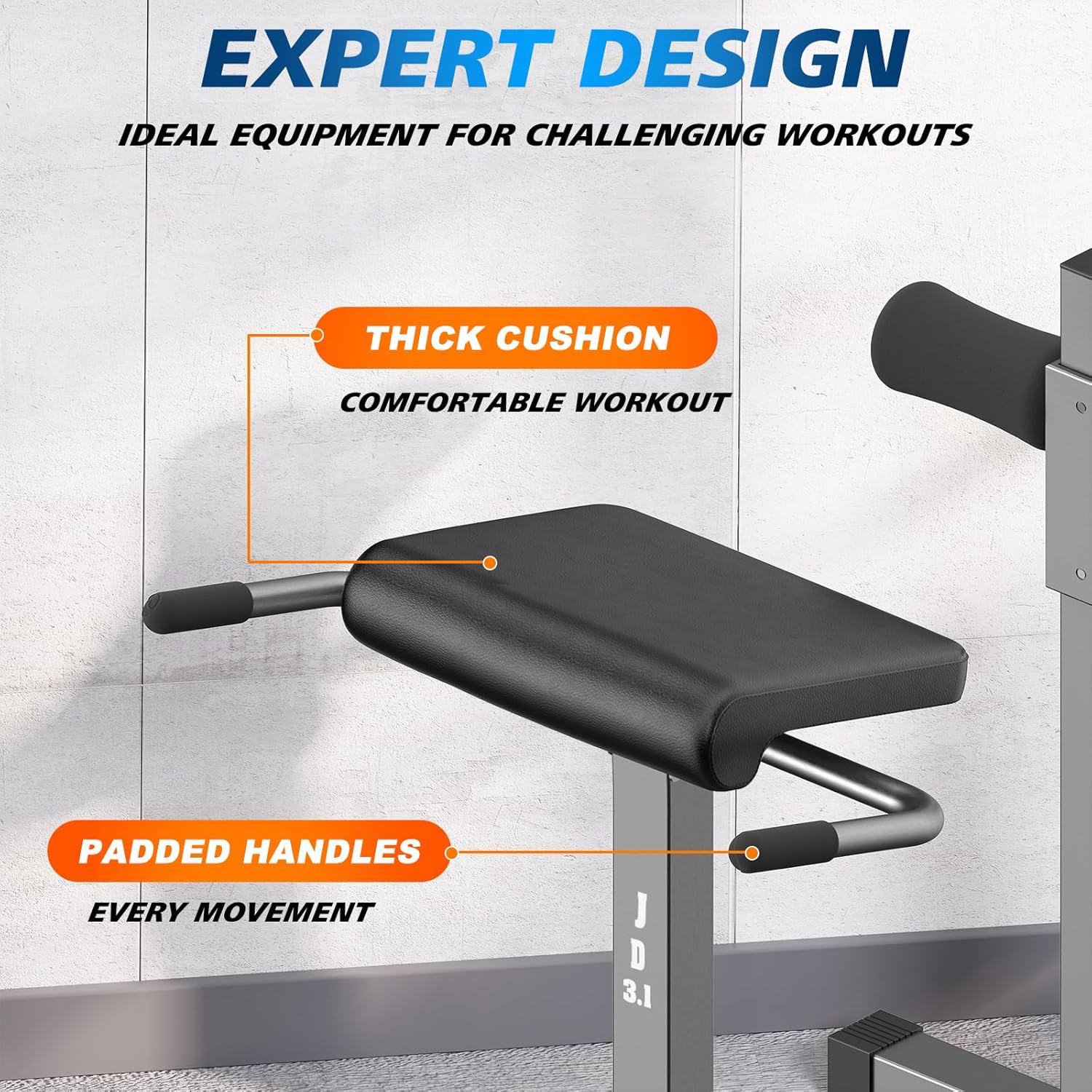
Hyperextension benches serve many roles in rehabilitation. They support gentle strengthening and controlled stretching. These benches help patients regain movement safely. Their design targets specific muscle groups often weak after injury or surgery. Using them properly can aid recovery and reduce pain.
Lower Back Injury Recovery
Lower back injuries benefit from controlled hyperextension exercises. The bench helps stretch and strengthen the lower back muscles. This support improves spinal stability and reduces strain. Patients can slowly rebuild strength without risking further injury. Regular use aids faster recovery and better mobility.
Post-surgery Support
After surgery, muscles need gentle activation to heal well. Hyperextension benches provide a safe way to do this. They allow low-impact movement that stimulates blood flow. This helps reduce stiffness and speeds tissue repair. Patients regain strength while avoiding overexertion or pain.
Chronic Pain Management
Chronic pain in the back often results from weak muscles. Hyperextension benches help strengthen these muscles over time. Stronger muscles support the spine and ease pressure on nerves. This can reduce pain and improve daily function. Consistent use offers long-term relief and better posture.
Safety Considerations
Safety is very important when using hyperextension benches for rehabilitation. These exercises help strengthen muscles but can cause injury without care. Understanding key safety points reduces risks and supports healing.
Proper use of the bench and attention to body signals are critical. Safety helps ensure exercises are helpful, not harmful, during recovery.
Proper Form And Technique
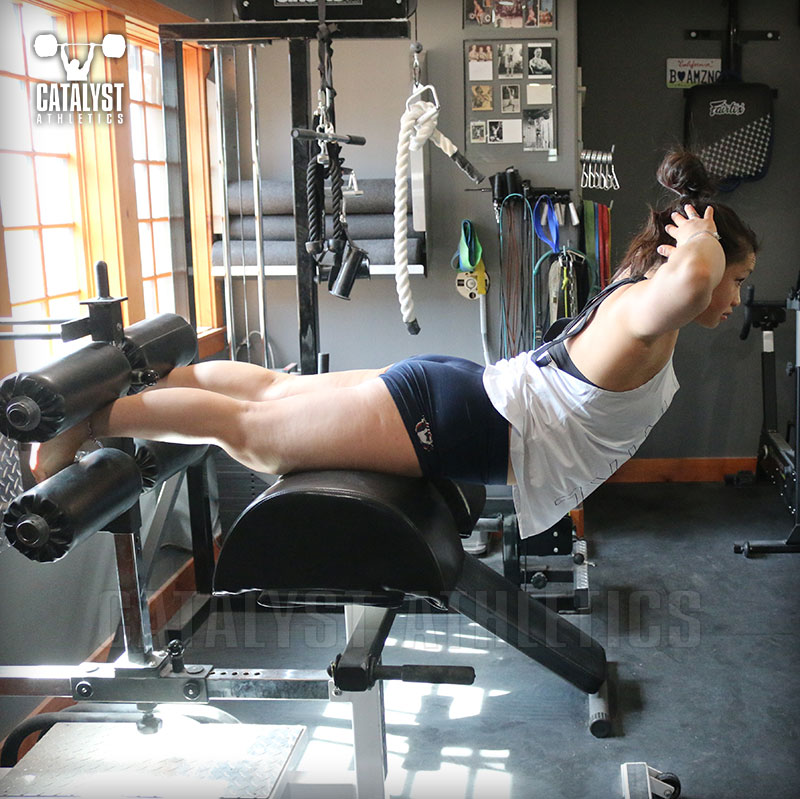
Maintaining correct posture protects the spine and muscles. Keep your back straight and avoid sudden movements. Move slowly and control every motion on the bench. Proper form reduces strain and supports recovery.
Avoiding Overextension
Do not bend too far backward. Overextending can cause pain or injury. Stop if you feel discomfort in your lower back. Staying within a safe range helps muscles heal safely.
Consulting Healthcare Professionals
Talk to a doctor or physical therapist before starting. They can guide which exercises suit your condition. Professional advice ensures exercises help your recovery without harm.
Limitations For Certain Conditions
Hyperextension benches offer benefits for many users. Still, some health conditions limit their safe use. Understanding these limits helps avoid risks during rehabilitation.
Severe Spinal Injuries
People with severe spinal injuries should avoid hyperextension benches. These benches can put extra pressure on the spine. This pressure may worsen the injury or cause pain. Always consult a doctor before using such equipment after a spinal injury.
Herniated Discs
Herniated discs cause pain and nerve issues. Using a hyperextension bench can increase pressure on the discs. This may lead to more pain or damage. Gentle exercises are better choices for disc problems during rehab.
Osteoporosis Concerns
Osteoporosis weakens bones and makes fractures more likely. Hyperextension exercises can strain fragile bones. This strain can cause fractures or other injuries. Safer, low-impact exercises suit people with osteoporosis better.
Expert Recommendations
Experts have clear advice about using hyperextension benches in rehab exercises. They stress safety and proper guidance. These benches can help but must fit each person’s needs. Careful planning and monitoring are key.
Customized Exercise Plans
Every person’s injury and recovery are different. Experts suggest creating exercise plans tailored to individual needs. A custom plan helps avoid strain and speeds healing. It includes specific movements and limits to follow.
Integration With Other Therapies
Experts recommend combining hyperextension bench exercises with other treatments. Physical therapy, massage, and stretching work well together. This mix improves strength and flexibility safely. It supports overall recovery better than one method alone.
Monitoring Progress
Tracking how the body responds is important. Experts advise regular check-ups and adjusting exercises as needed. Watching progress helps prevent setbacks and ensures steady improvement. It also keeps motivation high during rehab.
Alternatives To Hyperextension Benches
Hyperextension benches help strengthen the lower back and core. Yet, they may not suit everyone during rehabilitation. Many alternatives offer safer and gentler options. These alternatives target similar muscles but reduce strain and risk. Choose tools and methods that fit your body’s needs and limits.
Physical Therapy Techniques
Physical therapists use guided exercises for back recovery. They focus on controlled movements to avoid injury. Techniques include gentle stretching and muscle activation. Therapists adjust exercises based on pain and progress. Hands-on therapy can also help improve flexibility. These methods support healing without heavy equipment.
Core Strengthening Equipment
Simple tools like stability balls and resistance bands build core strength. Stability balls engage deep muscles while improving balance. Resistance bands offer adjustable tension for gradual muscle work. These tools allow low-impact exercises that protect the spine. They are easy to use at home or in clinics.
Low-impact Exercises
Walking, swimming, and yoga provide gentle ways to strengthen muscles. These activities improve flexibility and reduce stiffness. They avoid harsh movements that could worsen pain. Low-impact exercises increase blood flow and promote healing. Consistent practice builds endurance and supports overall recovery.
Frequently Asked Questions
Are Hyperextension Benches Safe For Rehabilitation Exercises?
Yes, hyperextension benches are safe when used correctly in rehab. They strengthen lower back muscles gently and improve spinal stability. Always consult a physical therapist for proper guidance and avoid overextending to prevent injury.
How Do Hyperextension Benches Aid Back Rehabilitation?
Hyperextension benches target lower back, glutes, and hamstrings. They enhance muscle strength and flexibility, supporting spinal alignment. This reduces pain and speeds recovery during rehabilitation.
Can Beginners Use Hyperextension Benches For Rehab?
Beginners can use hyperextension benches with professional supervision. Starting with low intensity and proper form prevents strain. Gradually increasing difficulty helps build strength safely.
What Precautions To Take Using Hyperextension Benches?
Avoid hyperextending the spine and maintain controlled movements. Warm up before exercises and stop if pain occurs. Follow professional advice to ensure safe rehabilitation.
Conclusion
Hyperextension benches can help support back and core strength. They allow gentle stretching and controlled movements. This makes them useful for some rehab exercises. Still, users must be careful and follow expert advice. Not every injury suits this equipment. Start slow and listen to your body’s signals.
Using the bench right can aid recovery and improve flexibility. It’s a helpful tool but not a cure-all. Always pair it with other rehab methods for best results. Safe use leads to steady progress and less pain.