
If you want to strengthen your lower back, glutes, and hamstrings, reverse hyperextensions are a powerful exercise to add to your routine. But how do you perform them correctly on a hyperextension bench?
Getting the right form not only boosts your results but also protects you from injury. You’ll discover simple, step-by-step instructions to master reverse hyperextensions and maximize your workout benefits. Keep reading to unlock the secrets to a stronger, healthier back!
Today's Exclusive Deals
Limited-time Exclusive Deals. Check current discount on Amazon.
Check Price on Amazon As an Amazon Associate I earn from qualifying purchases.Setup The Bench
Setting up the hyperextension bench correctly is important for safe and effective reverse hyperextensions. Proper setup helps target the right muscles and protects your lower back from strain. Take time to adjust the bench before starting your exercise. This ensures comfort and stability during the movement.
Adjusting The Height
Start by adjusting the bench height to fit your body size. The top pad should sit just below your hips. This allows your legs to move freely without hitting the bench. Most benches have a pin or lever to change the height. Move it up or down until the pad is at the right level. Lock the setting firmly to avoid any movement during exercise.
Positioning The Pads
Next, position the pads for comfort and support. The hip pad should hold your hips firmly but not squeeze them. Adjust the foot pads so your ankles rest comfortably. Your legs must hang free without touching the floor. Proper pad placement keeps your body stable and aligned. This reduces the risk of injury and helps you perform the exercise correctly.
Prepare Your Body
Before starting reverse hyperextensions on a hyperextension bench, prepare your body carefully. Proper preparation helps prevent injury and improves your workout. Focus on positioning and alignment first. These steps make the exercise effective and safe.
Take a moment to get comfortable and steady. This foundation supports a smooth and controlled motion.
Choosing The Right Foot Placement
Place your feet on the footrest or platform of the bench. Keep them hip-width apart for balance. Avoid placing feet too wide or too narrow. This keeps your movement stable and controlled. Make sure your toes point forward. Correct foot placement helps target the right muscles.
Aligning Your Hips
Position your hips at the edge of the bench pad. Your hips should line up with the pad’s edge to allow free movement. Keep your hips square and stable. Avoid twisting or shifting your hips during the exercise. Proper hip alignment supports your lower back and glutes. It also helps you lift smoothly and safely.
Starting Position
Starting the reverse hyperextension on a hyperextension bench needs care. The right position helps you do the exercise safely and well. Setting up correctly reduces the risk of injury and makes your workout more effective.
Body Alignment
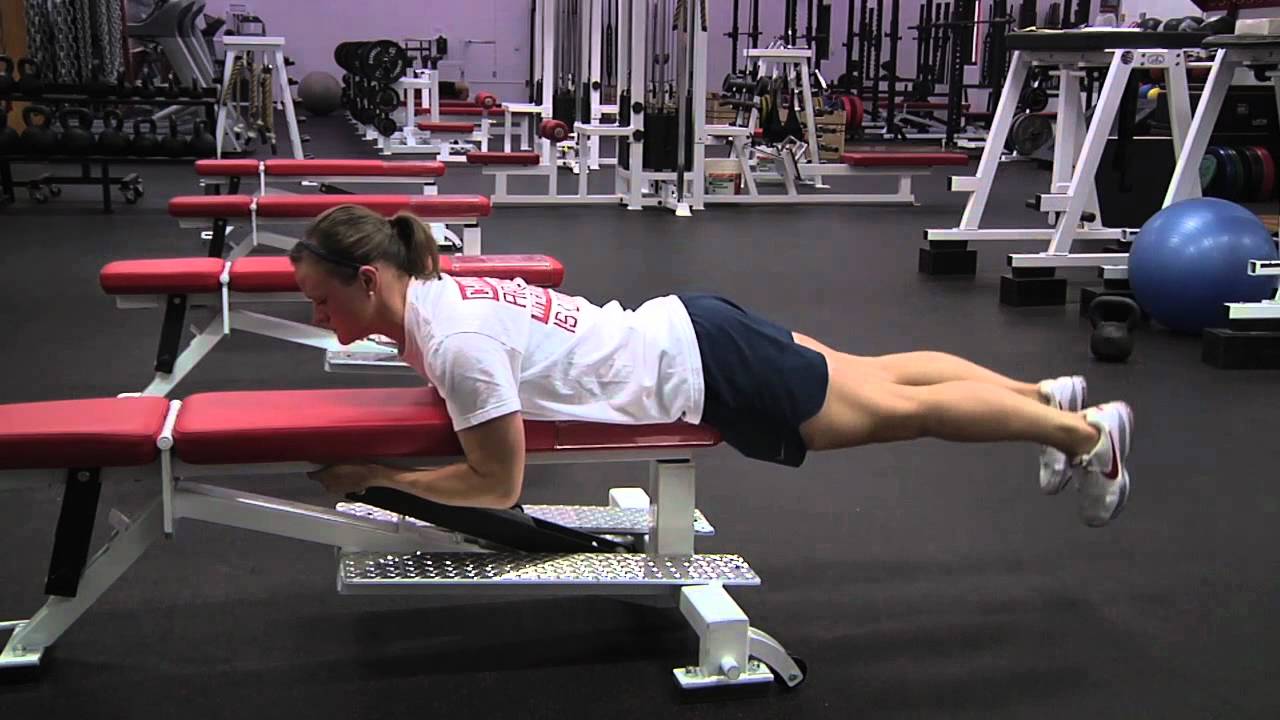
Place your hips on the padded bench. Your upper body should rest flat and face down. Keep your legs straight and together behind you. The bench supports your hips but leaves your legs free to move. Align your spine so it stays straight, not bent or twisted. This position helps target the lower back and glutes properly.
Engaging Core Muscles
Tighten your stomach muscles before you start moving. A strong core keeps your body stable during the exercise. It also protects your lower back from strain. Imagine pulling your belly button toward your spine. Hold this tension through the entire motion. This engagement improves your balance and control on the bench.

Performing The Movement
Performing reverse hyperextensions on a hyperextension bench targets your lower back, glutes, and hamstrings. This exercise helps improve strength and stability in your posterior chain. The key is to move with control and focus on the muscle engagement. Follow these steps to perform the movement correctly and safely.
Raising Your Legs
Start by lying face down on the bench with your hips at the edge. Keep your legs straight and together. Slowly lift your legs behind you. Raise them until your body forms a straight line. Avoid swinging or using momentum. Hold the top position briefly to feel the muscle work.
Controlling The Motion
Lower your legs slowly back to the starting position. Keep your core tight to protect your lower back. Move with steady control, not dropping your legs quickly. This control helps build strength and prevents injury. Repeat the movement for the desired number of reps.
Common Mistakes To Avoid
Performing reverse hyperextensions on a hyperextension bench improves your lower back and glutes. Avoiding common mistakes helps you get the best results and stay safe. Focus on proper form and control during each rep. Watch out for these errors to protect your body and boost your workout.
Arching The Back
Arching the back puts too much stress on your spine. Keep your core tight and spine neutral. Avoid bending your lower back too much. This helps protect your lower back from injury. Use slow, controlled movements to maintain good posture.
Using Momentum
Using momentum reduces the exercise’s effectiveness. Swinging your legs wastes effort and can cause injury. Lift your legs with control and focus on the muscles working. Pause briefly at the top of the movement. This keeps tension on your glutes and hamstrings.

Tips For Effectiveness
Performing reverse hyperextensions on a hyperextension bench needs focus. Small changes can improve your results fast. These tips help you work smarter and safer. Follow them to get the best from your exercise.
Focus on your body and breath. Keep your form steady. Control your speed. These details make a big difference.
Breathing Techniques
Breathe in deeply before lifting your legs. Hold your breath slightly as you lift. Exhale slowly while lowering your legs back down. This pattern gives your muscles the oxygen they need. It also helps you stay steady and strong.
Don’t hold your breath for too long. Keep your breathing calm and even. This keeps your body relaxed and ready for the next move.
Repetition And Sets
Start with small sets of 8 to 10 repetitions. This helps your muscles get used to the movement. Take short breaks between sets to avoid getting tired.
Increase your repetitions slowly over time. Aim for 3 to 4 sets per session. This builds strength without causing injury. Remember, steady progress works best for your body.
Variations And Progressions
Variations and progressions help you get more from reverse hyperextensions. They build strength and keep workouts fresh. Changing the exercise can target muscles differently. It also helps avoid plateaus and injuries.
Adding Resistance
Add resistance to make reverse hyperextensions harder. Use ankle weights or resistance bands. Attach bands to your ankles and the bench. This adds tension as you lift your legs. You feel more muscle activation and challenge.
Start with light resistance. Increase it slowly as you get stronger. Keep your form steady to avoid strain. Adding resistance boosts muscle growth and endurance.
Single-leg Reverse Hyperextensions
Try single-leg reverse hyperextensions for balance and strength. Lift one leg at a time while keeping the other still. This isolates each side of your lower back and glutes.
Single-leg moves improve muscle control and fix imbalances. Start with body weight first. Add resistance once comfortable. This variation demands more focus and stability.
Frequently Asked Questions
How Do I Set Up A Hyperextension Bench For Reverse Hyperextensions?
Adjust the bench so your hips rest just beyond the pad edge. Secure your feet under the footpads. This setup allows proper range of motion during reverse hyperextensions, targeting your lower back and glutes effectively.
What Muscles Do Reverse Hyperextensions Target On The Bench?
Reverse hyperextensions primarily work the lower back, glutes, and hamstrings. They also engage the core and hip muscles. This exercise improves posterior chain strength and stability when done correctly on a hyperextension bench.
How Many Reps And Sets Are Best For Reverse Hyperextensions?
Start with 2-3 sets of 10-15 reps. Focus on controlled, slow movements. Increase reps or sets gradually as your strength improves to avoid injury and maximize benefits.
Can I Use Weights During Reverse Hyperextensions?
Yes, you can hold a light dumbbell or weight plate between your feet. Add resistance gradually to challenge your muscles. Ensure proper form to prevent strain or injury during weighted reverse hyperextensions.
Conclusion
Performing reverse hyperextensions on a hyperextension bench helps strengthen your lower back and glutes. Keep your movements slow and controlled for best results. Avoid swinging or using too much weight to stay safe. Consistency is key to seeing progress over time.
This exercise fits well into any workout routine focused on core and back health. Try it regularly to build strength and improve posture.