
Are you looking for a simple way to boost your flexibility and feel more agile every day? Hyperextension benches might just be the tool you need.
These benches are often seen in gyms, but many people aren’t sure if they really help with flexibility or if they’re only good for strengthening your back. What if using a hyperextension bench could unlock tighter muscles and improve your overall range of motion?
Today's Exclusive Deals
Limited-time Exclusive Deals. Check current discount on Amazon.
Check Price on Amazon As an Amazon Associate I earn from qualifying purchases.Keep reading to discover how this piece of equipment could change the way your body moves—and why it might be the missing link in your fitness routine.
Benefits Of Hyperextension Benches
Hyperextension benches offer several benefits for fitness and flexibility. They help strengthen key muscles and improve your range of motion. Using these benches regularly can support your workout routine and reduce injury risk.
The design allows controlled movements that engage muscles safely. This makes hyperextension benches a useful tool for many fitness levels.
Targeted Muscle Groups
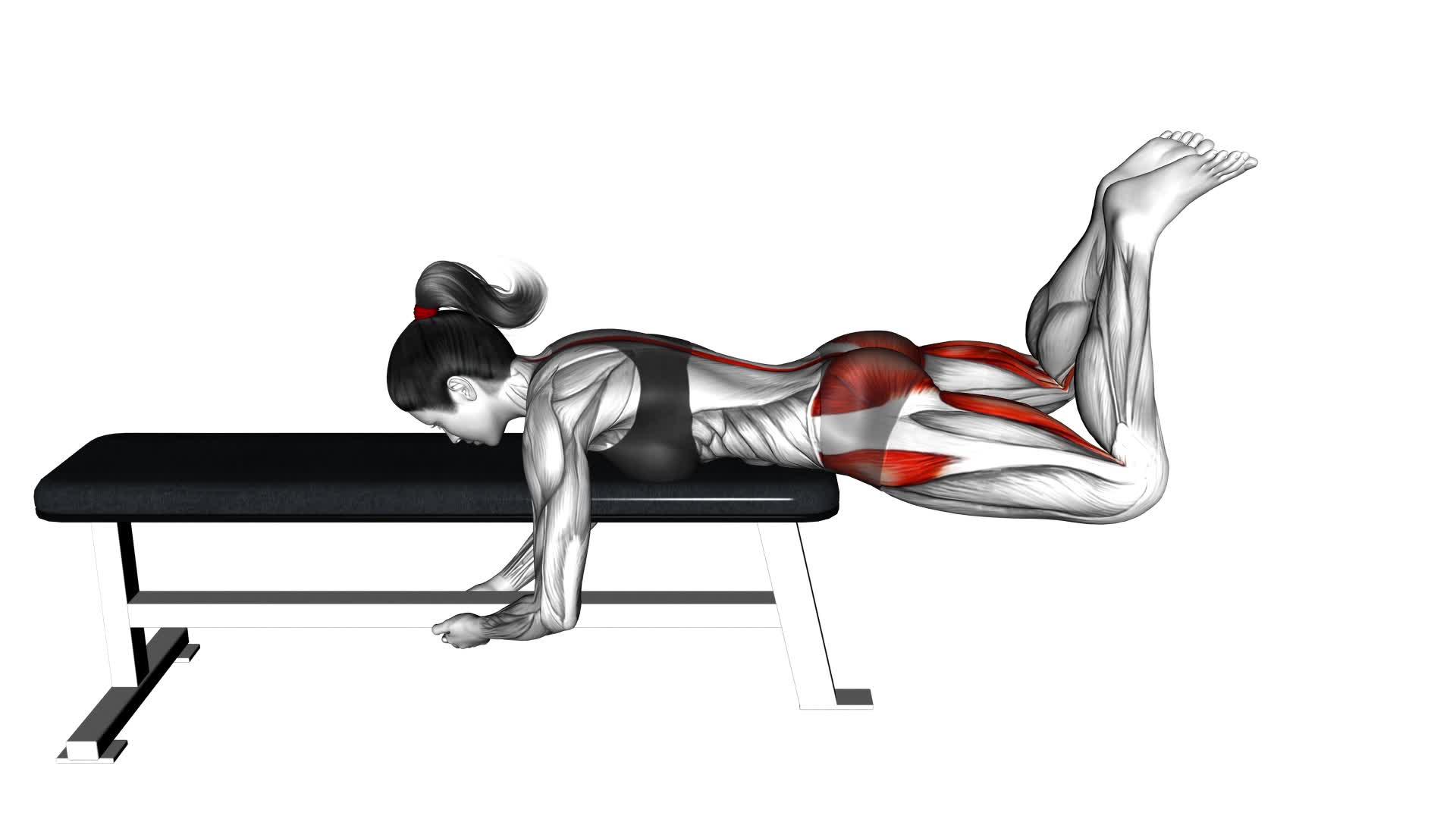
These benches focus on the lower back, glutes, and hamstrings. Strengthening these muscles helps maintain good posture. The core muscles also get activated during exercises. Strong muscles in these areas support daily activities and sports performance.
Impact On Flexibility
Hyperextension exercises gently stretch the lower back and hamstrings. This stretching improves flexibility over time. It allows for smoother, pain-free movements. Consistent use of the bench can increase joint mobility and reduce stiffness.
Additional Fitness Gains
Besides flexibility, these benches boost muscle endurance and strength. They help balance muscle groups to avoid imbalances. Improved strength in the back reduces the chance of injury. These exercises also support better balance and stability in the body.
Using Hyperextension Benches Safely
Using a hyperextension bench can help improve flexibility and strengthen your lower back. Safety is important to avoid injury and get the best results. Follow simple steps to use the bench correctly and protect your body.
Proper Form And Technique
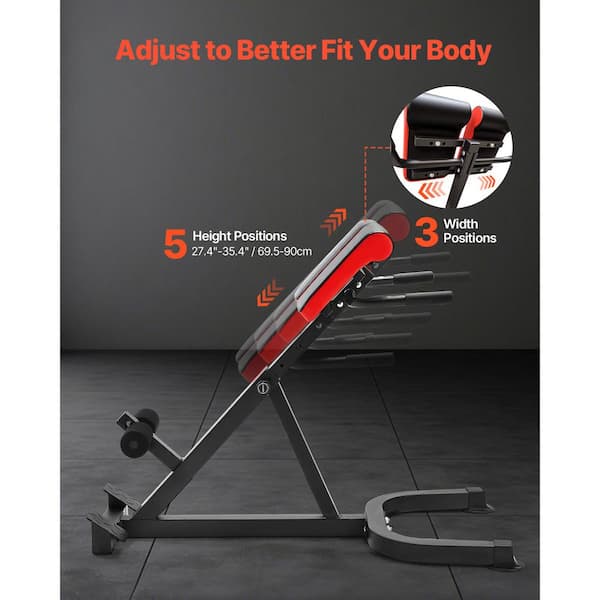
Keep your body straight and avoid arching your back too much. Position your hips on the pad and lock your feet securely. Move slowly and control your movements while bending forward and returning up. Focus on your core and lower back muscles to support the motion.
Common Mistakes To Avoid
Do not bend too far down or let your back sag. Avoid jerky or fast movements that strain your muscles. Do not place the pad too high or low, which can cause discomfort. Avoid overusing the bench; balance it with other exercises.
Warm-up And Stretching Tips
Start with light cardio to increase blood flow. Stretch your hamstrings, lower back, and hips before using the bench. Gentle stretching helps prepare muscles for exercise and reduces injury risk. Cool down with stretches after your session to improve flexibility.
Exercises To Boost Flexibility
Exercises that improve flexibility help your body move better. Using a hyperextension bench can target muscles in your lower back, hips, and hamstrings. These exercises stretch and strengthen at the same time. You can start with simple moves and try harder ones later. Adding regular stretching also helps your muscles stay loose and flexible.
Basic Hyperextension Moves
Start by adjusting the bench to fit your height. Place your hips on the pad and secure your feet. Slowly bend forward at the waist. Keep your back straight and lower your upper body as far as comfortable. Then raise your torso back up. Repeat this move for 10 to 15 reps. This exercise stretches your lower back and hamstrings gently.
Advanced Variations
Once basic moves feel easy, try adding weight. Hold a small plate or dumbbell close to your chest. Perform the same bending motion with the extra weight. Another option is twisting your torso slightly as you bend down. This works your oblique muscles and improves spinal flexibility. Aim for 8 to 12 reps for advanced variations.
Incorporating Stretching Routines
After hyperextension exercises, stretch your muscles further. Try hamstring stretches by reaching for your toes. Hold stretches for 20 to 30 seconds without bouncing. Add hip flexor stretches by lunging forward with one leg. These stretches help lengthen muscles and prevent stiffness. Regular stretching after workouts improves overall flexibility and reduces injury risk.
Comparing Flexibility Tools
Choosing the right tool for flexibility can be tricky. Different equipment serves different needs. Some focus on strength, others on stretch. Comparing these tools helps find what suits you best. Below, we look at some popular options and their roles in improving flexibility.
Hyperextension Benches Vs. Stretch Bands
Hyperextension benches mainly target the lower back and hamstrings. They allow controlled bending and extending movements. This helps in gently increasing range of motion.
Stretch bands offer more versatility. They can stretch many muscle groups and joints. Bands add resistance, helping muscles lengthen gradually. They are portable and easy to use anywhere.
Both tools improve flexibility but serve different purposes. Benches provide support for specific stretches. Bands encourage dynamic and varied movements.
Yoga And Pilates Benefits
Yoga and Pilates focus on whole-body flexibility. They combine stretching with breathing and balance. Regular practice improves muscle length and joint mobility.
These methods also strengthen muscles, reducing injury risk. They promote relaxation, which helps muscles stretch more easily. Flexibility gains come with improved body awareness.
Other Equipment Options
Foam rollers help release muscle tightness before stretching. They improve blood flow and reduce soreness.
Stretching straps assist in holding stretches longer. They support deeper flexibility work, especially for beginners.
Each tool has a unique role in flexibility training. Selecting the right mix depends on personal goals and comfort.
Tracking Progress And Results
Tracking progress and results is key to improving flexibility with hyperextension benches. It helps you see changes and stay focused on your goals. Without tracking, it is hard to know if your efforts work or need changes.
Measuring Flexibility Improvements
Use simple tests to check your flexibility regularly. For example, measure how far you can bend forward or sideways. Take note of the distance or angle before and after workouts. Use a tape measure or smartphone app to record your progress. Small changes over time show real improvement.
Setting Realistic Goals
Set clear and achievable goals for your flexibility journey. Start with small steps, like touching your toes or reaching a certain angle. Make your goals specific and time-bound. Realistic goals keep you focused and prevent frustration. Adjust goals as you improve to stay challenged.
Staying Motivated
Tracking progress helps keep motivation high. Celebrate small wins and improvements. Remind yourself why you started and how far you have come. Try to include variety in your routine to avoid boredom. Consistency beats intensity for long-term results.
Frequently Asked Questions
Can Hyperextension Benches Increase Body Flexibility?
Yes, hyperextension benches help improve flexibility by stretching and strengthening lower back and hamstring muscles. Regular use enhances range of motion and reduces muscle tightness.
How Often Should I Use A Hyperextension Bench?
For flexibility benefits, use the bench 2-3 times weekly. Consistent sessions help muscles adapt and improve flexibility gradually without risk of injury.
Are Hyperextension Benches Safe For Beginners?
Yes, beginners can safely use hyperextension benches with proper form and moderate intensity. Start slow and increase duration as flexibility improves to avoid strain.
What Muscles Do Hyperextension Benches Target?
These benches primarily target lower back, glutes, and hamstrings. Strengthening these areas supports spinal health and increases overall flexibility in the posterior chain.
Conclusion
Hyperextension benches can help improve your back and hip flexibility. They support safe stretching and strengthen muscles at the same time. Regular use may reduce stiffness and increase your range of motion. Always start slow and listen to your body to avoid injury.
Combine bench exercises with other stretches for best results. Consistency matters more than intensity in improving flexibility. Give your muscles time to adapt and grow stronger. Small steps lead to better movement and less pain. Try adding hyperextension benches to your fitness routine today.

