Are you wondering if leg press machines can help you recover from an injury or surgery? If you want to regain strength and mobility safely, choosing the right equipment is crucial.
The leg press machine is often recommended, but is it really good for rehabilitation? You’ll discover how this machine works, its benefits, and important tips to make sure your recovery stays on track. Keep reading to find out if the leg press could be the key to your comeback.
Today's Exclusive Deals
Limited-time Exclusive Deals. Check current discount on Amazon.
Check Price on Amazon As an Amazon Associate I earn from qualifying purchases.
Benefits For Rehab
Leg press machines offer many benefits for rehabilitation. They help patients regain strength safely. These machines allow precise control of movement and resistance. This makes them ideal for those recovering from injury or surgery. Using leg press machines supports a gradual and steady recovery process.
Controlled Movement
Leg press machines guide your legs through a set path. This control reduces the risk of wrong movements. It helps avoid extra stress on injured areas. Patients can focus on correct motion without losing balance. Controlled movement aids in rebuilding muscle memory safely.
Muscle Strengthening
Strengthening muscles is key during rehab. Leg press machines target major leg muscles effectively. They help rebuild muscle power and endurance step by step. Patients can adjust weight to match their ability. Stronger muscles support better recovery and reduce future injury risk.
Joint Support
Leg press machines support your joints during exercise. They reduce pressure on knees and hips compared to free weights. This support is crucial for healing joints after injury. The machine encourages proper alignment and movement. It helps protect joints while improving their strength and flexibility.
Common Injuries Treated
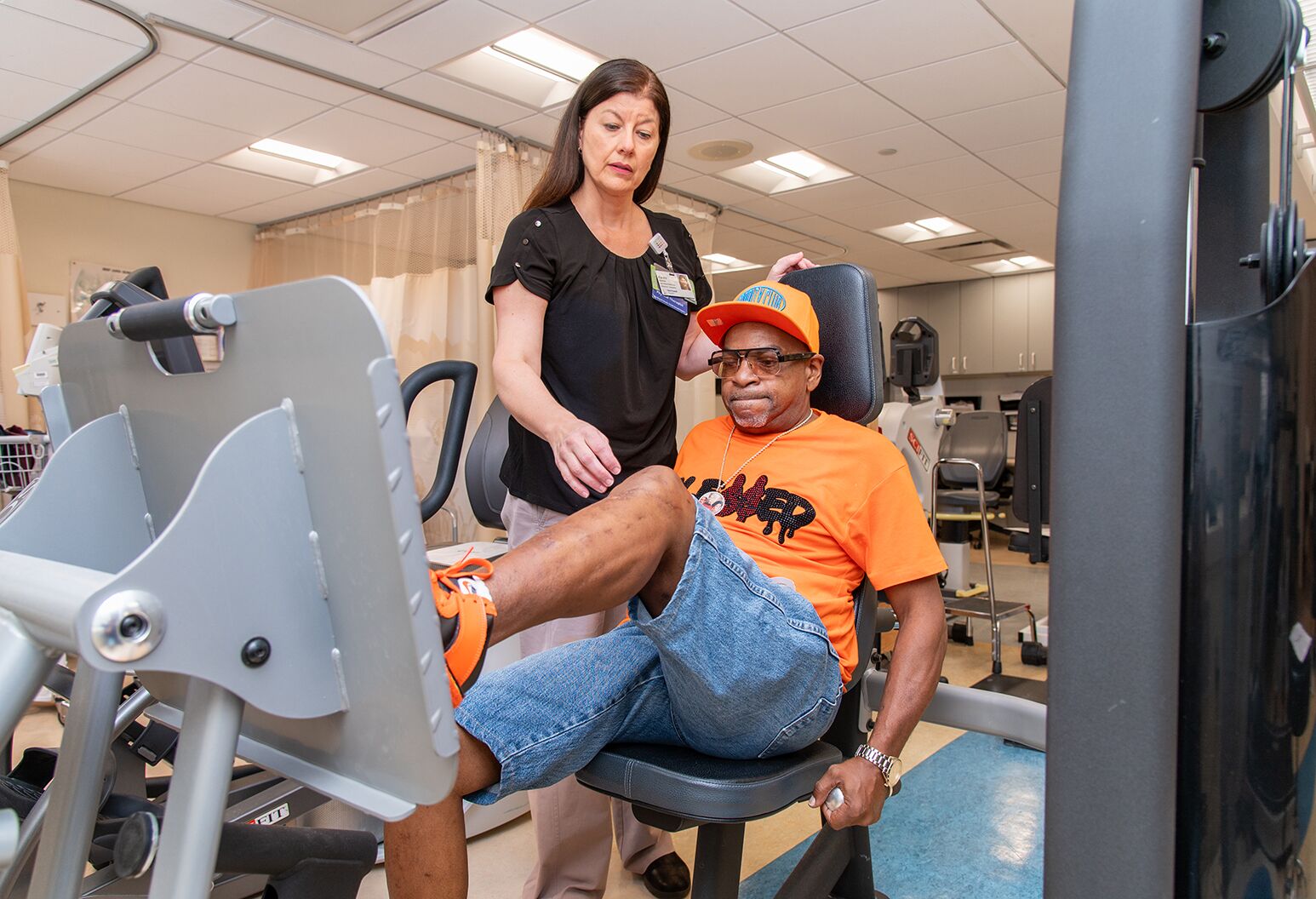
Leg press machines are common tools in rehabilitation centers. They help patients regain strength and mobility. Many injuries benefit from controlled leg press exercises. These machines allow safe, measured movements. The resistance can be adjusted to match recovery progress. Below are some common injuries treated with leg press machines.
Knee Recovery
Knee injuries often need careful strengthening. Leg press machines target the muscles around the knee. This support helps reduce pain and improve stability. Exercises avoid excessive bending that may cause harm. Patients rebuild strength without putting strain on the joint. Regular use helps improve knee function over time.
Hip Rehabilitation
Hip injuries require controlled movements and muscle support. The leg press machine helps activate hip muscles gently. It improves hip joint stability and range of motion. This reduces stiffness and aids in faster healing. Patients regain walking ability and balance through regular exercise.
Lower Back Support
Lower back pain can limit daily activities. Leg press exercises strengthen leg muscles to support the back. Strong legs reduce pressure on the spine. Controlled movements avoid strain on the lower back. This helps improve posture and decreases pain levels. Many find relief with consistent rehabilitation sessions.
Safety Considerations
Safety is a top priority when using leg press machines for rehabilitation. Careful attention helps avoid injury and ensures steady progress. Each user must understand how to use the machine correctly. Proper precautions make the rehabilitation process effective and safe.
Proper Form
Maintaining the right form reduces stress on joints and muscles. Feet should be placed evenly on the platform. Knees must not lock or move inward. The back should stay flat against the seat. Controlled, slow movements protect injured areas. Incorrect form can worsen injuries or cause new ones.
Weight Limitations
Start with low weights to avoid strain. Gradually increase resistance as strength improves. Overloading the machine risks muscle tears and joint pain. Follow guidelines from a healthcare professional. Respect your body’s limits to heal properly. Using too much weight slows recovery.
Supervision Needs
Supervision by a trained expert is important during rehab. They guide correct use and spot mistakes. Immediate help is available if pain or discomfort occurs. Professionals adjust exercises based on progress and needs. Supervision keeps motivation high and ensures safety. Avoid using the machine alone after injury.
Comparison With Other Exercises
Choosing the right exercise for rehabilitation is important. Different exercises offer various benefits and challenges. Comparing leg press machines with other common exercises helps you understand which suits your recovery best. Each method targets muscles differently and has unique safety levels.
Squats Vs Leg Press
Squats work many muscles at once. They engage the core, hips, and legs together. Squats improve balance and coordination. They need good form to avoid injury. Leg press machines focus mainly on leg muscles. They support your back and reduce joint strain. This makes leg presses safer for some injuries. Squats challenge stability more than leg presses.
Resistance Bands
Resistance bands offer gentle muscle strengthening. They are flexible and easy to adjust. Bands help improve muscle control and joint movement. You can use them anywhere, even at home. They provide less force than leg press machines. Bands suit early rehab stages or light exercises. Leg press machines add more weight and stability.
Bodyweight Exercises
Bodyweight exercises use your own weight for strength. Examples include lunges and step-ups. These exercises improve muscle endurance and balance. They require no equipment and are easy to do. Leg press machines allow more controlled, heavier resistance. Bodyweight moves help with functional strength for daily tasks.
Expert Recommendations
Experts often recommend leg press machines for rehabilitation. These machines offer controlled movement and support. They help rebuild strength safely after injury or surgery. Following expert advice ensures the best results and avoids harm.
Rehabilitation requires careful planning. The right timing, frequency, and progression matter. Experts guide patients to use leg press machines effectively.
When To Use
Use leg press machines only after a doctor approves. Early use can cause more injury. Start once pain and swelling reduce. It suits later stages of rehab for muscle strengthening. Avoid heavy weights in the beginning.
Ideal Frequency
Experts suggest two to three sessions per week. This frequency allows muscles to recover. Overdoing can slow healing. Short sessions with light resistance work best. Gradual increase in frequency is important.
Progression Tips
Begin with low weight and slow speed. Increase weight in small steps. Focus on smooth and controlled movements. Stop if pain or discomfort occurs. Combine leg press with other rehab exercises. Regular check-ins with a therapist help adjust progress.

Potential Drawbacks
Leg press machines offer benefits for rehabilitation. Still, they come with some drawbacks. Understanding these limits helps in choosing the right rehab tools. The following points highlight potential concerns to keep in mind.
Risk Of Overload
Leg press machines can cause too much strain. Users might push more weight than their muscles can handle. This overload can slow down recovery or cause injuries. Careful weight selection and supervision are important. Without proper guidance, the risk of harm increases.
Limited Functional Movement
These machines focus on straight leg pushes. Real-life movements often involve more complex actions. The leg press does not train balance or coordination well. This limits its use for restoring full daily function. Exercises that mimic real activities may be better for some patients.
Equipment Accessibility
Not all rehab centers have leg press machines. They can be large and expensive. This limits access for many patients. Some may need alternative exercises at home or in smaller gyms. Accessibility affects how often and how well patients can use this tool.
Frequently Asked Questions
Are Leg Press Machines Effective For Knee Rehabilitation?
Leg press machines help strengthen knee muscles safely. They control movement and reduce joint strain. This makes them ideal for rebuilding knee stability after injury or surgery.
Can Leg Press Machines Improve Muscle Recovery Post-injury?
Yes, leg press machines support gradual muscle recovery. They allow low-impact resistance training, boosting muscle strength without overloading injured tissues. This promotes faster, safer healing.
How Often Should I Use Leg Press Machines In Rehab?
Frequency depends on your rehab plan. Typically, 2-3 times weekly is effective. Always follow your therapist’s advice for optimal recovery and to avoid overuse.
Are Leg Press Machines Safe For Lower Back Injuries?
Leg press machines can be safe if used correctly. Proper form and light weights prevent lower back strain. Consult your therapist before adding them to your routine.
Conclusion
Leg press machines can help rebuild strength safely after injury. They support controlled movements and reduce joint strain. Using the machine with proper guidance lowers the risk of further harm. Many find it easier to focus on specific muscles during rehab.
Still, always check with a healthcare professional before starting. Consistency and patience matter most for recovery success. Small steps bring steady progress. The leg press is one useful tool among many for rehabilitation.