
Choosing the right barbell for your home gym can feel overwhelming. You want something that fits your space, matches your workout goals, and lasts for years.
But with so many options out there, how do you know which barbell is best for you? You’ll discover what makes a barbell great for home use and how to pick the perfect one to boost your workouts. Keep reading to find the barbell that will help you lift smarter, train harder, and get the results you want.
Today's Exclusive Deals
Limited-time Exclusive Deals. Check current discount on Amazon.
Check Price on Amazon As an Amazon Associate I earn from qualifying purchases.
Key Features To Consider
Choosing the right barbell for your home gym is important. It affects your workout safety and comfort.
Look at key features like size, material, grip, and sleeve type before buying a barbell.
Weight And Length
Barbells come in different weights and lengths. Pick one that fits your space and strength level.
Today's Exclusive Deals
Limited-time Exclusive Deals. Check current discount on Amazon.
Check Price on Amazon As an Amazon Associate I earn from qualifying purchases.Standard barbells weigh 20 kg (44 lbs) and are about 7 feet long. They fit most exercises.
- Lighter barbells (10-15 kg) are good for beginners.
- Shorter barbells suit small home gyms.
- Longer barbells allow more grip options.
Material And Durability
Barbells are made from steel, which is strong and lasts long. Look for high-quality steel.
Some barbells have coatings like chrome or zinc. These prevent rust and damage.
- Stainless steel resists rust best.
- Chrome finish looks nice and protects the bar.
- Zinc coating is budget-friendly and prevents rust.
Knurling And Grip
Knurling is the pattern on the bar’s grip area. It helps you hold the bar firmly.
Today's Exclusive Deals
Limited-time Exclusive Deals. Check current discount on Amazon.
Check Price on Amazon As an Amazon Associate I earn from qualifying purchases.Choose knurling that feels comfortable and not too sharp. Some bars have center knurling for better grip.
- Light knurling suits beginners and comfort.
- Medium knurling is good for most lifters.
- Aggressive knurling helps with heavy lifts but can be harsh on skin.
Sleeve Type And Rotation
The sleeves hold the weight plates. Look for smooth rotation to protect your wrists.
Barbells with bearings or bushings offer better sleeve rotation. This reduces stress during lifts.
- Bearings provide smoothest rotation for Olympic lifts.
- Bushings offer good rotation at a lower cost.
- Non-rotating sleeves are less common and limit lift types.
Types Of Barbells For Home Gyms
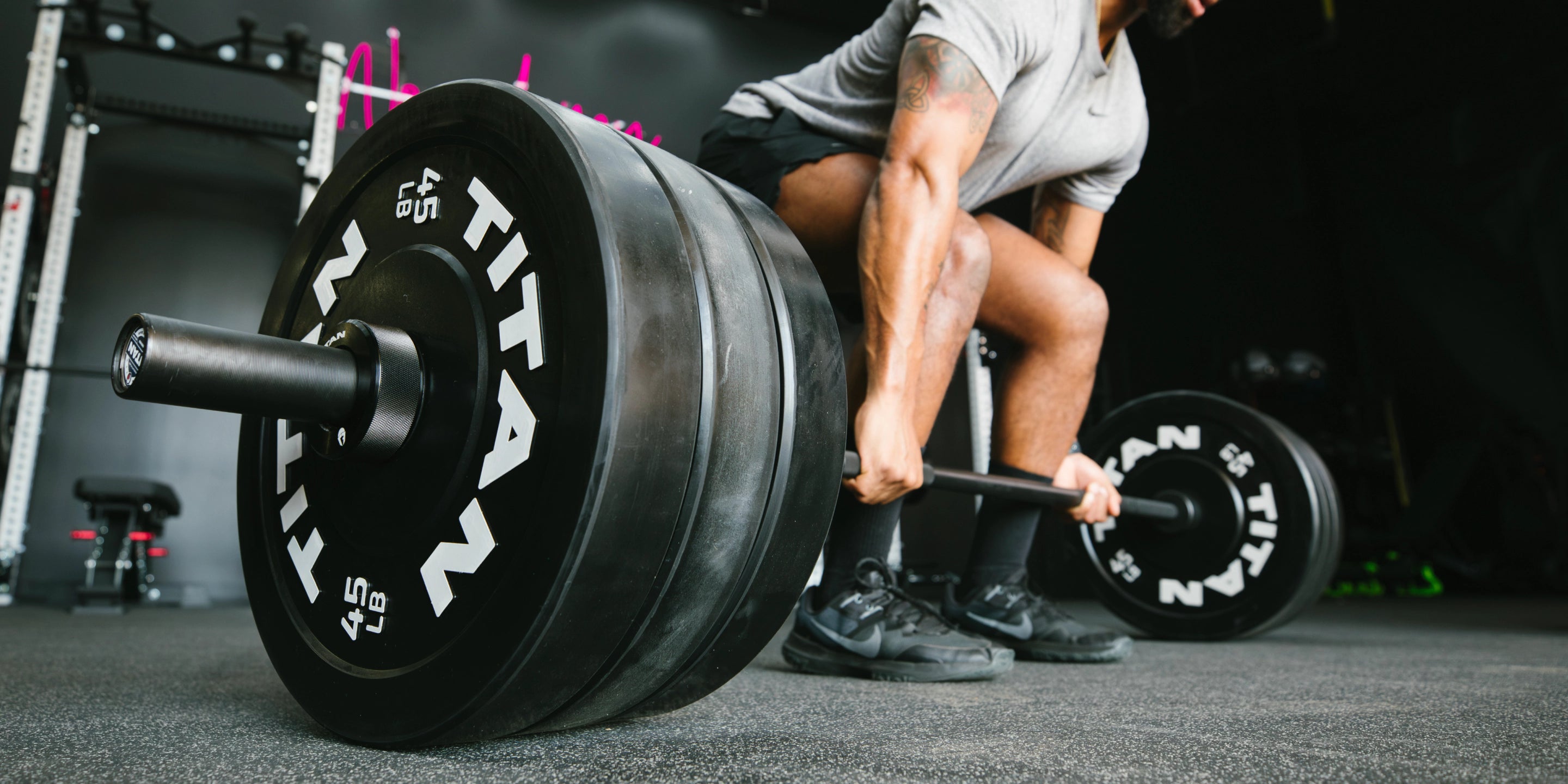
Choosing the right barbell is important for your home gym. Different types fit different workouts and spaces.
Here are some common types of barbells you can use at home. Each has its own benefits and uses.
Standard Barbells
Standard barbells are simple and easy to use. They usually weigh less and fit smaller spaces.
These bars work well for light lifting and general fitness. They have smaller sleeves that fit regular weight plates.
- Usually 5 to 7 feet long
- Weigh about 15 to 25 pounds
- Good for beginners and light workouts
- Less expensive than Olympic bars
Olympic Barbells
Olympic barbells are heavier and stronger. They are the choice for serious lifters and athletes.
These bars have wider sleeves that hold Olympic weight plates. They spin on bearings to help with lifts.
- Standard length is 7 feet
- Weighs 44 pounds (20 kg)
- Fits Olympic-sized plates
- Used for powerlifting and Olympic lifts
Trap Bars
Trap bars have a square or hex shape. You stand inside the bar to lift, which feels different from a straight bar.
They are great for deadlifts and shrugs. Trap bars reduce stress on the back and help keep good form.
- Hexagonal shape for standing inside
- Handles on the sides for easy grip
- Good for beginners and rehab
- Helps protect the lower back
Ez Curl Bars
EZ curl bars have a zigzag shape. They are made for arm exercises like curls and tricep extensions.
The shape reduces strain on the wrists. These bars are lighter and shorter than standard barbells.
- Shorter length, about 4 feet
- Curved shape for wrist comfort
- Ideal for biceps and triceps
- Lightweight and easy to handle
Top Barbells For Different Workouts
Choosing the right barbell can improve your workout quality. Each type suits a specific training style.
This guide helps you find the best barbells for powerlifting, Olympic lifting, general strength, and budget needs.
Best For Powerlifting
Powerlifting barbells are built for heavy loads and durability. They have less whip for stability during lifts.
Look for barbells with a high tensile strength and strong knurling for a firm grip.
- High tensile steel (190,000 PSI or more)
- Stiff shaft with minimal flex
- Aggressive knurling for grip
- Standard 29mm diameter
- Center knurling for better control
Best For Olympic Lifting
Olympic barbells are designed for fast, dynamic moves. They have more whip and smooth rotation.
Look for a barbell with good spin and a slightly thinner shaft to help with quick lifts.
- High-quality bearings or bushings
- 28mm diameter for better hand fit
- Good whip for explosive moves
- Less aggressive knurling to avoid hand tears
- Usually no center knurling
Best For General Strength Training
General strength barbells work well for many exercises. They balance stiffness and flexibility.
Choose a barbell that feels comfortable for squats, presses, and deadlifts.
- Standard 28-29mm diameter
- Moderate whip for versatility
- Medium knurling for grip and comfort
- Durable coating to resist rust
- Good weight capacity (at least 700 lbs)
Best Budget Options
Budget barbells can fit tight budgets while offering decent quality. They are good for beginners.
Look for barbells that meet safety standards and have decent build quality.
- Steel shaft with at least 150,000 PSI
- Basic but functional knurling
- Standard diameter (28-29mm)
- Simple coating to prevent rust
- Weight capacity around 500-700 lbs

Maintenance Tips For Longevity
Choosing the right barbell for your home gym is important. Keeping it in good shape helps it last longer. Regular care protects your investment.
This guide covers simple steps to maintain your barbell. Follow these tips to keep it strong and safe for workouts.
Cleaning And Rust Prevention
Clean your barbell after each use. Sweat and dust can cause rust over time. Use a dry cloth to wipe it down well.
Apply a light coat of oil to protect the metal. Use a rust-preventive spray or 3-in-1 oil on the shaft and sleeves. Avoid heavy oils that attract dirt.
- Wipe off sweat and dirt after workouts
- Use a soft brush to clean knurling
- Apply light oil to prevent rust
- Store in a dry place to reduce moisture
Storage Solutions
Store your barbell properly to avoid damage. Keep it off the floor to prevent moisture contact. Use a rack or wall mounts designed for barbells.
Avoid stacking heavy weights on the barbell. This can bend the shaft or damage bearings. Keep the bar in a safe space with good air flow.
- Use a vertical or horizontal barbell rack
- Keep barbell in a dry, well-ventilated area
- Do not lean barbell against walls
- Keep weights stored separately
Regular Inspection
Check your barbell regularly for signs of wear. Look at sleeves, shaft, and collars. Tighten loose parts to keep it safe.
Look for rust spots or bends. Replace damaged parts quickly. Regular checks help prevent accidents and keep your barbell working well.
- Inspect the shaft for bends or cracks
- Check sleeves for smooth rotation
- Ensure collars lock weights securely
- Clean and oil after inspection
Where To Buy Quality Barbells
Choosing the right barbell is important for your home gym. Quality barbells last longer and feel better to use. You can find good barbells from different places.
This guide explains where to buy quality barbells. It covers online retailers, specialty fitness stores, and secondhand options.
Online Retailers
Online stores offer many barbell choices. You can compare brands, prices, and reviews before buying. Shopping online saves time and lets you find rare barbells.
Look for sellers with good ratings. Check product details to ensure the barbell fits your needs. Shipping and return policies are important too.
- Amazon
- Rogue Fitness
- Titan Fitness
- REP Fitness
Specialty Fitness Stores
Fitness stores often have high-quality barbells. You can test the barbell feel and grip in person. Staff can give advice based on your workout goals.
These stores usually carry brands known for durability. Prices may be higher but the service and support are helpful. Look for stores near your location for easy pickup.
- Local gym equipment shops
- Sports specialty stores
- Large fitness chains
Secondhand Options
Used barbells can be a budget-friendly choice. Check condition carefully before buying. Look for rust, bent bars, or loose collars.
Secondhand barbells may come from gyms or personal sellers. Meeting the seller in person helps inspect the barbell closely. Used barbells can work well if maintained properly.
- Online marketplaces like eBay and Craigslist
- Local classified ads
- Gym equipment resellers
Frequently Asked Questions
Which Barbell Type Suits A Home Gym Best?
For home gyms, a standard or Olympic barbell is ideal. Olympic barbells offer durability and versatility for various exercises. Standard barbells are budget-friendly and space-saving, perfect for beginners. Choose based on your workout goals, available space, and budget.
How To Choose A Barbell For Limited Space?
Select a compact or multi-purpose barbell for small spaces. Adjustable barbells save room and allow weight changes. Consider barbells with shorter sleeves to fit smaller areas. Prioritize storage-friendly designs to maximize your home gym space efficiently.
What Weight Capacity Should A Home Gym Barbell Have?
Aim for a barbell with at least 300-500 lbs capacity. This range supports most strength training exercises and progressions. Heavier capacity barbells are better for advanced lifting. Ensure the bar can handle your current and future workout needs.
Are Olympic Barbells Better Than Standard Barbells?
Olympic barbells are generally more durable and versatile than standard barbells. They spin on bearings, reducing wrist strain during lifts. Standard barbells are lighter and more affordable but less suitable for heavy lifting. Choose based on your lifting style and budget.
Conclusion
Choosing the right barbell for your home gym is crucial. Consider your workout goals and space. A versatile barbell meets most needs and fits well. Look for durability and comfort. Budget plays a role too. Some barbells offer great value.
Others come with specific features. Think about your future fitness journey. Will your needs change? A well-chosen barbell grows with you. Investing wisely now saves money later. Keep these factors in mind. Your perfect barbell is out there. Ready to support your fitness goals at home.

