Do you want to boost your overall strength and improve your daily life? Building powerful legs is the key.
Strong legs don’t just look great—they help you move with ease, avoid injuries, and increase your stamina. Imagine climbing stairs without getting tired or running faster without feeling pain. You’ll discover why leg strength matters more than you think and how it can transform your body and confidence.
Keep reading to find out how to unlock your full potential starting from the ground up.
Benefits Of Strong Legs
Strong legs are important for many parts of life. They help in sports, daily tasks, and staying safe. Building powerful legs improves your overall health and makes many activities easier. Here are some key benefits of having strong legs.
Improved Athletic Performance
Strong legs give you more power and speed. You can run faster, jump higher, and move better. Sports like soccer, basketball, and running depend on leg strength. Strong legs also help with balance and quick changes in direction.
Enhanced Daily Mobility
Leg strength makes everyday movements easier. Walking, climbing stairs, and carrying things become less tiring. Strong legs help you stay independent and active. They support your body and keep you stable during movement.
Injury Prevention
Powerful legs protect your joints and bones. They reduce the risk of falls and strains. Strong muscles absorb shocks better and keep your knees and hips safe. Building leg strength lowers chances of common injuries.
Key Muscles In The Legs
Strong legs do more than help you run or jump. They support your whole body. Understanding the key muscles in the legs shows why building them is important. Each muscle group has its role. Together, they keep you balanced and powerful.
Quadriceps And Hamstrings
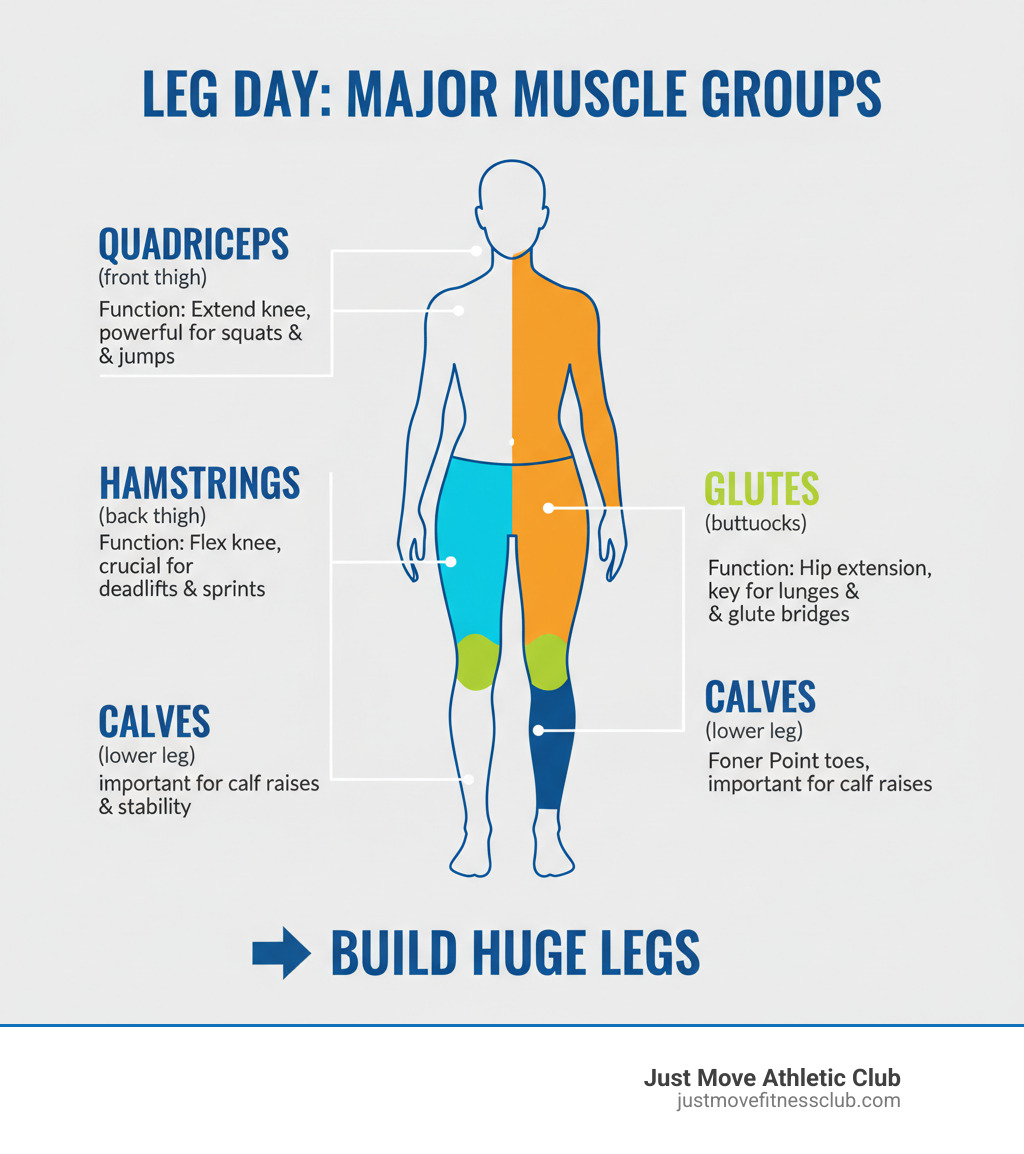
The quadriceps are the large muscles at the front of your thighs. They help you straighten your knee and push off the ground. The hamstrings sit at the back of the thighs. They bend your knees and help you move backward. Both work together during walking, running, and climbing.
Calves And Glutes
The calves are the muscles at the back of your lower legs. They lift your heels and help you stand on tiptoes. The glutes are your butt muscles. They control hip movement and stabilize your hips when you walk or run. Strong calves and glutes improve your balance and power.
Core Connection
Your core muscles link your upper body and legs. They keep your spine stable and support good posture. A strong core helps your legs move better and reduces injury risk. Training your core with your legs creates better body control.
Leg Training Techniques
Training legs properly needs the right techniques. Strong legs improve balance, power, and daily movement. Using effective exercises helps build muscle and strength quickly. Focus on different types of movements for full leg development.
Compound Exercises
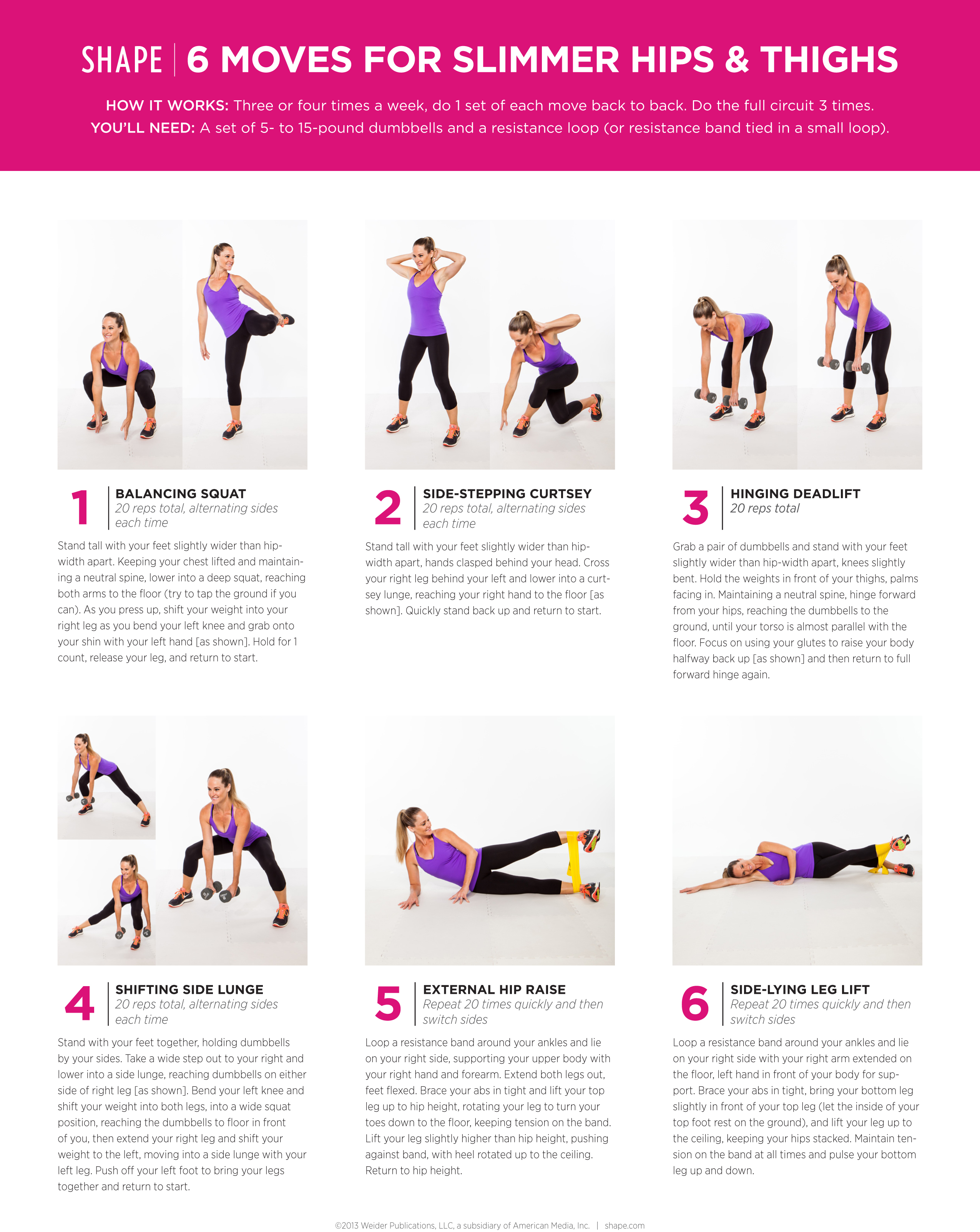
Compound exercises work several muscles at once. Squats, deadlifts, and lunges target quads, hamstrings, glutes, and calves. These moves build strength and coordination. They also burn more calories than simple exercises. Start with good form to avoid injury.
Isolation Movements
Isolation movements target one muscle group at a time. Leg curls and leg extensions focus on hamstrings and quads separately. These help fix muscle imbalances and improve shape. Use light to moderate weights for best control. Isolation exercises support compound lifts.
Progressive Overload
Progressive overload means increasing effort over time. Add more weight, reps, or sets gradually. This forces muscles to grow and get stronger. Track progress to stay motivated. Without overload, muscles stop improving. Keep challenging legs to see results.
Building Endurance In Legs
Building endurance in your legs helps you move longer without feeling tired. Strong leg endurance supports daily activities like walking, climbing stairs, or standing for hours. It also improves your performance in sports and workouts. Training your legs for endurance means doing exercises that challenge your muscles to work for a longer time. This section covers effective ways to build leg endurance.
Cardio Workouts
Cardio workouts increase your heart rate and keep your legs moving. Running, cycling, and swimming are great examples. These exercises improve blood flow and oxygen delivery to leg muscles. Regular cardio helps your legs resist fatigue. Try steady-paced runs or bike rides lasting 30 minutes or more. Consistent cardio strengthens your leg muscles over time.
High-rep Strength Training
High-rep strength training means using lighter weights with many repetitions. Exercises like squats, lunges, and leg presses build muscle endurance. Doing 15 to 20 reps per set works best. This method trains your muscles to keep working under stress. It improves muscle stamina and delays tiredness. Focus on controlled movements and full range of motion.
Plyometric Drills
Plyometric drills involve fast, explosive movements. Jumping, hopping, and bounding are common plyometric exercises. They boost power and endurance in leg muscles. These drills train your legs to react quickly and recover fast. Include plyometric moves twice a week for best results. Start with low-impact jumps and increase intensity gradually.
Common Mistakes To Avoid
Building powerful legs takes more than just effort. Avoiding common mistakes is key to better results. These errors can slow progress and cause injury. Focus on what matters most to stay safe and strong.
Neglecting Proper Form
Using wrong form is a frequent problem. It reduces exercise effectiveness. It can also lead to pain and injury. Always keep your back straight and knees aligned. Control your movements. Quality beats quantity every time.
Ignoring Recovery
Skipping rest days hurts muscle growth. Muscles need time to repair and grow. Without recovery, fatigue builds up quickly. This makes workouts less effective. Listen to your body and take breaks.
Overtraining
Training too much can do more harm than good. It causes tired muscles and weakens your immune system. Overtraining slows progress and increases injury risk. Balance workouts with rest for steady improvement.
Nutrition Tips For Leg Strength
Strong legs need more than just exercise. Proper nutrition plays a key role in building leg strength. Eating the right foods helps muscles recover and grow faster. Fuel your body well to support tough workouts and improve performance.
Focus on nutrients that repair muscle, reduce fatigue, and boost energy. Small changes in your diet can make a big difference in leg power. Learn how to eat smart for stronger legs.
Protein Intake
Protein is essential for muscle repair and growth. Include lean meats, eggs, dairy, and plant proteins in your meals. Aim for a protein source at every meal to support leg muscles. Protein helps rebuild fibers after tough training sessions.
Hydration
Water keeps muscles working well and prevents cramps. Drink water before, during, and after exercise. Staying hydrated improves strength and reduces tiredness. Avoid sugary drinks that can drain energy.
Supplements
Supplements can help fill nutrition gaps. Creatine boosts muscle power and endurance. Branched-chain amino acids (BCAAs) reduce soreness and speed recovery. Always choose quality products and check labels carefully.
Tracking Progress And Staying Motivated
Tracking progress and staying motivated are key to building powerful legs. Progress shows how far you have come. Motivation keeps you moving forward on tough days. Without tracking, it is easy to lose focus. Without motivation, workouts can feel like a chore. Simple steps help you stay on track and excited.
Setting Goals
Set clear goals for your leg training. Goals give you a target to aim for. Choose goals that are realistic and measurable. For example, increase your squat weight or run longer distances. Write your goals down and review them often. Goals help you see progress and keep you motivated.
Using Performance Metrics
Use numbers to measure your leg strength and endurance. Track your weight lifted, reps completed, or time spent running. Record your progress in a notebook or app. Seeing numbers improve is encouraging. Metrics make your progress visible and real. They help you adjust your workouts as needed.
Maintaining Consistency
Train your legs regularly to build strength and muscle. Consistency beats occasional intense workouts. Make a schedule and stick to it. Even short sessions add up over time. Consistency builds habits and improves results. Keep going even when progress seems slow. Small steps lead to big changes.

Frequently Asked Questions
Why Is Building Powerful Legs Important For Overall Fitness?
Building powerful legs improves balance, stability, and endurance. Strong legs support daily activities and reduce injury risk. They also enhance athletic performance and promote better posture.
How Do Strong Legs Benefit Athletic Performance?
Strong legs increase speed, agility, and jumping ability. They provide a solid foundation for running, cycling, and sports. Enhanced leg strength helps sustain energy during intense workouts.
Can Powerful Legs Improve Weight Loss And Metabolism?
Yes, leg muscles are large and burn more calories. Strong legs boost metabolism and promote fat burning. Leg workouts increase overall calorie expenditure, aiding weight loss.
What Are The Best Exercises To Build Powerful Legs?
Squats, lunges, deadlifts, and leg presses are effective. These exercises target all major leg muscles. Consistent training with proper form maximizes strength gains.
Conclusion
Strong legs help you move better every day. They improve balance and keep you steady. Building leg muscles supports your joints and bones. You can prevent injuries with stronger legs. Sports and activities become easier and more fun. Plus, strong legs help burn more calories.
Start small and stay consistent for best results. Your body will thank you with more energy and strength. Don’t wait—take care of your legs now. They are the foundation of a healthy, active life.
