
Looking to make your small home gym feel bigger and more effective? You’re not alone.
When space is tight, every inch counts, and finding smart ways to expand your workout area can transform your fitness routine. Imagine having room for more equipment, better movement, and a setup that motivates you every time you step inside.
This article will show you simple, practical tips to maximize your space and create the gym you’ve always wanted—without breaking the bank or needing a bigger house. Ready to unlock your gym’s full potential? Let’s dive in.

Assessing Your Space
Expanding a small home gym starts with understanding your space. You need to know what area you have and how to use it well.
Careful planning helps you add new equipment and keep the gym safe and comfortable.
Measuring Available Area
First, measure the room or corner where you want to expand. Use a tape measure to get the length and width.
Note the ceiling height too. Some exercises need more headroom than others.
- Measure floor space in feet or meters
- Check for any odd shapes or corners
- Record wall heights and ceiling details
Identifying Usable Zones
Look for areas where you can place equipment or exercise freely. Avoid spots with obstacles or poor lighting.
Divide your space into zones like cardio, weights, and stretching. This helps organize your gym better.
- Choose well-lit areas for cardio machines
- Keep weight equipment on sturdy floors
- Reserve open space for stretching or yoga
Clearing Clutter
Remove items that do not belong in your gym. This frees up space and makes your workouts safer.
Keep only the equipment you use often. Store other things outside the gym area.
- Throw away broken or unused equipment
- Use shelves or hooks to store small items
- Keep floors clear to avoid tripping
Choosing Essential Equipment
Expanding a small home gym needs careful equipment choices. Picking the right gear saves space and boosts workouts.
Focus on tools that serve many purposes and fit your room well. This helps you get the most from your gym area.
Multi-functional Machines
Multi-functional machines combine many exercises in one unit. They save floor space and allow full body workouts.
Look for machines that offer options like pull-ups, presses, and rows. These help train different muscles efficiently.
- Compact design fits small spaces
- Multiple exercise options in one machine
- Easy to switch between exercises
Compact Cardio Options
Choose cardio equipment that does not take much space. Compact machines keep your gym open and less crowded.
Examples include foldable treadmills, mini steppers, and small rowing machines. These provide good workouts without bulk.
- Foldable treadmills for easy storage
- Mini steppers that fit under a desk
- Compact rowing machines for full body cardio
Adjustable Weights
Adjustable weights save space compared to full weight sets. You can change the weight as needed for each exercise.
These include adjustable dumbbells and weight plates. They help you do strength training without clutter.
- Adjustable dumbbells replace many fixed weights
- Weight plates can fit on bars for varied loads
- Easy to store when not in use
Maximizing Storage Solutions
Expanding a small home gym means using space smartly. Good storage helps keep the room tidy.
Maximizing storage solutions makes your gym look bigger and works better for your workouts.
Wall-mounted Racks
Wall-mounted racks save floor space by holding equipment on the walls. They keep items easy to reach.
You can mount racks for weights, bands, or mats. This keeps your gear off the floor and organized.
- Install racks near your workout area
- Use hooks for jump ropes and resistance bands
- Add shelves for small items like gloves or towels
Under-equipment Storage
Use the space under machines for storage. Drawers or baskets fit well under benches or treadmills.
This hidden space holds smaller items like dumbbells, yoga blocks, or foam rollers. It keeps the gym neat.
- Choose storage that fits under your equipment
- Label boxes or bins for easy finding
- Keep heavy items low to avoid lifting strain
Foldable Gear
Foldable gear saves space when not in use. Foldable benches and mats can be stored in closets or corners.
This gear is easy to move and keeps your gym flexible. You get more room for different exercises.
- Look for foldable benches and workout mats
- Store them upright to save space
- Use wall hooks or simple shelves for folded items

Incorporating Smart Design
Expanding a small home gym needs smart design choices. These choices help use space well and make workouts better.
Good design makes your gym feel larger and more comfortable. It also keeps the space safe and inviting.
Lighting And Mirrors
Bright lighting makes the gym feel open and fresh. Use lights that do not create glare or shadows on workout areas.
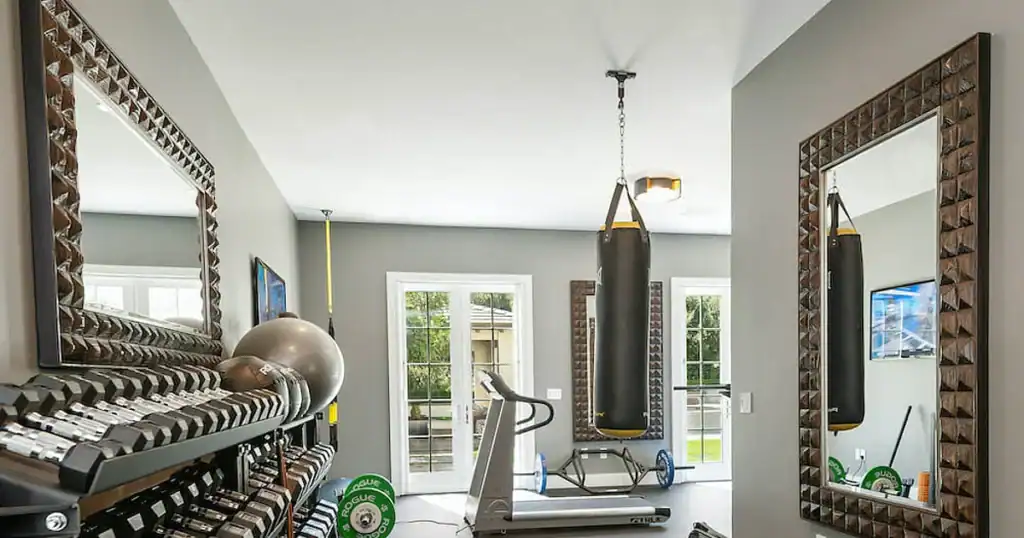
Mirrors add depth and help check your form. Place mirrors on walls to reflect light and increase space feeling.
- Use LED lights for clear, energy-saving brightness
- Install large wall mirrors for better space perception
- Avoid harsh overhead lights that cause shadows
Ventilation And Flooring
Good air flow keeps the gym fresh and cool. Open windows or use fans to move air during workouts.
Flooring should protect your floor and reduce noise. Choose materials that are easy to clean and safe to use.
- Use rubber mats to protect floors and absorb sound
- Keep windows or vents open for fresh air
- Consider small fans to improve air circulation
Color And Decor Tips
Light colors make a small gym look bigger. Use soft colors like light blue or pale gray for walls.
Keep decor simple to avoid clutter. Add a few plants or art pieces to make the space inviting.
- Choose light wall colors for a spacious feel
- Limit decorations to avoid crowding the space
- Add small green plants for a fresh look
Setting Up Workout Zones
Expanding a small home gym means using space smartly. Dividing your gym into zones helps you work out better.
Each zone focuses on a type of exercise. This keeps your gym organized and easy to use.
Strength Training Area
Set up a corner with weights and machines for strength training. Use racks to keep dumbbells and bars tidy.
Choose a spot with enough room to move safely. A mirror helps check your form during workouts.
- Weight rack or storage
- Adjustable bench
- Barbells and dumbbells
- Mirrors for form
- Non-slip flooring
Cardio Corner
Pick a small area for cardio machines like a treadmill or bike. Keep this zone clear for easy movement.
Add a fan or open window for fresh air. A small shelf can hold water bottles and towels.
- Treadmill, bike, or jump rope
- Fan or ventilation
- Water and towel shelf
- Clear space for movement
Stretching And Recovery Space
Reserve a quiet spot for stretching and recovery. Use mats and foam rollers here for comfort and care.
Keep this area free of clutter. Soft lighting can help create a relaxing atmosphere.
- Exercise mats
- Foam rollers and blocks
- Space to move freely
- Calm lighting
Budget-friendly Expansion Ideas
Expanding a small home gym can be done without spending a lot. Smart choices help you add space and equipment affordably.
Using budget-friendly ideas lets you improve your gym step by step. You can build a better workout area at low cost.
Buying Secondhand Equipment
Secondhand gym equipment often costs much less than new gear. Many pieces are still in good condition and work well.
Look for local sales or online marketplaces. Check for any damage and test the equipment before buying.
- Dumbbells and kettlebells
- Resistance bands and mats
- Weight benches and racks
- Cardio machines like bikes or treadmills
Diy Enhancements
Doing simple projects yourself can save money. You can build storage, add mirrors, or create workout stations.
Use basic tools and materials. Small upgrades make your gym more useful without big costs.
- Build shelves for weights and gear
- Install wall hooks for bands and ropes
- Make a wooden plyo box for jumps
- Put up mirrors to check form
Prioritizing Purchases
Choose equipment that fits your workout goals first. Focus on items you will use the most to get the best value.
Plan your buys based on space and budget. Adding one or two pieces at a time helps you expand steadily.
- Start with basic weights like dumbbells
- Add versatile tools like resistance bands
- Include a bench for many exercises
- Buy cardio equipment last if space is tight
Maintaining Safety And Comfort
Expanding a small home gym needs care to keep it safe and comfy. Proper space use helps avoid injuries and makes workouts better.
Safety and comfort go hand in hand. You should plan your gym so it feels good and protects you while exercising.
Proper Equipment Installation
Install gym equipment correctly to prevent accidents. Use the right tools and follow instructions carefully.
Secure machines and weights firmly to the floor or walls. This keeps them from moving or falling during use.
- Check bolts and screws regularly
- Place heavy equipment on stable surfaces
- Keep cables and wires tidy and out of the way
Non-slip Surfaces
Non-slip floors stop slips and falls. Use mats or special flooring made for gyms.
Choose materials that give good grip and are easy to clean. Avoid smooth or slippery floors.
- Rubber mats protect floors and add grip
- Foam tiles soften impact and reduce noise
- Keep floors dry and free from obstacles
Adequate Lighting
Good lighting helps you see equipment and avoid accidents. Bright lights make the space feel open and safe.
Use lights that do not cause glare or shadows. Natural light is best but combine it with ceiling or wall lights.
- Install overhead LED lights for clear visibility
- Add adjustable lamps for focused light areas
- Keep windows clean to let in daylight

Frequently Asked Questions
How Can I Maximize Space In A Small Home Gym?
Use vertical storage and multi-functional equipment to save space. Declutter regularly and choose compact machines. Mirrors can create an illusion of more space. Prioritize essential gear that fits your workout style.
What Equipment Is Best For Small Home Gyms?
Opt for adjustable dumbbells, resistance bands, and foldable benches. Compact cardio machines like foldable treadmills work well. These save space and offer versatile workouts without cluttering the room.
How To Improve Lighting In A Small Home Gym?
Use bright, natural light or LED bulbs to energize the space. Avoid harsh overhead lights; instead, try wall-mounted or floor lamps. Good lighting enhances mood and visibility during workouts.
Can Mirrors Help Expand A Small Home Gym Visually?
Yes, mirrors create an illusion of more space by reflecting light. Position them opposite windows or light sources for maximum effect. They also help monitor form during exercises.
Conclusion
Expanding a small home gym is simple with the right plan. Start by assessing your space and needs. Choose versatile equipment to save room and money. Organize your layout for easy movement. Consider multi-functional machines for varied workouts. Keep the area tidy to maximize space.
Regularly update your equipment as your fitness goals grow. Stay flexible and adapt to your changing needs. A well-planned gym boosts motivation and results. Enjoy building your personal fitness haven.
