Surfing is more than riding waves; it’s about understanding the ocean and respecting your limits. One key part of this is knowing when to wear a wetsuit. The water temperature can make surfing comfortable or dangerous. If you misjudge it, you risk cold shock, muscle cramps, or even hypothermia. On the other hand, wearing a wetsuit in warm water is uncomfortable and unnecessary. So, what water temperature really requires a wetsuit for surfing? Let’s break down the facts, give you clear guidance, and help you stay safe—and stoked—in the lineup.
Why Water Temperature Matters For Surfers
Water pulls heat from your body 25 times faster than air. This means even if the air feels warm, cool water can chill you quickly. Losing body heat is not just uncomfortable—it can slow your reaction time, affect your muscles, and put you in danger. For beginners, it’s easy to underestimate how quickly you can get cold.
Wetsuits are designed to trap a thin layer of water between your skin and the suit. Your body heats this water, creating insulation. But if the temperature is too cold, even the best wetsuit can’t keep you warm forever. That’s why it’s essential to know the right wetsuit thickness for different water temperatures.
Key Temperature Ranges For Wetsuits
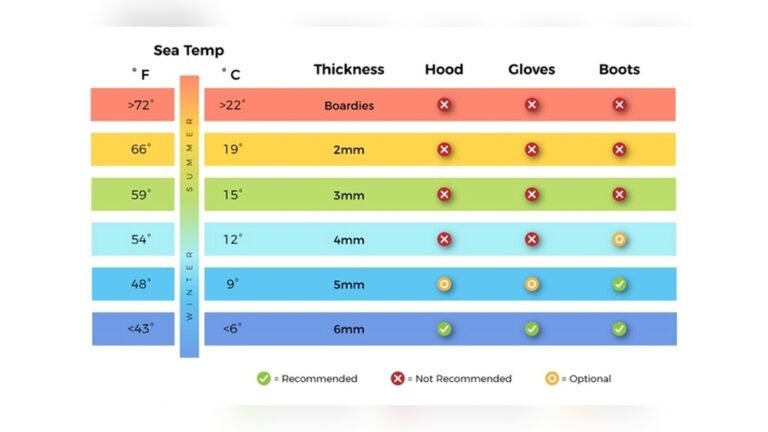
Let’s look at the general guidelines for wetsuit use based on water temperature. These ranges are trusted by most surf brands and surf schools around the world.
| Water Temperature (°C) | Water Temperature (°F) | Wetsuit Recommendation |
|---|---|---|
| 23°C and above | 74°F and above | No wetsuit needed |
| 20–22°C | 68–73°F | Shorty (spring suit) |
| 17–19°C | 63–67°F | 3/2mm full suit |
| 12–16°C | 54–62°F | 4/3mm full suit, boots |
| 8–11°C | 47–53°F | 5/4mm or 5/3mm full suit, boots, gloves, hood |
| Below 8°C | Below 47°F | 6/5mm+ full suit, boots, gloves, hood |
These ranges are not strict rules. Some people get cold faster, especially if they’re thin or not used to cold water. Others may be comfortable in less gear. But these guidelines work for most surfers.
Wetsuit Thickness: What The Numbers Mean
You’ll see wetsuits labeled with numbers like 3/2mm or 5/4mm. The first number is the thickness (in millimeters) of the neoprene on your core (chest and back), while the second is the thickness on your arms and legs. Thicker means warmer, but also stiffer and less flexible.
For example:
- 3/2mm: 3mm on the body, 2mm on arms/legs. Good for mild cold.
- 5/4mm: 5mm on the body, 4mm on arms/legs. Used in very cold water.
Choosing the right thickness is just as important as knowing when to use a wetsuit.
When You Don’t Need A Wetsuit
If the water temperature is above 23°C (74°F), most people can surf in just boardshorts or a swimsuit. You might see surfers wearing a thin rash guard for sun protection, but a wetsuit isn’t needed for warmth.
However, there are exceptions. If it’s windy, the air is cool, or you’re sitting on your board for long periods, you might still get cold. Beginners often spend more time waiting for waves or sitting in the water, so they may get chilly before experienced surfers do.
The “spring Suit” Zone: 20–22°c (68–73°f)
In this range, many surfers switch to a shorty wetsuit (sometimes called a spring suit). This is a wetsuit with short arms and legs, offering some warmth while staying flexible. For some, a thin full suit (2mm) might feel better, especially on early mornings or windy days.
If you’re not sure, start with a shorty. If you find yourself shivering, upgrade to a full suit.
The Full Suit Zone: 17–19°c (63–67°f)
When water drops below 20°C, most surfers wear a 3/2mm full wetsuit. This covers your arms and legs and keeps you warm for longer sessions. If you’re sensitive to the cold or surf at dawn or dusk, consider a 4/3mm suit.
Don’t forget: wind chill can make you feel colder. If there’s a strong breeze, a slightly thicker wetsuit may be needed.
Cold Water: 12–16°c (54–62°f)
This is where cold starts to bite. A 4/3mm full suit is the standard here. Many surfers add neoprene boots to keep their feet warm. If you spend more than an hour in the water, you’ll notice your fingers and toes going numb without protection.
For kids, thin people, or anyone not used to cold, even a 5/4mm wetsuit may be needed. Never ignore the early signs of cold stress—like shivering, stiff muscles, or blue lips.
Very Cold Water: 8–11°c (47–53°f)
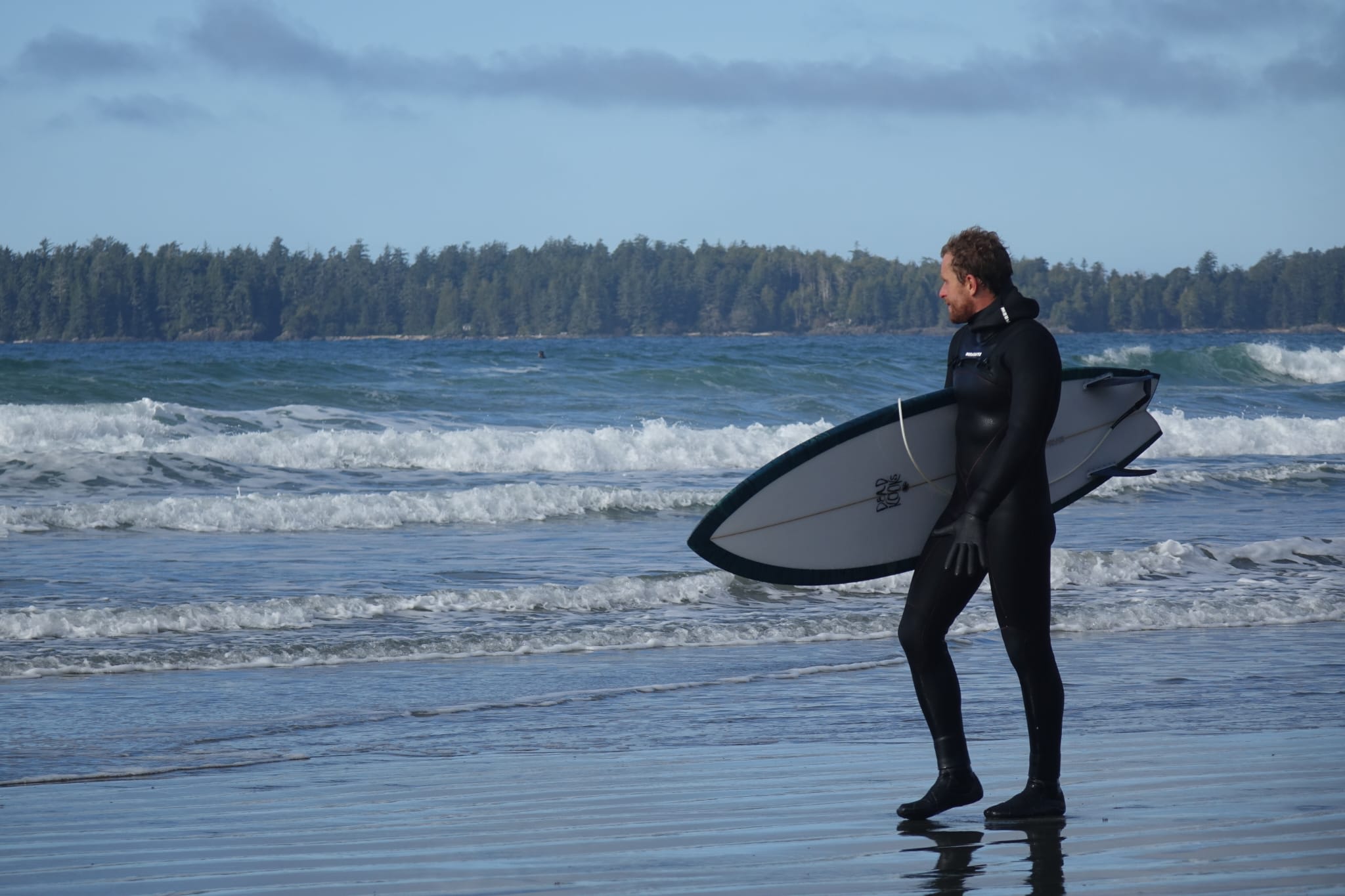
Surfing in this range is for the dedicated. A 5/4mm or 5/3mm wetsuit is a must. Add boots, gloves, and a hood. Your head loses a lot of heat, and your hands/feet become numb quickly.
At these temperatures, your session length matters. In 8°C water, even with the right gear, you may be limited to 1 hour or less before getting too cold.
Freezing Water: Below 8°c (47°f)
Only the most committed surfers go out in these conditions. A 6/5mm or thicker wetsuit is required, with all accessories: boots, gloves, and a thick hood. Exposure time should be short, and you should never surf alone.
Some brands make special cold-water suits with extra seals and lining. Check for leaks before you paddle out—cold water finds its way in easily.
Real-world Examples: Famous Surf Spots And Wetsuit Choices
Understanding how these guidelines work in real life helps you make better choices. Here are examples from popular surf destinations:
| Surf Spot | Seasonal Water Temp | Typical Wetsuit |
|---|---|---|
| Gold Coast, Australia | 23–27°C (74–81°F) | Boardshorts/Rash guard |
| Southern California (Summer) | 18–21°C (64–70°F) | 2mm shorty or 3/2mm full suit |
| Portugal (Winter) | 14–17°C (57–63°F) | 4/3mm full suit, boots |
| Ireland (Winter) | 8–10°C (46–50°F) | 5/4mm full suit, boots, gloves, hood |
| Norway (Winter) | 3–6°C (37–43°F) | 6/5mm+ full suit, boots, gloves, hood |
This shows that the right gear isn’t about being tough—it’s about being prepared.
Common Mistakes Surfers Make With Wetsuits
Even experienced surfers sometimes get it wrong. Here are mistakes to avoid:
- Choosing the wrong thickness: Being “tough” doesn’t help if you get cold and lose focus. Comfort is key.
- Ignoring wind chill: If it’s blowing hard, you’ll feel colder than the water temperature suggests.
- Skipping accessories: Boots, gloves, and hoods are essential below 16°C.
- Wearing a baggy wetsuit: A loose wetsuit lets cold water flush in, making it almost useless.
- Not checking local forecasts: Water temperature can change fast, especially after storms or upwelling.
Two Non-obvious Insights For Beginners
Most guides miss these important points:
- Fatigue sets in faster in cold water. Your muscles use more energy to stay warm, so you may tire out quickly—even if you feel fine at first.
- Wetsuit fit is more important than brand. A cheap, snug suit will keep you warmer than an expensive, loose one. Always try on before you buy, or check return policies if shopping online.
How To Choose The Right Wetsuit For Your Surf
Picking a wetsuit is not just about water temperature. Here’s what else to consider:
- Session length: Longer sessions need more warmth.
- Your body type: Lean surfers get cold faster.
- Movement needs: Thicker suits are stiffer. If flexibility is key, try a thinner suit with extra accessories.
- Local advice: Ask surfers at your spot what works best. Local knowledge beats charts.
- Check the forecast: Sudden changes in weather can drop water temperature overnight.
Caring For Your Wetsuit
A well-cared-for wetsuit lasts longer and keeps you warmer. Rinse it with fresh water after each surf, hang it in the shade (never in the sun), and store it flat or on a wide hanger. Salt and UV rays break down neoprene over time.
What Happens If You Surf Without A Wetsuit In Cold Water?
You risk hypothermia—when your body loses heat faster than it can produce it. Early signs include shivering, numb hands and feet, and blue lips. If you start to feel weak, dizzy, or confused, get out of the water immediately. Surfing without a wetsuit below 20°C (68°F) is not recommended unless you’re used to the cold.
The Role Of Air Temperature And Wind
Sometimes, air temperature and wind matter as much as water temperature. If it’s a sunny, windless day, you might be okay in a thinner suit. If it’s cloudy and the wind is strong, you’ll feel colder—so dress for the worst case.

Wetsuit Alternatives: When Can You Skip It?
Some surfers use thermal rash guards or thin neoprene tops in the “shoulder season” (spring or fall) when it’s not quite warm, not quite cold. These add a bit of warmth without the bulk of a full suit. But below 18°C (64°F), a proper wetsuit is usually best.
Kids And Wetsuits: Extra Caution Needed
Children lose heat faster than adults. Always use a thicker wetsuit for kids, even if you feel warm. Check them regularly for signs of cold, and keep sessions short in cold water.
Trusted Source For More Information
If you want to dive deeper into wetsuit science or cold water safety, check out the Wetsuit Wikipedia page for detailed explanations and history.
Frequently Asked Questions
What’s The Minimum Water Temperature For Surfing Without A Wetsuit?
Most people can surf without a wetsuit in water above 23°C (74°F). Some may handle slightly cooler temperatures, but shivering and fatigue will set in quickly for most under 20°C (68°F).
How Do I Know If My Wetsuit Fits Correctly?
A good wetsuit should feel snug but not restrict your movement or breathing. There should be no large gaps, and it should not flush with cold water when you move.
Can I Wear A Wetsuit If The Water Is Warm?
Yes, but it may be uncomfortable. In warm water, most surfers prefer boardshorts or a rash guard. A wetsuit can cause overheating, rashes, and limit flexibility.
How Long Can I Surf In Cold Water With A Wetsuit?
It depends on water temperature, suit thickness, and your body. In 8–12°C (46–54°F) water with the right gear, most surfers can manage 1–2 hours before getting too cold. Listen to your body and get out if you start shivering or feeling weak.
Are Boots, Gloves, And Hoods Always Needed In Cold Water?
Below 16°C (61°F), boots are recommended. Gloves and a hood become important below 12°C (54°F), especially for long sessions. These accessories prevent numbness and help you stay safe.
Surfing is about enjoying the ocean while respecting your limits. Knowing when to wear a wetsuit—and choosing the right one—means more time in the water, more waves, and fewer risks. Stay warm, stay safe, and keep charging.