
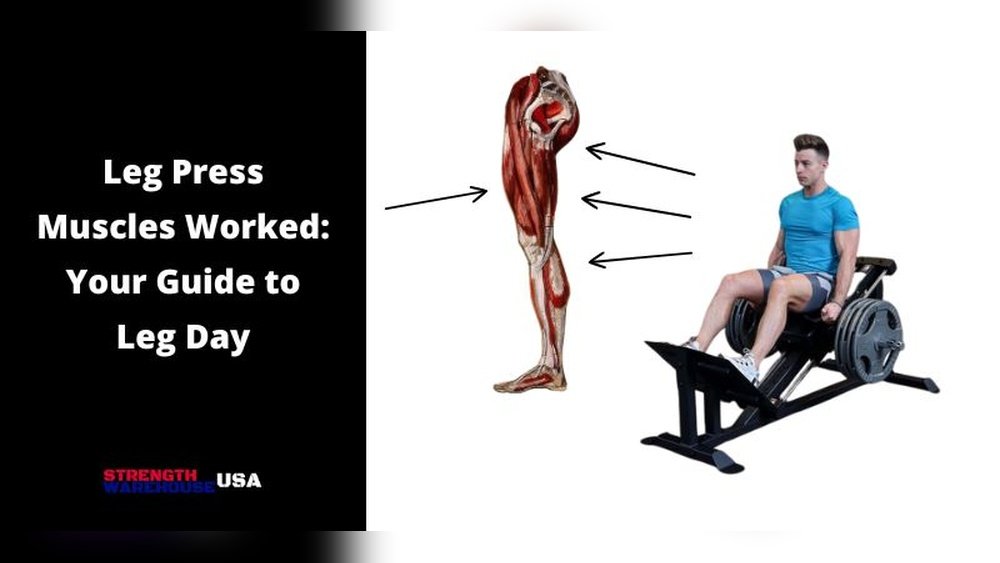
Are you wondering which muscles you’re really working when you step onto a leg press machine? Understanding exactly what muscles this popular gym equipment targets can help you get the most out of your workout.
Whether you want stronger legs, better balance, or improved athletic performance, knowing how the leg press shapes your body is key. Keep reading to discover how this machine can transform your lower body and why it might become your new favorite exercise.
Key Muscles Worked
The leg press machine targets several important muscles in the lower body. It mainly works the muscles that help you push your legs forward. These muscles play a big role in walking, running, and jumping. Understanding which muscles activate during the leg press helps you train smarter. It also helps avoid injury and improve strength evenly.
Quadriceps Activation
The quadriceps are the large muscles at the front of the thigh. They are the primary muscles worked on the leg press machine. These muscles extend your knee as you push the platform away. Strong quadriceps improve knee stability and overall leg power. The leg press isolates these muscles well, making them stronger with each session.
Hamstrings Engagement
The hamstrings sit at the back of your thigh. They work opposite to the quadriceps by bending the knee. The leg press activates the hamstrings but less than the quadriceps. They help control the movement and support the knee joint. Strengthening the hamstrings balances leg strength and reduces injury risk.
Gluteus Muscles Role
The gluteus muscles are the main muscles in your buttocks. They assist with hip extension during the leg press movement. These muscles help push your hips forward as you press the platform. Strong glutes improve posture and support your lower back. The leg press helps tone and build these muscles effectively.
Calf Muscles Involvement
The calf muscles, including the gastrocnemius and soleus, stabilize your ankle. They engage slightly during the leg press to keep your feet steady. The calves support the movement but do not work as hard as the thighs or glutes. Regular leg press use can help maintain calf strength and endurance.

Leg Press Variations
The leg press machine targets many leg muscles. Changing how you use it changes which muscles work more. These changes are called leg press variations. They help you focus on different parts of your legs. Variations also keep workouts fresh and exciting. Understanding these options can improve your strength and balance.
Foot Placement Effects
Where you put your feet on the platform changes muscle focus. Placing feet higher targets the glutes and hamstrings more. Lower foot placement works the quadriceps harder. Feet wider apart engage inner thigh muscles. Narrow foot placement targets outer thigh muscles. Small changes in foot placement affect muscle engagement a lot.
Single-leg Press Benefits
Using one leg at a time helps fix muscle imbalances. It improves balance and coordination. Single-leg presses build strength evenly in both legs. They also increase core stability. This variation is great for injury recovery and prevention. It challenges your body in a new way.
Wide Vs Narrow Stance
A wide stance targets the inner thighs and glutes more. It also helps with hip mobility. A narrow stance focuses on the outer thighs and quadriceps. Narrow stance improves knee tracking and joint stability. Both stances have unique benefits for leg strength. Changing stance keeps muscles balanced and flexible.
Muscle Balance And Symmetry
Muscle balance and symmetry are key to a strong and healthy body. The leg press machine helps develop muscles evenly in the legs. Balanced muscles reduce injury risks and improve posture. Symmetry also makes your body look better and perform well.
Preventing Muscle Imbalances
Muscle imbalances happen when one muscle group is stronger than another. The leg press works the quadriceps, hamstrings, and glutes together. This helps keep these muscles balanced. Focus on using proper form and equal effort on both legs. Avoid pushing harder with one side to prevent imbalances.
Complementary Exercises
The leg press targets many leg muscles but not all. Adding exercises like lunges and hamstring curls helps. These moves strengthen muscles the leg press misses. They improve overall leg strength and balance. Include different exercises for better muscle symmetry and health.
Form And Technique Tips
Using the leg press machine correctly helps target muscles safely and effectively. Good form reduces injury risk and improves workout results. Focus on key technique points before starting your sets. This section covers crucial tips for proper leg press execution.
Proper Foot Positioning
Place your feet shoulder-width apart on the platform. Keep toes slightly pointed outward. Position feet in the middle to upper part of the platform. This setup activates your quads, hamstrings, and glutes evenly. Avoid placing feet too low or too high. Proper foot placement stabilizes your knees and hips.
Avoiding Common Mistakes
Do not let your knees collapse inward during the press. Keep knees aligned with your feet throughout the movement. Avoid locking your knees at the top of the press. Locking can strain your joints. Maintain a slow and controlled motion. Do not rush or use excessive weight. Control protects muscles and prevents injury.
Range Of Motion Guidelines
Lower the platform until your knees form about a 90-degree angle. Do not let your knees move past your toes. This protects your joints and keeps tension on muscles. Avoid lowering too far, which can stress your hips and knees. Push back up fully without locking knees. This range targets muscles effectively and safely.
Training Benefits
The leg press machine offers several key training benefits. It helps improve lower body strength and muscle size. This machine also supports safer workouts by reducing injury risks. Many people choose the leg press for these practical reasons.
Strength Gains
The leg press targets major leg muscles, boosting their strength. It works the quadriceps, hamstrings, and glutes effectively. This leads to better power for daily activities and sports. Regular use increases your ability to push heavy weights.
Muscle Hypertrophy
Using the leg press helps muscles grow in size. It creates tension that stimulates muscle fibers to expand. This effect improves muscle shape and tone. Consistent training on the leg press adds noticeable bulk to legs.
Injury Prevention
The leg press allows controlled movement, reducing strain on joints. It supports proper form and limits injury risks. This makes it a safe option for beginners and experienced lifters. Strengthening muscles this way protects knees and hips during other exercises.

Safety Considerations
Using the leg press machine safely helps prevent injuries. It also improves your workout results. Paying attention to safety makes exercise more effective and comfortable. Here are some key safety tips to keep in mind.
Warm-up Recommendations
Warm up your muscles before starting the leg press. Light cardio or dynamic stretches work well. This increases blood flow and reduces muscle stiffness. Warming up prepares your legs for heavier loads. Spend at least 5 to 10 minutes warming up.
Load Management
Choose a weight that matches your strength level. Start with lighter loads to learn proper form. Increase weight gradually as you gain confidence. Avoid using too much weight at once. Heavy loads can cause joint strain and muscle injury.
Spotting And Support
Use safety stops or locks on the machine. They catch the weight if you lose control. Ask a trainer or partner to spot you, if possible. Spotting adds extra safety during heavy lifts. Keep your feet flat and back pressed to the seat for support.
Frequently Asked Questions
What Primary Muscles Does The Leg Press Machine Work?
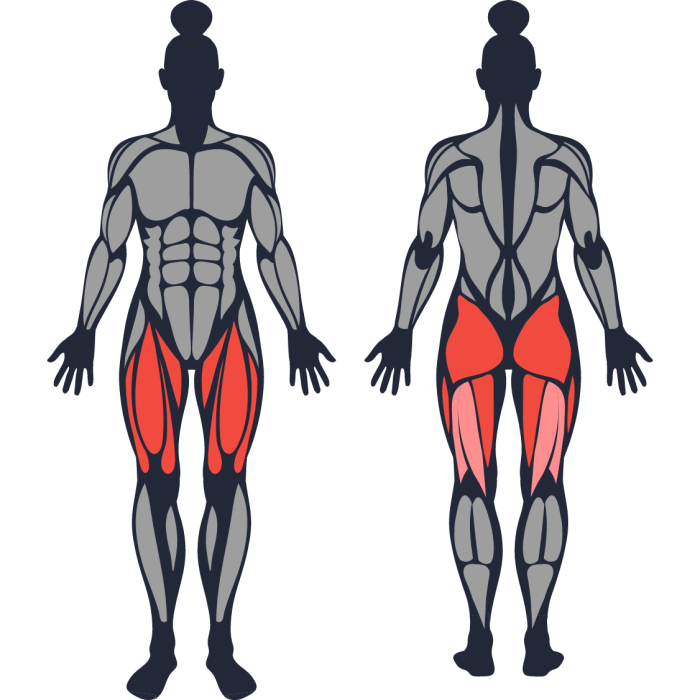
The leg press mainly targets the quadriceps, gluteus maximus, and hamstrings. It also activates calves and hip adductors. This machine helps build lower body strength effectively and safely by providing controlled resistance.
Can The Leg Press Improve Overall Leg Strength?
Yes, the leg press significantly boosts leg strength. It isolates leg muscles, allowing focused resistance training. Regular use increases muscle size, endurance, and power, benefiting athletic performance and daily activities.
Does The Leg Press Machine Target Calves Too?
While calves are engaged during the leg press, they are not the primary focus. Calves assist in stabilizing the movement but require additional exercises for full development.
How Does Foot Placement Affect Muscles Targeted?
Foot placement alters muscle emphasis. Higher foot placement targets glutes and hamstrings more. Lower placement emphasizes quadriceps. Wide stance engages inner thigh muscles, while narrow stance focuses on outer thighs.
Conclusion
The leg press machine works many muscles in your legs. It mainly targets the quadriceps, hamstrings, and glutes. This exercise helps build strength and improve muscle tone. Using the machine regularly supports better leg stability and balance. It suits beginners and those with some workout experience.
Remember to keep good form for best results and to avoid injury. The leg press is a simple way to strengthen key leg muscles effectively. Try it to add variety to your fitness routine.
