Are you looking to strengthen your lower back and improve your overall posture? The hyperextension bench is a powerful tool that can help you achieve just that.
But have you ever wondered exactly which muscles you’re working when you use it? Understanding what muscles a hyperextension bench targets can help you maximize your workouts and avoid injury. Keep reading to discover how this simple piece of equipment can transform your core strength and stability.

Muscles Engaged By Hyperextension Bench
The hyperextension bench is a popular tool for strengthening the back. It targets several important muscles that help with posture and movement. Understanding which muscles are engaged can help you use the bench more effectively.
This exercise mainly works the muscles in your lower back. It also involves muscles in other parts of the body to support the movement. Let’s explore the primary and secondary muscles involved.
Primary Muscle Groups
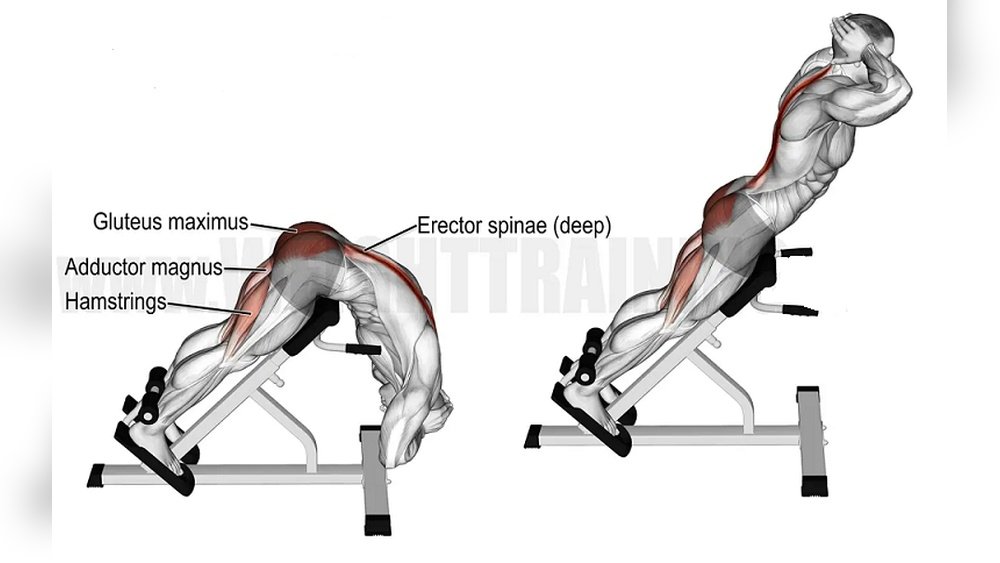
The main muscles worked on a hyperextension bench are the erector spinae. These muscles run along your spine and help you stand straight. They support bending and extending your back. Strong erector spinae improve posture and reduce back pain.
The gluteus maximus is also a key muscle. It is the largest muscle in your buttocks. It helps extend your hips during the exercise. This muscle is important for movements like standing up and climbing stairs.
Secondary Muscle Groups
Besides the primary muscles, the hyperextension bench activates other muscles as well. The hamstrings, located at the back of your thighs, assist in hip extension. They work with the glutes to control movement.
Your lower trapezius and rhomboid muscles in the upper back also engage slightly. They help stabilize your shoulders during the exercise. The abdominal muscles provide core support to keep your body balanced.
Role Of Lower Back Muscles
The lower back muscles play a key role during hyperextension bench exercises. They help stabilize your spine and control movement. These muscles work hard to keep your body balanced. Strengthening them reduces the risk of injury. It also improves posture and overall back health.
Erector Spinae Function
The erector spinae is a large muscle group running along the spine. It helps you straighten your back and stand tall. During hyperextensions, this muscle contracts to lift your upper body. It controls the bending and extending motion. Strong erector spinae muscles support daily activities like lifting and bending.
Multifidus Contribution
The multifidus muscles are smaller but very important. They lie deep in the spine and stabilize each vertebra. These muscles prevent excessive movement between bones. Hyperextension exercises activate the multifidus to protect the spine. This helps reduce back pain and improves spinal health.
Gluteal Muscles Activation
The hyperextension bench activates the gluteal muscles effectively. These muscles are key for hip movement and stability. Engaging them improves posture and helps with powerful movements like jumping and running.
Understanding how the gluteal muscles work during hyperextensions can help you target them better. This makes your workouts more efficient and safe.
Gluteus Maximus Role
The gluteus maximus is the largest muscle in the buttocks. It plays a major role in hip extension during hyperextensions. This muscle helps lift your torso from the bent position.
Strong activation of the gluteus maximus improves your strength and balance. It also supports lower back health by reducing strain.
Gluteus Medius And Minimus Support
The gluteus medius and minimus are smaller muscles beneath the maximus. They stabilize the hips during movement on the hyperextension bench. These muscles keep your pelvis steady as you lift.
Engaging these muscles prevents unwanted side-to-side motion. This support lowers the risk of injury and enhances overall hip control.

Hamstring Involvement
The hyperextension bench works many muscles. The hamstrings play a big role in this exercise. They help control movement and keep balance. Understanding which hamstrings muscles are active helps you train better.
These muscles work together to extend the hips and stabilize the lower body. This action is important for many daily activities and sports.
Biceps Femoris Engagement
The biceps femoris is the largest hamstring muscle. It has two parts: long head and short head. Both parts help bend the knee and extend the hip. The hyperextension bench mainly targets the long head. This muscle tightens as you lift your upper body. It helps control the movement and keeps you stable.
Semitendinosus And Semimembranosus
The semitendinosus and semimembranosus are two other key hamstrings. They lie next to the biceps femoris. These muscles help with bending the knee and extending the hip. They also help keep your pelvis steady. During hyperextensions, these muscles contract to lift your torso. This action strengthens the back of your legs and lower body.
Additional Muscles Worked
The hyperextension bench targets more than just the lower back muscles. It also engages several additional muscles that help with movement and stability. These muscles play important roles during the exercise and improve overall strength.
Core Stabilizers
The core stabilizers include muscles like the transverse abdominis and obliques. These muscles work hard to keep your body steady while you perform hyperextensions. They help protect your spine and improve balance. Strengthening core stabilizers reduces the risk of injury during other workouts and daily activities.
Hip Flexors
Hip flexors assist in bending your hips and lifting your legs. These muscles work alongside the lower back and glutes during the hyperextension exercise. They help control the movement and add power to the lift. Strong hip flexors improve posture and make other exercises easier to perform.
Benefits Of Targeted Muscles
Targeting specific muscles with a hyperextension bench offers many benefits. It strengthens key areas that support daily movements and exercise routines. Focusing on these muscles helps improve body function and overall health.
Strong muscles from this workout reduce strain and boost endurance. These benefits impact posture, sports performance, and injury risks.
Improved Posture
Strong lower back muscles help keep your spine straight. This support reduces slouching and back pain. Better posture also makes you look confident and balanced. Regular use of a hyperextension bench builds these muscles effectively.
Enhanced Athletic Performance
Muscles targeted by this exercise improve power and stability. Athletes gain better control and speed in their movements. Strong hamstrings and glutes add strength to jumps and sprints. These muscles help you perform better in many sports.
Injury Prevention
Strengthening the lower back and core reduces injury risks. It protects the spine and prevents muscle strains. Balanced muscles support joints and keep the body aligned. This makes it easier to recover from workouts and avoid pain.
Common Mistakes To Avoid
Using a hyperextension bench can strengthen your lower back and core. Avoiding common mistakes helps you get the best results and stay safe. Poor form can cause injury and reduce benefits. Focus on correct techniques for effective workouts.
Overextending The Back
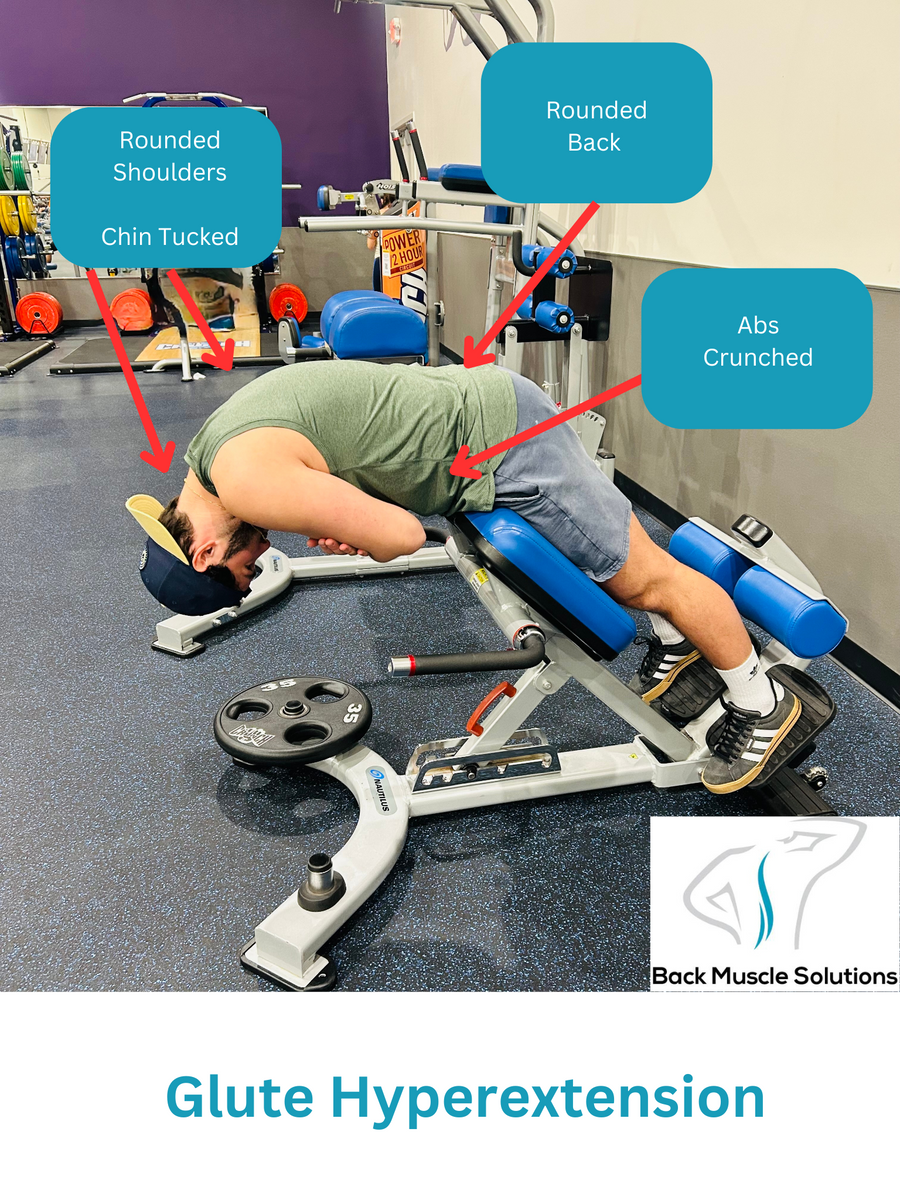
Do not bend your back too far during hyperextensions. Overextending strains your spine and muscles. Stop when your body forms a straight line. Keep movements slow and controlled. This protects your lower back and prevents pain.
Incorrect Bench Positioning
Place your hips properly on the bench pad. Too high or too low causes discomfort and poor form. Your hips should rest just above the pad’s edge. This allows free movement and correct muscle targeting. Adjust the bench to fit your body size before starting.
Variations To Target Muscles Differently
Different variations of the hyperextension bench change the way muscles work. These changes help target specific muscles more. Variations can increase strength or focus on smaller muscle groups. Using these methods can make workouts more effective and less boring.
Weighted Hyperextensions
Adding weight to hyperextensions increases muscle resistance. Hold a plate or dumbbell close to your chest. This method targets the lower back muscles harder. It also works the glutes and hamstrings more deeply. Weighted hyperextensions improve muscle size and endurance. Start with light weight to avoid injury. Gradually increase the weight as strength grows.
Romanian Deadlift Comparison
The Romanian deadlift targets similar muscles but uses a different motion. It focuses on the hamstrings and glutes through hip hinge movements. Unlike hyperextensions, it requires holding a barbell or dumbbells. This exercise also engages the lower back but less directly. Both exercises complement each other well. Using both can balance muscle development in the posterior chain.
Frequently Asked Questions
What Primary Muscles Does A Hyperextension Bench Work?
A hyperextension bench mainly targets the lower back muscles, specifically the erector spinae. It also engages the glutes and hamstrings, helping improve core strength and stability.
How Does Hyperextension Benefit The Lower Back Muscles?
Hyperextensions strengthen the erector spinae, reducing lower back pain and improving posture. This exercise enhances spinal stability and supports daily movements.
Can Hyperextension Benches Improve Hamstring Strength?
Yes, hyperextension benches activate the hamstrings during the exercise. Strengthening these muscles aids in better hip extension and overall leg power.
Are Glute Muscles Involved In Hyperextension Exercises?
Glutes are secondary muscles worked during hyperextensions. They assist in hip extension and contribute to stronger, more balanced lower body muscles.
Conclusion
The hyperextension bench mainly works your lower back muscles. It also targets your glutes and hamstrings. This exercise helps improve your posture and spine strength. Using the bench regularly can reduce back pain. It builds muscle that supports daily movements.
Keep your form correct to avoid injury. Try adding this exercise to your routine for better muscle balance. Simple, effective, and good for your back. Worth trying if you want stronger muscles.
