
Tennis is a sport where every point counts, and the smallest mistake can decide a match. While players battle on the court, there is another figure who quietly controls the game’s flow and fairness: the umpire. Many fans watch matches and hear the umpire’s voice calling “out,” “fault,” or announcing the score, but the actual role of the umpire in tennis is much deeper. From keeping order to making tough decisions, umpires are central to the game’s integrity. Understanding their responsibilities helps both new fans and experienced players appreciate the sport even more.
What Is An Umpire In Tennis?
An umpire in tennis is an official responsible for enforcing the rules and ensuring fair play during matches. Umpires do much more than announce scores. They handle disputes, manage player behavior, and are trained to make split-second decisions under pressure. In professional tennis, there are actually several types of umpires, each with a unique role. Some focus on the entire match, while others concentrate on specific tasks like watching the lines.
Umpires are present at all levels of play, from local tournaments to Grand Slam finals. Their authority on the court is final—players must accept their decisions, even when emotions run high. The work of umpires is guided by the official rules of tennis, which are set by bodies like the International Tennis Federation (ITF) and Association of Tennis Professionals (ATP).
Types Of Umpires In Tennis
The term “umpire” is often used generally, but in reality, there are several roles with different responsibilities. Here’s a look at the main types:
| Umpire Type | Main Responsibility | Where They Work |
|---|---|---|
| Chair Umpire | Overall match management and final authority | All professional and high-level matches |
| Line Umpire | Call balls in or out on specific lines | Professional matches, some high-level amateur |
| Chief Umpire | Assigns umpires and ensures rules across all courts | Large tournaments |
| Referee | Handles disputes, rules questions, and appeals | Professional tournaments |
Let’s explore each type in detail.
Chair Umpire
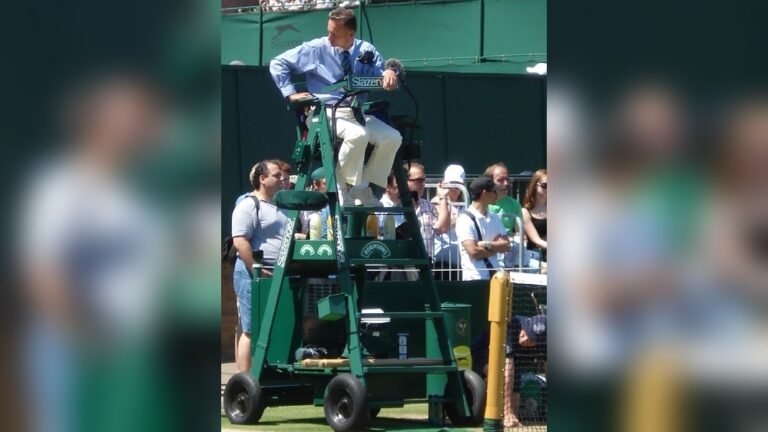
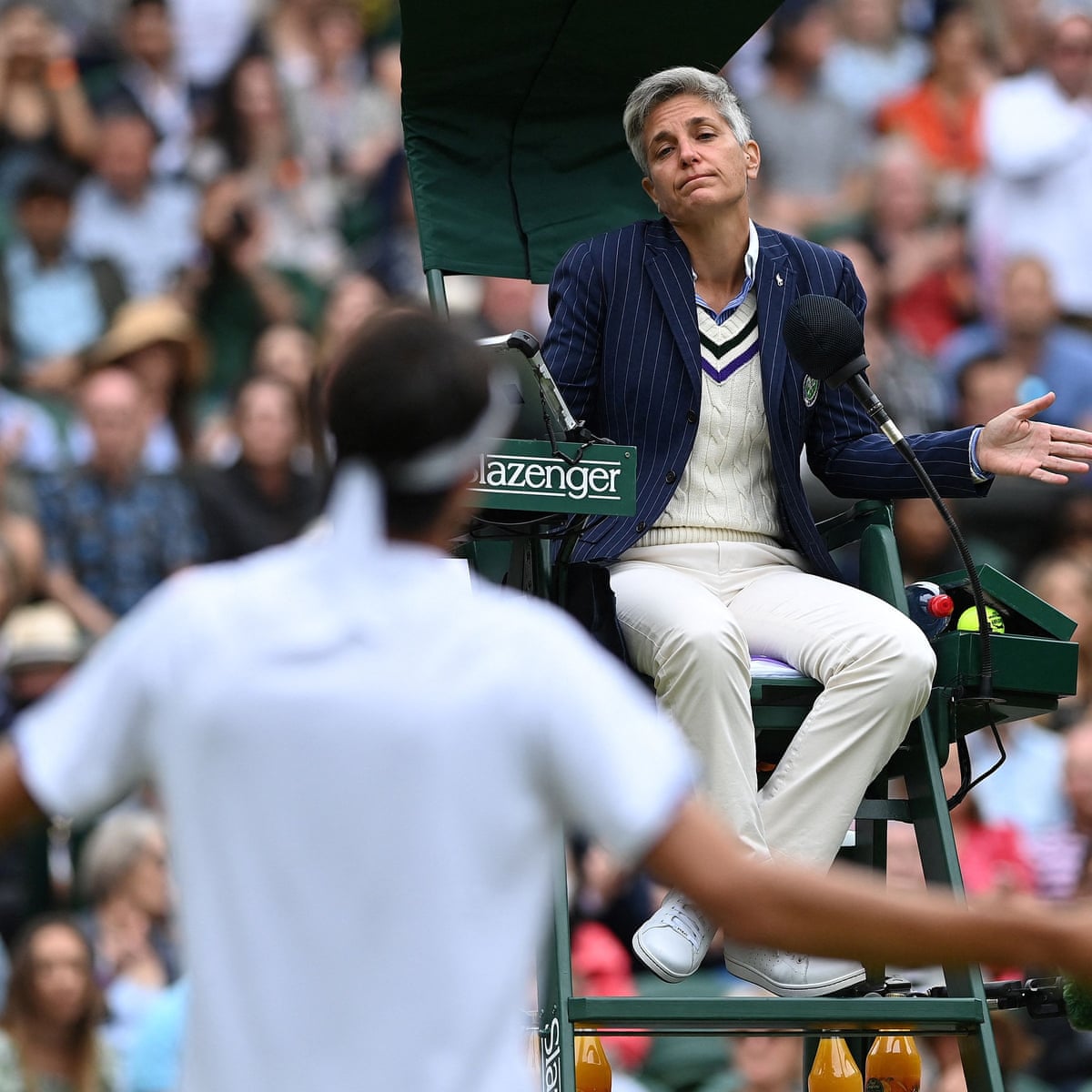
The chair umpire sits on a high chair at the side of the court. This is the official you hear announcing scores and making the final calls. The chair umpire’s main tasks are:
- Keeping the official score
- Deciding points if there are disputes
- Issuing warnings or penalties for rule violations
- Overseeing the match’s pace and order
Chair umpires are trained to manage stressful situations, such as when players argue or crowds get noisy. They also have to stay alert for long matches, sometimes lasting over four hours.
Line Umpire
Line umpires focus on specific lines, such as the baseline or the sideline. Their job is simple but important: call whether the ball lands in or out. At big tournaments, there can be up to ten line umpires on court at once. Their calls are usually quick and loud, using hand signals to help the chair umpire see the decision. In some tournaments, electronic systems like Hawk-Eye now assist or replace line umpires, but humans are still needed for many matches.
Chief Umpire
The chief umpire is the leader of all the court officials at a tournament. They:
- Assign umpires to matches
- Make sure all umpires understand the rules
- Solve scheduling issues
- Handle emergencies, such as bad weather
The chief umpire’s job is not on the court, but their decisions affect every match. They are usually highly experienced and respected in the tennis community.
Referee
A referee handles rule questions, appeals, and disciplinary matters. Players can request the referee if they think a rule is being misapplied. The referee’s decision is final and cannot be challenged. Referees also manage player conduct and check equipment or court conditions when needed.
Key Responsibilities Of Umpires
The responsibilities of tennis umpires go beyond calling points. Here’s a breakdown of their main duties:
- Enforcing the Rules: Umpires must know the rule book inside and out. They ensure all play follows these rules, from service to tiebreak.
- Scorekeeping: The chair umpire keeps the official score. This includes announcing the score after each point, game, and set.
- Time Management: Umpires control the pace of play by monitoring the time between points, games, and sets. They can issue time violations if players delay.
- Player Conduct: Umpires watch for unsportsmanlike behavior, such as shouting at officials, smashing rackets, or using foul language. They can give warnings, point penalties, or even disqualify players.
- Dealing With Disputes: When players disagree, umpires must make quick, confident decisions. If needed, they consult with line umpires or use technology.
- Safety and Fairness: Umpires check court conditions and pause matches for rain, injury, or unsafe situations.
- Communication: Umpires communicate with players, coaches, ball kids, and other officials to keep the match running smoothly.
- Handling Technology: At the highest levels, umpires use electronic line-calling systems and video replay tools.
Each responsibility requires focus, confidence, and professionalism. Umpires are trained to stay calm, even when players or crowds are emotional.
The Role Of Technology And Umpires
Tennis has embraced technology to help umpires make accurate decisions. Hawk-Eye is the most famous system. It uses cameras to track the ball and shows where it landed, even if it’s just a millimeter in or out. At some tournaments, players can “challenge” a call, and the umpire checks Hawk-Eye to confirm.
However, even with technology, umpires are still needed. Here’s why:
- Technology sometimes fails or is not available on all courts.
- Umpires still decide on rule violations, code of conduct, and time issues.
- Some tournaments do not use electronic line-calling.
So, while technology helps, it does not replace the umpire’s role.
How Umpires Are Trained And Certified
Becoming a tennis umpire is not as simple as just watching a few matches. It requires training, exams, and experience. Tennis organizations like the ITF, ATP, and Women’s Tennis Association (WTA) run official programs for umpires.
Steps To Becoming A Tennis Umpire
- Learn the Rules: The first step is to study the official tennis rule book.
- Take a Course: Many countries have beginner umpire courses. These cover rules, signals, ethics, and match situations.
- Pass an Exam: Candidates must pass written and sometimes practical exams.
- Get Experience: New umpires start at local matches or junior tournaments.
- Certification: Umpires can earn badges (Bronze, Silver, Gold) that allow them to work at higher levels. The highest level allows work at Grand Slams.
- Ongoing Training: Top umpires attend workshops, review tough situations, and must keep up to date with rule changes.
Umpires are evaluated during matches and must demonstrate fairness, quick thinking, and good communication skills.
The Decision-making Process
Tennis is a fast game. The ball can travel over 200 km/h (124 mph) in professional men’s singles. Umpires must make instant decisions, especially on close calls.
How Calls Are Made
- Line Calls: Line umpires call “out” or “fault” immediately if they see the ball land outside the lines. If they are unsure, the chair umpire can overrule.
- Score Announcements: After each point, the chair umpire states the score so everyone knows the match status.
- Violations: If a player breaks a rule, the umpire issues a warning or penalty. For example, if a player takes too long between points, the umpire gives a time violation.
Overrules And Challenges
The chair umpire can overrule a line umpire if they have a better view. Players can also use a limited number of challenges to review close calls using technology. This system ensures fairness and reduces human error.

Handling Difficult Situations
Umpires often face tough moments, such as:
- Player Arguments: When emotions run high, umpires must calm players and explain decisions clearly.
- Crowd Noise: In big matches, cheering or shouting can distract players. Umpires ask for quiet before points start.
- Weather Delays: If it rains or gets too windy, umpires decide when to pause the match.
- Medical Emergencies: If a player is hurt, the umpire calls for medical help and decides if play can continue.
It’s important that umpires stay calm and fair, no matter how tense the situation.
The Importance Of Communication
Great umpires are also great communicators. They must:
- Speak Clearly: Announce scores and decisions so players and fans understand.
- Explain Rulings: If a player or coach asks why a call was made, the umpire must give a simple, clear answer.
- Handle Language Barriers: At international tournaments, umpires may deal with players who speak different languages. They use simple English, gestures, and sometimes translators.
- Stay Neutral: Umpires must never show favoritism. Their words and actions should be the same for all players.
Strong communication builds trust and respect on the court.

The Impact Of Umpires On Match Outcomes
While players win and lose matches, the presence of a skilled umpire can have a real impact. Here’s how:
- Fair Play: Umpires stop cheating or gamesmanship. For example, if a player tries to distract their opponent, the umpire can warn or penalize them.
- Consistency: By following the rules strictly, umpires make sure every point is played the same way. This consistency helps players focus on their game.
- Resolving Controversies: When decisions are disputed, a confident umpire can prevent arguments from spoiling the match.
Sometimes, a single call can change the momentum of a match. Umpires must be ready to make those calls, even under immense pressure.
Examples Of Famous Umpiring Moments
There have been many high-profile moments in tennis history where umpires played a big role. Here are a few:
- 2018 US Open Women’s Final: Serena Williams received several code violations from chair umpire Carlos Ramos. The situation became heated, leading to a game penalty and much debate in the tennis world.
- John McEnroe’s Outbursts: In the 1980s, McEnroe was known for arguing with umpires. His famous line, “You cannot be serious!” showed how challenging the job can be.
- Hawk-Eye Challenges: In the 2007 Wimbledon final, Roger Federer used all his challenges in a single set, highlighting the tension around close calls.
These examples show how the umpire’s role is more than just calling lines—they must manage emotions, enforce rules, and sometimes become the focus of the match.
How Umpires Work With Other Officials
Tennis is a team effort when it comes to officiating. Umpires work with:
- Ball Kids: Umpires rely on ball kids to keep the game moving. Ball kids retrieve balls, provide towels, and help with player requests.
- Linespeople: As mentioned, line umpires make calls on their assigned lines. The chair umpire oversees them and can overrule decisions.
- Referees: The referee is the highest authority at a tournament. If there is a serious problem, the umpire can call the referee to the court.
- Technology Operators: At big events, a team runs the Hawk-Eye system. Umpires communicate with them for challenges.
Good teamwork ensures matches are fair and efficient.
Common Challenges Faced By Umpires
Despite their training, umpires face many challenges:
- Pressure From Players: Top players may argue or try to influence calls.
- Crowd Reactions: Booing or cheering can make it hard to concentrate.
- Fast Play: Modern tennis is quicker, and balls can be hard to see.
- Media Attention: At big events, every decision is watched by millions.
Umpires need thick skin and confidence to handle these pressures. Most are passionate about the game and take pride in doing a difficult job well.
Skills And Qualities Of A Good Tennis Umpire
Not everyone is suited to be a tennis umpire. The best officials share certain skills:
- Focus: Umpires watch every point without losing concentration.
- Calmness: Even in loud or tense moments, they stay composed.
- Fairness: Decisions are based on rules, not personal feelings.
- Confidence: Umpires must make quick decisions and stand by them.
- Communication: Clear language and body signals are essential.
Some umpires develop thick skin by working lower-level matches before moving to big tournaments. The best are respected by both players and fans.
The Path To Becoming A Top-level Umpire
Many people wonder how one becomes a professional umpire at events like Wimbledon or the US Open. The path is long and challenging, but rewarding.
- Start Small: Most begin officiating at local clubs or junior tournaments.
- Build Experience: After a few years, umpires can apply for national and international events.
- Earn Badges: The ITF gives badges (Bronze, Silver, Gold, White) based on exams and performance.
- Travel: Top umpires travel the world, working at ATP, WTA, and Grand Slam tournaments.
- Network: Building relationships with officials and organizations helps advance a career.
Only a small number reach the highest levels, but those who do have a unique view of the sport’s biggest moments.
The Future Of Umpiring In Tennis
As technology advances, the role of the umpire is changing. Some tournaments now use “electronic line calling” for all lines, with no line umpires on court. The chair umpire still manages the match, issues code violations, and announces the score.
Technology is likely to play a bigger role, but human umpires will remain important for complex decisions, player conduct, and keeping the match running smoothly.
One non-obvious insight is that technology does not make the umpire’s job easier—it can actually add pressure, as players and fans expect perfection. Umpires must understand both the rules and the technology. The future will likely see a blend of human judgment and advanced tools.
Comparing Umpire Roles With Other Sports
It helps to see how tennis umpires compare to officials in other sports:
| Sport | Main Official | Authority on Rules | Use of Technology |
|---|---|---|---|
| Tennis | Chair Umpire | Final | High (Hawk-Eye, video replay) |
| Soccer | Referee | Final | Medium (VAR, goal-line tech) |
| Baseball | Home Plate Umpire | Final | Medium (video review) |
| Basketball | Court Referee | Final | Medium (video review) |
This comparison shows that tennis umpires have a unique mix of authority, visibility, and use of advanced technology.
Interesting Facts About Tennis Umpires
- At Wimbledon, umpires must wear official uniforms and are not allowed to use mobile phones while on duty.
- The longest match in tennis history (2010, Isner vs. Mahut, 11 hours 5 minutes) had chair umpire Mohamed Lahyani in the chair for the entire match, showing incredible focus and stamina.
- Some umpires speak several languages to help communicate with international players.
- The top umpires can earn more than $100,000 per year at major tournaments, but most do it for the love of the game.
Why Respect For Umpires Matters
Respecting umpires is a core value in tennis. Players are taught from a young age to accept decisions and show sportsmanship, even when they disagree. This culture helps tennis maintain its reputation for fairness and integrity. Fans also play a role by supporting umpires and understanding their difficult job.
Frequently Asked Questions
What Does A Chair Umpire Do During A Match?
The chair umpire manages the entire match from a high chair by the court. They announce scores, settle disputes, issue code violations, and have the final say on all decisions. If there is a question about the rules or player conduct, the chair umpire handles it directly.
Can Players Argue With Umpires In Tennis?
Players can ask for an explanation, but they must accept the umpire’s final decision. If they believe a rule is being misapplied, they can request the referee, whose decision is final. Arguing too much can result in warnings or penalties.
How Does Hawk-eye Help Umpires?
Hawk-Eye is a computer system that tracks the ball and shows exactly where it landed. At tournaments with Hawk-Eye, players can challenge a call, and the chair umpire checks the result. This helps umpires make more accurate decisions on close line calls.
What Qualifications Are Needed To Become A Tennis Umpire?
To become a tennis umpire, you need to study the rules, take training courses, pass exams, and gain experience at local matches. Higher qualifications, like ITF badges, require more exams and practical assessments. Only top umpires work at major tournaments.
Where Can I Learn More About Tennis Umpiring?
The International Tennis Federation has detailed resources about umpire training, rules, and certification. For more information, visit the ITF Officiating website.
Tennis umpires are the silent guardians of fair play. Their decisions keep matches honest, exciting, and respectful. Next time you watch a match, listen for the calm voice of the umpire and remember the skill and dedication behind every call.
