

Golf is often seen as a game between a player and the course. But behind many great rounds and tournament wins, there is another person working quietly but effectively: the caddie. To some, the caddie is just someone who carries the bag. In reality, a professional caddie is much more—a coach, strategist, psychologist, and sometimes even a friend. Understanding the role of a caddie in golf reveals how much they contribute to a golfer’s performance, and why their work is respected at every level, from local club games to the Masters.
What Does A Caddie Do?
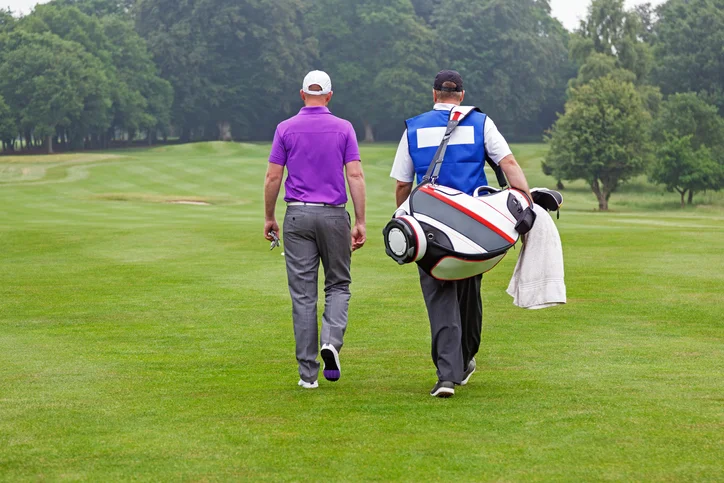
The primary job of a caddie is to carry the player’s golf bag during a round. But the responsibilities go far beyond. Caddies help with almost every part of the game, often acting as a second set of eyes and ears. They help players choose clubs, read the course, manage emotions, and keep track of the rules.
A good caddie can save their golfer several strokes each round. On the professional tour, these small differences can decide who wins or loses. For amateurs, a caddie’s advice can make the game more enjoyable and less stressful.
Essential Responsibilities Of A Caddie
1. Carrying The Golf Bag
At its most basic, the caddie is responsible for carrying the clubs for the player. A typical tour bag can weigh 30-50 pounds, especially in hot or wet conditions. The caddie must keep up with the player’s pace, be ready at every shot, and make sure the bag is organized and nothing is left behind.
2. Course Management
A top caddie acts as the player’s strategist. They help decide the best route to play each hole, considering the player’s strengths, the weather, and course layout. This includes:
- Suggesting when to play it safe or take a risk.
- Advising on layup shots or attacking the green.
- Helping with decisions about hazards and wind.
Many caddies spend hours before a round walking the course, taking notes on distances and pin locations. Their detailed knowledge often leads to better shot choices.
3. Club Selection
One of the most visible caddie tasks is recommending which club to use. This decision depends on:
- Distance to the target
- Wind direction and speed
- Lie of the ball (in the rough, fairway, or sand)
- Player’s confidence with certain clubs
A caddie often knows a player’s strengths and weaknesses better than anyone, and their club suggestions can boost confidence or prevent costly mistakes.
4. Reading Greens
Golfers must read the slope, speed, and grain of the putting green before every putt. A skilled caddie helps by:
- Walking the green to study slopes and breaks
- Sharing their opinion on how a putt will move
- Helping choose the right line and speed
On tour, you’ll often see player and caddie crouching together to read a putt. Sometimes, a caddie’s read can be the difference between a birdie and a bogey.
5. Keeping The Clubs And Balls Clean
Dirty clubs can affect how a ball flies and spins. Caddies:
- Clean the clubface after every shot
- Wipe golf balls when needed (especially on the green)
- Keep grips dry in wet conditions
Attention to these details helps the player focus and perform at their best.
6. Handling The Flagstick And Bunker Raking
Caddies have to:
- Tend and remove the flagstick when their player is putting
- Rake sand bunkers after the player hits out
- Replace divots and fix ball marks on the green
These tasks help maintain the course and show respect for other golfers.
7. Emotional Support And Focus
Golf is as much a mental game as a physical one. Caddies help players:
- Stay calm after a bad shot
- Stay focused before a key shot
- Manage nerves during pressure situations
Experienced caddies know when to speak, when to stay quiet, and how to keep their player in the best frame of mind.
The Caddie-player Relationship
The relationship between a player and their caddie is built on trust. Great players often keep the same caddie for years. For example, Tiger Woods and Steve Williams, or Phil Mickelson and Jim “Bones” Mackay, formed partnerships that led to major tournament wins.
Some caddies act as motivators, others as calming presences. The best adapt their style to fit the player’s personality and needs. Open, honest communication is essential. A caddie who knows when to push, when to step back, and when to offer advice can help a player perform at their peak.
Types Of Caddies
Professional Tour Caddies
These caddies work with top golfers on tours like the PGA Tour or LPGA Tour. They earn a base salary and often a percentage of the player’s winnings (usually 5-10%). Their knowledge, experience, and ability to handle high-pressure situations are key.
Club Caddies
Club caddies work at private or public golf courses. They may caddie for anyone, from beginners to experienced amateurs. Their income often depends on tips, and they are expected to provide a great experience for club members and guests.
Forecaddies
A forecaddie does not carry the bag but helps groups of golfers by spotting balls, giving yardages, and keeping the game moving. They are common on busy courses or with large groups.

How A Caddie Prepares Before A Round
Preparation starts well before the first tee shot. A caddie will:
- Study the course map and pin sheets
- Walk the course to check conditions
- Mark distances to hazards and targets
- Note wind directions and any changes from previous days
Many caddies keep a detailed yardage book, which shows distances from every point on the course. They update these notes as weather and course setup change.
Skills And Qualities Of A Great Caddie
Not everyone can be a great caddie. The job takes a mix of physical, mental, and personal skills.
| Skill/Quality | Why It Matters |
|---|---|
| Course Knowledge | Guides strategy and club selection |
| Physical Fitness | Carrying a heavy bag for 18 holes |
| Communication | Clear, positive interaction with player |
| Emotional Intelligence | Reading player’s mood and giving support |
| Attention to Detail | Keeping clubs clean, tracking balls, following rules |
| Adaptability | Adjusting to player’s style and changing conditions |
A less obvious skill is knowing when not to give advice. Sometimes, too much input can distract or annoy the player. The top caddies sense when silence is best.

Rules And Etiquette For Caddies
Caddies must know and respect the Rules of Golf. Some key points:
- They cannot stand directly behind the player during a stroke.
- They cannot move objects to help the player unless allowed by rules.
- Giving advice to other players is not allowed.
Mistakes by caddies can lead to penalties for the player. For example, if a caddie touches the sand in a bunker before the player hits, it could mean a penalty stroke.
Golf etiquette is also important. Caddies should dress neatly, avoid loud talking, and respect the pace of play. They often serve as role models for young golfers learning the game.
How Caddies Impact Performance: Real Examples
The effect of a caddie is sometimes hard to measure, but there are famous cases where their role was clear.
- At the 2019 Masters, Tiger Woods credited his caddie Joe LaCava for helping him stay calm and make smart choices under pressure.
- When Justin Rose won the 2013 U.S. Open, he said his caddie Mark Fulcher helped him with course management and green reading in tough conditions.
- In 2003, Ben Curtis was an unknown player when he won the British Open. His local caddie, Andy Sutton, gave him key advice on the tricky links course.
Caddies often play a quiet but decisive role in these big moments.
Comparing Caddie Roles At Different Levels
The role of a caddie can change depending on the level of play.
| Level | Main Caddie Tasks | Player Expectation |
|---|---|---|
| PGA/LPGA Tour | Strategy, club selection, green reading, emotional support | High trust, deep partnership |
| Amateur Tournaments | Basic advice, club carrying, etiquette | Learning, some guidance |
| Club/Resort Golf | Bag carrying, simple tips, pace of play | Fun, light help |
At the professional level, caddies are part of the team. For amateurs, they are often teachers and guides.
How To Become A Caddie
Interested in becoming a caddie? Here are basic steps:
- Learn the rules and basics of golf. Understanding the game is essential.
- Get fit. Carrying a bag and walking long distances is physically demanding.
- Practice at a local club. Many start as junior caddies, learning from experienced staff.
- Build communication skills. Be polite, positive, and clear.
- Study the course. Know every hole, hazard, and feature.
- Watch and learn from top caddies. Many videos and interviews are available online.
Many clubs offer caddie training programs. The Evans Scholars Foundation provides scholarships to caddies who show academic and leadership skills.
Two Non-obvious Insights About Caddying
- Caddie networking: On tour, caddies share information with each other. They might exchange notes about course conditions or pin placements. This “caddie network” can give players a small but real advantage.
- Caddie influence on pace: A good caddie helps keep the player moving, which can prevent slow play penalties and keep the group on schedule. Managing time and focus is a hidden part of their job.
The Changing Role Of Caddies In Modern Golf
Technology is changing golf. GPS devices, laser rangefinders, and detailed course maps are now common. Some think this will reduce the need for caddies. But so far, the human element remains vital. No device can replace the trust and support a good caddie brings.
In amateur golf, some clubs now use “caddie programs” where young people can learn the job and earn tips. This keeps the tradition alive and helps new generations understand the game.
At the professional level, the caddie’s role is as important as ever. As long as golf is a game of skill, emotion, and strategy, caddies will have a place.
Frequently Asked Questions
What Is The Difference Between A Caddie And A Forecaddie?
A caddie carries the player’s bag, gives advice, and supports the player throughout the round. A forecaddie does not carry bags but helps by spotting where balls land, keeping the group moving, and sometimes giving basic course information.
How Much Do Professional Golf Caddies Earn?
Tour caddies usually get a base salary (often $1,500-$3,000 per week) plus a percentage of the player’s winnings—around 10% for a win, 7% for a top ten, and 5% otherwise. Earnings can vary widely, but top caddies can make over $200,000 per year. More details are available from the Wikipedia: Caddie page.
Can A Golfer Change Caddies During A Tournament?
Yes, players can change caddies during a tournament, but it is rare. Most pros keep the same caddie for the entire event unless there is an emergency or major problem.
Are There Caddie Schools Or Training Programs?
Yes. Many private clubs and resorts offer caddie training. Some foundations, like the Evans Scholars Foundation, offer scholarships and leadership programs for young caddies.
Do Caddies Play Golf Themselves?
Many caddies are good golfers and play regularly. Knowing how to play helps them give better advice and understand what the player is experiencing on the course.
Golf is a game of skill, patience, and strategy. The caddie’s role is to support, guide, and sometimes inspire the player. Their work is often quiet, but their impact can be huge. Next time you watch a golf tournament, look for the caddie.
You might see just how important they are to the game.
