

Golf is a sport known for its variety, not just in play style but also in the landscapes it’s played on. When people talk about famous golf courses, you’ll often hear two words: links courses and parkland courses. At first, these might sound like just different types of golf layouts, but the differences go much deeper. Understanding them can change how you view the game, select courses to play, and even improve your appreciation of golf’s long history. Let’s explore what makes these two types of courses unique and why those differences matter.
What Are Links Golf Courses?
Links golf courses are the oldest form of golf course, with roots going back to Scotland in the 15th century. The word “links” comes from the Old English “hlinc,” meaning rising ground or ridge. These courses are found near the coast, built on sandy, undulating ground that links the sea to the farmland.
Links courses were not designed with machines or modern landscaping. Instead, they use the natural shapes and features of the land. This gives them a wild, rugged look, and every links course is unique.
Key Features Of Links Courses
1. Coastal Location
Links courses are always close to the sea. The land is shaped by wind and weather, not by humans.
2. Sandy Soil And Dunes
The soil drains well, so the ground is firm and fast. You’ll see rolling dunes, wild grasses, and sometimes even sheep grazing.
3. Few Trees
Trees are rare because the salty sea air and strong winds make it hard for them to grow.
4. Natural Hazards
Bunkers, gorse bushes, and uneven ground serve as obstacles. Bunkers are often deep and shaped by wind, not carefully planned by designers.
5. Firm Fairways And Fast Greens
The ball bounces and rolls more than on other types of courses. This means players must adapt their strategy.
6. Changeable Weather
Wind and rain can change the course from one day to the next, even hour to hour.
Famous Examples
- St Andrews Links in Scotland, known as “the home of golf”
- Royal Birkdale and Royal St George’s in England
- Royal County Down in Northern Ireland
These courses have hosted the British Open and other major championships. Their history and challenge make them special to golfers around the world.
What Are Parkland Golf Courses?
Parkland golf courses offer a very different experience. The name “parkland” comes from their location: they are built inland, often on land that looks like a park. These courses are shaped by human hands, with careful landscaping, trees, and water hazards.
Parkland courses became popular in the late 19th and early 20th centuries, especially in the United States and mainland Europe. They are the most common type of golf course today.
Key Features Of Parkland Courses
1. Inland Location
Parkland courses are not near the sea. They are usually found in countryside or suburban areas.
2. Lush Grass And Rich Soil
The ground is soft and green, with thick grass that is watered and mowed regularly.
3. Many Trees
Large, mature trees line the fairways and often block direct shots to the green.
4. Artificial Hazards
Designers add water hazards, bunkers, and flowerbeds. The course is planned for beauty as well as challenge.
5. Slower Fairways And Greens
The soft ground means the ball stops quickly, so players can aim directly for targets.
6. More Predictable Conditions
With trees and less wind, the weather has less impact on play.
Famous Examples
- Augusta National Golf Club in the United States, home of The Masters
- Wentworth Club in England
- Valderrama Golf Club in Spain
These courses are known for their beauty and the big tournaments they host.
Direct Comparison: Links Vs. Parkland
To make the differences clearer, here’s a side-by-side comparison.
| Feature | Links Courses | Parkland Courses |
|---|---|---|
| Location | Coastal | Inland |
| Soil | Sandy, fast-draining | Rich, soft, well-watered |
| Fairways | Firm and fast | Soft and lush |
| Trees | Few or none | Many, mature |
| Hazards | Natural (dunes, deep bunkers) | Artificial (lakes, shaped bunkers) |
| Weather Impact | High (wind, rain) | Low to medium |
Playing Style: How They Affect Your Game
The type of course changes how you play golf. Here’s how links and parkland courses demand different skills.
On Links Courses
Golfers must use creativity. The wind can push the ball off course, and the firm ground means shots roll a long way. Instead of hitting high, soft shots, players often use a “bump and run” – a low shot that lands before the green and rolls up.
Reading the ground and adjusting for wind are critical.
On Parkland Courses
The game is more about precision and power. The ball stops quickly on soft greens, so players can aim high, knowing the ball will not roll far after landing. Trees and water hazards make accuracy important. Most professional golf on TV is played on parkland courses, which shapes how many people learn the game.
Side-by-side Playing Styles
| Aspect | Links Golf | Parkland Golf |
|---|---|---|
| Shot Types | Low, running shots | High, soft-landing shots |
| Key Skills | Imagination, wind control | Accuracy, power |
| Strategy | Adapt to conditions | Target-based play |
Course Design: Nature Vs. Man-made
One big difference is in how the courses are created.
- Links courses: The land shapes the course. Designers work with the ground, using natural hills, valleys, and hazards.
- Parkland courses: Designers shape the land. They plant trees, build lakes, and add beauty and challenge with machines and careful planning.
This also means links courses change slowly over time, while parkland courses are often updated or changed to keep up with modern golf.
How Weather Impacts Each Course
The weather is a big part of golf, and it affects links and parkland courses in different ways.
- Links courses are at the mercy of the wind and weather. Rain can make the ground even faster, and strong winds can make holes nearly impossible. Because the land drains so well, it’s rare for a links course to close for rain.
- Parkland courses are more sheltered. Trees block the wind, and the soft soil can get muddy after heavy rain. Sometimes, parkland courses close if the ground is too wet.
Weather Impact Table
| Weather Factor | Links Course Impact | Parkland Course Impact |
|---|---|---|
| Wind | Major effect on play | Minor effect, often blocked by trees |
| Rain | Ground stays playable | Can cause flooding or mud |
| Sun | Dries ground, makes faster | Keeps fairways soft and green |

Visual Experience And Atmosphere
Golf is not just about playing; it’s also about the experience. Links and parkland courses offer very different sights and feelings.
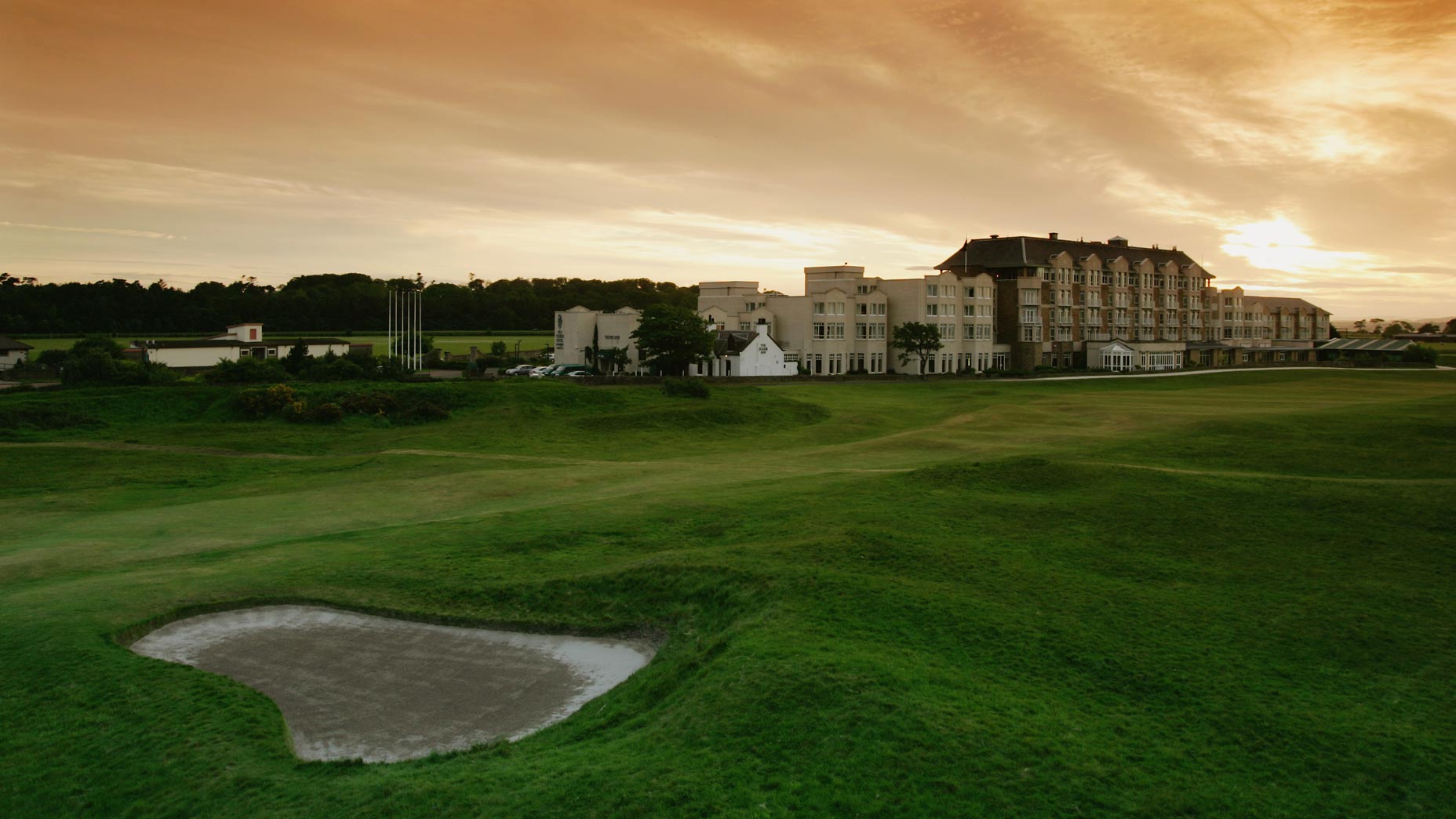
- On a links course, you see wide, open views with the sea, dunes, and wild grasses. The land feels ancient and untouched. Many golfers love the raw, natural beauty.
- On a parkland course, you’re surrounded by green grass, colorful flowers, and tall trees. The course looks tidy, peaceful, and controlled. It’s more like a beautiful garden than a wild landscape.
Common Misconceptions
Many beginners think all golf courses are similar or that the main difference is just the location. Here are a few things people often get wrong:
- Not all coastal courses are links courses. A course can be near the sea but still be a parkland or another type if it has rich soil and many trees.
- Links courses are not “harder,” just different. Some players find links golf easier because the ball rolls farther, while others struggle with the wind and uneven ground.
- Weather is not always bad on links courses. There can be sunny, calm days – but you have to be ready for sudden changes.
- Parkland courses are not always perfect. Rain, mud, and fallen leaves can make them just as tricky as links courses.

How To Choose: Which Course Is Right For You?
Choosing between a links and a parkland course comes down to what kind of golf you want to play.
- If you love nature, challenges, and don’t mind wind or uneven lies, try a links course. It’s a classic experience, and every round feels different.
- If you prefer beautiful scenery, predictable play, and well-kept fairways, a parkland course might be best. It’s a relaxing way to enjoy golf and easier for many beginners.
For a deeper dive into the history and types of golf courses, you can read this Wikipedia article about golf courses.
Non-obvious Insights For Golfers
- Course Maintenance Needs Differ: Links courses need less watering and mowing because of their natural grasses and sandy soil. Parkland courses require a lot of care, which can make them more expensive to maintain and play.
- Tournament Play Can Be Surprising: Professional golfers who do well on parkland courses sometimes struggle on links courses, and vice versa. The skills don’t always transfer.
- Wildlife and Nature: Links courses often support unique plants and animals found only in coastal areas. Parkland courses can be home to woodland creatures and birds.
- Play Pace Can Vary: Fast, rolling fairways on links courses can lead to quicker rounds if you keep the ball in play. But if you end up in the rough or a deep bunker, it can slow you down.
- Seasonal Changes: Parkland courses can look very different in autumn or spring, with colorful leaves or blooming flowers. Links courses change less, giving a more consistent look year-round.
Frequently Asked Questions
What Is The Main Difference Between Links And Parkland Golf Courses?
The biggest difference is location and natural features. Links courses are on coastal land with sandy soil, few trees, and natural hazards. Parkland courses are inland, with soft grass, many trees, and man-made hazards like lakes and flowerbeds.
Why Do Professional Tournaments Prefer Parkland Courses?
Many tournaments, especially in the United States, prefer parkland courses because they are easier to maintain in perfect condition and offer a beautiful, green look for TV. The soft ground also suits the modern power game.
Is It Harder To Play Golf On A Links Course?
Not always. Links courses demand creativity and wind control, while parkland courses require accuracy and power. Some golfers do better on one type than the other, depending on their skills.
Are All British Open Courses Links Courses?
Almost all courses used for the British Open are traditional links courses. This gives the tournament its classic feel and unique challenge, different from other major golf events.
Can A Course Be Both Links And Parkland?
Some courses combine features, but most are clearly one or the other. A course near the sea with sandy soil and few trees is a links course. If it has soft ground and many trees, it’s parkland, even if it’s close to the coast.
Golf’s beauty lies in its variety. Whether you love the wild, windy links or the calm, green parkland, understanding the differences can make the game more enjoyable. Try both types if you can – each offers a new way to experience this timeless sport.
