

Are you confused about which hyperextension bench is right for your workout—the 45-degree or the Roman chair? Choosing the right equipment can make a huge difference in how effective and comfortable your back and core exercises feel.
You’ll discover the key differences between these two benches, how each targets your muscles, and which one suits your fitness goals best. By the end, you’ll be confident in making the right choice to boost your strength and prevent injury.
Keep reading to find out what sets these benches apart and why it matters for your training.

Types Of Hyperextension Benches
Hyperextension benches come in different types to target back and core muscles. Two popular styles are the 45-degree bench and the Roman chair. Each has unique features that suit various exercise needs and user preferences. Understanding these types helps in choosing the right equipment for your workout.
Features Of 45-degree Benches
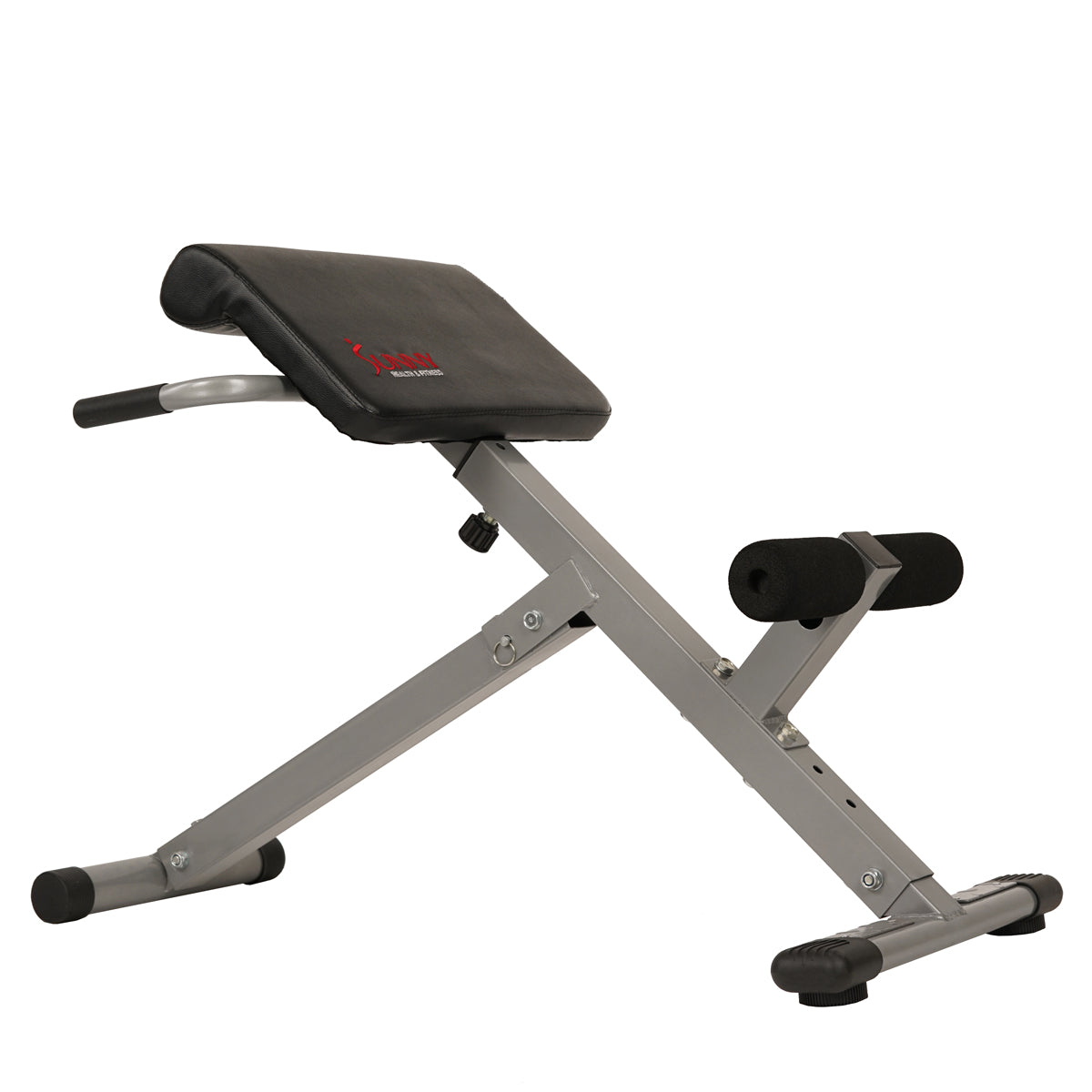
The 45-degree bench has a fixed angle set at 45 degrees. It supports your body firmly during back extensions. The padded footrests keep your legs steady and secure. This bench allows a greater range of motion for deeper stretches. It is ideal for beginners and advanced users. The sturdy frame ensures stability during exercises. Many models include adjustable height options for different users. It mainly targets the lower back, glutes, and hamstrings.
Features Of Roman Chairs
Roman chairs have a more upright design compared to 45-degree benches. They often come with a platform for your feet and padded supports for thighs. The angle is less steep, promoting a more natural spine position. This type helps strengthen the lower back while engaging the core muscles. Roman chairs usually allow for more exercise variety. They are good for beginners and people with lower back sensitivity. The bench design encourages controlled, smooth movements. It also supports exercises like side bends and twists.
Design And Structure
The design and structure of a 45-degree hyperextension bench and a Roman chair hyperextension bench differ in key ways. These differences affect comfort, support, and exercise effectiveness. Understanding these details helps you choose the right equipment for your workout needs.
Both benches aim to support your body during back extensions. Yet, they vary in shape, angle, and padding. These factors change how your body moves and how much strain you feel.
Angle And Positioning
The 45-degree hyperextension bench has a fixed angle of about 45 degrees. It holds your body at a slight incline. This position focuses on the lower back muscles with controlled movement.
The Roman chair bench offers a more vertical or adjustable angle. It allows more freedom in positioning your body. This design targets not only the lower back but also the glutes and hamstrings.
Positioning on the Roman chair often feels more natural for some users. It provides better control over the range of motion. The 45-degree bench keeps the body in a steady, fixed pose.
Padding And Support
Padding differs between these benches. The 45-degree bench usually has thick padding on the hip and thigh rests. This padding reduces pressure and adds comfort during exercises.
The Roman chair has firm padding that supports the pelvis and thighs. Its design gives solid support for longer workouts. The pads are shaped to keep the body stable and aligned.
Both benches use sturdy footrests or ankle supports. These parts hold your legs in place. The quality and shape of these supports vary, affecting stability and comfort.
Targeted Muscle Groups
Understanding the targeted muscle groups helps choose the right hyperextension bench. Both the 45-degree and Roman chair benches strengthen the lower back, core, and glutes. Each bench emphasizes these muscles differently. Knowing these differences improves workout focus and results.
Lower Back Focus
The 45-degree hyperextension bench primarily targets the lower back muscles. It allows a greater range of motion for the lumbar spine. This increased motion helps build strength and endurance in the lower back. The Roman chair also works the lower back but with less range. It provides more support, reducing strain during exercises.
Core And Glutes Engagement
The Roman chair hyperextension bench engages the core and glutes more actively. Its design encourages a neutral spine, which activates these muscles. The 45-degree bench involves the core but focuses less on glutes. This makes the Roman chair better for workouts targeting the entire posterior chain. Both benches improve posture and stability through core and glute work.
Benefits And Drawbacks
The benefits and drawbacks of both the 45-degree bench and the Roman chair affect your workout results. Choosing the right equipment depends on your fitness goals and body needs. Each bench offers unique advantages and some limits to consider.
Advantages Of 45-degree Benches
These benches provide strong support for your lower back. They allow a full range of motion for effective muscle engagement. The angle helps reduce strain on the spine during exercises. Many models offer adjustable pads for comfort and fit. They suit beginners and advanced users alike. This bench targets the lower back, glutes, and hamstrings well.
Advantages Of Roman Chairs
Roman chairs encourage better posture during workouts. They stabilize your body firmly with padded supports. This design helps isolate the lower back muscles precisely. Roman chairs also allow side-to-side twisting motions. This feature helps work oblique muscles effectively. Their compact size fits well in small spaces. They are great for core strengthening exercises.
Potential Limitations
The 45-degree bench can feel uncomfortable without padding. It may be bulky and take up more space. Some users find it hard to adjust to the angle. Roman chairs might not support heavier weights well. They can limit the range of motion for some exercises. Incorrect use risks putting stress on the lower back. Both require proper technique to avoid injury.
Exercise Variations
Exercise variations on 45-degree and Roman chair hyperextension benches target muscles differently. Both benches help strengthen the lower back, glutes, and hamstrings. The choice of bench changes the exercise style and muscle focus. Knowing common moves on each bench helps you pick the right one for your workout goals.
Common Moves On 45-degree Benches
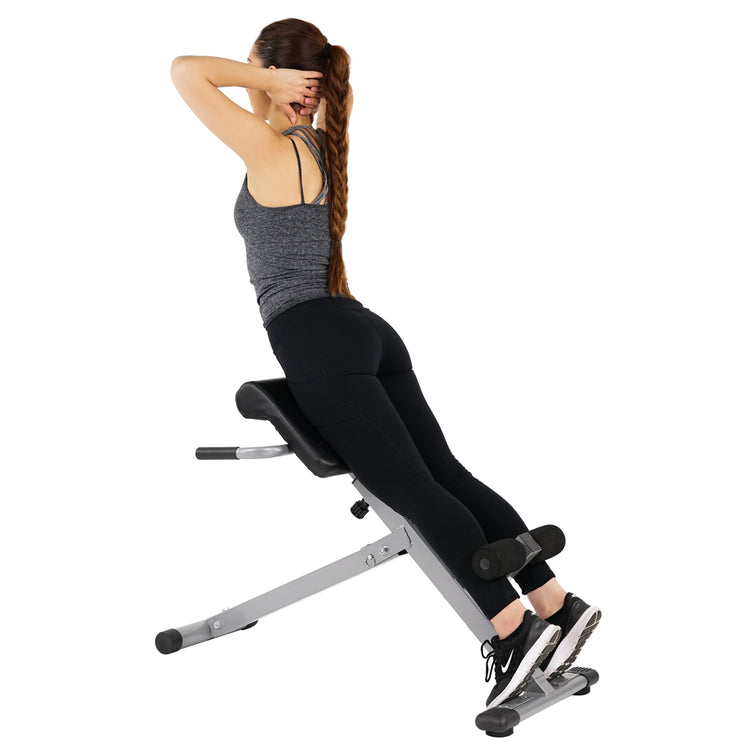
The 45-degree bench supports your hips and thighs at an angle. This position allows a full range of motion for back extensions. The most popular move is the basic back extension. You bend forward at the waist, then lift your torso up until your body forms a straight line.
Another common exercise is the side bend. It targets the obliques by twisting the torso sideways. This move strengthens core muscles and improves balance. You can add weights for more resistance and better muscle growth.
Reverse hyperextensions are also common. You lie face down and lift your legs behind you. This exercise works the glutes and lower back without stressing the spine.
Common Moves On Roman Chairs
Roman chairs hold your hips and lower body steady, leaving the upper body free. The main exercise is the Roman chair back extension. You lower your upper body and lift it back up, focusing on the lower back and glutes.
Roman chairs allow for sit-ups or crunches. This targets the abdominal muscles more directly. The footrests keep your body stable during these moves.
Another move is the side bend, similar to the 45-degree bench. You lean sideways to work the obliques. This strengthens the core and helps with posture.
Choosing The Right Bench
Choosing the right bench for your workout is important. The 45-degree and Roman chair hyperextension benches serve similar purposes but differ in design and use. Picking the best fit depends on your needs and conditions. This section helps you decide which bench suits you best.
User Fitness Level
Your fitness level affects your choice. The 45-degree bench offers more support and is easier for beginners. It helps maintain balance and control during exercises. The Roman chair bench suits those with more experience. It challenges your core and back muscles more. Choose the bench that matches your strength and skill.
Space And Budget Considerations
Consider the space available in your workout area. The 45-degree bench usually takes less space and can fit in smaller rooms. The Roman chair bench is larger and needs more room. Budget also matters. The 45-degree bench is often less expensive. The Roman chair bench may cost more but offers extra features. Pick the bench that fits your space and budget limits.
Safety Tips And Best Practices
Safety is key when using a 45-degree or Roman chair hyperextension bench. Proper use helps prevent injuries and improves workout results. Following best practices ensures you train your lower back and core safely.
Proper Setup And Adjustment
Adjust the bench to fit your height before starting. Your hips should rest comfortably on the pad. Secure your feet firmly under the footpads. This setup keeps your body stable during exercises.
Start With Low Intensity
Begin with fewer repetitions to avoid strain. Use body weight before adding extra resistance. Gradually increase intensity as your strength improves. This approach reduces the risk of muscle injury.
Maintain Correct Form
Keep your back straight throughout the movement. Avoid bending too far forward or backward. Engage your core muscles to support your spine. Good form protects your lower back from damage.
Control Your Movements
Move slowly and avoid jerky motions. Controlled movements improve muscle engagement. They also help prevent accidents and overextension. Focus on smooth, steady motion during each repetition.
Listen To Your Body
Stop immediately if you feel pain or discomfort. Mild muscle burn is normal but sharp pain is not. Rest and consult a professional if pain persists. Your body’s signals help prevent serious injury.
Frequently Asked Questions
What Is A 45-degree Hyperextension Bench?
A 45-degree hyperextension bench is an angled exercise bench. It targets lower back, glutes, and hamstrings. It provides a fixed position for controlled hyperextension movements.
How Does A Roman Chair Differ From A 45-degree Bench?
A Roman chair offers adjustable pads and footrests. It supports a wider range of exercises and angles. The 45-degree bench is usually fixed and less versatile.
Which Bench Is Better For Lower Back Workouts?
Both benches effectively target the lower back. The Roman chair allows more exercise variety. Choose based on your workout style and comfort preferences.
Can Beginners Use Both Hyperextension Benches Safely?
Yes, both benches are beginner-friendly with proper guidance. Start with low intensity and controlled movements. Always maintain correct form to avoid injury.
Conclusion
Choosing between a 45-degree and Roman chair hyperextension bench depends on your workout needs. The 45-degree bench offers more support and targets lower back muscles well. The Roman chair allows for greater movement and engages more muscles. Both help strengthen your core and improve posture.
Think about your comfort and exercise goals before deciding. Either option can boost your fitness routine effectively. Keep your form correct to avoid injury and get the best results. Simple tools, big benefits.
