

Are you ready to take your bodybuilding to the next level without leaving your home? Building the best home gym setup can transform your workouts, save you time, and give you the freedom to train whenever you want.
But with so many options out there, how do you know what equipment you really need? You’ll discover the essential gear and smart tips to create a powerful, effective home gym designed just for your bodybuilding goals. Keep reading, and get ready to build the perfect space that pushes your limits and fuels your gains.
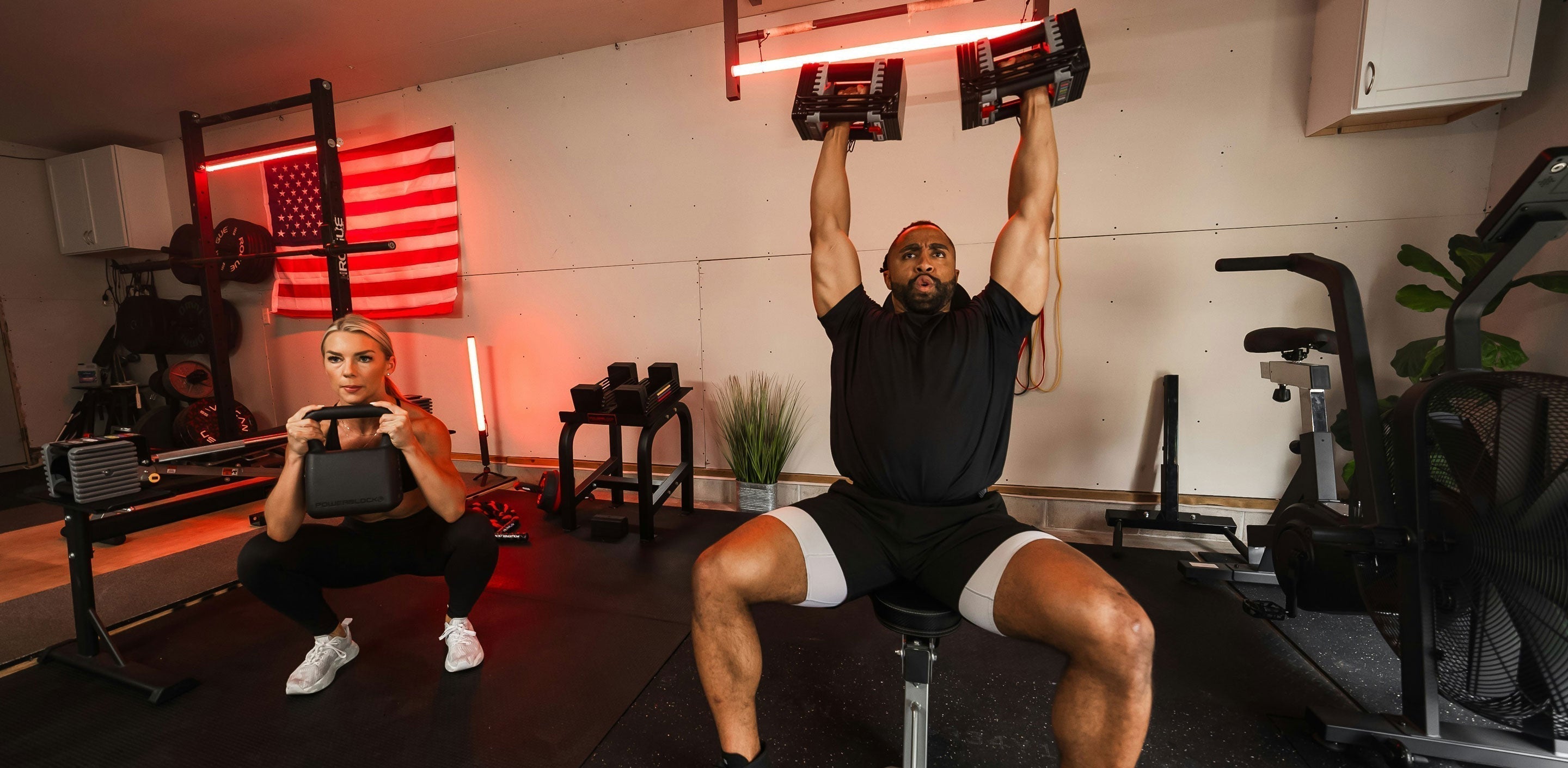
Essential Equipment For Bodybuilding
Setting up a home gym for bodybuilding needs the right equipment. This helps you build muscle safely and effectively.
Choosing equipment depends on space, budget, and workout goals. Focus on tools that allow variety and progression.
Free Weights Vs. Machines
Free weights let you move naturally and work many muscles at once. They improve balance and coordination.
Machines guide your movement and support your body. They are good for beginners or isolating muscles.
- Free weights include barbells, dumbbells, and kettlebells.
- Machines include leg press, chest press, and cable machines.
- Free weights need more control and skill.
- Machines reduce injury risk with guided paths.
Must-have Barbell And Dumbbells
A barbell is essential for heavy lifts like squats and deadlifts. It helps you increase strength fast.
Dumbbells allow a wide range of exercises. They improve muscle balance and fix strength differences.
- Choose adjustable dumbbells to save space.
- Get a standard Olympic barbell for durability.
- Use bumper plates if you plan to drop weights.
- Start with lighter weights and increase gradually.
Choosing The Right Bench
A sturdy bench supports your body during many exercises. It helps target different muscle groups.
Look for an adjustable bench with incline, flat, and decline positions. This adds exercise variety.
- Check bench padding for comfort and durability.
- Ensure it can handle your maximum weight.
- Smaller benches save space but may limit exercises.
- Foldable benches are good for small rooms.
Power Racks And Squat Stands
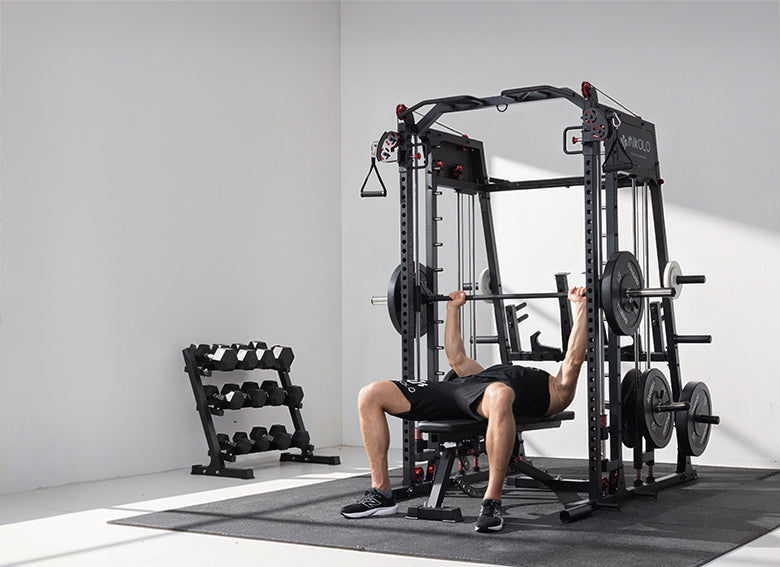
Power racks provide safety and support for heavy lifts. They have safety bars to catch the weight if needed.
Squat stands are simpler and take less space. They work well if you have a spotter or lift lighter weights.
- Power racks allow pull-ups and multiple attachments.
- Squat stands are easier to move and store.
- Choose racks with adjustable safety bars.
- Check the rack’s weight capacity before buying.

Space Planning And Layout
Setting up a home gym for bodybuilding needs careful space planning. The layout should fit your workout style and equipment size.
Good planning helps you move freely and work out safely. It also keeps your equipment organized and easy to use.
Maximizing Small Spaces
Small rooms can still work well as home gyms. Use vertical space by mounting racks and shelves on walls.
Choose foldable or compact equipment. Clear the floor by storing items neatly after workouts.
- Use wall hooks for resistance bands and jump ropes
- Pick adjustable dumbbells to save space
- Place mirrors to make the area feel larger
- Use multi-purpose machines to reduce clutter
Organizing For Safety And Efficiency
Keep your gym safe by arranging equipment with enough space around each item. This prevents accidents and makes workouts smooth.
Store weights on racks and keep cables tidy. Clear paths help you move without tripping or bumping into gear.
- Place heavy weights low to avoid falls
- Keep cardio machines away from lifting zones
- Use rubber mats under machines to reduce slips
- Label storage areas for quick access
Flooring Options For Home Gyms
Flooring affects comfort and safety in your gym. Choose materials that protect your floor and reduce noise.
Good flooring absorbs impact from weights and provides grip. It also makes cleaning easier after workouts.
- Rubber tiles: Durable and shock-absorbing
- Foam mats: Soft and lightweight for small areas
- Vinyl flooring: Easy to clean and water-resistant
- Carpet tiles: Comfortable but less durable
Budgeting Your Setup
Building a home gym for bodybuilding can be expensive. Planning your budget helps you get the most value.
Knowing where to spend and where to save is key. This guide covers smart choices for your budget.
Cost-effective Equipment Choices
Choose equipment that offers many uses for its price. Dumbbells, resistance bands, and adjustable benches are good picks.
Look for gear that grows with your strength. Adjustable weights save space and money over time.
- Adjustable dumbbells for varied weights
- Resistance bands for versatile workouts
- Adjustable bench for many exercises
- Pull-up bar for bodyweight training
Investing In Quality Vs. Quantity
Buying many cheap items can waste money. Low-quality gear breaks and may cause injury.
Spend more on key pieces like barbells and benches. Quality gear lasts longer and feels better.
- Prioritize strong barbells and weight plates
- Invest in a sturdy power rack or cage
- Buy a solid bench with good padding
- Avoid very cheap machines with poor reviews
Diy Solutions For Savings
Making some gym equipment at home can cut costs. Simple items like plyo boxes or weight racks are doable.
Use household items for weights or supports. Always check safety before use to avoid injury.
- Build a wooden plyometric box
- Use water jugs as weight substitutes
- Create a weight rack from scrap wood
- Use sturdy chairs for dips or step-ups
Additional Accessories
Adding the right accessories can improve your home gym setup. These extras help you train better and stay organized.
Focus on tools that increase workout variety and safety. Accessories also make your gym space more comfortable.
Resistance Bands And Cables
Resistance bands offer extra training options. They help with stretching, strength, and muscle activation.
Cables add smooth resistance and allow many exercise types. They work well with weight machines or standalone setups.
- Use bands for warm-ups or added resistance
- Cables help with controlled, steady movements
- Both are lightweight and easy to store
- Great for targeting small muscle groups
Mirrors And Lighting
Mirrors let you check your form during workouts. Good form reduces injury risk and improves results.
Proper lighting brightens the space and boosts motivation. Bright, even light helps you focus and feel alert.
- Install large mirrors on at least one wall
- Use bright LED lights for clear visibility
- Natural light is best if you have windows
- Avoid harsh shadows that hide your posture
Storage Solutions
Good storage keeps your gym tidy and safe. Organized space helps you find equipment quickly.
Use racks, shelves, and hooks to store weights and accessories. Proper storage extends equipment life.
- Weight racks for plates and dumbbells
- Hooks or pegs for resistance bands and cables
- Shelves or bins for smaller items
- Keep floor clear to prevent tripping
Technology And Tracking
Technology plays a big role in building a home gym for bodybuilding. It helps track progress and plan workouts. Using smart tools can improve your training.
Tracking your workouts helps you see gains and stay motivated. You can use apps and smart equipment to get the best results.
Apps For Workout Planning
Workout apps help you create and follow bodybuilding plans. They offer exercises for different muscle groups and set routines.
Some apps give tips on form and rest times. They can remind you to work out and track your sets and reps easily.
- Custom workout plans based on your goals
- Video guides for exercises
- Rest timers and workout reminders
- Logs for sets, reps, and weights
Smart Equipment Features
Smart gym equipment has sensors to track your movements and weight. This data helps you improve form and avoid injuries.
Some machines connect to apps and show your progress on a screen. They can suggest weight adjustments for better training.
- Built-in sensors for reps and weight tracking
- Bluetooth or Wi-Fi to sync with apps
- Digital displays for real-time feedback
- Adjustable resistance based on your strength
Progress Monitoring Tools
Tracking progress helps you stay focused and reach bodybuilding goals. Tools like smart scales and body scanners measure changes.
You can use charts and reports to see muscle growth and fat loss. These tools keep your training on track and show when to change plans.
- Smart scales measure weight and body fat
- Apps that create progress charts
- Photo logs to compare muscle changes
- Wearables that track heart rate and calories
Safety And Maintenance
Setting up a home gym for bodybuilding is exciting. Safety and maintenance keep you healthy and your equipment lasting longer.
Proper care and injury prevention help you train better. Regular checks make sure everything works well.
Proper Equipment Care
Clean your gym equipment after each use. Sweat and dust can cause damage over time.
Use the right cleaning products for each machine. Avoid harsh chemicals that may break parts.
- Wipe down benches and bars with a damp cloth
- Lubricate moving parts as recommended
- Store weights and accessories neatly
- Keep equipment dry to prevent rust
Preventing Injuries At Home
Create a safe workout space with enough room to move. Clear any clutter around your gym area.
Use proper form and weights that match your strength. Ask for help or use safety racks when needed.
- Wear proper shoes for grip and support
- Warm up muscles before heavy lifting
- Use collars to secure weights on bars
- Keep first aid supplies nearby
Regular Inspection Tips
Check your equipment regularly for wear and tear. Look for loose bolts, cracks, or frayed cables.
Fix or replace broken parts immediately. This prevents accidents and keeps your gym safe.
- Inspect bolts and screws monthly
- Test cables and pulleys for smooth movement
- Check padding for tears or damage
- Ensure safety locks and pins work properly
Frequently Asked Questions
What Equipment Is Essential For A Home Bodybuilding Gym?
Basic essentials include a power rack, adjustable bench, dumbbells, and barbells. These provide versatility for muscle growth and strength training.
How Much Space Do I Need For A Home Gym Setup?
A minimum of 50 to 100 square feet is ideal. This space allows comfortable movement and placement of key equipment.
Can I Build Muscle Effectively At Home?
Yes, with proper equipment, consistent training, and nutrition, home gyms can be as effective as commercial ones.
What Budget Should I Plan For A Home Gym?
Expect to spend between $500 and $3000, depending on equipment quality and quantity. Start with basics and upgrade gradually.
Conclusion
Crafting the best home gym setup for bodybuilding involves key essentials. Focus on quality equipment like dumbbells and benches. A sturdy squat rack is crucial. Don’t forget a pull-up bar for variety. Consider space and budget in your planning. Remember, consistency is key.
Create a motivating environment to stay committed. Tailor your setup to fit your goals. Personalized spaces enhance your workout experience. Stay dedicated, and results will follow. Building your home gym is an investment in health. Enjoy the convenience and flexibility it offers.
Happy lifting!
