Every golfer, from beginner to pro, has heard about irons. But what exactly is an iron in golf? Why do golfers carry so many different irons in their bags? If you are new to golf, the world of irons can feel confusing. Irons look similar, often feel similar, but perform very different jobs on the course. Understanding irons is one of the first steps to improving your golf game.
This article will break down the basics and details of irons in golf. We will explore what makes an iron unique, the different types of irons, how they are used, and how to choose the right iron for your game.
You will also find comparisons, examples, and answers to common questions. By the end, you will have a clear understanding of irons and how they fit into the world of golf.
What Is An Iron In Golf?
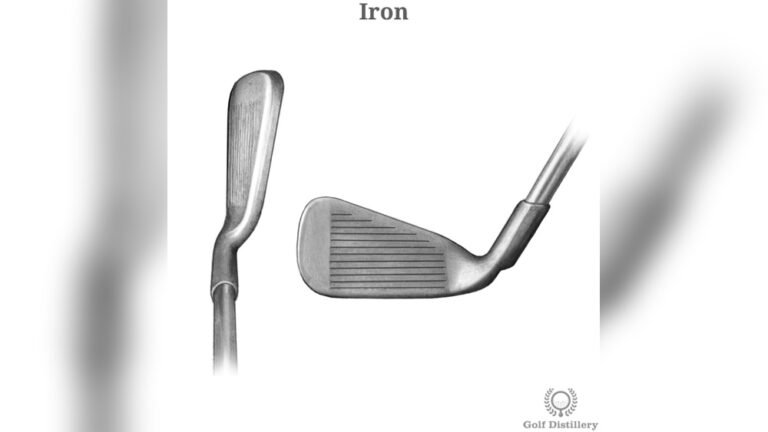
An iron is a type of golf club with a flat, angled metal head. Unlike woods, which have large, rounded heads, irons are designed for accuracy and control. Irons are numbered (usually from 1 to 9) based on the angle, or loft, of the clubface. The higher the number, the higher the loft and the shorter the distance the ball will travel.
Irons are used in a wide range of situations:
- Hitting off the fairway or rough
- Approaching the green
- Escaping tricky spots like sand or trees
The design of an iron allows golfers to make precise shots, control distance, and shape the ball’s flight. Irons are essential for nearly every round of golf.
Key Parts Of An Iron
Every iron has several important parts that affect how it plays:
- Clubhead: The metal part that strikes the ball. Its shape and size affect forgiveness and control.
- Face: The flat area that contacts the ball. Grooves on the face add spin.
- Loft: The angle of the clubface. More loft means higher shots.
- Shaft: Connects the clubhead to the grip. Can be steel or graphite.
- Grip: The rubber or leather handle.
The combination of these parts determines the iron’s performance.
Types Of Irons
Irons can be grouped in several ways. The most common are:
Numbered Irons (1 To 9)
Numbered irons are the backbone of every golf set.
- Long irons (1, 2, 3, 4): Lower loft, hit the ball farther, harder for beginners to use.
- Mid irons (5, 6, 7): Medium loft, good for approach shots, more control.
- Short irons (8, 9): High loft, high shots that stop quickly, used for shots close to the green.
Lower-numbered irons are used for long shots, higher-numbered for shorter, more controlled shots.
Specialty Irons
- Wedges: Technically a type of iron, wedges have even more loft (pitching, sand, gap, lob wedges). Used for high, soft shots and getting out of sand or rough.
- Driving iron: A modern iron with a larger head, designed for long shots off the tee or fairway.
Irons By Design
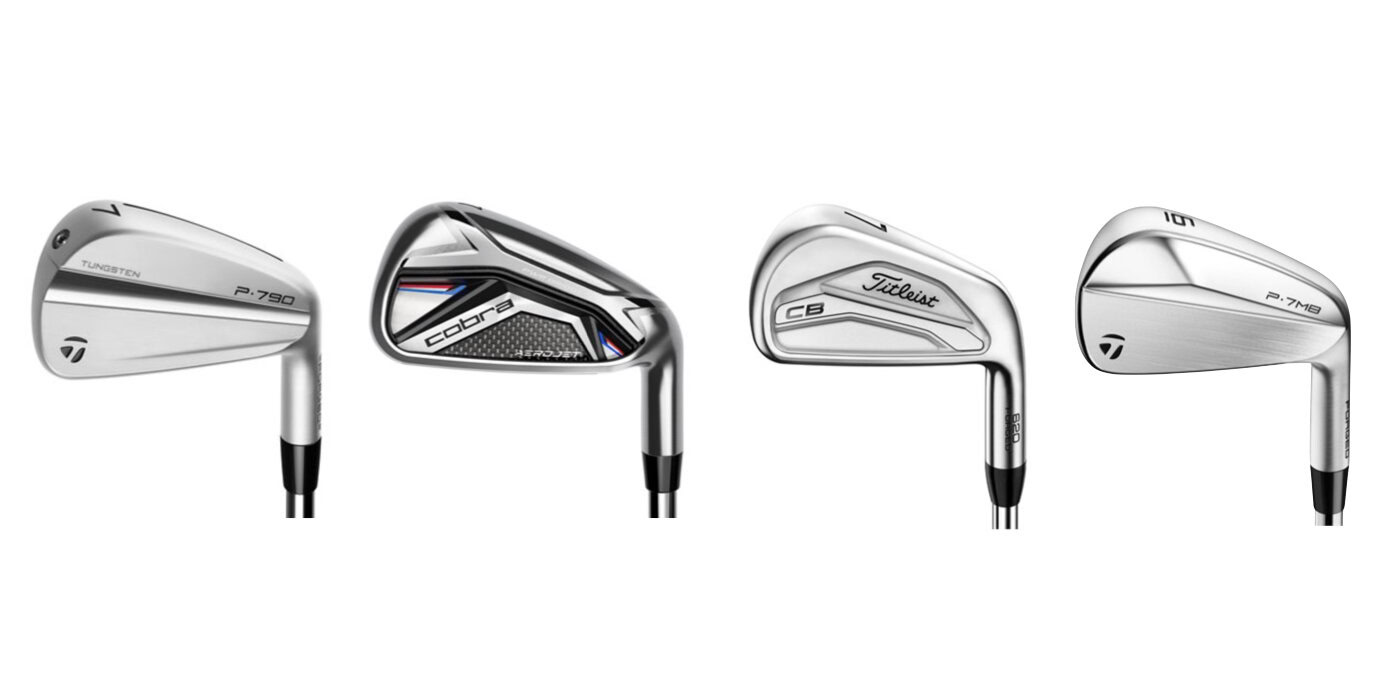
- Blade irons: Thin, flat-backed. More control for advanced players, but less forgiving.
- Cavity back irons: Hollowed out back for more forgiveness. Easier for beginners.
How Irons Are Numbered And What It Means
The number on the iron tells you two main things:
- Loft: Lower-numbered irons have less loft (15–24° for a 2-iron, for example). Higher-numbered irons have more loft (38–45° for a 9-iron).
- Distance: Lower-numbered irons hit the ball farther, but lower. Higher-numbered irons hit shorter, higher shots.
Here’s a comparison of typical lofts and distances for men’s irons:
| Iron Number | Loft (degrees) | Average Distance (yards) |
|---|---|---|
| 3 | 19-21 | 180-210 |
| 5 | 25-28 | 150-180 |
| 7 | 34-36 | 120-150 |
| 9 | 41-45 | 90-120 |
Distances depend on swing speed, skill level, and club design.

When To Use Each Iron
Choosing the right iron depends on your position on the course and the shot you want to play. Here’s how golfers typically use different irons:
- Long irons (2, 3, 4): Long shots from the fairway or rough, or for tee shots on short par-4 holes.
- Mid irons (5, 6, 7): Approach shots to the green from 120 to 180 yards.
- Short irons (8, 9): Shots closer to the green, needing height and stopping power.
- Wedges: For chipping, pitching, bunker shots, or high, soft shots near the green.
Many beginners struggle with long irons because they require more skill. Hybrids or higher-lofted woods are sometimes used instead.
Iron Construction: How It Affects Play
Irons are made with different materials and designs for different types of players.
Clubhead Shape
- Blades are slim and have a small sweet spot. They give better players more control but punish off-center hits.
- Cavity backs are larger with a hollowed back. They have a bigger sweet spot, making them easier for most players.
Shaft Material
- Steel shafts: Heavier, more control, common in irons.
- Graphite shafts: Lighter, can add swing speed, absorb vibration.
Forged Vs. Cast
- Forged irons: Made from a single piece of metal, softer feel, more expensive.
- Cast irons: Made by pouring molten metal into a mold, more affordable, can allow for complex designs.
| Feature | Blade Iron | Cavity Back Iron |
|---|---|---|
| Forgiveness | Low | High |
| Control | High | Medium |
| Used by | Advanced | Beginners/Intermediate |
Most casual golfers are better off with cavity back irons because of the extra forgiveness.
How To Choose The Right Iron
Selecting the right iron is important for improving your score and enjoying the game. Here are key factors to consider:
- Skill level: Beginners should use cavity back irons for more forgiveness. Advanced players may prefer blades for more control.
- Shaft material: If you have a slow swing or want less vibration, consider graphite shafts. Otherwise, steel shafts are standard.
- Set make-up: Many golfers replace long irons (2, 3, 4) with hybrids because they are easier to hit.
- Fit: Clubs should match your height and swing style. A professional club fitting can help.
- Brand and budget: Top brands like Titleist, Callaway, and TaylorMade offer a range of irons for every budget.
A common mistake is buying a full set of irons without testing them. Always try different types to see what fits your swing and comfort.
Iron Vs. Other Golf Clubs
Irons are just one category of clubs. Here’s how they compare to woods and hybrids:
| Club Type | Typical Use | Head Shape | Distance |
|---|---|---|---|
| Iron | Approach shots, fairway, rough | Flat, angled | Short to medium |
| Wood | Tee shots, long fairway shots | Large, rounded | Long |
| Hybrid | Replacing long irons, tough lies | Mix of iron and wood | Medium to long |
Irons are the most versatile clubs and are used for the greatest variety of shots.
Common Mistakes With Irons
Even experienced golfers make mistakes with irons. Here are two common problems and how to fix them:
- Using the wrong iron: Many players use a higher iron when they should use a lower one, or vice versa. Always check your distance and choose the right club for your shot.
- Poor ball position: Placing the ball too far forward or back in your stance can cause mishits. For most irons, the ball should be just ahead of center in your stance.
Another common beginner mistake is trying to lift the ball into the air. Trust the loft of the iron to do the work. Swing down and through the ball.
Iron Care And Maintenance
To keep your irons performing well:
- Clean the grooves after every round. Dirt reduces spin and control.
- Check for damage. Bent shafts or cracked heads should be repaired.
- Replace grips when they become worn or slippery.
- Store in a dry place. Wet irons can rust.
Regular care will add years to your clubs and help you play your best.

The Role Of Irons In A Golf Set
A standard golf bag contains 7–9 irons, usually numbered 3–9 plus a pitching wedge. Some players add specialty wedges for more options.
Irons are the workhorse of the bag. They are used on almost every hole, from tee shots on short par-3s to approaches on long par-5s. If you master your irons, you will see lower scores and more enjoyment from the game.
Non-obvious Insights About Irons
Here are two insights most beginners miss:
- Iron lofts have changed over time. Modern irons are “stronger lofted,” meaning a 7-iron today has less loft than a 7-iron from 20 years ago. This is why modern irons hit the ball farther.
- Custom fitting matters more than brand. The right shaft length, lie angle, and grip size can make a bigger difference than the club brand. Even inexpensive irons can perform well if they fit you.
Frequently Asked Questions
What Is The Main Purpose Of An Iron In Golf?
The main purpose of an iron is to hit accurate shots from the fairway, rough, or tricky locations toward the green. Irons are used for precision and control, especially as you get closer to the hole.
Why Are There So Many Different Irons In A Set?
Each iron is designed to hit the ball a specific distance and trajectory. Lower-numbered irons go farther with a lower flight, while higher-numbered irons go shorter with a higher flight. Having several irons lets you choose the best one for each shot.
Should Beginners Use Long Irons?
Most beginners struggle with long irons (2, 3, 4) because they are harder to hit well. Many new players use hybrids instead, which are easier to launch and more forgiving.
How Do I Know If I Need Steel Or Graphite Shafts?
If you have a fast, strong swing, steel shafts offer more control and feedback. If you have a slower swing or want less vibration, graphite shafts can help you gain distance and comfort.
Can I Play Golf With Just Irons?
You can play a round with only irons, especially on short or beginner-friendly courses. However, you may struggle on long holes without woods or a driver. Most golfers use a mix of irons, woods, and wedges for the best results.
For more on the history and science of golf clubs, you can visit Wikipedia’s Golf Club page.
Golf irons are more than just tools—they are the key to making progress in the game. Understanding what irons do, how they work, and how to choose the right ones will help you become a better, more confident golfer. Whether you are a complete beginner or looking to improve, mastering your irons is a smart place to start.
