
Cricket is a sport full of excitement, skill, and unique terms. One phrase that often grabs attention is hat-trick. If you are new to cricket or still learning the rules, you might wonder: What exactly is a hat-trick in cricket? Why is it so special? This article will give you a clear, deep understanding of the hat-trick—what it means, how it happens, its history, famous moments, and why it is one of the most celebrated achievements in the game. You will discover facts, examples, and even some secrets that beginners often miss. Let’s dive in and explore the world of the cricket hat-trick.
What Is A Hat-trick In Cricket?
A hat-trick in cricket happens when a bowler takes three wickets with three consecutive legal deliveries. The deliveries can be across two overs, or even two innings, but they must be bowled by the same player. The wickets can fall in any way: bowled, caught, LBW (leg before wicket), stumped, or hit wicket, as long as they are consecutive. This feat is rare and highly respected in the cricket world.
For example, if a bowler gets a batsman out with the last ball of one over, then takes wickets with the first two balls of the next over, that is a hat-trick. It does not matter if the balls are in different overs, or if the bowler is facing different batsmen.
Why Is A Hat-trick So Special?
Taking a wicket in cricket is not easy, especially at the highest level. Taking three in a row shows exceptional skill and often changes the match. Hat-tricks are so rare that even famous bowlers may never get one in their career. Crowds love them, teammates celebrate, and the bowler’s name goes down in history.
History And Origin Of The Hat-trick
The term hat-trick did not start in cricket. It first appeared in 1858, in English sport, when a bowler named H. H. Stephenson took three wickets in three balls. To honor him, fans collected money to buy him a hat. Thus, the phrase “hat-trick” was born.
Since then, the term has been used in many sports, but it is most famous in cricket and football (soccer). In cricket, the first recorded first-class hat-trick was by Stephenson, and the first Test match hat-trick was by Fred Spofforth for Australia in 1879.
How A Hat-trick Happens
A hat-trick can occur in several ways, but the key is three consecutive wickets by the same bowler. Here’s how it can play out:
- The bowler delivers the ball and gets a batsman out (wicket 1).
- The next delivery, another batsman faces, and is also dismissed (wicket 2).
- On the third ball, a new batsman is out again (wicket 3).
It can happen over two overs (e. g. , last ball of one over, then first two balls of next). If the innings ends and the bowler continues in the next innings, it still counts if the wickets are consecutive balls bowled by the same player.
Legal Deliveries Only
Only legal balls count for a hat-trick. No-balls and wides do not count as part of the three deliveries.
Across Different Formats
Hat-tricks can happen in all cricket formats: Test matches, One Day Internationals (ODIs), Twenty20 (T20), and even domestic or club games.
Types Of Hat-tricks
While most people think of the classic hat-trick (three wickets in three balls), some variations exist in cricket:
- Natural Hat-Trick: Three wickets in three consecutive balls.
- Split Over Hat-Trick: Wickets spread over two overs (e.g., last ball of one over, first two of next).
- Split Innings Hat-Trick: Wickets across two innings, if the bowler continues his spell from the end of one innings to the start of the next.
- Team Hat-Trick: When a team loses three wickets in three consecutive balls, but not by the same bowler. This is not officially called a hat-trick but is sometimes mentioned by fans.
Hat-trick Compared To Other Cricket Feats
It’s easy to confuse a hat-trick with other bowling milestones. Here’s a simple comparison:
| Achievement | Description | How Common? |
|---|---|---|
| Hat-Trick | 3 wickets in 3 consecutive balls by the same bowler | Very rare |
| Five-Wicket Haul | 5 wickets in a single innings by a bowler | Rare but more common than hat-trick |
| Double Hat-Trick | 4 wickets in 4 consecutive balls by the same bowler | Extremely rare |
A five-wicket haul shows consistency, but a hat-trick shows sudden impact and can change the game quickly.
Famous Hat-tricks In Cricket History
Some hat-tricks have become legendary moments in the sport. Here are a few famous examples:
- Fred Spofforth (Australia, 1879): First Test hat-trick, against England at the Melbourne Cricket Ground.
- Wasim Akram (Pakistan): Took two hat-tricks in his career, both in Test matches.
- Lasith Malinga (Sri Lanka): Known for taking four wickets in four balls (double hat-trick) twice in international cricket.
- Chaminda Vaas (Sri Lanka): Only player to take a hat-trick with the first three balls of a One Day International, against Bangladesh in 2003.
- Irfan Pathan (India): Took a hat-trick in the first over of a Test match against Pakistan in 2006.
These moments are remembered for years and often replayed in highlights.
Statistical Rarity Of Hat-tricks
Hat-tricks are uncommon, even among top bowlers. Here’s some data to show their rarity:
| Format | Total Matches (approx.) | Total Hat-Tricks |
|---|---|---|
| Test Cricket | 2,500+ | 40+ |
| ODI Cricket | 4,500+ | 50+ |
| T20I Cricket | 2,500+ | 35+ |
This means a hat-trick occurs in less than 2% of matches, making it a special achievement.
Rules And Conditions For A Valid Hat-trick
A hat-trick is only valid if:
- The same bowler delivers all three balls.
- The balls are consecutive and legal (no-balls and wides do not count).
- Wickets are taken in any way (bowled, caught, LBW, etc. ).
- The deliveries can span different overs or even innings but must be consecutive balls bowled by the same bowler.
Common Misunderstandings
Many new fans believe a hat-trick must happen in the same over. This is not true. It can be across two overs, or even across two innings, as long as the balls are bowled by the same bowler and wickets fall in consecutive deliveries.
Also, if a batsman is run out between the wickets (say, on the second ball), it does not count for the bowler’s hat-trick unless the bowler was directly responsible (like bowled or LBW).

Celebrations And Rewards For Hat-tricks
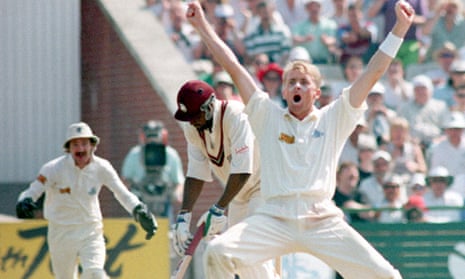
A hat-trick is always celebrated with great energy. Players often run, jump, or hug teammates. Crowds cheer loudly, and the bowler becomes a hero for the day.
In some tournaments, a bowler who takes a hat-trick may receive special awards, prizes, or even a cash bonus. In club cricket, the tradition of buying a hat for the bowler still exists in some places.
The Impact Of A Hat-trick On A Match
A hat-trick can completely change a cricket match. Here’s how:
- Breaks Partnerships: If two batsmen are scoring well, a hat-trick can break their flow and put the batting team under pressure.
- Shifts Momentum: The bowling team gains confidence, while the batting team may become nervous.
- Crowd Excitement: The energy in the ground rises, making it hard for new batsmen to settle.
- Psychological Advantage: The bowler feels more confident and may bowl even better.
A team that was losing can suddenly be back in the game after a hat-trick.
Tips For Bowlers: How To Take A Hat-trick
Taking a hat-trick is not just luck; it also needs skill and smart thinking. Here are some tips for bowlers:
- Focus on Line and Length: Bowl accurately to put pressure on the batsman.
- Vary Your Deliveries: Mix up pace, swing, or spin to surprise the batsman.
- Stay Calm: After two wickets, don’t get too excited. Focus on the next ball.
- Read the Batsman: Notice how the new batsman reacts and choose your delivery wisely.
- Trust Your Fielders: A hat-trick often needs support from good catches or sharp fielding.
Many beginners miss that a hat-trick also depends on the captain’s field placements and team support. Communication is key.
Most Hat-tricks By Players And Teams
Some bowlers and teams have a special ability to take hat-tricks. Here’s a comparison of top performers:
| Player | Country | Number of Hat-Tricks (Int’l) |
|---|---|---|
| Lasith Malinga | Sri Lanka | 5 |
| Wasim Akram | Pakistan | 4 |
| Trent Boult | New Zealand | 3 |
| Malinga (ODI & T20I) | Sri Lanka | 4 (ODI), 1 (T20I) |
Sri Lanka, Pakistan, and Australia are known for producing many hat-trick bowlers over the years.

Unusual And Interesting Hat-trick Facts
Some facts about hat-tricks are not well known:
- Lasith Malinga is the only bowler to take four wickets in four balls twice in international cricket.
- Chaminda Vaas took a hat-trick with the first three balls of a match—still a world record.
- Peter Siddle took a hat-trick on his birthday during an Ashes Test match.
- Hat-tricks in World Cups are even rarer, but Chetan Sharma (India, 1987) was the first to do it in a Cricket World Cup.
Another non-obvious insight: Hat-tricks are not only about bowling skill. Sometimes, pressure, pitch conditions, and even luck play a big part.
Hat-trick In Other Forms Of Cricket
Hat-tricks are not just for international stars. They can happen in:
- Domestic cricket (first-class, List A, T20 leagues)
- Women’s cricket (e.g., Anya Shrubsole, England)
- Under-19 cricket (junior level)
- Club and school matches
For example, in the Indian Premier League (IPL), several bowlers have taken hat-tricks, making it a popular talking point among fans.
Hat-trick In Other Sports
The word hat-trick is also used in sports like football (three goals in a match), hockey, and even rugby. But in cricket, it holds a unique, original place because of its history and the difficulty of the achievement.
If you want to read more about the history and other hat-trick records, you can visit the Wikipedia Hat-Trick page.
Frequently Asked Questions
What Happens If A Bowler Takes Four Wickets In Four Balls?
This is called a double hat-trick. It is even rarer than a normal hat-trick. The bowler gets credit for both a hat-trick and the special four-in-four achievement.
Does A Run-out Count Towards A Bowler’s Hat-trick?
No, a run-out does not count for the bowler’s hat-trick unless the bowler is directly responsible (like bowled, LBW, caught, etc. ). Only wickets credited to the bowler count.
Can A Hat-trick Happen Over Two Innings?
Yes, if a bowler finishes an innings with one or two wickets, then continues bowling in the next innings and takes the remaining wickets in his first deliveries, it counts as a hat-trick.
Has Anyone Taken A Hat-trick On Debut?
Yes, several bowlers have taken a hat-trick in their very first match. For example, Damien Fleming (Australia) took a hat-trick on his Test debut in 1994.
Who Has The Most Hat-tricks In International Cricket?
Lasith Malinga of Sri Lanka holds the record for most international hat-tricks, with five across ODI and T20I formats.
Cricket’s hat-trick is a beautiful mix of skill, timing, and sometimes luck. Whether you are a player or a fan, seeing a hat-trick live is a memory you will never forget. Next time you watch a match, keep an eye out—you might witness cricket history in the making.
