

Golf is a game filled with unique terms and traditions. For beginners, some words can feel confusing, especially when you first step onto a course. One of the most important terms to understand is the fairway. Whether you’re just starting or want to improve your knowledge, knowing what a fairway is—and why it matters—will help you enjoy the game more and play with confidence.
The fairway is not just a simple strip of grass. It’s a carefully maintained part of every hole that shapes strategy, affects your score, and even defines how professionals and amateurs talk about a great shot. The fairway is where most players hope their ball will land after a tee shot. Missing the fairway often means facing more difficult shots and higher scores. Let’s explore the fairway in detail: what it is, how it’s designed, why it matters, and what every golfer should know about this central feature of golf.
Defining The Fairway
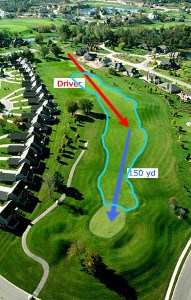
The fairway is the closely mown area on a golf hole that lies between the tee box and the green. It is the main target for most shots after teeing off. The grass on the fairway is kept short, making it easier to hit the golf ball cleanly compared to the longer grass in the rough. Most golf holes are designed with a fairway, except for some short par-3 holes where the tee shot goes directly to the green.
The fairway acts as the “main road” for your ball to travel toward the hole. It offers the best playing surface, with fewer obstacles and hazards than other parts of the course. The fairway’s main purpose is to reward accurate shots, making it an essential part of golf strategy.
The Structure Of A Fairway
Width And Length
Fairways vary in width and length. On average, a fairway is about 30-50 yards wide, but this can change depending on the hole’s design, difficulty, and the course’s overall layout. Championship courses may have narrower fairways (sometimes only 20-25 yards wide), challenging players to hit with precision.
The length of a fairway depends on the hole’s par:
- Par 4 and Par 5 holes have the longest fairways, often ranging from 300 to 500+ yards.
- Par 3 holes usually have little or no fairway, as the green is reachable from the tee.
Grass And Maintenance
The grass on a fairway is usually a type that stays healthy when cut short, such as Bermuda, Bentgrass, or Ryegrass. Fairways are watered, fertilized, and mowed regularly to keep the grass smooth and dense. This consistent surface helps the ball sit up, making it easier to hit.
Fairway Shape
Fairways are not always straight. Some are designed with curves, called doglegs, which bend left or right. These shapes require players to plan their shots carefully. Some fairways are narrower near hazards or bunkers, increasing the challenge.
Fairway Hazards
Fairways are often bordered by hazards:
- Bunkers (sand traps) are placed to catch off-target shots.
- Water hazards (lakes, ponds) may come into play beside or across the fairway.
- Rough is the longer grass that surrounds the fairway, making shots more difficult if you miss the fairway.
Why Hitting The Fairway Matters
Landing your ball on the fairway is almost always an advantage. Here’s why:
- Easier Next Shot: The closely mowed grass gives you a clean lie, making it simpler to hit the ball well.
- Better Control: Shots from the fairway are more predictable. In the rough, the longer grass can twist the club and reduce accuracy.
- Lower Scores: Golfers who hit more fairways tend to score better. Missing the fairway often leads to trouble, lost balls, or difficult recovery shots.
- Confidence Builder: Hitting the fairway after your tee shot gives you confidence for the rest of the hole.
Professional golfers carefully track their fairways hit statistics. On the PGA Tour, the average is about 60-70%. For amateur players, it’s often much lower—sometimes only 30-40%.
Fairway Vs. Other Course Areas
To understand the importance of the fairway, it helps to compare it to other parts of the course. Here’s a simple comparison:
| Area | Grass Height | Difficulty | Main Purpose |
|---|---|---|---|
| Fairway | Short (0.5–1 inch) | Easy/Medium | Main play area between tee and green |
| Rough | Long (1.5–4+ inches) | Hard | Penalizes missed shots, increases challenge |
| Bunker | No grass (sand) | Hard | Hazard, challenges accuracy |
| Green | Very short (0.1–0.2 inch) | Medium | Putting area, final target |
Missing the fairway means you’ll likely end up in the rough or a bunker, making your next shot much harder.
How Fairways Affect Strategy
Shot Selection
Golfers must decide what club to use from the tee based on the fairway’s width, shape, and any hazards. On a wide fairway, you might use your driver to hit the ball as far as possible. On a narrow or curved fairway, you might choose an iron or hybrid for better control.
Course Management
Playing smart often means aiming for the widest part of the fairway, even if it’s not the shortest route to the hole. Skilled golfers think ahead, choosing targets that give them the best chance for their next shot.
Risk And Reward
Some holes tempt you to cut corners or go over hazards to reach the green faster. This can save strokes but increases the risk of missing the fairway and ending up in trouble. Knowing when to play safe and when to be aggressive is key.
How Fairways Are Measured
Golf statistics often track Fairways in Regulation (FIR). This means hitting the fairway with your first shot on a par 4 or par 5. For example, if you hit the fairway with your drive on a par 4, you get credit for a fairway hit.
Professional tournaments keep detailed stats. Here’s a sample comparison:
| Player Type | Fairways Hit (%) | Average Score |
|---|---|---|
| PGA Tour Pro | 62% | 71 (per round) |
| Low-Handicap Amateur | 50% | 76 |
| High-Handicap Amateur | 35% | 92 |
You can see that hitting more fairways often leads to lower scores.
Types Of Fairways
Not all fairways are the same. Different courses and climates create unique fairway styles.
Traditional Fairways
These are found on classic parkland courses. They are wide, lush, and lined with trees. The grass is usually soft and forgiving.
Links Fairways
Links courses, found in places like Scotland, have firm, fast fairways. The grass is often fescue or bentgrass, and the ground can be uneven. Shots roll farther, and the wind is a big factor.
Desert Fairways
In dry regions, fairways are often narrow and surrounded by sand or rocks. Accuracy is critical because missing the fairway can mean a lost ball.
Overseeded Fairways
In warm places, some courses “overseed” fairways in winter, planting cool-season grass over the warm-season base. This keeps fairways green year-round.
How To Hit More Fairways
Improving your fairway accuracy is the fastest way to lower your scores. Here are proven tips:
- Pick a small target: Don’t aim for the whole fairway. Instead, pick a spot (like a tree or marker) and focus on that.
- Choose the right club: Distance is not always best. Use a club you can control, especially on narrow fairways.
- Stay balanced: Good balance in your swing leads to better accuracy.
- Practice under pressure: Simulate real course situations on the driving range.
- Know your shot shape: Some players naturally hit a fade or draw. Play to your strength rather than fighting your natural swing.
Common Mistakes
- Trying to hit too hard: Swinging harder often means less control and more missed fairways.
- Ignoring wind: Even a gentle breeze can move your ball offline.
- Not adjusting for doglegs: On a curved fairway, aiming straight may not be the best choice.
Many beginners focus only on distance. In reality, hitting the fairway gives you the best chance to score well, even if your shot isn’t the longest.

Fairways In Professional Golf
On television, you’ll see professionals carefully planning each shot to stay on the fairway. Courses for big tournaments like the U.S. Open are famous for their narrow fairways and thick rough, making accuracy extremely valuable.
Tournament organizers sometimes make fairways even narrower for major events to test the best players. This often leads to higher scores and more drama.
Here’s a look at fairway widths at some famous courses:
| Course | Typical Fairway Width (yards) | Event |
|---|---|---|
| Augusta National | 35–45 | The Masters |
| Pebble Beach | 25–35 | U.S. Open |
| St Andrews (Old Course) | 40–60 | The Open Championship |
Some courses, like St Andrews, are famous for their wide fairways, giving players many options. Others, like Pebble Beach, challenge accuracy with narrow landing areas.
The Evolution Of Fairways
Fairways have changed over time. Early courses had rough, uneven grass, and fairways were simply the areas that players used most. As golf grew, course designers began shaping fairways to create strategic challenges and reward skill.
Modern technology has improved fairway maintenance. Irrigation systems, better mowers, and new grass types have made fairways smoother and more consistent. This allows golfers to play in many different climates and conditions.
Some courses now use less water and mow less often to save resources, making sustainability an important part of fairway design.
Fairway Etiquette
Respect for the course—and other golfers—is a big part of the game. Here are some key fairway etiquette tips:
- Repair divots: If you take a chunk of grass with your shot, replace it or fill it with sand.
- Keep carts off wet fairways: Many courses ask you to keep golf carts on paths to protect the grass.
- Be ready to play: Don’t take too long preparing your shot, so you don’t slow down play.
- Let faster groups play through: If you’re moving slowly, allow others to go ahead.
Good etiquette keeps the fairway in great condition for everyone and speeds up play.
Non-obvious Insights About Fairways
Many beginners focus only on the look and width of fairways, but there are extra details worth knowing:
- Slope and Contours: Fairways are rarely flat. Subtle slopes can cause balls to roll into the rough, even on a good shot.
- First Cut of Rough: Some courses have a narrow strip of semi-short grass between the fairway and the rough. This “first cut” is a small buffer but not as easy as the fairway itself.
- Seasonal Changes: Fairway grass can play differently in hot, cold, wet, or dry conditions. A fairway that plays soft in spring may be hard and fast in summer.
Understanding these details can help you read the course better and plan smarter shots.
:max_bytes(150000):strip_icc()/wentworth-fairway-57f64a2b5f9b586c35b24006.jpg)
Frequently Asked Questions
What Is The Difference Between Fairway And Rough?
The fairway is the short, smooth grass area between the tee and green, making it easy to hit the ball. The rough is the longer grass beside the fairway, making shots harder and less predictable.
How Wide Is A Fairway In Golf?
Fairways are usually 30–50 yards wide but can be narrower on tough courses or wider on easier holes. Some tournament courses use fairways as narrow as 20 yards to increase difficulty.
Do All Golf Holes Have Fairways?
Most holes have a fairway, except for some par-3 holes, where the tee shot goes directly to the green. On these holes, the fairway may be very short or not present at all.
How Is Fairway Grass Different From Green Grass?
Fairway grass is cut short but not as short as the green. The green uses special grass types and is kept very smooth for putting, while fairway grass is thicker and designed for longer shots.
What Happens If I Miss The Fairway?
Missing the fairway usually means your ball lands in the rough, a bunker, or a hazard. This makes your next shot harder and can lead to higher scores.
Golf is a game where small details make a big difference. Understanding what a fairway is—and how it shapes your play—will help you enjoy the sport more, make smarter decisions, and improve your scores. The next time you step onto the course, you’ll know exactly why golfers cheer when their ball lands safely on the fairway.
For more about course design and golf terms, you can visit the Wikipedia Fairway (Golf) page.
