Golf is a sport that combines skill, strategy, and a connection with nature. Many people want to try this game but feel unsure about what they need to start. The right equipment can make your first experience easier and more enjoyable.
Choosing your gear wisely can also save you money and help you learn faster. In this guide, you’ll find everything you need to know about the equipment required to play golf—whether you’re a complete beginner, a casual player, or someone thinking about joining a club.
Golf Clubs: The Core Of The Game
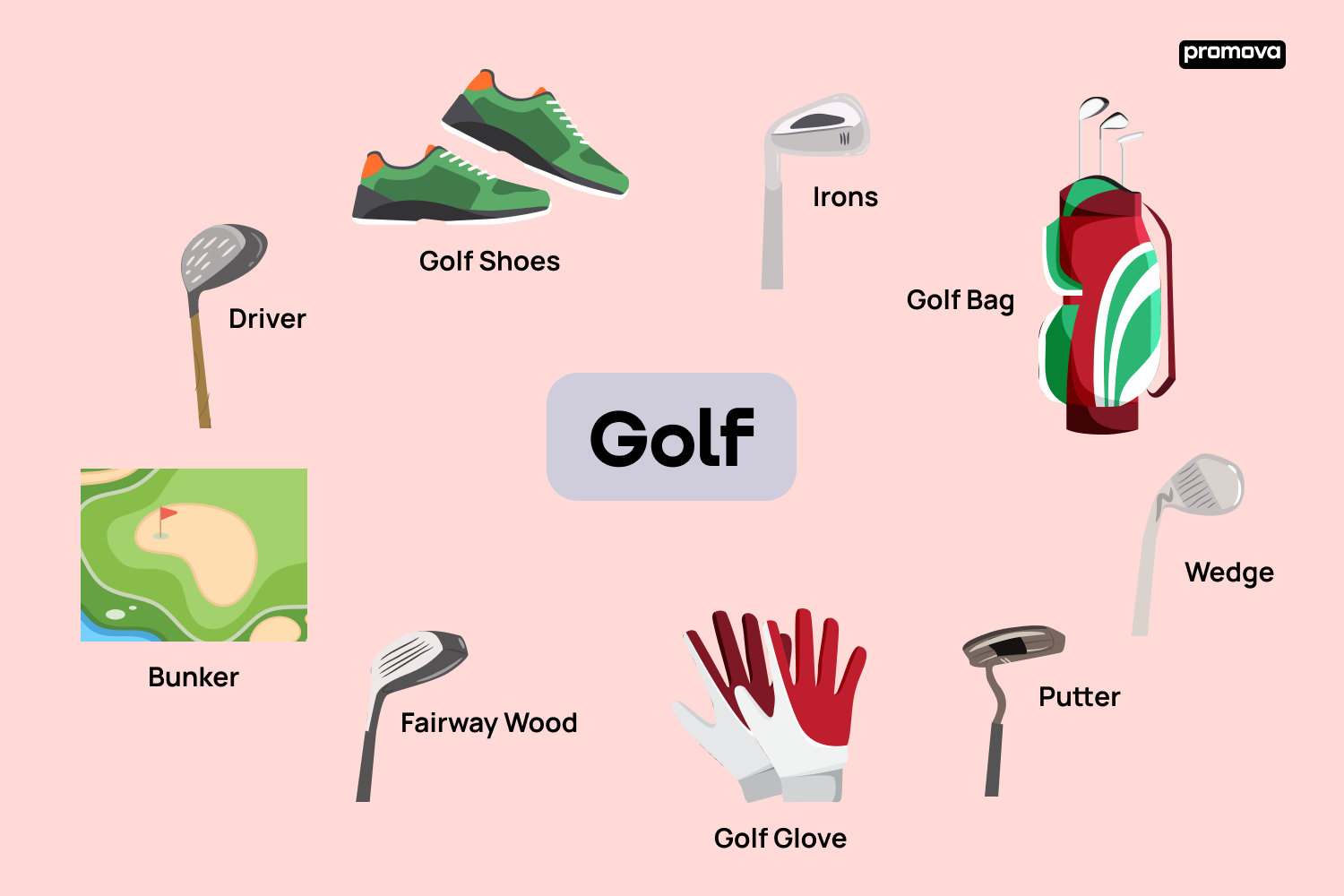
Golf clubs are the most important equipment for playing golf. A standard set includes different types of clubs, each designed for a specific situation on the course.
Types Of Golf Clubs
- Woods: Used for long-distance shots, usually from the tee or fairway. The driver is the most common wood.
- Irons: Used for a variety of shots, especially when you’re closer to the hole. Irons are numbered from 3 to 9, with lower numbers for longer shots.
- Hybrids: A mix of wood and iron, hybrids are easier to hit than long irons and are great for beginners.
- Wedges: Designed for short, high shots, usually near the green. Common wedges are pitching, sand, gap, and lob wedges.
- Putter: Used for rolling the ball on the green into the hole. Every golfer needs a putter.
Most beginners start with a half set (one wood, a few irons, a wedge, and a putter), but as you improve, you’ll want a full set (up to 14 clubs, the maximum allowed in competitions).
Standard Golf Club Set Example
| Club Type | Typical Use | Common Loft (Degrees) |
|---|---|---|
| Driver (Wood) | Tee shots, long distance | 8-12° |
| 3-Wood | Fairway shots | 15-18° |
| 5-Iron | Mid-range approach | 27-28° |
| 7-Iron | Approach shots | 34-36° |
| Pitching Wedge | Short approach, chipping | 44-48° |
| Putter | On the green | 3-5° |
Non-obvious insight: Many beginners overestimate the need for all 14 clubs. In reality, focusing on 6-8 clubs can make learning easier and less expensive.
Golf Balls: More Important Than You Think
Golf balls may look simple, but they are designed with advanced technology. The type of ball affects your distance, control, and feel.
- Two-piece balls: Great for beginners. They are durable and give more distance but less spin.
- Multi-layer balls: For advanced players, offering more control and spin.
Golf balls have different compression ratings (how much they deform when hit). Lower compression is softer and easier for slow swings.
Practical tip: Don’t buy expensive balls at first. Beginners lose many balls, so choose affordable options until your skills improve.
Cost Comparison Of Golf Balls
| Ball Type | Average Price (Dozen) | Best For |
|---|---|---|
| Two-piece | $15-$25 | Beginners, casual players |
| Three-piece | $30-$45 | Intermediate players |
| Tour-level (multi-layer) | $45-$60 | Advanced, low handicaps |
Non-obvious insight: Some local courses sell used balls at a discount. This is a smart way to practice without worrying about losing balls.
Golf Bag: Carrying Your Gear
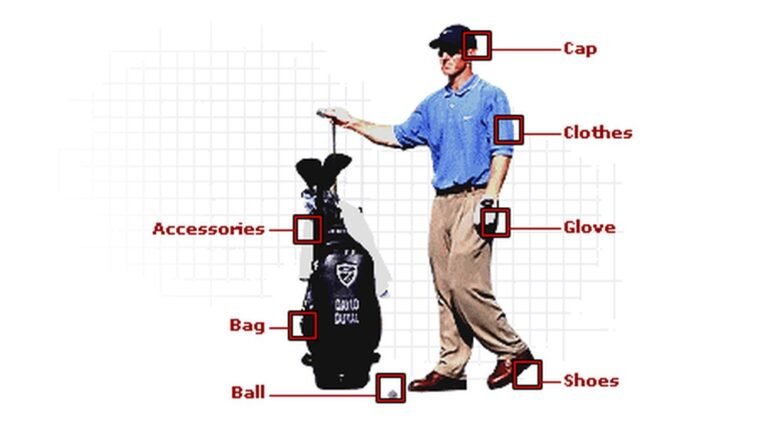
A golf bag organizes your clubs and accessories. There are three main types:
- Carry bags: Lightweight, for walking players.
- Stand bags: Have fold-out legs, can stand on their own.
- Cart bags: Heavier, designed for use on golf carts.
Look for a bag with comfortable straps, enough pockets, and a rain hood if you play in wet conditions.
Extra tip: Don’t overload your bag as a beginner. Heavy bags make walking the course tiring.
Tees: Small But Essential
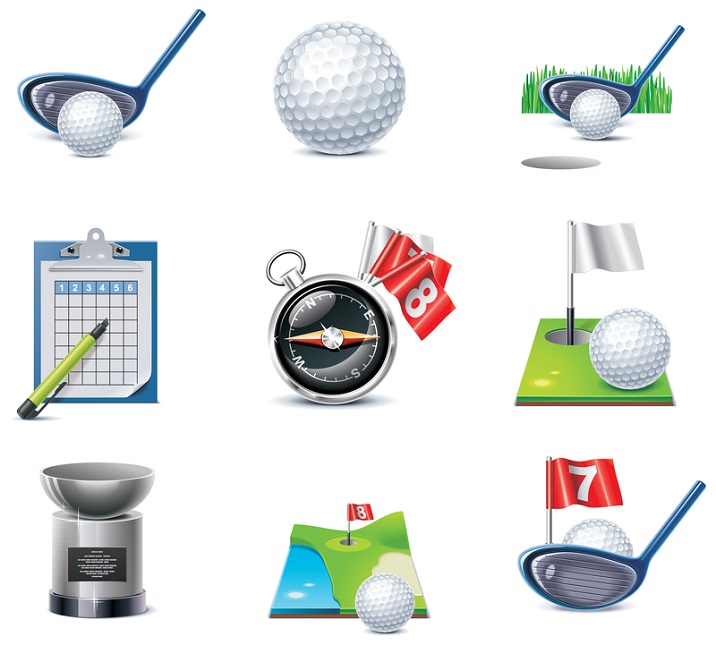
Golf tees are small pegs you use to raise the ball off the ground, especially for your first shot on each hole. They come in wood, plastic, and biodegradable materials. Standard length is 2. 75 inches, but shorter and longer options exist.
Advice: Carry at least 10-20 tees. They break or get lost easily.
Golf Glove: Better Grip And Control
Most golfers wear a glove on their non-dominant hand (left for right-handed golfers). A golf glove gives better grip, reduces blisters, and helps in wet weather.
- Leather gloves: Best feel, but wear out faster.
- Synthetic gloves: More durable, less expensive.
Try gloves on before buying. They should fit like a second skin—snug but not too tight.
Golf Shoes: Comfort And Stability
Golf courses require a lot of walking. Golf shoes provide grip and support. Modern golf shoes have two main types of soles:
- Spiked: Small cleats for extra grip on wet or hilly courses.
- Spikeless: Rubber nubs for comfort and style, good for dry conditions.
Sneakers are allowed on some courses, but golf shoes help your swing and keep you stable.
Pro tip: Waterproof shoes are worth the investment if you play in morning dew or rain.
Apparel: What To Wear On The Course
Most clubs have a dress code. Typical golf apparel includes:
- Collared shirt (polo)
- Golf pants or shorts
- Golf hat or visor
- Belt
Avoid denim and athletic shorts. Some clubs require tucked-in shirts and specific colors. Always check the dress code before you arrive.
Rangefinder Or Gps: Measuring Distance
Knowing how far you are from the hole helps you choose the right club. Two main options:
- Laser rangefinder: Points at the flag and shows distance.
- Golf GPS: Shows a map of the hole and distances to different targets.
These devices are not required for beginners, but they can speed up learning and play. Many smartphone apps now offer basic GPS features for free.
Non-obvious insight: Some courses have distance markers on fairways (100, 150, 200 yards). Learn to spot these before investing in tech.
Ball Marker And Divot Tool: Course Etiquette
When you play on the green, you need a ball marker (a small coin or disc) to mark your ball’s spot. This lets other players putt without interference.
A divot tool is used to fix marks your ball makes on the green. Repairing these keeps the course in good shape and is expected from all golfers.
Towel: Cleaning And Drying
A small golf towel is handy for cleaning clubs and golf balls during your round. You can also use it to dry your hands or grip in wet weather.
Many golfers attach the towel to their bag with a clip for easy access.
Umbrella And Rain Gear: Playing In All Weather
Weather changes quickly on a golf course. A golf umbrella is larger than a regular one and covers you and your bag. Waterproof jackets and pants are helpful if you play in rainy areas.
Practical tip: Always check the forecast and pack rain gear if there’s a chance of showers.
Scorecard And Pencil: Tracking Your Game
Every course provides a scorecard to track your strokes on each hole. Bring a pencil or small pen. Keeping score helps you measure progress and is required in official matches.
Bonus tip: Some golfers use phone apps for scoring, but always bring a pencil as backup.
Water Bottle And Snacks: Stay Energized
Golf rounds can last 4-5 hours. Bring a reusable water bottle and some snacks (like energy bars or fruit) to stay hydrated and focused.
Most courses have water stations and snack carts, but it’s smart to be prepared.
Sun Protection: Shield Yourself Outdoors
Golf means hours in the sun. Protect yourself with:
- Sunscreen (SPF 30+)
- Hat or visor
- Sunglasses with UV protection
Apply sunscreen before and during play, especially on sunny days.
Optional Extras: Items For Comfort And Convenience
Some golfers like to bring:
- Bug spray for courses near water or woods
- Band-aids or small first-aid kit
- Extra socks in case your feet get wet
- Hand warmers in cold weather
These aren’t required, but they can make your experience more pleasant.
Renting Vs. Buying Golf Equipment
If you’re new to golf, you might wonder whether to buy or rent equipment. Most courses offer rental sets, which include clubs and a bag. Renting is a low-cost way to try the sport before making a big investment.
Buying equipment makes sense if you plan to play regularly. Quality clubs can last for years if cared for properly. Used clubs are also a budget-friendly option—many golf shops sell pre-owned sets.
Renting Vs. Buying At A Glance
| Factor | Renting | Buying |
|---|---|---|
| Cost | $20–$50 per round | $250–$1500+ for a set |
| Convenience | No transport or storage needed | Can practice anytime |
| Customization | One-size-fits-all | Fit to your body and swing |
| Commitment | Low | High |
Common Mistakes When Choosing Golf Equipment
- Buying a full set immediately: Start with a few clubs. Expand as you learn what you need.
- Ignoring club fit: Clubs that are too long, short, or heavy will hurt your progress. Try clubs before buying.
- Choosing expensive balls: Beginners lose balls often. Use affordable options until your skills improve.
- Skipping proper shoes: Good grip is more important than style or brand.
- Not checking dress codes: Some clubs are strict. Avoid being turned away for wrong clothing.
How To Choose Equipment As A Beginner
- Ask for advice at your local pro shop or from experienced friends.
- Test clubs if possible. Many shops have indoor ranges or demo days.
- Consider used gear for your first set. Quality used clubs can perform as well as new ones.
- Start simple. You can always upgrade as you progress.
Where To Buy Golf Equipment
- Pro shops at golf courses offer personalized advice.
- Sporting goods stores have a wide selection for all budgets.
- Online retailers like Amazon or specialty golf sites offer convenience and deals.
- Second-hand stores and online marketplaces have affordable options for beginners.
For more on rules and equipment standards, the official R&A Equipment Rules page is a trusted resource.
Frequently Asked Questions
What Is The Minimum Equipment Needed To Play Golf?
At most public courses, you need at least a few clubs (driver, iron, putter), some golf balls, tees, and a bag. Proper shoes and clothing are recommended, but not always required for beginners.
Can I Play Golf With Just One Club?
You can play for fun with only one club, such as a 7-iron, but you’ll be limited in what shots you can make. Official competitions require a set of clubs.
How Much Does A Beginner Golf Set Cost?
A basic new set costs between $200 and $400. Used sets can be found for $100 or less. Renting for a single round is usually $20–$50.
Do I Need Special Shoes To Play Golf?
Golf shoes are not required at all courses, but they give better grip and stability than regular sneakers. Some courses do require golf shoes, so check the rules before you play.
How Many Golf Balls Should I Bring For One Round?
Beginners should bring at least 10–12 balls per round. As you improve and lose fewer balls, you can carry fewer each time.
Golf is a rewarding sport that welcomes all ages and skill levels. With the right equipment and a bit of preparation, you’ll feel comfortable and ready to enjoy your time on the course. As you play more, you’ll discover which gear suits your style and how small changes can improve your experience.
Happy golfing!