

Are you planning to set up a home gym but unsure if your ceiling height will work? The right ceiling height can make a huge difference in how comfortable and effective your workout space feels.
Too low, and you might feel cramped or limit certain exercises. Too high, and you could be wasting valuable space or energy. You’ll discover exactly what ceiling height you need to create a gym that fits your workout style and makes every session enjoyable.
Keep reading to find out how to make your home gym both practical and inspiring.
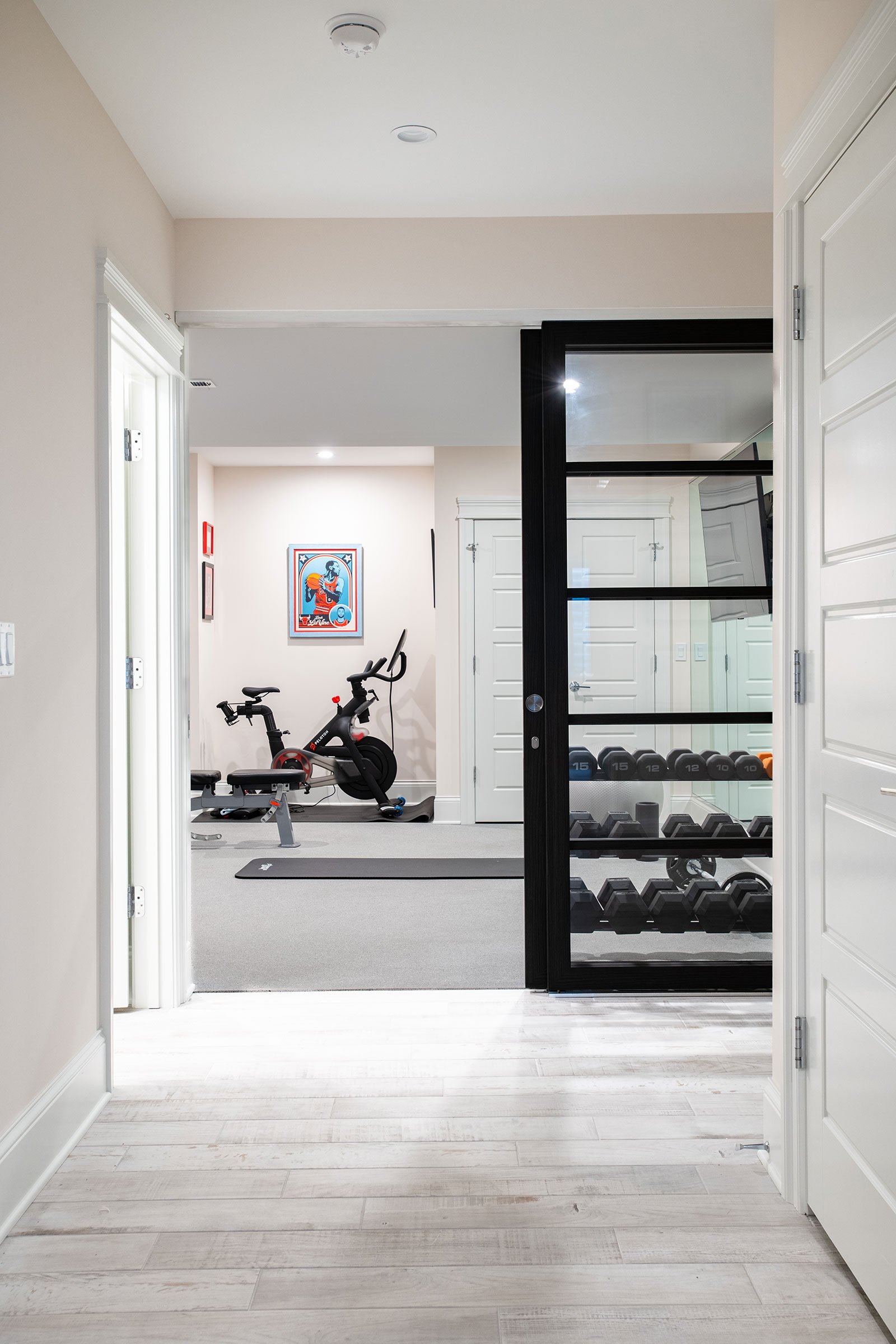
Ideal Ceiling Height
Choosing the right ceiling height is important for a home gym. It helps you workout comfortably and safely.
The ideal height depends on the exercises and equipment you use. Let’s explore what works best.
Minimum Height For Basic Workouts
A ceiling height of at least 7 feet is needed for most basic workouts. This includes stretching, yoga, and bodyweight exercises.
This height allows you to move freely without hitting your head. It suits workouts that do not require jumping or tall equipment.
Height Needs For Different Equipment
Equipment like treadmills, ellipticals, and rowing machines need more height. You need space for movement and safety.
- Treadmills: 8 feet or higher
- Ellipticals: 8 to 9 feet
- Free weights with overhead lifts: 8 feet minimum
- Pull-up bars or climbing ropes: 9 feet or more
Taller ceilings help you use equipment safely and avoid injury. Plan your gym space based on your workout style.
Adjusting For Ceiling Fans And Fixtures
Ceiling fans and light fixtures reduce usable height. You need extra space to avoid hitting them during workouts.
Measure the height of fixtures and add at least 6 inches to your gym ceiling height. This keeps your workout area safe.
- Measure from floor to lowest part of fixture
- Add 6 to 12 inches of clearance
- Consider fixture placement when choosing equipment
Impact On Workout Types
The height of your home gym ceiling affects what exercises you can do. Some workouts need more headroom than others.
Choosing the right ceiling height helps you exercise safely and comfortably.
Cardio Exercises
Cardio workouts like jumping jacks, skipping rope, or using a treadmill need enough space above you. High ceilings prevent you from hitting the ceiling during jumps.
A ceiling height of at least 8 feet is good for most cardio activities. Taller ceilings work better for intense jumping or rope skipping.
Strength Training
Strength training often uses weights and bars that go above your head. Overhead presses and pull-ups need enough vertical space.
A ceiling height of 8 to 9 feet allows for safe lifting without feeling cramped. Lower ceilings may limit exercises that need full arm extension.
Flexibility And Stretching
Stretching and yoga need space for wide arm and leg movements. Ceiling height is less critical but still important for comfort.
Ceilings around 7.5 feet usually work well. Higher ceilings can create a more open feeling during your stretches.
Maximizing Small Spaces
Having a home gym in a small space can be a challenge. Choosing the right ceiling height helps you use the space well.
This guide explains how to maximize small areas for your workouts. It covers smart storage, equipment, and design ideas.
Using Vertical Storage
Vertical storage saves floor space in a small gym. Use wall racks and shelves to keep gear off the ground.
Storing weights, mats, and accessories on the wall keeps your gym neat. It also frees space for movement.
- Install wall hooks for resistance bands and jump ropes
- Use tall shelves for dumbbells and kettlebells
- Add pegboards to hang smaller equipment
Compact Equipment Options
Choose small and foldable equipment to fit low ceilings. This keeps your gym functional without needing extra height.
Compact machines and tools can fit in tight spaces. They allow you to exercise without large equipment taking room.
- Foldable treadmills and bikes save space
- Adjustable dumbbells reduce clutter
- Resistance bands replace bulky machines
Multi-functional Design Ideas
Multi-use furniture and equipment help you do more with less space. This design helps if your ceiling height is limited.
Look for benches, racks, and storage that serve more than one purpose. These pieces keep your gym organized and practical.
- Benches with built-in storage for weights
- Fold-down wall racks that double as workout stations
- Mirrors that include shelves or hooks behind them
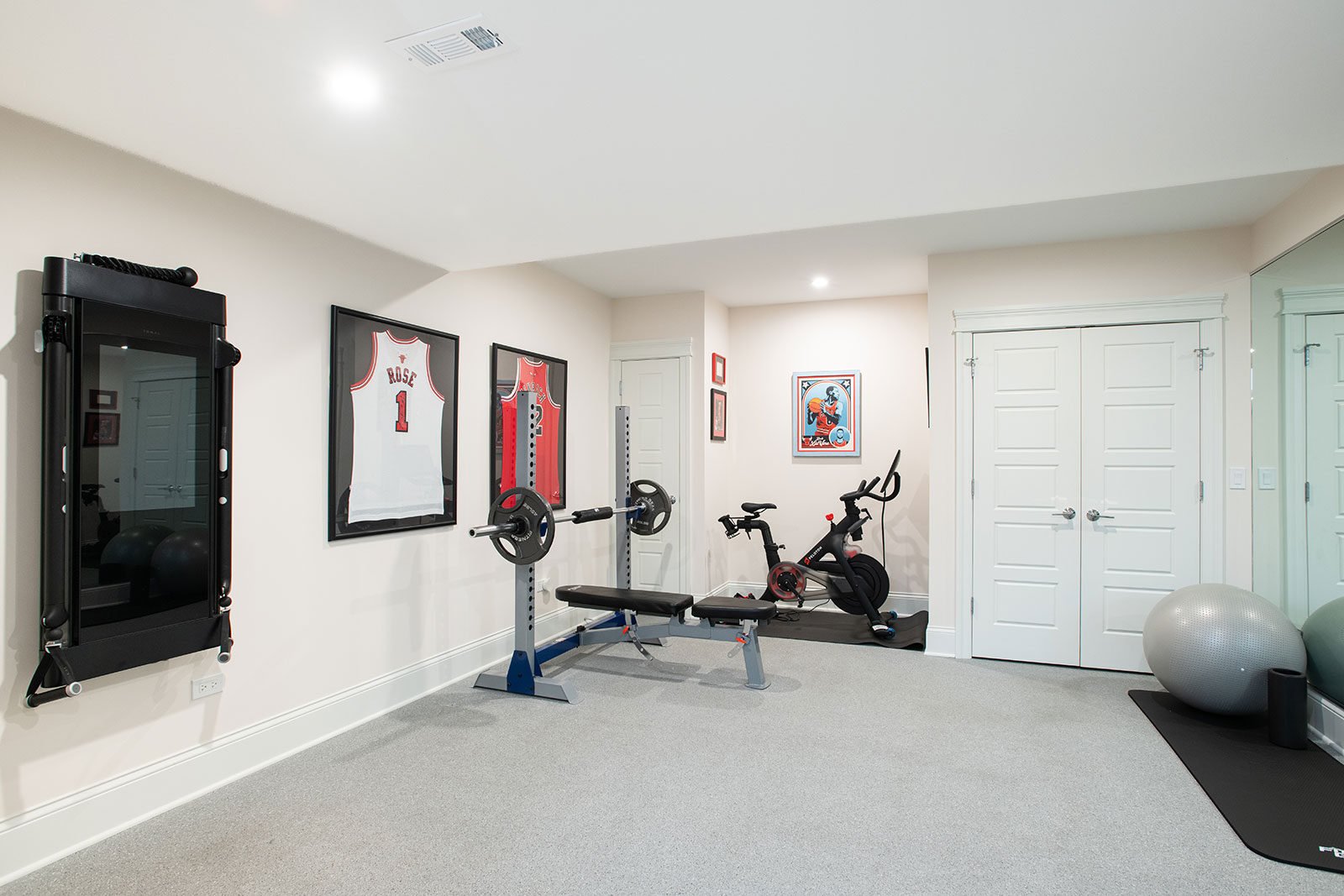
Safety And Comfort
Choosing the right ceiling height for your home gym is important for safety and comfort. The height affects how you move and feel during workouts.
A proper ceiling height helps prevent injuries and creates a pleasant exercise space. It also improves air flow and lighting.
Preventing Head Injuries
Your gym ceiling should be high enough to avoid hitting your head. This is especially important when using equipment like treadmills or lifting weights.
A minimum ceiling height of 8 feet is usually safe for most exercises. Taller ceilings allow more room for jumping or stretching movements.
- Keep at least 8 feet of clearance
- Check equipment height and add extra space
- Avoid low-hanging fixtures or beams
Ensuring Proper Ventilation
Good air flow keeps your gym fresh and cool. Proper ventilation helps you breathe better and reduces sweat build-up.
Higher ceilings improve air circulation. Installing windows or fans also helps keep the air moving.
- Ceiling height of 8 feet or more aids ventilation
- Add windows or vents for fresh air
- Use fans to circulate air during workouts
Lighting Considerations
Bright, even lighting makes your gym safe and inviting. Proper lights reduce shadows that can hide hazards.
Higher ceilings allow space for good overhead lighting. Use LED lights for bright, energy-saving illumination.
- Install lights at least 7 feet above the floor
- Choose bright, cool white bulbs for clarity
- Consider adjustable lights for different workouts
Custom Ceiling Solutions
Ceiling height is important for a home gym. It affects your comfort and safety during workouts. Many homes have low ceilings that limit exercise options.
Custom ceiling solutions can help make your gym space better. You can raise the ceiling, add drop ceilings, or use mirrors to improve the feel of space.
Raising Ceiling Height Options
Raising the ceiling gives more room to move and use tall equipment. You can remove the floor above or adjust the roofline if possible.
This option needs a professional contractor. They check the structure and make safe changes. It can add value to your home too.
- Remove floor joists to create more height
- Adjust roof pitch for extra clearance
- Use beams and supports to keep structure safe
Installing Drop Ceilings
Drop ceilings lower the visible ceiling but hide pipes and wires. They can add space for lighting and ventilation.
Choose tiles that resist moisture and are easy to clean. This helps keep your gym fresh and safe.
- Easy to install below existing ceiling
- Allows space for lights and air vents
- Tiles come in many designs and materials
Using Mirrors To Enhance Space
Mirrors make a room feel larger and brighter. They reflect light and give a better view of your exercise form.
Place mirrors on walls or ceilings. They do not change ceiling height but improve the gym’s open feel.
- Reflect light to brighten the space
- Help check exercise posture
- Create a feeling of more space

Frequently Asked Questions
What Is The Ideal Ceiling Height For A Home Gym?
An ideal home gym ceiling height is around 8 to 10 feet. This height allows comfortable movement and equipment use without feeling cramped.
Can Low Ceilings Affect Workout Safety?
Yes, low ceilings can limit exercise range and increase injury risk. Adequate height prevents accidents during stretching or lifting overhead.
How Does Ceiling Height Impact Gym Equipment Choice?
Ceiling height influences equipment selection; taller ceilings fit machines like treadmills and squat racks better. Low ceilings limit overhead exercises.
Is 7-foot Ceiling Height Enough For Home Gym?
A 7-foot ceiling is borderline but can work for basic workouts. Avoid exercises needing overhead clearance to prevent injury.
Conclusion
Choosing the right ceiling height matters for your home gym. Aim for enough space to stretch and use equipment comfortably. Consider the tallest piece of equipment when planning. At least 8 feet is often ideal. This allows for exercises like jumping or lifting.
Measure twice before setting up. Think about future needs too. As your fitness routine grows, space may be crucial. A well-designed gym can boost your motivation. Comfort leads to better workouts. Your home gym should be a place you love.
Enjoy every workout session safely.
