
Cricket is a sport that captures the imagination of millions around the world. With its roots in 16th-century England, cricket has grown into a global game enjoyed in countries like India, Australia, England, Pakistan, and South Africa. While cricket may seem complex at first glance, understanding its basic rules can make watching or playing the game much more enjoyable. This guide explains the essential rules of cricket in clear and simple language. Whether you are a new fan, a beginner player, or just curious, you will find all you need to know to follow or join a match with confidence.
The Objective Of Cricket
At its core, cricket is a bat-and-ball game played between two teams. Each team tries to score more runs than the other. A run is scored when the batsmen run between the wickets or hit the ball to the boundary. The team with the most runs at the end wins the match.
Basic Structure Of A Cricket Match
A standard cricket match is divided into innings. The number of innings and overs (sets of six balls) depends on the match type. The most common formats are:
| Format | Innings per Team | Overs per Innings | Match Duration |
|---|---|---|---|
| Test | 2 | Unlimited | Up to 5 days |
| One Day (ODI) | 1 | 50 | 1 day (approx. 8 hours) |
| T20 | 1 | 20 | 3-4 hours |
The Teams And Players
Each team in cricket has 11 players. Players are usually divided into batsmen, bowlers, all-rounders, and a wicketkeeper. The wicketkeeper is a special player who stands behind the stumps to catch the ball if the batsman misses it.
Roles In A Team
- Batsmen: Score runs by hitting the ball.
- Bowlers: Try to get batsmen out by delivering the ball.
- All-rounders: Can both bat and bowl well.
- Wicketkeeper: Catches balls, attempts stumpings, and is key in fielding.
The Playing Field
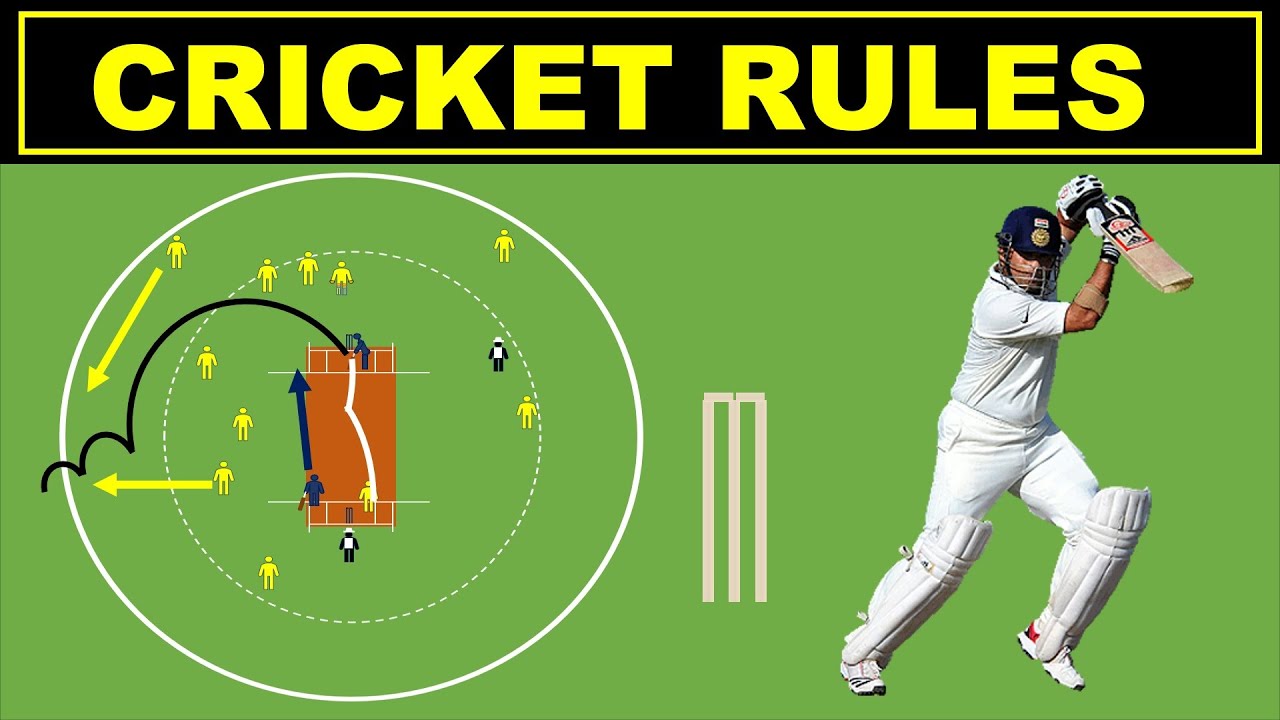
Cricket is played on a large oval field with a 22-yard-long pitch at the center. At each end of the pitch are three wooden stumps (wickets) with two small bails on top. The pitch is where the main action happens.
Key Areas On The Field
- Pitch: The central strip where bowling and batting take place.
- Wicket: The set of stumps and bails at each end of the pitch.
- Boundary: The outer edge of the field; hitting the ball here scores extra runs.
- Crease: Lines on the pitch marking where bowlers and batsmen must stand.
Starting The Match: The Toss
Before the match begins, the team captains meet for the toss. One captain flips a coin, and the other calls heads or tails. The winner of the toss decides whether to bat or bowl first, which can be a strategic advantage depending on pitch conditions, weather, and team strengths.
The Innings
An innings is when one team bats while the other bowls and fields. When ten batsmen are out, or the set number of overs is finished, the innings ends, and the teams switch roles.
Batting
Two batsmen are on the field at all times—one at each end of the pitch. Their aim is to score as many runs as possible before getting out.
Bowling
One bowler delivers the ball from one end of the pitch to the batsman at the other end. The bowler’s goal is to dismiss the batsman.
How To Score Runs
There are several ways for batsmen to score runs:
- Running Between the Wickets: After hitting the ball, the two batsmen run to each other’s end of the pitch. Each successful swap equals one run.
- Boundary (Four Runs): If the ball crosses the boundary after touching the ground, the batting team scores four runs.
- Boundary (Six Runs): If the ball crosses the boundary without touching the ground, it is six runs.
- Extras: Runs awarded for errors by the bowling team, such as no-balls, wides, or byes.
Ways A Batsman Can Be Out
Getting a batsman out is the main task for the bowling and fielding team. There are several ways to dismiss a batsman:
- Bowled: The ball hits the stumps and dislodges the bails.
- Caught: The ball is caught by a fielder, wicketkeeper, or bowler before it touches the ground.
- Leg Before Wicket (LBW): The batsman’s leg blocks a ball that would have hit the stumps.
- Run Out: A fielder hits the stumps with the ball before the batsman reaches the crease.
- Stumped: The wicketkeeper removes the bails while the batsman is out of his crease.
- Hit Wicket: The batsman accidentally hits the stumps with his bat or body.
- Others: There are rare dismissals like ‘obstructing the field’ or ‘handling the ball.’
Bowling Rules
Bowling is more than just throwing the ball. The bowler must deliver the ball with a straight arm and from behind the crease. Each bowler can bowl a limited number of overs, depending on the match type.
Types Of Deliveries
- Fast Bowling: Balls are delivered at high speed, often over 140 km/h (87 mph).
- Spin Bowling: Balls are bowled slower with a spinning motion, making them difficult to hit.
No-balls And Wides
- No-Ball: Delivered incorrectly (overstepping the crease or bending the arm). The batting team gets a free run.
- Wide: The ball is too far from the batsman to hit. The batting team gets a run, and the ball must be bowled again.
Fielding Rules
Fielding is about preventing runs and getting batsmen out. There are rules about where fielders can stand, especially in the early overs (powerplay) of limited-overs cricket.
Field Restrictions
- Powerplay: Only a certain number of fielders can be outside the 30-yard circle for the first overs.
- No Fielder Movement: Fielders cannot move until the bowler delivers the ball.

Overs And Changing Ends
An over consists of six legal deliveries. After each over, a new bowler bowls from the other end. Bowlers cannot bowl two overs in a row.
Umpires And Decision Making
Two umpires on the field control the match. They decide if a batsman is out, call no-balls and wides, and keep track of the game’s progress. In international matches, a third umpire reviews close decisions using video technology.
Match Results And Tie-breakers
Cricket matches can end in different ways:
- Win: Team with more runs wins.
- Draw: In Test cricket, if time runs out before both teams finish their innings.
- Tie: Scores are level at the end.
- No Result: Weather or interruptions prevent completion.
In limited-overs cricket, ties can be broken by a Super Over—a mini one-over match.
Key Cricket Rules Comparison
Understanding the rules can be easier with a side-by-side comparison of match formats:
| Rule | Test | ODI | T20 |
|---|---|---|---|
| Max Overs per Bowler | No limit | 10 | 4 |
| Fielding Restrictions | Minimal | Powerplays | Powerplays |
| Innings per Team | 2 | 1 | 1 |
| Typical Match Length | 5 days | 8 hours | 3-4 hours |

Essential Cricket Terms
Learning a few core terms can help you follow the game:
- Over: Six balls bowled by one bowler.
- Maiden Over: An over with no runs scored.
- Duck: When a batsman gets out without scoring a run.
- All-Out: When ten batsmen are out, ending the innings.
- Century: A batsman scores 100 runs in a single innings.
Non-obvious Insights For New Fans
Some details about cricket are easy to miss if you’re just starting:
- The Condition of the Ball Matters: As the game goes on, the cricket ball changes. Bowlers can use this to their advantage, making the ball swing more or bounce differently. Teams even shine one side of the ball to help bowlers get more movement.
- The Pitch Changes During the Match: The condition of the pitch can change over time, especially in longer matches. It can become harder to bat as cracks appear or as it dries out. This is why the toss is so important and why captains choose to bat or bowl first after seeing the pitch.
- Weather Can Change Everything: Even a short rain delay can alter the match. Wet conditions help bowlers, while a dry, sunny day usually helps batsmen. In some matches, weather interruptions lead to revised targets, using methods like the Duckworth-Lewis-Stern system.
Common Mistakes Beginners Make
Even experienced fans sometimes get confused by these:
- Misunderstanding the Powerplay: In one-day and T20 cricket, powerplays restrict where fielders can stand, making it easier to score runs early in the innings.
- Ignoring the Role of Extras: Extras (no-balls, wides, leg byes, byes) can add many runs, sometimes changing the match result.
- Not Knowing the DRS System: The Decision Review System (DRS) allows teams to challenge umpire decisions using video replays, making the game fairer but also a bit more technical.
Cricket Etiquette And Spirit Of The Game
Cricket is known for its sportsmanship and respect. Players are expected to accept umpire decisions, avoid arguing, and play fairly. The “Spirit of Cricket” is about enjoying the game and showing respect for opponents, teammates, and officials.
Watching And Enjoying Cricket
If you’re new to cricket, start by watching a T20 match. They are short and action-packed. Pay attention to the scoreboard, the number of overs left, and the changing tactics. Listen to commentators—they often explain rules and strategies.
You can learn more about cricket’s rules and history from the official Marylebone Cricket Club website at Laws of Cricket.
Frequently Asked Questions
What Is An Over In Cricket?
An over is a set of six legal balls bowled by the same bowler from one end of the pitch. After one over, a different bowler delivers the next over from the opposite end. Overs help structure the game and limit how much a bowler can bowl in a match.
How Many Ways Can A Batsman Be Dismissed?
There are several ways a batsman can be out, including bowled, caught, LBW, run out, stumped, hit wicket, and a few rare types like obstructing the field. The most common are bowled, caught, and LBW.
What Is The Difference Between Test, Odi, And T20 Cricket?
The main differences are the length of the match and the number of overs per innings. Test matches last up to five days with two innings per team and no over limits. ODIs have one innings of 50 overs per team, and T20s have one innings of 20 overs per team.
Why Is The Toss Important In Cricket?
The toss lets the winning captain choose to bat or bowl first. This can be crucial because pitch and weather conditions often favor batting or bowling at different times during a match.
What Happens If A Cricket Match Ends In A Tie?
If both teams score the same number of runs, it is a tie. In some formats like T20 or ODI knockouts, a Super Over is used to decide the winner. In Test cricket, a tie is very rare and often the match is drawn instead.
Cricket’s basic rules create a unique blend of strategy, skill, and excitement. Whether you’re watching, playing, or just learning, understanding these fundamentals helps you appreciate the sport even more. With time, you’ll find cricket is not just a game, but a global passion that brings people together.
