
Golf looks simple on TV, but when you stand on the first tee, things change. Even experienced players make mistakes that ruin their scores and enjoyment. If you want to improve, you need to spot these common errors and fix them early.
Understanding what goes wrong can save you years of frustration on the course. This guide will walk you through the most frequent mistakes in golf, explain why they happen, and offer clear ways to avoid them. Whether you’re a beginner or have played for a while, knowing these pitfalls will help you play smarter and enjoy golf more.
Poor Grip And Stance
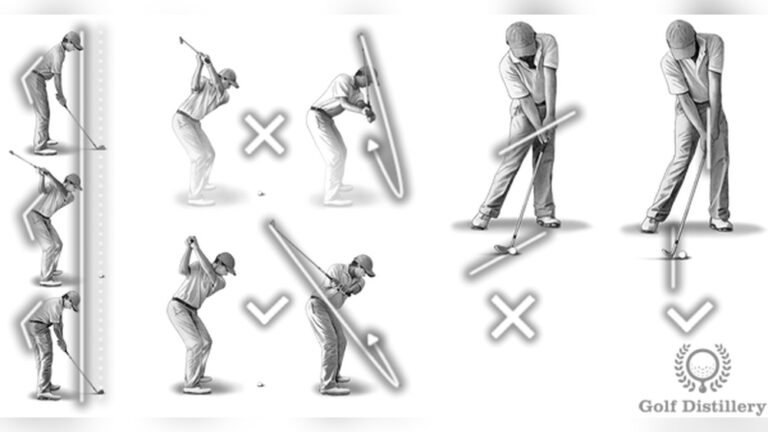
A solid golf swing starts with the basics: grip and stance. Many beginners hold the club too tightly or too loosely. A grip that is too strong (hands turned too far right for right-handers) or too weak (hands too far left) can change the clubface angle. This leads to slices, hooks, or weak shots. Proper grip should feel secure but relaxed, with both hands working together.
Stance mistakes are just as common. Standing too close or too far from the ball changes your swing path. Feet that are too wide or too narrow affect your balance. The best stance is shoulder-width apart, knees slightly bent, with your weight balanced.
Take time to check your grip and stance before every shot. Practicing these fundamentals can fix many problems before they start.
Inconsistent Ball Position
Ball position is often overlooked, but it changes everything. Placing the ball too far forward can cause thin shots or slices, while placing it too far back can lead to fat shots and hooks. Each club needs a slightly different ball position.
For example, the driver is best played off your front heel, while irons are hit from the center of your stance.
Here’s a quick overview:
| Club Type | Ball Position |
|---|---|
| Driver | Inside front heel |
| Long Irons | Slightly forward of center |
| Short Irons & Wedges | Center of stance |
Check your ball position before each shot. Mark it during practice so you build a consistent routine.
Swinging Too Hard
Many golfers believe that more power means longer shots. This is a myth. Trying to swing as hard as possible often leads to losing balance, poor contact, and off-target shots. The golf ball only needs to be hit in the center of the clubface with a smooth, controlled swing.
A relaxed, rhythmic motion allows the club to do its job. Most professionals swing at 70-80% of their maximum power for accuracy and control. You might even notice your shots go farther with less effort. Focus on balance and tempo instead of brute force.
Poor Alignment
Even a perfect swing will fail if you are aiming in the wrong direction. Many golfers line up their feet or shoulders incorrectly, leading to misaligned shots. Check your alignment by aiming the clubface at your target, then aligning your feet, hips, and shoulders parallel to that line.
A simple way to practice is to lay a club or stick on the ground and align your body to it. Small adjustments can make a big difference in your accuracy.
Not Finishing The Swing
Stopping your swing short, also known as “quitting” on the shot, is a common issue. This often happens when you are nervous or unsure about the shot. A full follow-through helps with distance and accuracy. Try to finish with your chest facing the target and your weight on your front foot.
Practicing a smooth, complete swing—even in practice swings—can build this muscle memory.
Ignoring The Short Game
Golf is not just about long drives. The short game—chipping, pitching, and putting—makes up more than half your shots on the course. Many players spend hours on the driving range but neglect the practice green. Poor chipping and putting can quickly add strokes to your score.
Divide your practice time so at least half focuses on short game skills. Even if you can’t reach the green in two shots, you can still save par with a good chip and putt.
Lack Of Course Management
Every hole is different. Playing without a plan is a recipe for high scores. Course management means choosing shots that match your skills and the situation. Many players try difficult shots they’ve never practiced, leading to trouble.
Smart course management includes:
- Laying up when there’s danger ahead.
- Aiming for the center of the green, not the flag, on tricky holes.
- Choosing clubs you are confident with, not just the one that goes farthest.
Good decisions can save more strokes than any new club or swing change.
Overlooking Club Selection
Using the wrong club is a silent score-killer. Many golfers always reach for the driver, even when accuracy is more important than distance. Others use too much club and fly the green, or not enough and leave the ball short.
Learn your average distances with each club. Don’t trust what you see on TV—professionals hit much farther. Use a rangefinder or GPS if possible. If in doubt, choose the club that will leave you short rather than in trouble long.
Here’s a sample of average amateur distances:
| Club | Average Distance (Men) | Average Distance (Women) |
|---|---|---|
| Driver | 200-230 yards | 150-175 yards |
| 7 Iron | 120-150 yards | 80-110 yards |
| Pitching Wedge | 80-110 yards | 50-70 yards |

Poor Tempo And Rhythm
Rushing your swing causes loss of control. Good golf is about rhythm, not speed. Many players swing too quickly from the top, throwing off their timing and balance. Try counting “one” on your backswing and “two” on your downswing. Watch professionals—they look smooth and unhurried, even when hitting long shots.
Recording your swing on video can reveal if you rush. Practicing with a metronome or counting out loud can help you develop better tempo.
Not Practicing With Purpose
Practice does not make perfect—perfect practice does. Many golfers hit balls on the range without a clear goal. This can build bad habits. Always practice with a purpose:
- Aim at a specific target.
- Change clubs every few shots.
- Work on different lies and situations.
After each shot, ask yourself what went right or wrong. Focused practice will improve your game much faster than mindless repetition.

Neglecting Fitness And Flexibility
Golf is a sport that demands flexibility, balance, and strength. Many players ignore physical fitness, leading to injuries or limited improvement. Stiff muscles can ruin your swing and make it hard to finish holes strong.
Simple stretching, balance, and core exercises can make a big difference. Even five minutes of stretching before playing can improve your range of motion and reduce soreness.
Poor Mental Game
Golf is often called a mental sport. Losing focus, getting angry, or fearing mistakes can wreck your round. Many players dwell on bad shots instead of resetting for the next one.
Develop a pre-shot routine to calm your mind. Visualize the shot you want to play. If you make a mistake, take a breath and move on. Golf is about managing misses, not being perfect.
Failing To Learn The Rules
Golf has many rules. Not knowing them can lead to penalties or lost balls. For example, not knowing how to take a drop, or misunderstanding out-of-bounds, can cost you strokes. Take time to learn the basics from the official rulebook or trustworthy sources like the USGA Rules Hub. This knowledge can save you both strokes and embarrassment.
Not Warming Up Properly
Jumping onto the course without warming up is a mistake. Cold muscles are stiff, leading to poor swings and even injury. Arrive at the course early, stretch, and hit a few balls on the range. Spend some time on the putting green to get a feel for the speed.
A proper warm-up routine prepares your body and mind for the round ahead.
Using The Wrong Equipment
Clubs that are too long, too short, too stiff, or too flexible can hurt your game. Shoes without enough grip, gloves that are old, or balls that don’t match your swing speed all make a difference. Getting fitted for clubs, even as a beginner, can help you swing more naturally.
Replace worn grips and check your gear regularly.
Here’s a quick comparison of club fitting factors:
| Equipment Factor | Impact on Play |
|---|---|
| Club Length | Changes swing path and contact |
| Shaft Flex | Affects ball flight and control |
| Grip Size | Impacts comfort and control |
Ignoring Course Conditions
Every course and every day are different. Wet grass, hard greens, wind, and rough all affect your shots. Many players use the same approach every time, ignoring these factors. Adjust your club and shot type for the conditions. For example, use more club into the wind, or play short on firm greens.
Observing how your ball reacts will help you make smarter choices.

Not Tracking Progress
You cannot improve what you do not measure. Many golfers play without keeping track of their scores, fairways hit, greens in regulation, or putts. Use a simple notebook or an app to record your stats. Review them to spot trends—maybe you miss left off the tee, or three-putt too often.
Target your practice based on this data.
Focusing Only On Technique
Swing mechanics are important, but golf is more than technique. Being able to hit different shots—high, low, fades, draws—gives you options on the course. Practice trouble shots, like hitting from the rough or under trees. Creativity is as valuable as perfect form.
Relying Only On Tips And Quick Fixes
The golf world is full of quick tips and magic fixes. Jumping from one swing thought to another can confuse you and hurt your consistency. Stick with one plan for a period of time. Work with a coach if possible, or use trusted resources.
Improvement takes patience and steady practice, not chasing every new idea.
Not Enjoying The Game
This is the most important mistake. Golf should be fun, not stressful. Many players get too focused on their score, equipment, or swing. Remember why you play: fresh air, time with friends, and the challenge. Celebrate small victories, and don’t let mistakes ruin your day.
Frequently Asked Questions
What Is The Most Common Mistake Beginners Make In Golf?
The most common mistake is a poor grip and stance. Many beginners hold the club incorrectly and stand in a way that makes a good swing impossible. Fixing the basics first leads to better results quickly.
How Can I Stop Slicing The Ball?
Check your grip, stance, and alignment. Most slices are caused by an open clubface and swinging across the ball. Practice with a neutral grip and aim your body parallel to your target. Slow down your swing and focus on contact.
Should I Always Use A Driver Off The Tee?
No. The driver is not always the best choice. If accuracy is more important than distance, use a fairway wood or hybrid. Choose the club that keeps you in play, especially on narrow holes.
How Important Is The Short Game?
The short game is critical. More than half your shots are chips and putts. Improving your short game is the fastest way to lower your score and enjoy golf more.
How Do I Know If My Clubs Fit Me?
If you consistently miss left or right, or feel uncomfortable, your clubs may not fit. Visit a professional club fitter or golf shop to get measured. The right club length, lie angle, and shaft flex make a big difference.
Golf is a lifelong journey. Mistakes happen, but each one is a chance to learn. By understanding common errors and how to avoid them, you set yourself up for better rounds, lower scores, and more enjoyment. Stay patient, practice with purpose, and remember—every golfer was once a beginner.
