Are you trying to decide between a recumbent bike and an upright bike for your workouts? Choosing the right bike can make a big difference in how comfortable and effective your exercise feels.
You might wonder which one is better for your body, your fitness goals, and your daily routine. This article will help you understand the key differences so you can make the best choice for your needs. Keep reading to discover which bike matches your style and helps you get the most from every pedal stroke.
Recumbent Bike Basics
The recumbent bike offers a different cycling experience than the upright bike. It has a unique design that changes how you sit and pedal. This bike style is popular for people who want comfort during exercise. It provides back support and a relaxed riding position. Understanding its design and muscle use helps you decide if it fits your needs.
Design And Comfort
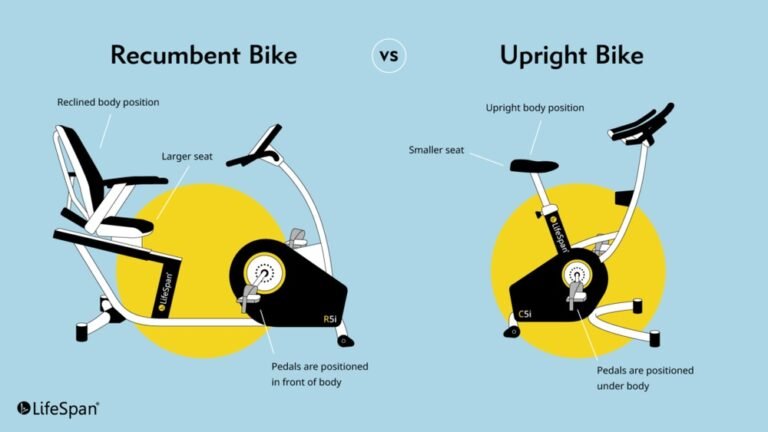
Recumbent bikes have a larger seat with backrest. The seat sits lower and reclines slightly. This reduces pressure on the lower back and hips. Pedals are placed in front, not below the rider. This design spreads body weight evenly. It feels gentler on joints and spine. Many find this bike easier to use for longer periods. It suits those with back pain or balance problems.
Muscle Groups Targeted
The recumbent bike mainly works the legs. Quadriceps, hamstrings, and calves get a good workout. The seated position activates fewer core muscles than upright bikes. It is easier on the lower body joints. This makes it a good choice for rehabilitation or gentle exercise. Arm and upper body muscles get little work. The focus stays mostly on leg strength and endurance.
Upright Bike Features
The upright bike is a popular choice for many fitness lovers. It looks like a regular bike you ride outdoors. This style offers a classic cycling feel. It also fits well in small spaces at home or gym.
Understanding the key features helps decide if it suits your workout needs. Two main points stand out: posture and muscle engagement.
Posture And Position
Riders sit straight or slightly bent forward. The handlebars are positioned in front and below shoulder level. This position mimics outdoor road cycling. It helps improve balance and core strength. The upright posture puts less pressure on your back. It also encourages good spinal alignment. You stay alert and engaged during the ride.
Muscle Engagement
The upright bike targets many leg muscles. Your quadriceps, hamstrings, and calves work hard. The pedaling motion also involves your glutes. Core muscles stay active to keep balance. Arm muscles get some workout from holding handlebars. This bike offers a full lower body workout. It helps build strength and endurance over time.
Health Benefits Comparison
Choosing between a recumbent bike and an upright bike affects your health in different ways. Both types offer good exercise but target your body differently. Understanding their health benefits helps you decide which bike suits your needs best.
Cardiovascular Impact
Both recumbent and upright bikes improve heart health by raising your heart rate. Upright bikes often engage more muscles, leading to a higher calorie burn. This can improve endurance and cardiovascular fitness faster. Recumbent bikes offer a gentler pace, which suits beginners or those with health issues. They still provide a steady heart workout without too much strain.
Joint And Back Support
Recumbent bikes have a larger seat and backrest, reducing pressure on your spine. This design helps people with back problems or joint pain exercise comfortably. Upright bikes require you to sit straight, which can strain your back and knees. They need better core strength and balance. Recumbent bikes protect joints better and reduce injury risks during workouts.

Calorie Burn And Workout Intensity
Calorie burn and workout intensity are key factors when choosing between a recumbent bike and an upright bike. Both types offer good exercise, but they differ in how hard your body works. Understanding these differences helps you pick the best option for your fitness goals.
Energy Expenditure
Upright bikes often burn more calories per hour than recumbent bikes. This happens because upright bikes engage more muscles, including your core and upper body. The seated position on a recumbent bike limits muscle use mostly to the legs. This reduces the total energy your body spends during exercise. Energy output depends on your effort level, resistance, and workout duration on both bike types.
Suitability For Hiit
Upright bikes suit high-intensity interval training (HIIT) better. Their design allows quick changes in speed and resistance. This helps you push hard during sprints and recover fast. Recumbent bikes are less flexible for sudden intensity shifts. They are better for steady, low-impact workouts. HIIT on upright bikes can lead to higher calorie burn in less time.
Space And Equipment Considerations
Space and equipment needs matter when choosing between a recumbent bike and an upright bike. Your available room and how easy the bike moves or stores can affect your choice. Both types have unique sizes and care needs. Understanding these helps pick the right bike for your space and lifestyle.
Size And Portability
Recumbent bikes tend to be larger. They have a longer frame and a wider seat. This means they take up more floor space. Upright bikes are usually smaller and narrower. They fit better in tight rooms.
Moving a recumbent bike can be harder. These bikes are heavier and bulkier. Upright bikes are lighter and easier to carry. Some models have wheels for simple moving. Think about where you will keep the bike and how often you move it.
Maintenance Needs
Both bikes need regular care to work well. Recumbent bikes have more parts, like extra seat supports. These may need more checks and fixing over time. Upright bikes have simpler designs. This often means less maintenance.
Cleaning both bikes is simple. Wipe down after use to keep sweat off parts. Check pedals, chains, and seats regularly. This keeps the bike safe and smooth to ride. Choosing a bike with easy maintenance saves time and money.

Who Should Choose Recumbent
Choosing the right exercise bike matters for comfort and fitness results. Recumbent bikes offer a unique design with a reclined seat and back support. This design suits certain groups better than upright bikes. Understanding who benefits most helps make a smart choice.
Recumbent bikes reduce strain on joints and back. They provide a low-impact workout that feels easier for many users. Some people find recumbent bikes safer and more comfortable for longer workouts.
Age And Mobility Factors
Older adults often prefer recumbent bikes. The seat supports the back and hips well. This support reduces pain during exercise. People with limited mobility find it easier to get on and off. The low step-through design helps avoid falls.
Recumbent bikes allow a steady pace without standing. This suits those with balance issues or weak knees. The bike’s design encourages longer, steady workouts. It promotes heart health without extra strain.
Rehabilitation And Injury Prevention
Recumbent bikes aid in recovery from injuries. They offer controlled, gentle motion that helps healing. Physical therapists often recommend them for joint or muscle rehab. The seat reduces pressure on injured areas.
These bikes help prevent injury by lowering impact. The reclined position reduces stress on hips and knees. Users can exercise safely without risking further damage. Recumbent bikes support steady progress in recovery.
Who Should Opt For Upright
Choosing between an upright bike and a recumbent bike depends on your fitness needs. Some people gain more from upright bikes due to their design and movement style. This section explains who should pick the upright bike for better results.
Athletic Training Benefits
Upright bikes mimic real cycling posture. This helps athletes improve balance and core strength. The position also engages more muscles, especially the legs and glutes. It allows for standing up while pedaling, which builds power. Athletes can adjust speed and resistance quickly on upright bikes. This makes workouts intense and varied. Upright bikes also improve cardiovascular fitness effectively. They are ideal for those training for races or outdoor cycling.
Weight Loss Goals
Upright bikes burn more calories per hour than recumbent bikes. The active posture requires more energy. Pedaling harder increases heart rate fast, aiding fat loss. You can do interval training easily on upright bikes. This boosts metabolism and promotes weight loss. The bike’s design encourages longer and more intense workouts. People aiming to lose weight find upright bikes helpful. They combine cardio and strength for better results.

User Experience And Preferences
User experience and personal preference play a big role in choosing between a recumbent bike and an upright bike. Each type offers a different feel during exercise. Comfort, motivation, and how engaged a person feels can change the workout quality. Understanding these factors helps pick the best bike for each user.
Comfort Levels
Recumbent bikes have a larger seat and back support. This design reduces pressure on the lower back and hips. Users often find it easier to stay seated for longer periods. The upright bike has a smaller seat and requires more balance. Some people may feel strain in their wrists or back. Comfort depends on body type and any pain issues. Those with back problems often prefer recumbent bikes. Others enjoy the more natural riding position of upright bikes.
Motivation And Engagement
Upright bikes mimic outdoor cycling more closely. This can make workouts feel more active and exciting. The riding posture encourages a stronger core workout. Some users feel more motivated because it feels like real biking. Recumbent bikes offer a relaxed and steady ride. This style can be less tiring and easier to maintain. However, some find it less challenging or less fun. Personal interest in cycling style affects how engaged a user stays. Picking the bike that feels right can boost workout consistency.
Price And Value Analysis
Choosing between a recumbent bike and an upright bike involves understanding their price and value. Both types offer unique benefits. Knowing cost differences and long-term value helps make a smart choice.
Cost Differences
Recumbent bikes usually cost more than upright bikes. The design and comfort features add to the price. Upright bikes tend to be simpler and cheaper. Basic models of upright bikes can fit tight budgets. Recumbent bikes often include extra parts that raise the cost.
Prices vary by brand and features. High-end upright bikes may match or exceed some recumbent bike prices. Look at what features matter most before deciding. Comfort and support in recumbent bikes come at a price.
Long-term Investment
Think about durability and maintenance. Both bike types need occasional repairs and upkeep. Recumbent bikes might last longer due to stable design. Their parts often wear less quickly. Upright bikes can require more frequent repairs if used intensely.
Consider how often you will use the bike. Regular use can justify a higher initial cost. Comfort may help you exercise longer and avoid injury. This adds value beyond the price tag. Choose a bike that fits your fitness goals and budget for the best return.
Frequently Asked Questions
What Are The Main Differences Between Recumbent And Upright Bikes?
Recumbent bikes have a reclined seat and back support, reducing strain on the lower back. Upright bikes mimic traditional cycling with an upright posture, engaging more core muscles. Both offer effective cardio workouts but target different muscle groups and comfort levels.
Which Bike Is Better For Lower Back Pain Relief?
Recumbent bikes are generally better for those with lower back pain. The reclined seating position provides lumbar support and reduces spinal pressure. Upright bikes may strain the back due to the forward-leaning posture, making recumbent bikes a safer choice for back issues.
Are Recumbent Bikes More Effective For Weight Loss?
Both bike types burn calories effectively, aiding weight loss. Upright bikes may engage more muscles, potentially increasing calorie burn. However, comfort on a recumbent bike encourages longer workouts, which can also support weight loss. Effectiveness depends on workout intensity and duration.
Which Bike Type Is Safer For Beginners?
Recumbent bikes are often safer for beginners due to their stable design and comfortable seating. They reduce the risk of falls and joint strain. Upright bikes require better balance and posture, which may challenge new cyclists but improve overall cycling skills.
Conclusion
Choosing between a recumbent and upright bike depends on your needs. Recumbent bikes offer comfort and support for your back. Upright bikes help with posture and engage more muscles. Both provide good cardio workouts and help burn calories. Think about your fitness goals and any health issues.
Test both types if you can. Pick the bike that feels right and keeps you motivated. Exercise should be enjoyable and safe for the best results.
