Have you ever wondered if you can do Olympic lifting right in your own home gym? You might think you need a big, fancy space or expensive equipment to safely lift heavy weights like the pros.
But what if you could train smart, stay safe, and get stronger without leaving your house? You’ll discover practical tips and surprising truths about making Olympic lifting work in your home gym. Keep reading—you’re closer to mastering these powerful lifts than you think.

Space Requirements
Olympic lifting needs enough space to move safely. Your home gym must fit the equipment and allow free movement.
Planning the right space helps avoid injuries and protects your floors and walls.
Ideal Room Dimensions
The room should be wide and long enough for lifting and moving around. At least 10 feet by 10 feet is good.
This space fits a barbell, plates, and room for safe lifting. More space is better for comfort.
- Minimum width: 10 feet
- Minimum length: 10 feet
- Extra space for lifting platform or mat
Ceiling Height Needs
Ceiling height is important for lifts like the snatch and clean and jerk. You need enough height to lift the bar overhead.
A ceiling height of at least 8 feet is required. Higher ceilings of 9 feet or more are better to avoid hitting the bar.
- Minimum ceiling height: 8 feet
- Ideal ceiling height: 9+ feet
- Check for light fixtures or fans in the way
Flooring Considerations
Strong flooring protects your home and supports heavy weights. Olympic lifting involves dropping weights, so the floor must absorb impact.
Use rubber mats or lifting platforms to protect floors and reduce noise. Avoid thin carpets or wood that can get damaged.
- Use thick rubber mats or a lifting platform
- Protect floors from heavy drops and scratches
- Ensure flooring is stable and not slippery
Essential Equipment
Olympic lifting requires specific equipment to train safely and effectively. Setting up a home gym for these lifts means choosing the right gear.
This guide covers the essential equipment you need to start Olympic lifting at home. Each piece helps support your training and safety.
Choosing The Right Barbell
The barbell is the main tool for Olympic lifts. It must be strong and flexible to handle fast, heavy movements.
Look for a barbell that is 7 feet long and weighs 20 kilograms for men or 15 kilograms for women. A good grip and smooth spinning sleeves are important.
- Standard length: 7 feet (men), slightly shorter for women
- Weight: 20 kg (men), 15 kg (women)
- Knurling for grip without cutting hands
- Rotating sleeves to reduce wrist strain
Selecting Weight Plates
Weight plates must fit your barbell and be easy to handle. Bumper plates are best for Olympic lifting since they absorb impact when dropped.
Choose plates made of dense rubber to protect your floor and equipment. They come in standard colors to help identify the weight quickly.
- Bumper plates reduce noise and floor damage
- Standard Olympic hole size: 2 inches
- Color-coded weights for easy recognition
- Start with lighter plates for warm-ups
Power Rack And Platforms
A power rack helps you lift safely by catching the barbell if you fail a lift. It also allows for exercises like squats and presses.
A lifting platform protects your floor and gives a stable surface to lift. It also absorbs shock from dropped weights.
- Power rack with adjustable safety bars
- Strong and stable frame to hold heavy weights
- Platform made of wood and rubber for durability
- Space for full range of motion during lifts
Safety Measures
Olympic lifting in a home gym can be safe with the right steps. Following safety measures reduces injury risks.
Focus on proper techniques and equipment to protect yourself and your space.
Proper Spotting Techniques
Spotting helps prevent accidents during lifts. It is important to know how to spot correctly.
Always have a trained spotter when lifting heavy weights. They should stand close and be ready to assist.
- Spotter stays alert and focused on the lifter
- Use hands to guide the bar if the lift fails
- Communicate clearly before and during the lift
- Do not rely on spotters for snatch or clean and jerk
Using Bumper Plates
Bumper plates are designed to absorb impact. They protect floors and reduce noise when dropped.
Always use bumper plates for Olympic lifts. Avoid using metal plates as they can damage your home gym floor.
- Bumper plates are made of dense rubber
- They allow safe dropping of weights
- Use a sturdy platform or mat under the plates
- Check plates for cracks or damage regularly
Securing The Area
Clear space around your lifting area to prevent injuries. Remove obstacles and keep the floor dry.
Mark a safe zone for lifting. Warn others to stay clear while you lift.
- Keep children and pets away during workouts
- Use rubber mats to protect floors and reduce slipping
- Store weights and bars safely when not in use
- Check lighting to ensure good visibility

Budget Planning
Building a home gym for Olympic lifting needs careful budget planning. You must think about the cost of equipment and space.
Smart budgeting helps you avoid overspending. It also ensures you get the right tools for safe and effective training.
Cost Of Equipment
Olympic lifting requires specific equipment like barbells, plates, and platforms. These can be costly depending on quality and brand.
Prices vary widely. A good barbell can cost from $200 to $500. Weight plates add $1 to $3 per pound. Platforms may cost $400 or more.
- Barbell: $200–$500
- Weight plates: $1–$3 per pound
- Lifting platform: $400+
- Collars and racks: $100–$300
Diy Vs Professional Setup
You can build some equipment yourself or buy ready-made items. DIY options save money but need time and skills.
Professional setups cost more but offer better safety and durability. They also save time on assembly and setup.
- DIY platform: lower cost, requires tools and effort
- Professional platform: higher cost, ready to use
- DIY racks: cheaper, may lack stability
- Commercial racks: stable, safer, more expensive
Long-term Investment
Investing in quality equipment saves money over time. Cheap gear may break and need replacement.
Good equipment lasts many years. It also keeps you safer during heavy lifts, reducing injury risk.
- Durable barbells maintain performance longer
- High-quality plates stay balanced and safe
- Sturdy racks prevent accidents
- Proper platforms protect floors and joints
Training Techniques At Home
Olympic lifting can be done in a home gym with the right training techniques. You can improve strength and skill even with space limits.
Using simple tools and smart methods helps you train safely and effectively at home. Let’s look at some useful techniques.
Adapting Workouts For Limited Space
Home gyms often have less space than commercial gyms. You can adjust your workouts to fit smaller areas.
Use lighter weights and focus on form and speed. Perform movements that need less room, like pulls and presses.
- Replace full snatches with hang snatches
- Use dumbbells or kettlebells instead of a barbell
- Do mobility and flexibility drills in small spaces
- Keep a clear area to avoid injury
Video Coaching And Feedback
Video coaching helps you see your form and technique. Record your lifts to find errors and improve.
Use apps or online coaches for feedback. They can give tips based on your videos to help you progress.
- Set up a camera at a side angle
- Record your lifts regularly
- Compare your videos to professional examples
- Send clips to coaches for advice
Progress Tracking Methods
Tracking your progress helps you stay motivated and see results. Keep a workout journal or use apps.
Note your weights, sets, and reps. Record how your body feels after workouts. This helps you adjust training.
- Write down each session’s exercises and loads
- Track changes in your technique and flexibility
- Use charts or apps to visualize progress
- Set small goals for each week or month
Common Challenges
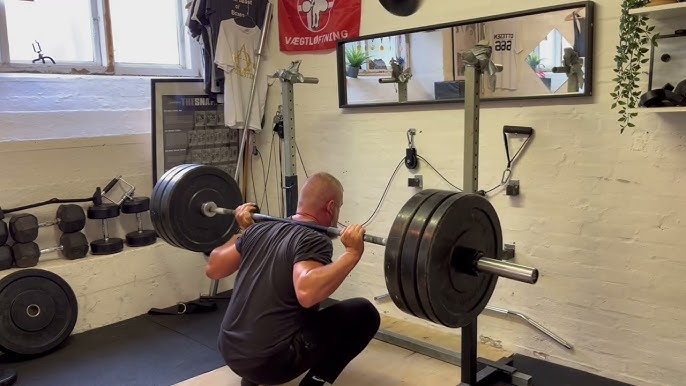
Olympic lifting at home can be tough for many people. It needs space, equipment, and focus.
Several challenges come up when trying to lift heavy weights in a home gym setup.
Noise And Disturbance
Dropping heavy weights makes loud noises. This can bother family or neighbors nearby.
Some homes have thin walls or floors that carry sound easily. This adds to the disturbance.
- Use rubber mats to reduce noise from drops
- Lift weights on padded platforms
- Choose lifting times when fewer people are home
- Talk with neighbors about your schedule
Storage Solutions
Olympic lifting equipment takes up a lot of space. Bars, plates, and racks need a safe place.
Without good storage, your home gym can become messy and unsafe for lifting.
- Use vertical racks for plates to save floor space
- Install wall-mounted bar holders
- Keep collars and clips in small containers
- Clear space around lifting area for safety
Motivation And Consistency
Training alone at home can make it hard to stay motivated. No coach or training partners.
Consistency drops without a set schedule or support system. This affects progress.
- Set specific training days and times
- Track your progress with a workout journal
- Join online communities for support
- Watch videos to learn and stay inspired
Success Stories
Many people wonder if Olympic lifting can be done in a home gym. Some have shown that it is possible. They used limited space and equipment to get stronger.
These success stories prove that with focus and smart setup, home gyms work well for Olympic lifting.
Home Gym Transformations
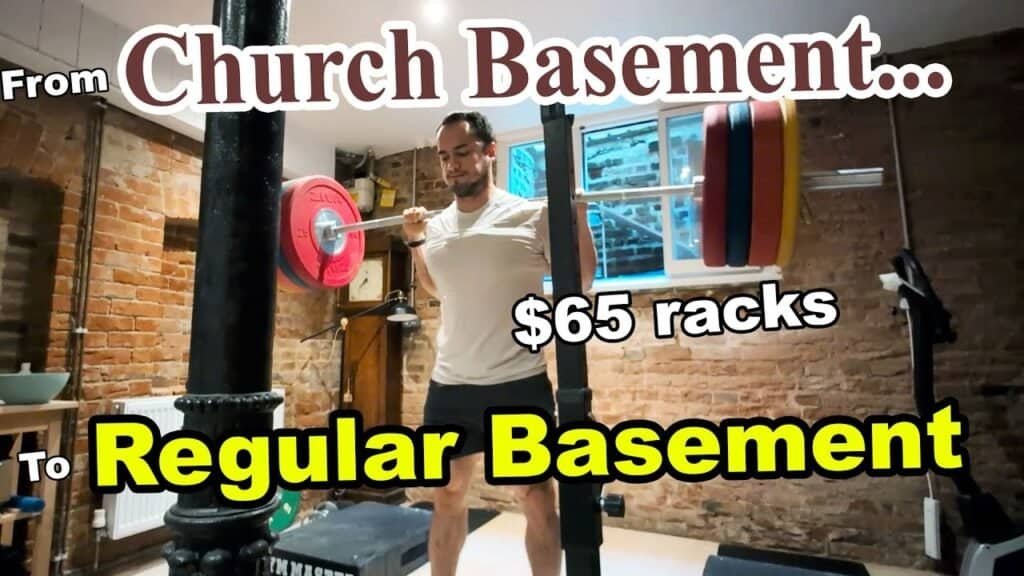
Many lifters start with small home gyms. They build up their space step by step. Some convert garages or basements into lifting areas.
They add key equipment like barbells, bumper plates, and racks. These changes help them practice lifts safely and improve fast.
- Added a power rack for safety
- Installed rubber flooring to protect floors
- Used adjustable weights for varied training
- Created space for mobility and warm-up
Athletes Who Train At Home
Some Olympic lifters train mostly at home. They balance work, family, and training in one place. This helps them stay consistent.
These athletes show that dedication matters more than fancy gyms. They track progress and adjust workouts to reach goals.
- Use online coaching to improve technique
- Set weekly goals for lifts and mobility
- Record videos to analyze form
- Focus on recovery and nutrition at home
Frequently Asked Questions
Can I Do Olympic Lifting Safely At Home?
Yes, Olympic lifting can be safe at home with proper equipment and technique. Use bumper plates and a sturdy platform. Ensure enough space and consider a coach or video feedback for form correction to prevent injuries.
What Equipment Is Needed For Home Olympic Lifting?
Essential equipment includes a barbell, bumper plates, a lifting platform, and collars. A squat rack is helpful but not mandatory. Quality gear ensures safety and effective training at home.
How Much Space Is Required For Olympic Lifting?
You need at least 8×8 feet of clear space for safe lifting. The area should have a non-slip surface and enough room to move freely and drop weights safely.
Can Beginners Learn Olympic Lifts At Home?
Beginners can start at home but should focus on technique first. Use lighter weights or practice with a PVC pipe. Online tutorials or coaching help build a strong foundation safely.
Conclusion
Olympic lifting in a home gym is possible. With the right setup, you can enjoy effective workouts. Focus on safe techniques and proper equipment. Start with basic lifts, then gradually advance. Safety should always come first. Consider space, flooring, and noise levels.
With commitment, home gym training can be rewarding. Stay consistent and patient. Progress will come over time. Enjoy the journey of strength and fitness at home.
