
Are you looking for a simple way to stay active at home? A walking pad might seem like a great option.
But if you’re a senior, you’re probably wondering—is a walking pad safe for you? Your health and safety come first, and it’s important to know how this device fits into your routine. Keep reading to discover what you need to consider before stepping onto a walking pad, and how it can help you move more confidently every day.
Benefits Of Walking Pads For Seniors
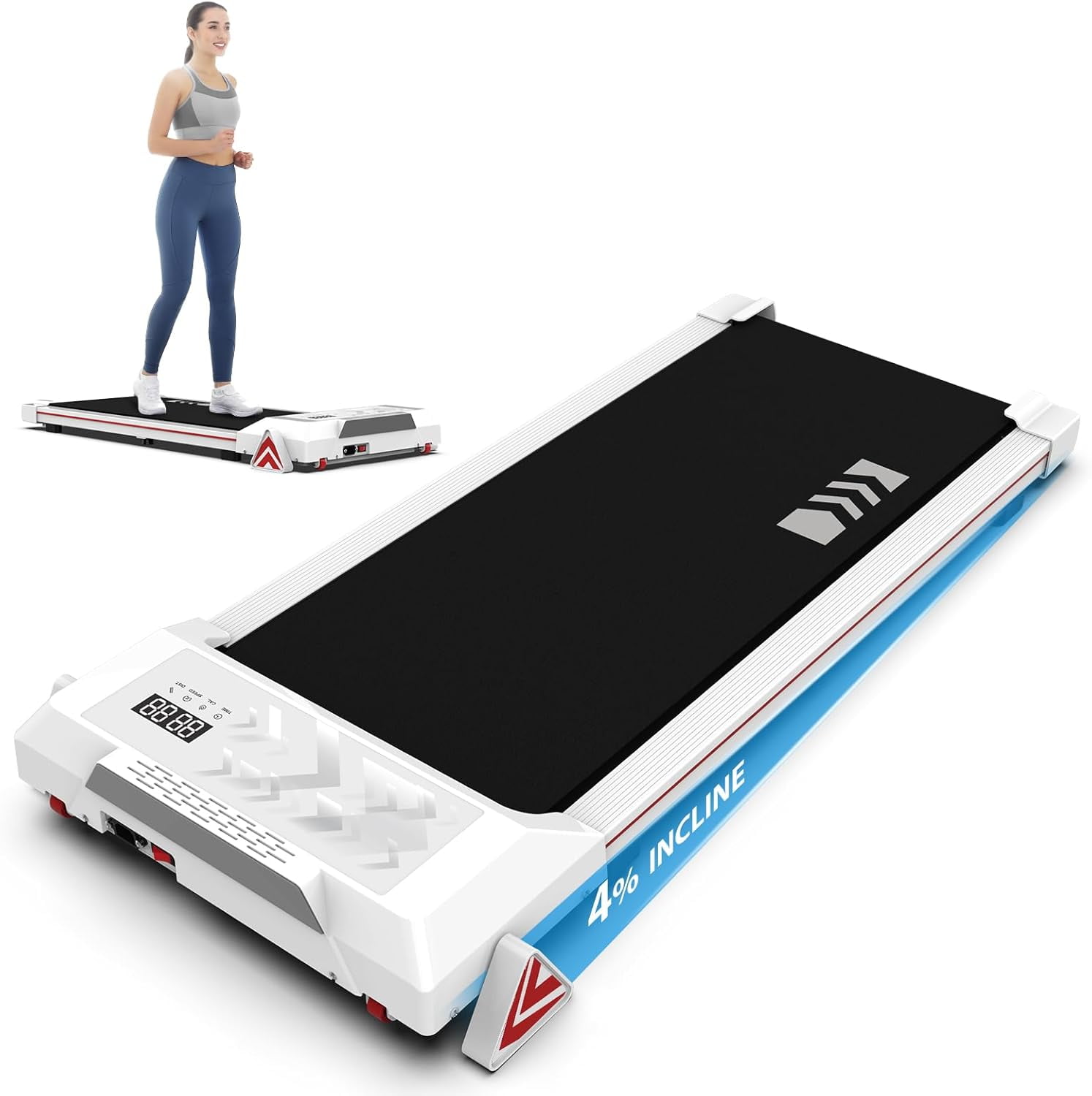
Walking pads offer many benefits for seniors. They provide a safe way to stay active without leaving home. Seniors can improve their health and well-being with regular use. These devices are easy to use and fit well in small spaces.
Walking pads help seniors maintain independence and confidence. They support gentle movement and help prevent health problems. Seniors can enjoy exercise that suits their pace and comfort level.
Low-impact Exercise Advantages
Walking pads provide low-impact exercise that is gentle on joints. This reduces the risk of injury and pain. Seniors can walk steadily without harsh pressure on knees or hips. This makes it easier to stay consistent with exercise routines.
Low-impact workouts help improve heart health and muscle strength. They also support better breathing and stamina. Walking pads offer a safe way to build fitness step by step.
Improved Mobility And Balance
Regular use of walking pads can improve balance and coordination. This lowers the chance of falls, a common concern for seniors. Walking helps strengthen muscles needed for daily activities. Better mobility means greater freedom and safer movement.
Simple walking exercises boost flexibility and joint health. Walking pads encourage steady movement that supports overall body control. They offer a practical way to maintain physical independence.
Convenient Indoor Workout
Walking pads allow seniors to exercise indoors, regardless of weather. No need to worry about rain, heat, or cold. This convenience makes it easier to stick with a daily routine. Seniors can walk anytime, even while watching TV or listening to music.
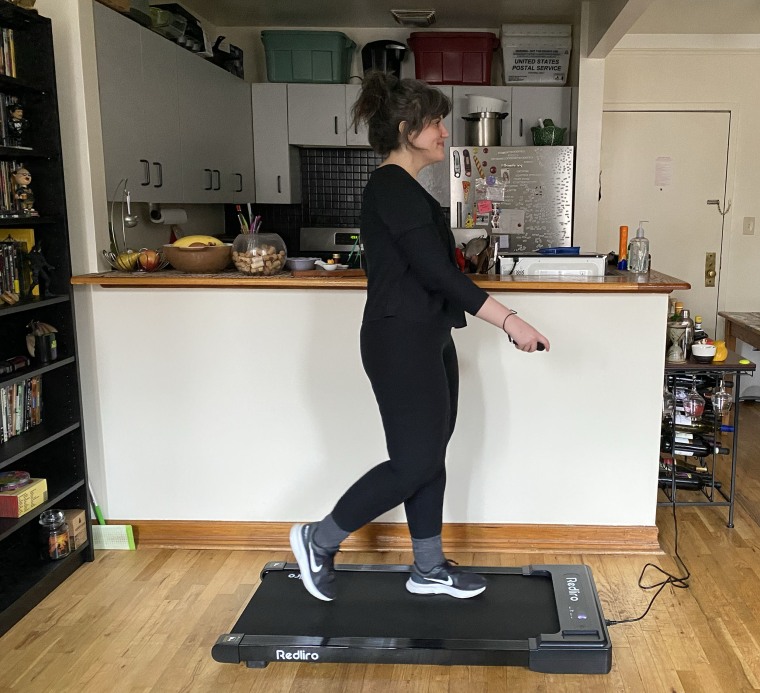
The compact design fits easily in small spaces like apartments. It offers a private and comfortable workout environment. This encourages regular activity and helps build healthy habits.
Potential Risks For Older Users
Walking pads offer a convenient way to stay active indoors. For seniors, safety is a top concern. Older adults face unique risks when using walking pads. Knowing these risks helps reduce accidents and health problems. Careful use and proper guidance are very important.
Falls And Injury Concerns
Balance often decreases with age. Walking pads have moving belts that can cause trips. A sudden slip may lead to serious falls. Injuries like bruises, sprains, or fractures are common. Using handrails and slow speeds can lower fall risks. Supervision during use adds extra safety.
Cardiovascular Strain
Older hearts may not handle sudden exercise well. Walking pads can raise heart rates quickly. This strain might cause chest pain or dizziness. Seniors with heart problems need medical advice first. Starting slow and monitoring heart rate helps prevent issues. Regular breaks keep the heart safe during workouts.
Overexertion Dangers
It is easy to push too hard on a walking pad. Overexertion causes fatigue and muscle pain. This can lead to poor balance and falls. Seniors should listen to their body’s signals. Short sessions and gentle pace reduce risks. Resting often keeps the body strong and healthy.
Choosing The Right Walking Pad
Choosing the right walking pad is important for seniors to stay safe and comfortable. The right features help prevent accidents and make walking easy. Safety, size, and speed control all matter. This guide explains key points to consider when picking a walking pad.
Speed And Control Features
Walking pads should have slow speed options. Seniors need to walk at a comfortable pace without rushing. Easy-to-use controls help adjust speed quickly. Some models offer remote control or simple buttons. These features let users stop or change speed safely.
Safety Sensors And Emergency Stops
Safety sensors detect if someone falls or steps off the pad. These sensors stop the machine fast to avoid injuries. Emergency stop buttons are also important. They allow users to stop the walking pad immediately in a crisis. These features add extra protection for seniors.
Size And Stability Considerations
The walking pad must be wide enough for steady steps. A stable base prevents wobbling or tipping over. Some walking pads have non-slip surfaces for better grip. Size matters too; it should fit the room without crowding. Stability gives seniors confidence while walking.
Safe Usage Tips For Seniors
Using a walking pad can be a great way for seniors to stay active safely. Following simple tips helps reduce risks and improve balance. These steps make exercising easier and more comfortable.
Safety is key. Careful use keeps seniors confident and steady on the walking pad.
Starting With Low Speeds
Begin at the slowest speed setting. It lets the body adjust to the movement. Slow speeds reduce chances of falling or losing balance. Increase speed only after feeling steady and secure.
Using Handrails And Support
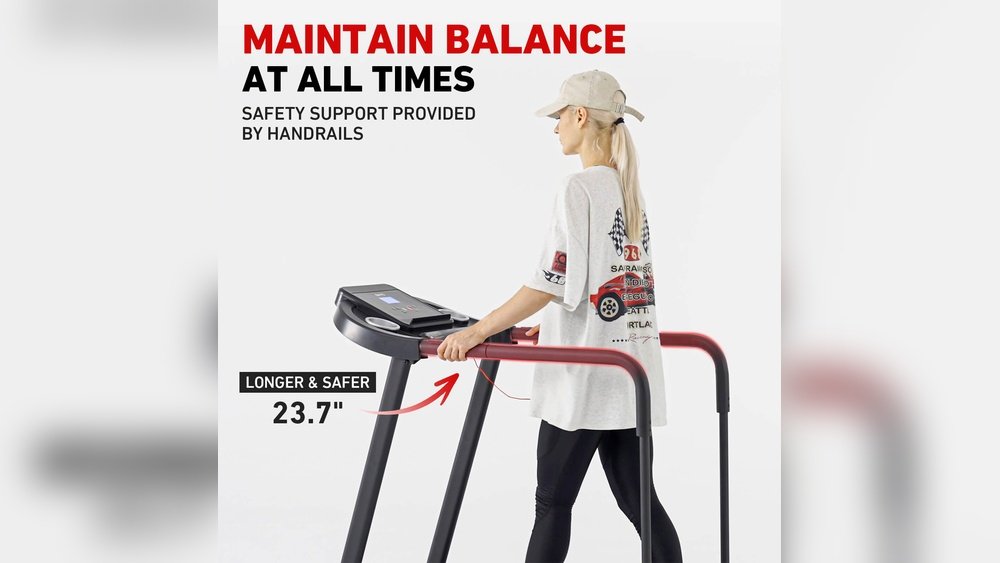
Hold onto handrails or nearby support. This helps keep balance during walking. Support reduces stress on joints and muscles. Always place hands lightly to avoid gripping too hard.
Wearing Proper Footwear
Wear comfortable shoes with good grip. Shoes should fit well without being tight. Avoid slippery soles to prevent slips and falls. Proper footwear improves stability and comfort during exercise.
Maintenance And Inspection
Maintaining and inspecting a walking pad is very important for seniors. Regular care helps keep the device safe and working well. A well-maintained walking pad reduces the chance of accidents and extends its life. Simple steps can make the walking pad reliable for daily use. Let’s explore key areas to focus on.
Regular Equipment Checks
Check the walking pad before each use. Look for loose parts or worn belts. Tighten screws and bolts to avoid shaking. Ensure the walking surface moves smoothly without jerks. Test the speed controls to confirm they respond well. Early detection of problems keeps users safe.
Surface Cleaning And Safety
Keep the walking pad clean to prevent slips. Wipe the surface after each use with a damp cloth. Avoid using harsh chemicals that can damage the material. Check for dirt or debris on the belt and rollers. A clean surface helps maintain good grip for feet. Clear surroundings prevent trips or falls near the device.
Battery And Power Safety
Inspect the power cord and plug for damage regularly. Avoid using the walking pad if cords are frayed or cracked. Charge the battery as per the manufacturer’s instructions. Do not overcharge to prevent overheating or battery damage. Keep the device away from water while charging. Safe power practices reduce fire and shock risks.
When To Consult A Doctor
Using a walking pad can be a safe way for seniors to stay active. Knowing when to talk to a doctor is very important. This helps avoid health problems and keeps exercise safe. Seniors should be aware of their bodies and health before starting any new activity.
Medical Conditions To Watch
Seniors with heart problems should get medical advice first. High blood pressure, diabetes, and joint issues also need a doctor’s review. These conditions can affect how safe walking on a pad is. A doctor can suggest the right level of exercise for each condition.
Signs To Stop Exercise
Stop using the walking pad if dizziness or chest pain occurs. Feeling very tired or short of breath is also a warning. Sudden pain in legs or joints means it’s time to rest. These signs show the body is under stress and needs a break.
Customized Exercise Plans
Doctors can help create exercise plans that fit each senior’s needs. Plans include how long and how fast to walk on the pad. They also suggest breaks and warm-up exercises. A good plan makes walking safe and helps improve health step by step.

Frequently Asked Questions
Are Walking Pads Safe For Elderly Users?
Yes, walking pads are generally safe for seniors when used correctly. They provide low-impact exercise, reducing joint strain and promoting mobility.
What Safety Features Do Walking Pads Offer Seniors?
Walking pads often include speed controls, emergency stop buttons, and non-slip surfaces, ensuring a secure exercise environment for elderly users.
Can Seniors With Balance Issues Use Walking Pads Safely?
Seniors with balance problems should consult a doctor before use. Some walking pads have handrails or supports to enhance stability.
How Can Seniors Prevent Injuries On Walking Pads?
To prevent injuries, seniors should start slow, wear proper footwear, and use handrails or supports if available during their walking sessions.
Conclusion
Walking pads can be safe for seniors with proper care. Choose a model with good balance and speed control. Always start slowly to avoid falls or injuries. Use handrails if available for extra support. Regular walking helps improve health and mood.
Check with a doctor before starting any new exercise. Keep the walking area clear and well-lit. Small steps make a big difference in safety. Staying active is key to a happy, healthy life.
