Are you ready to transform your workouts with a simple, powerful tool? Kettlebells can help you build strength, improve endurance, and burn fat—all in one move.
But if you’re not sure how to use them correctly, you might miss out on their full benefits or risk injury. This guide will show you exactly how to use kettlebells safely and effectively, so you can get stronger, fitter, and more confident with every swing.
Keep reading, and discover the secret to making your workouts smarter and more exciting.
Benefits Of Kettlebell Training
Kettlebell training offers many advantages for your body and fitness. This type of workout uses a unique weight that challenges your muscles in new ways.
It helps improve different areas of health and fitness, making it a great choice for many people. Here are some key benefits.
Full-body Workout
Kettlebell exercises work many muscles at once. You use your arms, legs, back, and core together. This helps save time and builds balanced strength.
Improves Strength And Endurance
Lift and swing movements increase muscle power. Your muscles grow stronger with regular practice. It also boosts stamina for longer workouts or daily tasks.
Enhances Flexibility And Balance
Kettlebell moves improve your joint motion and control. You learn to balance better while moving. This lowers the risk of injuries and helps with daily activities.
Boosts Cardiovascular Health
Fast kettlebell exercises raise your heart rate. This strengthens your heart and lungs. It improves blood flow and helps you stay fit longer.
Choosing The Right Kettlebell
Choosing the right kettlebell is key to a safe and effective workout. Picking the best kettlebell can make your exercises easier and more fun. The right kettlebell suits your strength, skill, and fitness goals. Let’s explore how to select the perfect kettlebell for your needs.
Selecting The Proper Weight
Start with a weight that feels comfortable but challenging. Beginners often choose lighter kettlebells to learn the moves safely. Women usually start with 8 to 12 kg, while men might pick 12 to 16 kg. As your strength grows, increase the weight gradually. Avoid weights that are too heavy, which can cause injury or poor form. The right weight lets you complete sets with good technique and control.
Material And Design Options
Kettlebells come in different materials like cast iron and steel. Cast iron kettlebells are common and affordable. Steel kettlebells often have smoother handles for better grip. Some kettlebells have a powder coating to prevent slipping from sweat. Look for a comfortable handle size that fits your hand well. A good design helps you hold and swing the kettlebell safely during workouts.
Adjustable Vs Fixed Kettlebells
Fixed kettlebells have one set weight. They are durable and easy to use. Adjustable kettlebells let you change the weight. They save space and money by replacing several fixed weights. Adjustable types need time to switch weights during workouts. Fixed kettlebells offer quicker transitions. Choose based on your workout style and space available.
Essential Kettlebell Exercises
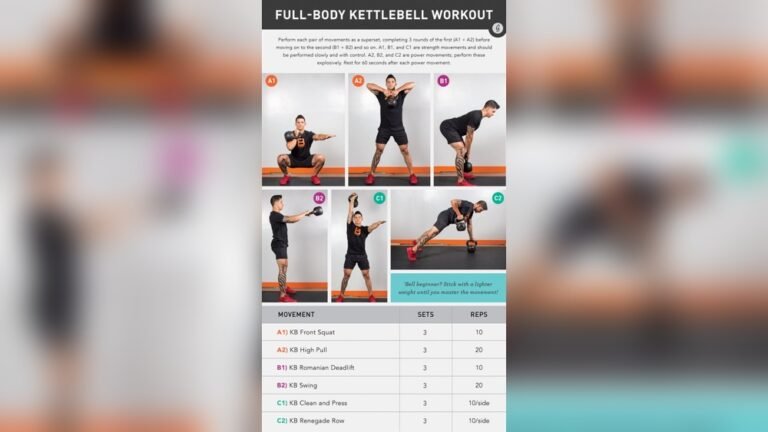
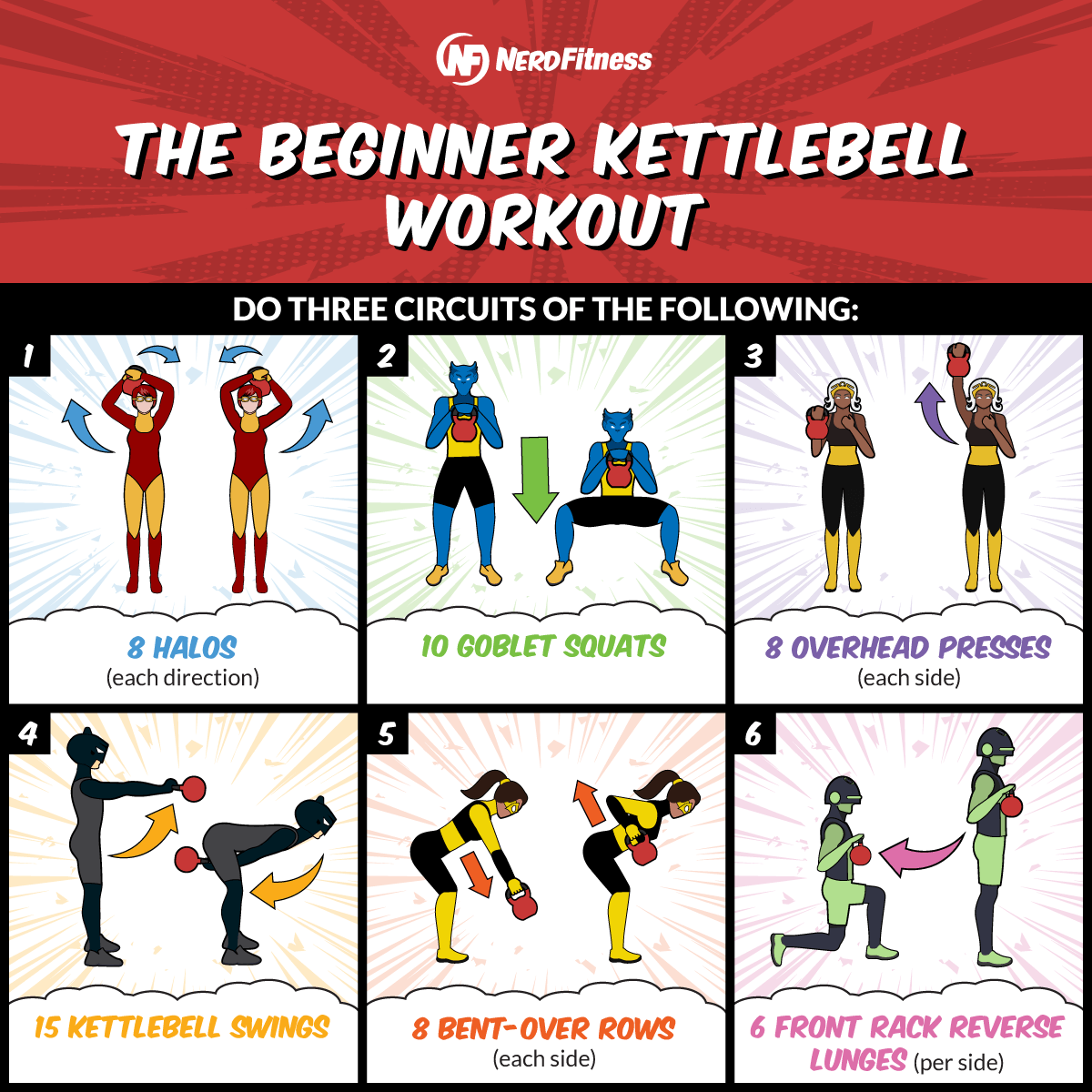
Kettlebells offer many ways to build strength and improve fitness. Some exercises target multiple muscles at once. These moves help burn fat and increase endurance. Here are the essential kettlebell exercises to try.
Kettlebell Swing
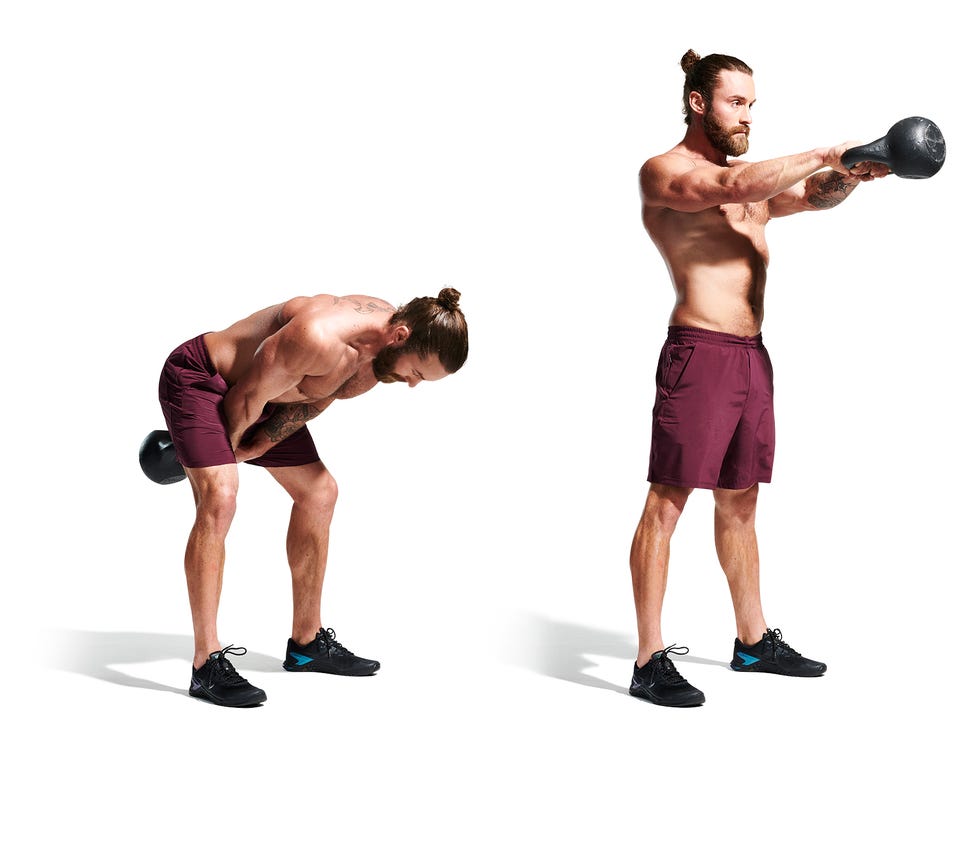
The kettlebell swing works your hips, glutes, and core. Start with feet shoulder-width apart. Swing the kettlebell between your legs. Then thrust your hips forward to swing it up to chest height. Keep your back straight and core tight.
Goblet Squat
Hold the kettlebell close to your chest. Stand with feet wider than shoulder-width. Squat down by bending your knees and pushing hips back. Keep your chest up and back flat. This move strengthens legs and core muscles.
Turkish Get-up
This full-body exercise improves stability and strength. Lie on your back holding a kettlebell above you. Slowly stand up while keeping the kettlebell overhead. Then lower yourself back down carefully. Move slowly and keep control.
Kettlebell Clean And Press
Lift the kettlebell from the ground to your shoulder. This is the clean. Then press it overhead. This exercise builds upper body and core strength. Use a smooth motion and steady pace.
Kettlebell Snatch
The snatch is a powerful, fast move. Swing the kettlebell between your legs. Pull it up quickly and catch it overhead. This move works arms, back, and legs. Keep your core tight and use your hips.
Proper Form And Technique
Proper form and technique are key to safe and effective kettlebell workouts. Using the right posture and movements lowers injury risk. It also helps you get stronger and fitter faster. Focus on how you hold the kettlebell, your body position, and breathing. These basics build a solid foundation for all exercises.
Grip And Stance
Hold the kettlebell handle firmly but not too tight. Your grip should feel secure and relaxed. Stand with feet about shoulder-width apart. Keep toes slightly pointed out. This stance gives balance and power for swings and lifts. Avoid stiff or narrow stances that limit movement.
Maintaining A Neutral Spine
Keep your back straight and natural. Avoid rounding or arching your lower back. Engage your core muscles to support your spine. A neutral spine protects your back during lifts. It also helps transfer power from legs to kettlebell smoothly.
Breathing Patterns
Breathe deeply and steadily throughout the exercise. Inhale before you start a movement. Exhale during the effort phase, like when lifting or swinging. Proper breathing increases stability and energy. It prevents holding your breath, which can cause dizziness.
Common Mistakes To Avoid
Do not round your back or lean too far forward. Avoid gripping the kettlebell too tight. Don’t let your knees collapse inward. Keep movements controlled and avoid jerking the kettlebell. Skipping proper breathing reduces performance and safety. Watch your form in a mirror or record yourself for feedback.
Creating A Kettlebell Workout Plan
Creating a kettlebell workout plan helps you use this tool effectively. It guides your exercises and keeps you motivated. A clear plan builds strength and improves fitness steadily.
Start with simple steps. Adjust as you learn what works best for your body. Balance is key. Focus on different muscle groups and types of exercise.
Setting Goals
Decide what you want to achieve with kettlebells. Build muscle, lose weight, or boost endurance? Clear goals shape your workout choices. Write them down to stay focused and track progress.
Workout Frequency And Duration
Plan how often you train each week. Beginners should start with two to three sessions. Keep workouts short, about 20 to 30 minutes. Consistency is better than long, infrequent sessions.
Combining Strength And Cardio
Mix strength moves like swings and presses with cardio exercises. This blend improves heart health and muscle tone. Alternate between fast and slow exercises to keep energy high.
Progression And Variation
Increase kettlebell weight or reps as you get stronger. Change exercises to avoid boredom and plateaus. Try different grips, speeds, and angles. This keeps your muscles challenged and growing.
Safety Tips And Injury Prevention
Using kettlebells can improve strength and fitness fast. Safety is very important to avoid injury. Following safety tips helps keep your workouts effective and pain-free. Injury prevention means staying aware of your body and using the right techniques.
Warm-up And Cool-down
Start each session with a warm-up. Simple movements like arm circles and light jogging prepare your muscles. Warming up raises your heart rate and increases blood flow. After training, cool down with stretching to relax muscles. This reduces soreness and helps recovery.
Listening To Your Body
Pay attention to how your body feels during workouts. Stop immediately if you feel sharp pain or discomfort. Mild muscle fatigue is normal, but pain is a warning. Rest and adjust your routine if needed. Pushing through pain can cause serious injury.
Using Proper Equipment
Choose the right kettlebell weight for your fitness level. Start light and increase weight gradually. Use kettlebells with smooth handles to avoid blisters. Wear proper shoes with good grip for stability. Clear your workout area to prevent accidents.
When To Seek Professional Guidance
New to kettlebells? Consider hiring a trainer for guidance. A professional shows correct form and technique. This lowers injury risk and improves results. Seek help if you have existing health issues or injuries. Experts can tailor workouts to your needs.
Advanced Kettlebell Techniques
Advanced kettlebell techniques build strength and improve coordination. They challenge your muscles in new ways. These exercises increase endurance and enhance balance. Start slow and focus on form. Progress carefully to avoid injury.
Double Kettlebell Training
Double kettlebell training uses two kettlebells at once. This method doubles the weight and intensity. It improves muscle symmetry and grip strength. Exercises include double swings, cleans, and presses. Keep your core tight and back straight. Control both kettlebells evenly throughout the movements.
Pistol Squats With Kettlebells
Pistol squats target leg strength and balance. Holding a kettlebell helps with stability. Extend one leg forward and squat on the other. Keep your chest up and knee aligned. Use the kettlebell for counterbalance and added resistance. Practice slowly to build confidence and control.
Kettlebell Complexes
Kettlebell complexes combine multiple moves in one set. Perform exercises without resting between them. A typical complex might include swings, cleans, presses, and squats. This trains strength, endurance, and coordination together. Use light to moderate weights at first. Focus on smooth transitions between exercises.
Incorporating Kettlebells Into Hiit
Adding kettlebells to HIIT boosts calorie burn. Use short, intense bursts of kettlebell exercises. Combine swings, snatches, and goblet squats for variety. Rest briefly between intervals to recover. This method improves cardiovascular fitness and muscle tone. Keep your movements fast and controlled.
Tracking Progress And Staying Motivated
Tracking progress and staying motivated are key to kettlebell success. They help keep focus and show how far you’ve come. Small wins build confidence and push you to keep going. Consistent tracking makes workouts more rewarding and less like a chore.
Recording Workouts
Write down each kettlebell session. Note the exercises, weights, and reps. This record shows improvement over time. Use a notebook or an app. Seeing progress boosts motivation and helps adjust your plan.
Setting Milestones
Create clear, simple goals. For example, lift a heavier kettlebell or do more reps. Celebrate reaching each milestone. These small targets make the journey feel achievable. They keep your energy high and your mind focused.
Finding Community Support
Join kettlebell groups or forums. Share your progress and challenges. Encouragement from others fuels motivation. Learning from peers adds new ideas and tips. Being part of a group reduces feelings of isolation.
Mixing Up Your Routine
Change exercises and weights regularly. Try new moves to avoid boredom. Variety challenges your body and mind. It prevents plateaus and keeps workouts fresh. A mixed routine maintains excitement and steady progress.

Frequently Asked Questions
What Are The Benefits Of Using Kettlebells?
Kettlebells improve strength, endurance, and flexibility. They boost cardiovascular fitness and enhance core stability. Using kettlebells also helps with fat burning and functional movement, making workouts efficient and effective for all fitness levels.
How Do I Start Using Kettlebells Safely?
Begin with a light kettlebell to learn proper form. Focus on mastering basic moves like swings and squats. Warm up before exercises and avoid sudden, jerky motions to prevent injuries. Gradually increase weight as strength improves.
Which Kettlebell Exercises Are Best For Beginners?
Start with kettlebell swings, goblet squats, and deadlifts. These exercises build foundational strength and improve technique. They target multiple muscle groups while enhancing balance and coordination. Consistency is key to progressing safely.
How Often Should I Train With Kettlebells?
Train two to three times per week for best results. Allow rest days between sessions to aid muscle recovery. Consistent workouts help build strength and endurance without risking overtraining or injury.
Conclusion
Kettlebells bring strength and balance to your workouts. Start slow and focus on good form. Practice regularly to build muscle and improve stamina. Use different moves to keep your routine fresh. Stay safe by warming up and listening to your body.
Enjoy the process and celebrate small gains. Kettlebell training fits many fitness levels and goals. Keep going, and you will see progress soon. Simple tools, effective results.
