
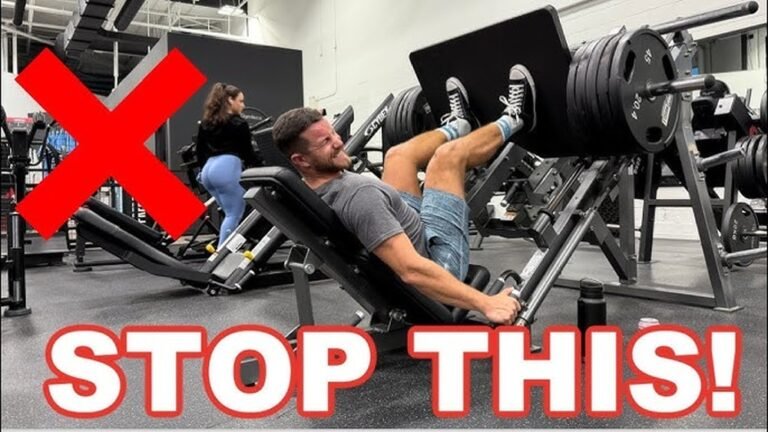
Is your leg press machine acting up and slowing down your workouts? You’re not alone.
When this key piece of gym equipment breaks or feels off, it can be frustrating and even stop you from reaching your fitness goals. But don’t worry—you don’t have to be a mechanic to fix it. You’ll discover simple, step-by-step solutions to get your leg press machine working smoothly again.
By the end, you’ll feel confident handling common problems and ready to crush your next leg day without a hitch. Keep reading—your strong, steady workouts depend on it.

Common Leg Press Issues
Leg press machines can face common problems that stop workouts. Knowing these issues helps keep your machine working well. Regular checks catch problems early and save repair costs.
Stuck Or Jammed Movement
Stuck movement happens when parts get dirty or worn out. Dust and sweat cause buildup on rails or rollers. Tight bolts or bent components also block smooth motion. Clean moving parts and tighten bolts to fix this. Replace damaged pieces if needed.
Noisy Operation
Squeaks and rattles often mean parts lack lubrication. Dry joints or rust cause noise during use. Loose screws or worn bearings add to the problem. Apply grease to moving parts for quiet operation. Check and tighten all fasteners regularly.
Loose Or Worn Parts
Loose bolts and screws make the machine unstable. Over time, parts wear down from heavy use. Worn cushions or handles reduce comfort and safety. Inspect bolts and nuts and tighten them firmly. Replace worn parts to keep the machine safe.
Hydraulic Or Cable Problems
Hydraulic leaks cause weak resistance and poor performance. Cables may fray or snap, stopping the machine. Check for fluid leaks and top up hydraulic oil. Replace damaged cables immediately to avoid accidents. Regularly inspect these parts for signs of trouble.
Basic Tools Needed
Fixing a leg press machine requires some basic tools. These tools help you tighten, clean, and replace parts easily. Having the right tools makes the job faster and safer. You do not need many tools, just a few key ones.
Wrenches And Screwdrivers
Wrenches help to tighten or loosen bolts and nuts. Different sizes of wrenches may be needed for various bolts. Screwdrivers are necessary to remove or tighten screws. Flathead and Phillips screwdrivers cover most screw types.
Lubricants And Cleaning Supplies
Lubricants keep moving parts smooth and reduce noise. Use machine oil or spray lubricants for best results. Cleaning supplies remove dust, dirt, and grime from the machine. A clean machine works better and lasts longer.
Replacement Parts
Sometimes parts wear out and need replacement. Common parts include cables, bolts, and pads. Keep spare parts handy to fix issues quickly. Always choose parts that fit your leg press model.
Step-by-step Repair Guide
Fixing a leg press machine can seem hard at first. This step-by-step repair guide breaks down the process. Follow each step carefully to make the machine work well again. Safety is key, so take your time.
Inspecting The Machine
Start by checking the entire leg press machine. Look for any visible damage or worn parts. Check the frame, seat, footplate, and cables. Notice any cracks, rust, or broken pieces. This helps find problems early before they get worse.
Tightening Loose Bolts
Loose bolts cause instability and noise during workouts. Use a wrench to tighten all bolts on the machine. Focus on joints where parts connect. Do not overtighten to avoid stripping bolts. Regular tightening keeps the machine safe and steady.
Cleaning And Lubricating Moving Parts
Dirt and dust slow down moving parts. Wipe all moving parts with a clean cloth. Use a mild cleaner if needed. After cleaning, apply lubricant to joints and sliders. This reduces friction and noise. Smooth movement improves your workout experience.
Replacing Worn Components
Some parts wear out over time and need replacement. Check cables, pulleys, and pads for wear. Replace any frayed cables or cracked pads. Use parts made for your specific machine model. New components restore function and safety quickly.

Preventive Maintenance Tips
Keeping a leg press machine in good shape saves time and money. Regular care helps avoid breakdowns and keeps workouts safe. Simple steps can extend the machine’s life and improve performance.
Regular Cleaning Routine
Dust and sweat build up can damage parts. Wipe down all surfaces after each use. Use a soft cloth and mild cleaner. Clean moving parts to prevent rust and dirt. Keep the machine dry to avoid corrosion.
Scheduled Inspections
Check bolts and screws weekly. Tighten any loose parts immediately. Look for worn cables or belts. Replace damaged parts to prevent accidents. Inspect the seat and backrest for stability.
Proper Usage Practices
Follow the machine’s weight limits. Avoid sudden or jerky movements. Use smooth and controlled motions. Make sure the machine is set up correctly. Teach users the right technique for safety.
When To Call A Professional
Knowing when to call a professional can save time and prevent damage. Some problems with your leg press machine need expert skills. Trying to fix these issues alone can be risky and costly. Recognizing these signs helps keep you safe and your equipment working well.
Complex Hydraulic Issues
Hydraulic problems can be hard to diagnose. Leaks, low pressure, or strange noises may point to serious faults. Fixing these needs special tools and knowledge. A professional can safely handle hydraulic repairs without causing more damage.
Electrical Component Failures
Electrical parts control many machine functions. Faulty wiring, blown fuses, or dead motors require expert care. These repairs involve risk of shock or fire. Skilled technicians follow strict safety rules to fix electrical failures properly.
Safety Concerns
Any sign of broken frames, loose bolts, or worn cables demands immediate professional help. Faulty machines can cause injury during use. Experts ensure repairs meet safety standards. Your safety should never be compromised by DIY fixes.
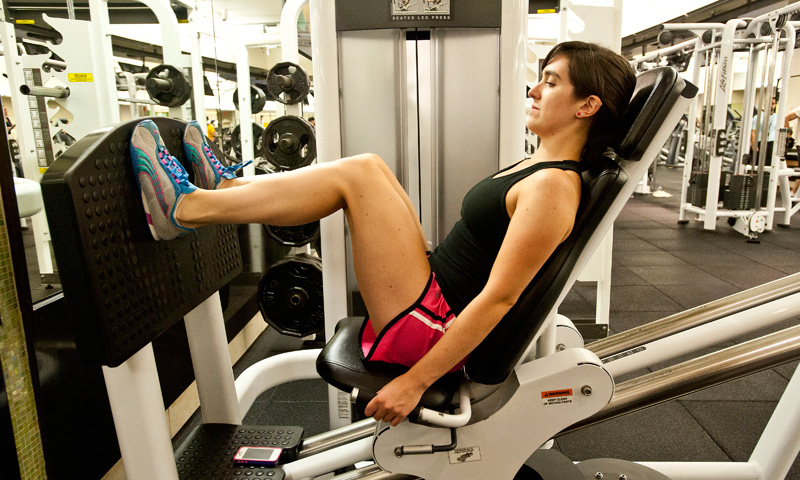
Frequently Asked Questions
How Do I Troubleshoot A Leg Press Machine?
Check for loose bolts, worn cables, or misaligned parts. Tighten bolts and lubricate moving components. Replace damaged cables or worn-out parts for smooth operation.
What Causes A Leg Press Machine To Jam?
Jamming often results from debris, rust, or misaligned weight stacks. Clean the machine regularly and inspect for rust. Realign weight plates to prevent jamming and ensure smooth movement.
How Can I Fix A Noisy Leg Press Machine?
Noises usually come from lack of lubrication or loose parts. Apply grease to joints and pivot points. Tighten any loose screws, nuts, or bolts to eliminate noise.
When Should I Replace Leg Press Machine Cables?
Replace cables if they show fraying, corrosion, or stiffness. Worn cables can break and cause injury. Inspect cables monthly for safety and performance.
Conclusion
Fixing a leg press machine takes patience and simple steps. Start by checking all parts for damage or looseness. Tighten bolts and replace worn pieces as needed. Keep the machine clean to avoid future problems. Regular care helps the machine last longer.
This way, you can enjoy safe and effective workouts. Remember, small fixes prevent big issues later. Stay consistent with maintenance to keep your leg press working well.
