
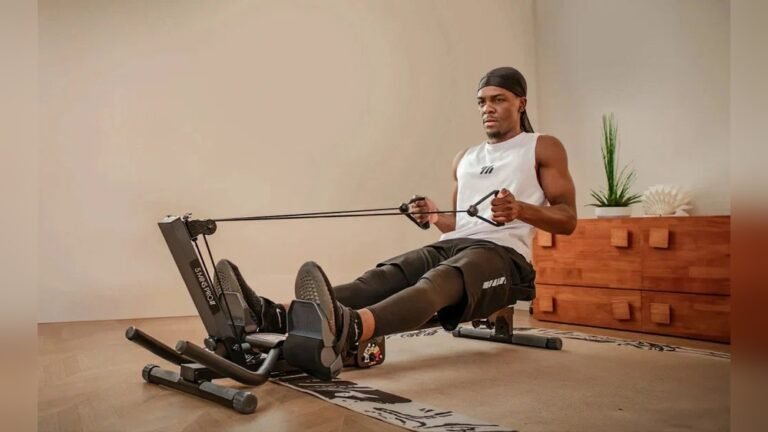
If you’ve started using a rowing machine, you’re probably wondering how often you can hop on without overdoing it. You want to get the best results, stay healthy, and avoid injury—but how do you find the right balance?
Knowing the ideal frequency can help you boost your fitness, burn calories, and build strength effectively. Keep reading to discover how often you should use your rowing machine to reach your goals safely and efficiently.

Benefits Of Rowing Machines
Rowing machines offer many health benefits that help your body and mind. They provide a great way to exercise without needing much space or special skills. Many people use rowing machines to stay fit, lose weight, and improve their heart health. The benefits extend beyond just burning calories. They help build strength, improve stamina, and protect joints.
Using a rowing machine regularly can boost your overall fitness. It works on different parts of your body all at once. This makes it a smart choice for a quick, effective workout. Below are some key benefits of rowing machines.
Full-body Workout
Rowing machines engage your legs, arms, back, and core muscles. Every stroke works multiple muscle groups together. This helps build strength and tone your body evenly. It also improves your posture and balance. You get strong muscles without heavy lifting or complicated moves.
Cardiovascular Health
Rowing raises your heart rate and improves blood flow. This strengthens your heart and lungs. Regular sessions can lower blood pressure and reduce heart disease risk. It also boosts your endurance, making daily activities easier. Your body becomes more efficient at using oxygen.
Low-impact Exercise
Rowing is gentle on your joints and bones. It reduces the risk of injury compared to running or jumping. This makes it ideal for people of all ages and fitness levels. You can exercise longer without pain or strain. It supports recovery and helps maintain mobility.

Factors Affecting Usage Frequency
How often you use a rowing machine depends on several key factors. These factors affect how your body responds and recovers. Understanding them helps you set a safe and effective workout schedule.
Fitness Level
Your current fitness level guides your rowing frequency. Beginners should start with fewer sessions each week. This helps avoid injury and builds endurance gradually. Experienced users can row more often for better results.
Workout Goals
Your goals influence how often you row. For weight loss, more frequent sessions may be needed. For general fitness, fewer sessions might work well. Athletes training for events may row daily or twice a day.
Recovery Time
Recovery is crucial for safe rowing. Your muscles need time to heal after workouts. Rest days prevent overuse injuries and fatigue. Listen to your body and allow enough recovery between sessions.
Recommended Rowing Machine Frequency
Using a rowing machine regularly helps build strength and improve fitness. The right frequency depends on your experience level. Knowing how often to row supports steady progress and avoids injury. This guide breaks down the recommended rowing machine frequency for different users.
Beginners
Start with two to three sessions per week. Each session can last 15 to 20 minutes. Focus on learning proper form and pacing. Rest days help your muscles recover and grow stronger. Avoid pushing too hard early on to prevent soreness and injury.
Intermediate Users
Rowing four to five times weekly suits many intermediate users. Sessions can extend to 30 or 40 minutes. Add variety by changing speed and resistance. This frequency boosts endurance and builds muscle. Take one or two rest days for recovery and performance.
Advanced Athletes
Advanced athletes may row six days a week or more. Workouts can last 45 minutes to an hour. Include high-intensity intervals and longer steady rows. Proper warm-up and cool-down routines are essential. Listen to your body and allow rest if feeling tired or sore.
Signs Of Overuse And Fatigue
Using a rowing machine regularly is great for fitness. Still, too much rowing can lead to overuse and fatigue. These signs show your body needs rest. Ignoring them can cause injury or burnout. Recognizing these signs helps keep workouts safe and effective.
Physical Symptoms
Muscle soreness that lasts more than a few days is a red flag. Joint pain, especially in knees or wrists, signals stress. Swelling or stiffness can mean overuse. Watch for unusual aches or sharp pains during rowing. These symptoms suggest your body needs a break.
Performance Decline
Rowing times get slower without reason. You feel weaker or less steady on the machine. Your endurance drops even after rest. Poor form appears, causing strain on your body. These signs show your muscles are tired and need recovery.
Mental Fatigue
Motivation to row decreases suddenly. You feel bored or frustrated during workouts. Concentration drops, making it hard to keep pace. Mental tiredness can affect your body’s ability to perform. Taking rest days helps your mind and muscles recover.
Incorporating Rest And Recovery
Incorporating rest and recovery is key to getting the best from your rowing machine workouts. Your muscles need time to heal and grow stronger after exercise. Without rest, you risk injury and burnout. Taking breaks helps keep your energy up and your progress steady.
Rest Days
Rest days mean no rowing or intense activity. These days allow your muscles to repair. Plan at least one or two rest days each week. You feel less tired and avoid overuse injuries. Rest days improve your overall performance over time.
Active Recovery Techniques
Active recovery means light exercise on rest days. Try walking, stretching, or gentle yoga. These activities help blood flow and reduce muscle soreness. Active recovery keeps your body moving without strain. It speeds up healing and keeps your routine balanced.
Sleep Importance
Sleep is a powerful tool for recovery. Your body works hard to repair muscles while you sleep. Aim for 7 to 9 hours every night. Good sleep improves energy, focus, and strength. Without enough rest, your workouts feel harder, and progress slows.
Combining Rowing With Other Exercises
Combining rowing with other exercises helps balance your fitness routine. Rowing builds endurance and works many muscles. Mixing it with different workouts prevents boredom and boosts results. It also helps avoid overuse injuries by varying the movements.
Strength Training
Strength training complements rowing by building muscle power. Rowing mainly targets legs, back, and arms. Weightlifting or bodyweight exercises improve muscles rowing does not use much. This combination helps increase overall strength and performance. It also supports better posture and reduces injury risk.
Flexibility Workouts
Flexibility workouts improve your range of motion and recovery. Stretching or yoga relaxes tight muscles after rowing sessions. Flexible muscles move more freely and reduce stiffness. Adding flexibility exercises keeps your body balanced and healthy. It also helps maintain good form during rowing.
Cross-training Benefits
Cross-training mixes different types of exercise for full-body fitness. Swimming, cycling, or running offer variety and new challenges. These activities work muscles rowing does not fully engage. Cross-training improves cardiovascular health and overall endurance. It also makes training more fun and less repetitive.
Tips To Maximize Rowing Sessions
Maximizing your rowing sessions helps improve fitness and avoid injury. Small changes make a big difference. Focus on form, prepare your body, and keep track of your efforts.
Proper Form
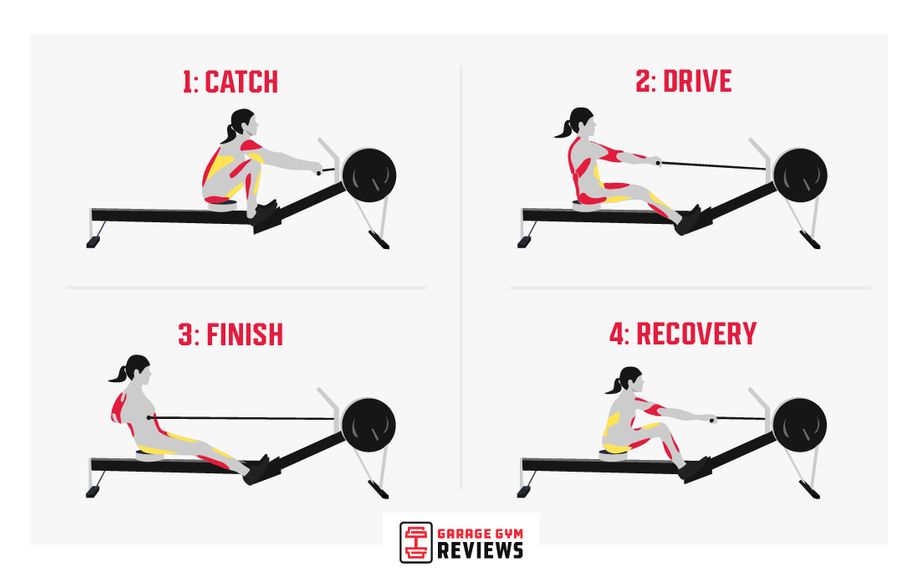
Good form protects your body. Sit tall with a straight back. Push with your legs first, then pull with your arms. Avoid leaning too far back. Smooth, steady strokes work best. Proper form uses muscles evenly and stops pain.
Warm-up And Cool-down
Start with a warm-up to get muscles ready. Row slowly for five minutes. Stretch your legs, arms, and back before and after rowing. Cooling down helps your body relax. It lowers muscle soreness and speeds recovery.
Tracking Progress
Keep track of time, distance, and strokes. Write down your results after each session. Watch your improvements over days and weeks. Tracking helps set goals and stay motivated. Small progress adds up fast.
Frequently Asked Questions
How Often Should Beginners Use A Rowing Machine?
Beginners should start rowing 3 times a week to build endurance. This frequency helps muscles adapt and reduces injury risk. Gradually, they can increase sessions as fitness improves.
Can Daily Rowing Harm Your Body?
Daily rowing is safe if intensity and duration are moderate. Overdoing can cause joint strain and fatigue. Listen to your body and include rest days for recovery.
What Is The Ideal Rowing Duration Per Session?
Ideal rowing sessions last between 20 to 30 minutes. This duration balances effective cardio and muscle workout without overexertion. Adjust based on your fitness level.
How Does Rowing Frequency Affect Muscle Recovery?
Rowing too often can hinder muscle recovery and growth. Muscles need 24-48 hours to repair after intense sessions. Incorporate rest days to maximize performance gains.
Conclusion
Using a rowing machine regularly helps improve fitness and strength. Aim to row three to five times each week. Rest days give your muscles time to recover and grow. Pay attention to how your body feels during workouts. Avoid pushing too hard to prevent injury or fatigue.
Consistency matters more than intensity for long-term results. Keep your sessions balanced with warm-ups and cool-downs. This approach makes rowing safe and effective for most people. Stay patient and enjoy the steady progress you achieve.
