
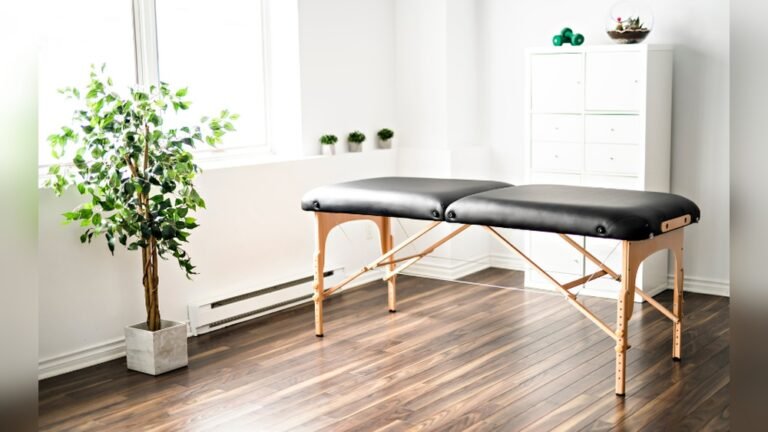
If you’re thinking about buying a massage table or already own one, you probably wonder: how much weight can it hold? Knowing the answer is more important than you might think.
It affects your safety, comfort, and the table’s durability. Imagine lying down and worrying if the table will support you fully. That distraction can ruin your relaxation or a client’s experience. You’ll discover the real weight limits of massage tables, what factors influence them, and how to choose one that fits your needs perfectly.
Keep reading to make sure your massage sessions are always safe and comfortable.

Weight Capacity Basics
Understanding the weight capacity of a massage table is important for safety and comfort. Weight capacity means the maximum weight the table can hold without breaking or getting damaged. This includes the weight of the person lying on it and any additional pressure during massage. Knowing these basics helps choose the right table for different needs.
Standard Weight Limits
Most massage tables support between 450 and 600 pounds. This range covers many users safely. Lightweight tables may hold less, around 300 pounds. Heavy-duty tables can hold over 800 pounds. Manufacturers usually list weight limits clearly. It is important to check these numbers before buying.
Factors Affecting Capacity
The materials used in the table affect how much weight it holds. Tables with solid wood or metal frames tend to hold more weight. The design and construction also matter. Wider legs and thicker padding add strength. The type of joints and fasteners impact durability. Weight capacity can decrease if the table is old or damaged. Always inspect the table before use.
Materials And Frame Strength
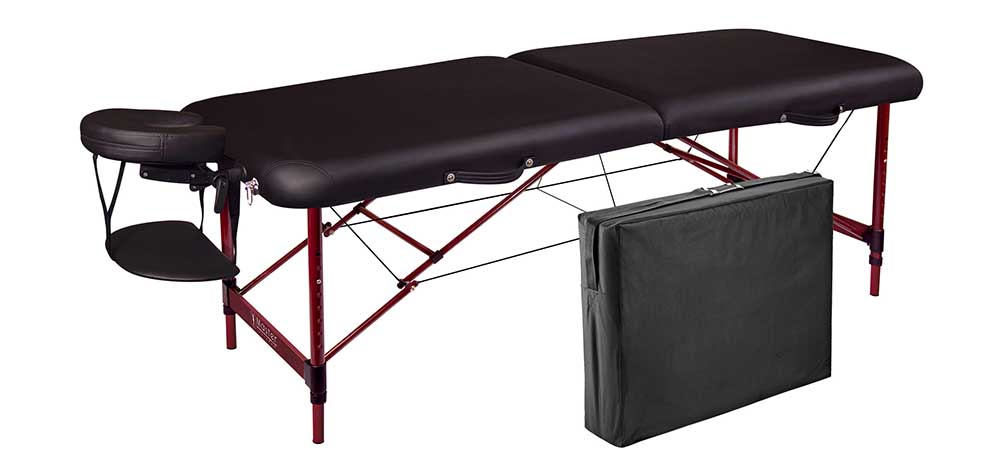
Materials and frame strength play a big role in how much weight a massage table can hold. The frame must support the person’s weight safely. Strong materials and smart designs make tables more durable. This section explains how different materials and frame designs affect weight capacity.
Wood Vs Metal Frames
Wood frames are common in many massage tables. They look nice and feel warm. Good quality wood can support a lot of weight. But cheaper wood may break or bend easily. Metal frames often hold more weight. Steel and aluminum are popular metals used. Steel is very strong and heavy. Aluminum is lighter but still strong. Metal frames resist damage better than wood. They last longer and handle more pressure.
Impact Of Frame Design
The shape and structure of the frame matter a lot. Frames with extra braces or crossbars hold more weight. Triangular or X-shaped supports add strength. Thick legs and wide bases improve stability. Some designs focus on balance to avoid tipping. Adjustable frames must be well-built to stay strong. Poor design can weaken any material. Good design spreads weight evenly to prevent stress points.
Types Of Massage Tables
Massage tables come in different types. Each type has a unique design and weight capacity. Choosing the right table depends on how you plan to use it. Understanding these types helps you pick a table that lasts and supports well.
Portable Tables
Portable massage tables are light and easy to carry. They fold up for simple transport and storage. These tables usually hold between 450 to 600 pounds. They are great for therapists who visit clients at home.
Stationary Tables
Stationary tables are heavier and do not move often. They offer more stability and higher weight limits. These tables can support up to 800 pounds or more. They work well in clinics or spas with fixed setups.
Hydraulic And Electric Models
Hydraulic and electric massage tables adjust height with ease. They provide strong support and smooth movements. These models often hold 700 to 1,000 pounds. They suit professional settings needing frequent height changes.
Weight Capacity Testing Methods
Weight capacity testing methods show how strong a massage table is. These tests check if the table can hold the weight it claims. They help buyers trust the product’s safety and quality. Testing involves set rules and clear steps. This section explains common methods used in the industry.
Industry Standards
Industry standards set the rules for weight capacity tests. They create a common way to measure strength. These standards help manufacturers design safe tables. They also allow customers to compare products easily. The most used standards come from safety groups and trade organizations. These groups test tables to ensure they meet minimum weight limits.
Load Testing Procedures
Load testing involves placing weight on the table in steps. The table must hold the weight without bending or breaking. Some tests use static weight, which stays in one place. Others use dynamic weight, which moves or shifts. Testers watch for cracks, damage, or instability. Passing these tests means the table is safe to use.
Maximizing Table Strength
Maximizing the strength of your massage table helps keep it safe and reliable. A strong table supports more weight and lasts longer. It also provides better comfort for clients during sessions. Simple steps can improve the table’s stability and durability. These steps help avoid damage and costly repairs.
Proper Assembly Tips
Start by carefully following the assembly instructions. Tighten all screws and bolts firmly without over-tightening. Check that all parts fit well and move smoothly. Use tools that fit perfectly to avoid slipping. Place the table on a flat, even surface for balance. Test the table gently before use to ensure stability.
Maintenance For Durability
Clean the table regularly to prevent dirt buildup. Use mild soap and a soft cloth for cleaning. Avoid harsh chemicals that can weaken the materials. Check the legs and joints for signs of wear or looseness. Tighten any loose parts to keep the table stable. Store the table in a dry place to prevent rust or damage. Regular care extends the table’s life and strength.

Choosing The Right Table For Heavy Clients
Choosing the right massage table for heavy clients is important for safety and comfort. Tables must support more weight without bending or breaking. This helps therapists work confidently and clients relax fully. Not all tables hold the same weight. Some are built strong to handle heavy bodies with ease.
High-capacity Models
High-capacity massage tables are designed to hold extra weight. They often support over 600 pounds. These tables use stronger frames, such as steel or reinforced aluminum. The padding and surface materials are thicker and more durable. High-capacity models provide stability during sessions. They reduce the risk of damage or injury. Choosing one protects both client and therapist.
Additional Support Accessories
Extra support accessories increase table strength and comfort. Leg braces and extra-wide legs help keep balance. Support straps add stability during use. Some tables include thicker cushions or adjustable height to fit client needs. These accessories improve safety for heavy clients. They also extend the table’s lifespan. Use them to enhance any massage setup.
Safety Considerations
Safety is the top priority for anyone using a massage table. Knowing how much weight the table can hold helps prevent accidents. It also keeps the table in good condition for a long time. Understanding safety tips protects both the user and the client during sessions.
Avoiding Overloading
Every massage table has a weight limit. This limit includes the person’s body and any additional pressure during massage. Avoid placing more weight than the table can handle. Overloading can cause the table to break or collapse. Always check the manufacturer’s weight guidelines before use.
Use the table as intended. Do not jump or stand on it. Heavy equipment or extra tools should be placed carefully. Overloading damages the frame and weakens the support system. A strong table supports safety and comfort.
Signs Of Structural Wear
Look for cracks, loose screws, or bent parts on the table. These signs show that the table may be unsafe. Check the legs and joints regularly. Loose parts reduce the table’s strength and stability.
Worn padding or torn covers also matter. They do not affect weight capacity but impact comfort and hygiene. Repair or replace damaged parts quickly. A well-maintained table ensures safety and trust.
Frequently Asked Questions
What Is The Average Weight Capacity Of A Massage Table?
Most massage tables support between 450 to 600 pounds. This includes the client’s weight plus any additional pressure during massage. Always check the manufacturer’s specifications for exact limits to ensure safety and durability.
Can Massage Tables Hold Overweight Clients Safely?
Yes, many massage tables are designed to support heavier weights. Heavy-duty models can hold up to 1,000 pounds or more. Choose a sturdy table with reinforced frames for overweight client safety.
Does The Table Material Affect Its Weight Capacity?
Absolutely. Tables made with aluminum or steel frames generally hold more weight. Wooden frames may have lower capacity but offer stability. The quality of materials directly impacts the table’s strength and durability.
How To Verify A Massage Table’s Weight Limit Before Buying?
Check the product details on the manufacturer’s website or packaging. Look for maximum weight capacity and construction material info. Reading customer reviews can also provide insight into real-world performance and reliability.
Conclusion
Choosing the right massage table depends on its weight capacity. Tables vary, usually holding between 400 to 1,000 pounds. Always check the product details before buying. Safety matters for both clients and therapists. Strong frames and quality materials help support more weight.
Remember, a sturdy table lasts longer and works better. Think about your needs and budget carefully. This way, you get a safe, reliable massage experience every time.
