

Thinking about setting up a home gym? You’re not alone.
But before you dive in, one big question probably crosses your mind: how much will it actually cost to maintain it? Keeping your workout space in top shape doesn’t just mean a one-time expense. From equipment upkeep to replacing worn-out parts, your wallet will feel the impact over time.
You’ll discover the real costs behind maintaining a home gym and learn smart tips to save money without sacrificing your fitness goals. Ready to find out what it takes? Let’s get started.
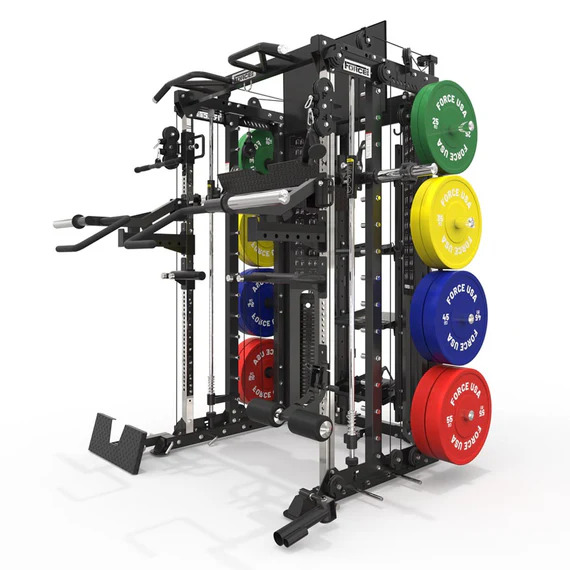
Initial Setup Costs
Setting up a home gym requires some upfront money. You need to buy equipment, flooring, and storage items.
These costs can vary based on your space and fitness goals. Planning helps you manage your budget well.
Equipment Expenses
Gym equipment is the main cost. You can choose machines, weights, or simple tools.
Prices depend on quality and type. Basic gear costs less, while advanced machines cost more.
- Dumbbells and kettlebells: $50 – $300
- Resistance bands: $10 – $50
- Treadmills or bikes: $500 – $2000
- Weight benches: $100 – $400
Flooring And Mats
Proper flooring protects your floor and equipment. It also adds safety and comfort.
Options include foam mats, rubber tiles, and carpet. Costs vary by material and size.
- Foam mats: $20 – $50 per set
- Rubber tiles: $2 – $6 per square foot
- Heavy-duty gym mats: $100 – $300
Storage Solutions
Storage keeps your gym tidy and safe. It helps protect your equipment from damage.
Storage items include racks, shelves, and hooks. These come in many sizes and styles.
- Dumbbell racks: $50 – $200
- Wall hooks for bands: $10 – $30
- Storage shelves: $30 – $150

Monthly Maintenance Expenses
Keeping a home gym in good shape costs money every month. These expenses help your equipment last and keep the space clean and comfortable.
Knowing these costs helps you budget for your home gym properly. Let’s look at the main monthly expenses you may have.
Equipment Upkeep
Gym machines and weights need care to work well. You may spend money on oil, parts, or repairs.
Regular checks prevent big problems. Some equipment may need new parts every few months.
- Lubricants for moving parts
- Replacement cables and belts
- Battery changes for electronic devices
- Repairs from wear and tear
Utility Bills
Using electricity and water for your gym adds to monthly bills. Lights, fans, and machines use power.
Heating or cooling your gym space also raises costs. These utility expenses vary by location and season.
- Electricity for lights and machines
- Heating or air conditioning costs
- Water use if you have a shower or sink
Cleaning Supplies
Cleaning keeps your gym safe and pleasant. You need supplies to wipe down equipment and floors.
Regular cleaning prevents germs and damage. Supplies usually cost a small amount each month.
- Disinfectant sprays and wipes
- Floor cleaners and mops
- Trash bags
- Air fresheners
Unexpected Repair Costs
Maintaining a home gym can come with surprise repair costs. Equipment can break down without warning.
These repairs can add up and affect your budget. Knowing what to expect helps you plan better.
Common Equipment Repairs
Some gym machines need regular fixes. Treadmills often have worn belts or motors that fail.
Weights can get loose or rust. Resistance bands may snap or lose tension over time.
- Treadmill belts and motors
- Elliptical pedals and sensors
- Weight machine cables and pulleys
- Resistance bands and handles
- Exercise bike chains and seats
When To Replace Equipment
Replacing equipment is smart if repairs cost too much. Old machines may not work safely.
Look for cracks, noises, or parts that stop working. These are signs you need new gear.
- Equipment is over 5-7 years old
- Repairs cost more than half the new price
- Machine parts break often
- Equipment feels unstable or unsafe
- Performance drops or stops working
Cost-saving Tips
Maintaining a home gym can cost money over time. You can save money with smart choices. Small changes help keep costs low.
Here are some tips to save money while keeping your gym in good shape. These ideas help you spend less on equipment and energy.
Buying Used Equipment
Used gym equipment costs less than new gear. You can find good items at lower prices. Check for damage before buying.
Look at local sales or online stores. Some used machines still work well. This saves money and helps the environment.
- Inspect machines for rust or broken parts
- Test equipment to ensure it works properly
- Compare prices between new and used items
- Ask for manuals or maintenance records
Diy Maintenance
Fixing small problems yourself saves repair costs. Simple tasks like cleaning and tightening bolts help. You do not need special tools.
Regular checks keep equipment safe and working well. Watch for loose screws or worn parts. Fix problems early to avoid big costs.
- Clean machines after each use
- Lubricate moving parts regularly
- Tighten screws and bolts when loose
- Replace worn grips or pads yourself
Energy Efficiency
Save money on electricity by using energy-saving methods. Turn off machines when not in use. Use natural light to reduce power use.
Choose energy-efficient equipment if possible. This lowers your electric bill and helps the planet. Small changes add up over time.
- Unplug devices when idle
- Use LED lights in your gym space
- Open windows for fresh air instead of fans
- Pick energy-saving workout machines
Budgeting For Upgrades
Maintaining a home gym means planning for future costs. Upgrades help keep your gym useful and safe.
Knowing how to budget for upgrades saves money and avoids surprises. It helps you improve your gym step by step.
Adding New Equipment
Adding equipment is a common upgrade in home gyms. New machines or weights improve workout variety.
Plan your budget by listing needed items and checking prices. Consider quality and space before buying.
- Set a limit for each equipment piece
- Buy used items to save money
- Choose versatile equipment for many exercises
- Keep space and storage in mind
Technology Integration
Technology can make workouts better and track progress. Think about adding smart devices or apps.
Budget for devices like fitness trackers, smart mirrors, or apps. Include costs for updates or subscriptions.
- Set a budget for each tech item
- Check compatibility with existing equipment
- Plan for software updates and fees
- Start with one device before adding more

Frequently Asked Questions
How Much Does Basic Home Gym Maintenance Cost Annually?
Basic home gym maintenance costs about $100 to $300 per year. This covers cleaning, lubricating equipment, and replacing worn parts. Regular upkeep prevents expensive repairs and extends equipment life, saving money in the long run.
What Are Common Home Gym Equipment Repair Expenses?
Common repair costs include replacing treadmill belts ($50-$200), fixing bike chains ($20-$100), and tightening loose bolts ($10-$30). These small repairs keep equipment safe and functional, ensuring a smooth workout experience without breaking your budget.
How Often Should Home Gym Equipment Be Serviced?
Home gym equipment should be serviced every 6 to 12 months. Regular servicing prevents breakdowns and maintains performance. Following manufacturer guidelines helps you avoid costly repairs and keeps your gym safe and efficient.
Are There Ongoing Costs Besides Equipment Maintenance?
Yes, ongoing costs include electricity for machines, cleaning supplies, and occasional equipment upgrades. Budgeting for these helps keep your gym functional and hygienic. Planning ahead avoids unexpected expenses and maintains workout quality.
Conclusion
Maintaining a home gym doesn’t have to break the bank. Costs vary based on equipment and needs. Regular cleaning and occasional repairs help keep expenses low. Used equipment can save money. Budgeting for monthly expenses ensures financial planning. Investing wisely in quality items reduces long-term costs.
Prioritize essential equipment first. Consider your fitness goals and space. A home gym offers convenience and long-term savings. Keep an eye on sales for new additions. Enjoy your fitness journey at home without stress. Stay active, stay healthy, and manage your expenses wisely.
