
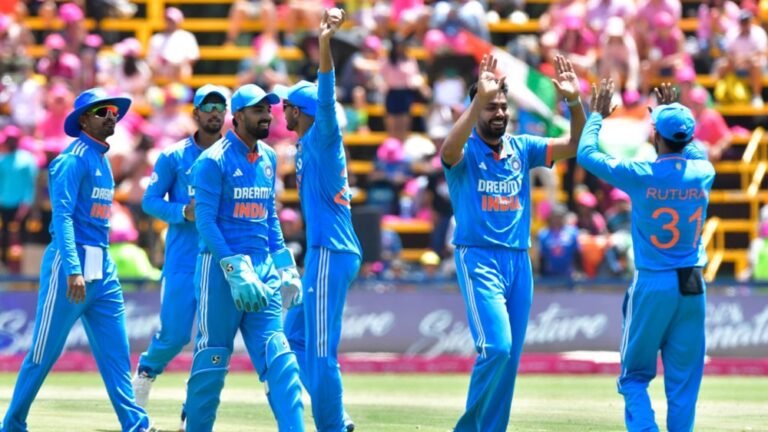
Cricket is a sport that brings together strategy, teamwork, and skill. One of the first questions new fans often ask is: how many players are on a cricket team? While the answer might seem simple, there are important details that make cricket unique compared to other team sports. Understanding the number of players on a cricket team helps you follow the game, learn its roles, and appreciate the tactics. Let’s break down the numbers, roles, and variations so you can enjoy cricket with confidence.
Standard Number Of Players In A Cricket Team
In most formal matches, a cricket team consists of 11 players. This is the internationally accepted standard for almost all professional and amateur competitions. Whether it’s a Test match, One Day International (ODI), or T20 game, teams field 11 active players on the pitch.
This number is set by the Laws of Cricket as governed by the Marylebone Cricket Club (MCC). Having 11 players per side allows for a balanced contest between batting and bowling, and it shapes the tactics for both teams. The 11-player format has remained consistent for more than a century, making it a key part of cricket’s identity.
Roles And Positions In A Cricket Team
Each team of 11 players covers a range of specific roles. While players can be flexible, there are some main categories:
- Batsmen: Usually 4–6 players focus on scoring runs. The “top order” (first three or four) are generally the strongest batsmen.
- Bowlers: Around 4–5 players specialize in bowling, aiming to dismiss the opposition.
- All-rounders: 1–2 players excel at both batting and bowling, offering flexibility.
- Wicketkeeper: 1 player stands behind the stumps to catch balls and attempt stumpings.
- Captain: Chosen from the 11, the captain decides strategies, field placements, and leads the team.
Each role comes with unique skills. For example, batsmen need strong technique and focus, while bowlers require power, accuracy, and variation. The wicketkeeper must have quick reflexes and safe hands.
How The 11 Players Are Used
Not all 11 players are always active in the same way. Here’s how they participate:
- Batting: Only two players bat at a time. As wickets fall, the next player in the order replaces the dismissed player.
- Bowling/Fielding: All 11 field at once, but only one bowls per over. The rest are placed in strategic positions.
- Wicketkeeping: One player is assigned as wicketkeeper and cannot bowl.
This means cricket is both an individual and team sport. Team selection and batting order can change based on tactics, player form, and pitch conditions.
Player Roles In Different Cricket Formats
The 11-player rule applies across most formats, but the way those players are used can vary.
Test Cricket
- Played over five days.
- Teams need a balance of batsmen, bowlers, and at least one all-rounder.
- Stamina is critical.
One Day Internationals (odis)
- 50 overs per side.
- Teams often pick more all-rounders to balance attack and defense.
T20 Matches
- 20 overs per side.
- Emphasis on aggressive batting and bowlers who can deliver under pressure.
The team composition can look like this:
| Format | Typical Batsmen | Typical Bowlers | All-rounders | Wicketkeeper |
|---|---|---|---|---|
| Test | 5 | 4 | 1-2 | 1 |
| ODI | 4 | 3-4 | 2-3 | 1 |
| T20 | 4 | 3 | 3 | 1 |
This balance can shift depending on team strategy and player strengths.
Substitutes And Extra Players
While only 11 players are “officially” on the fielding team, cricket teams often have substitute fielders. These substitutes are not part of the playing 11, but can temporarily replace an on-field player if they are injured or need to leave the field (for example, due to illness).
Important rules for substitutes:
- Substitutes can only field; they cannot bowl, bat, or keep wicket (except in limited cases).
- Super Sub: In some past one-day formats, a “Super Sub” could replace a player fully, but this is not common today.
- Concussion Substitutes: In international cricket, if a player is concussed, a like-for-like replacement can take their place, including batting and bowling.
Substitutes add flexibility but do not increase the team size on the field. The playing 11 remains unchanged.
Special Cases: Different Team Sizes In Cricket History
While 11 is the standard, there have been exceptions:
- Early cricket (1700s): Teams sometimes played with 12, 15, or even more players.
- Charity matches: Occasional games feature 12–14 players per side for fun or fundraising.
- Junior/Club cricket: Some local games use 8, 9, or 12 players to accommodate small groups.
- The Hundred: This new format in England still uses 11 players per side, but changes rules for bowling and innings.
These variations are rare at the professional level. They show how flexible cricket can be, but all major matches stick with 11.
Comparison: Cricket Team Size Vs. Other Sports
Cricket’s 11-player team is similar to some sports but different from others. Here’s how cricket compares:
| Sport | Players per Team |
|---|---|
| Cricket | 11 |
| Football (Soccer) | 11 |
| Baseball | 9 |
| Basketball | 5 |
| Rugby Union | 15 |
| Hockey | 11 |
Having 11 players gives cricket teams the ability to cover the large field, balance batting and bowling, and have specialists in key roles.
Why 11 Players? The Logic Behind The Number
The choice of 11 players is not random. It evolved over time to balance:
- Field coverage: Cricket grounds are large, so more players are needed to cover the field.
- Role specialization: Teams need a mix of batting and bowling skills.
- Tradition: Early cricket clubs settled on 11 as a practical number, and it became official.
If teams had more or fewer players, it would affect scoring rates, difficulty of taking wickets, and overall balance. 11 has become the “sweet spot” for competitive, entertaining matches.
Team Selection: How Coaches Choose The 11
Selecting a cricket team is a major responsibility. Coaches and captains look at:
- Player form: Who is performing well in recent games.
- Pitch conditions: Some pitches favor spin or fast bowling, affecting selection.
- Opposition analysis: The strengths and weaknesses of the opposing team.
- Injury status: Only fit players can be picked.
- Balance: Ensuring there are enough batsmen, bowlers, and at least one wicketkeeper.
The final 11 is announced before the match starts and usually cannot be changed unless for special reasons (like concussion substitutes).
Impact Of Team Size On Game Strategy
The number of players shapes how the team approaches the game.
- With 11 players, teams must use their resources wisely. For example, bowlers have limits on how many overs they can bowl in shorter formats.
- Captains must place fielders to block runs and take wickets, using all 11 spots for best effect.
- Batting orders are chosen to maximize runs while protecting less-skilled batsmen.
A common beginner’s mistake is to think all players are equally skilled in all areas. In reality, teams have specialists, and using them correctly is key to winning.
Unique Roles: The 12th Man And Beyond
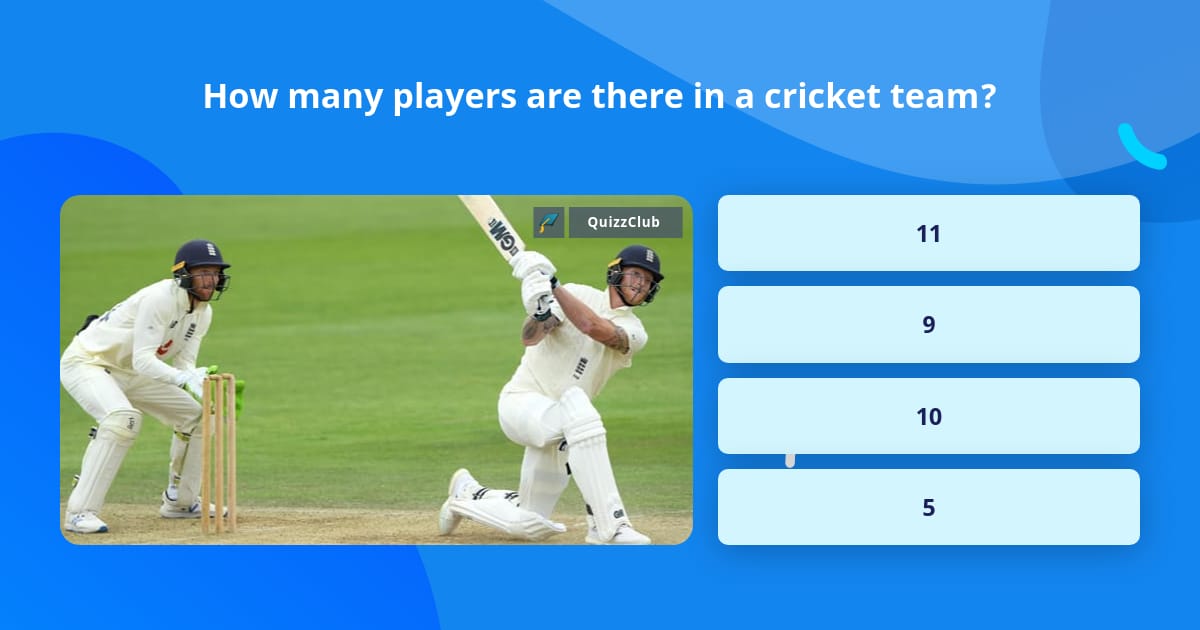
You might hear about the “12th man” in cricket. This is the first substitute, not part of the main team but ready to step in if needed.
- The 12th man mostly acts as a substitute fielder and brings drinks to players.
- He cannot bowl, bat, or captain the side.
- In rare cases (such as injury after the toss but before play), the 12th man might be allowed to play, but this needs special approval.
Some teams also have a 13th or 14th player as reserves, but only 11 play.
Gender And Age: Team Size In Women’s And Junior Cricket
Women’s cricket and junior cricket follow the same 11-player rule at the top level.
- Women’s international matches: 11 per side, same as men.
- Junior cricket: Can vary. Some leagues use 8 or 9 to encourage participation, but older age groups play 11-a-side.
This consistency helps all players learn the game’s structure and rules.
Cricket Squads Vs. Playing Teams
You may hear about “squads” of 15 or more players. A squad is a larger group picked before a tournament or series. The actual playing team is selected from the squad:
- Squad: 15–18 players (for flexibility and covering injuries).
- Playing XI: Final 11 chosen for the match.
This system allows teams to adapt to different conditions and opponents.
Key Takeaways For New Fans
If you’re new to cricket, here are some important points:
- A cricket team fields 11 players in all major matches.
- Not all 11 do the same thing; there are specific roles and specialists.
- Substitutes exist but can only field unless special rules apply.
- Team size rarely changes in official games.
- Understanding each player’s role helps you enjoy the game more.
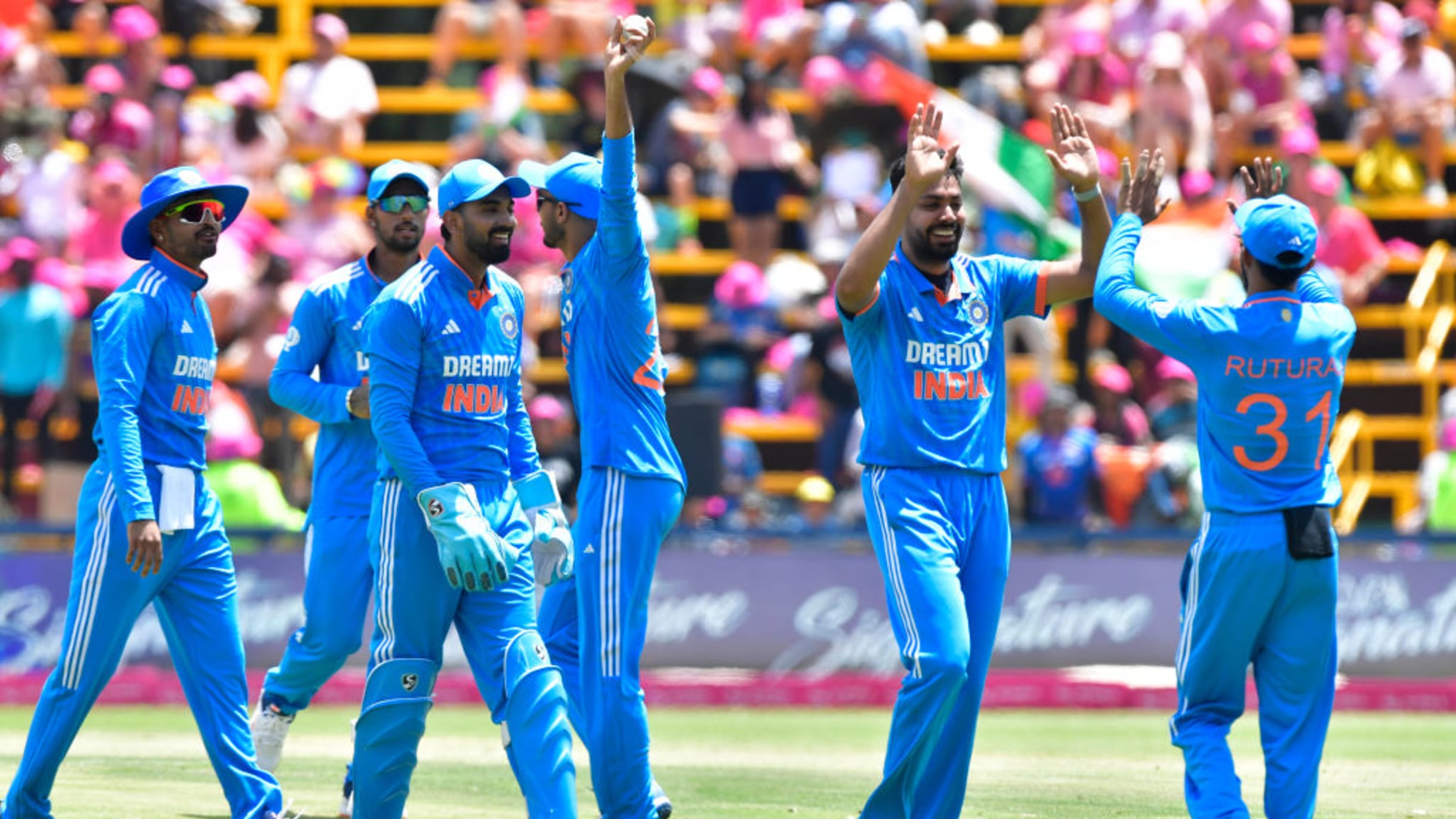
Common Misconceptions About Team Size
Many beginners think:
- All 11 play at the same time in both innings (in truth, only two bat at a time).
- Substitutes can bat or bowl (usually, they cannot).
- Teams can change their 11 during the match (not allowed, except for concussion subs).
Learning these details helps you avoid confusion and appreciate the sport’s rich tradition.
Further Resources
To read more about the official Laws of Cricket and team composition, visit the Cricket Wikipedia page.
Frequently Asked Questions
How Many Players Are On A Cricket Team In A Professional Match?
A professional cricket team has 11 players on the field during any official match, including Test, ODI, and T20 formats.
Can A Cricket Team Play With Fewer Than 11 Players?
Yes, in rare cases (like injuries or disciplinary actions), a team might play with fewer than 11, but this is not ideal. Most matches require a full 11 for fairness and balance.
Are Substitutes Allowed To Bat Or Bowl In Cricket?
Normally, substitutes can only field. However, if a player is injured due to a concussion, a like-for-like substitute can fully replace them, including batting and bowling, under new rules.
Why Does Cricket Have 11 Players Per Team?
The number 11 offers a good balance for field coverage, role specialization, and competition. It has become tradition and part of the official rules over many years.
How Many Players Are In A Cricket Squad For A Tournament?
A cricket squad usually includes 15 to 18 players. The playing team for each match is selected from this squad, but only 11 can take the field.
Cricket may seem complex at first, but knowing the basics—like the number of players—helps you enjoy every match with greater understanding and excitement.
