
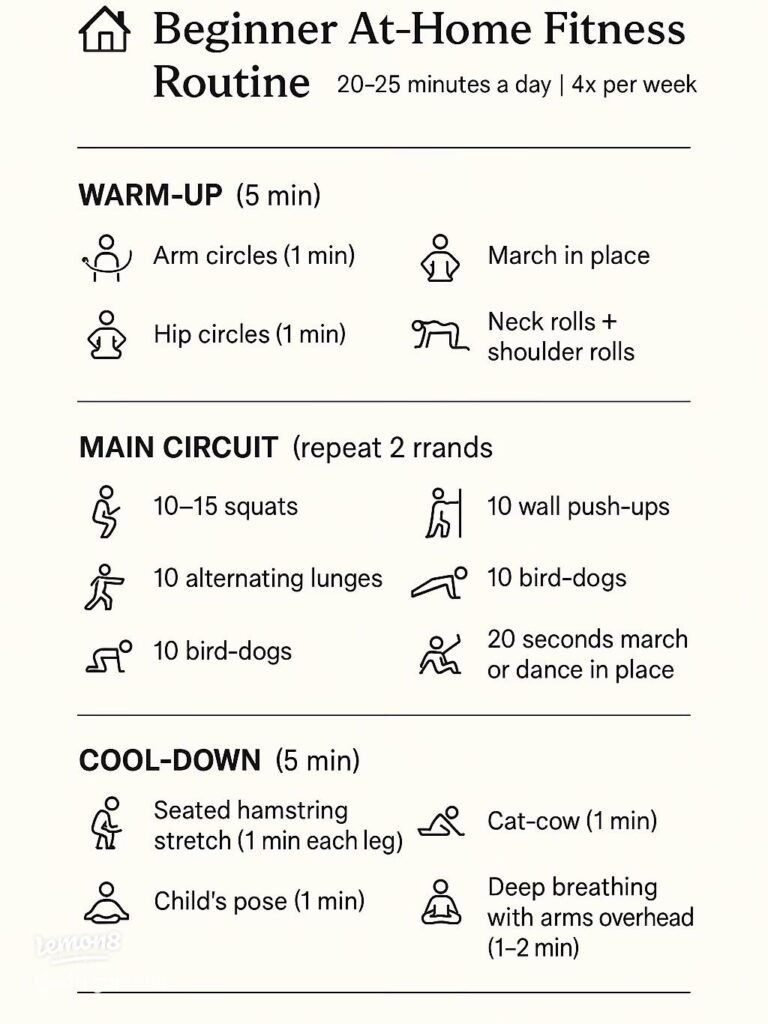
You’ve got a home gym set up, and now you’re wondering: how often should you actually use it each week? It’s a question many people ask but don’t always get clear answers to.
The truth is, the right workout routine can make all the difference in reaching your fitness goals without burning out or wasting time. You’ll discover the ideal number of days to work out at home, tailored to your needs and lifestyle.
Keep reading—your perfect fitness balance is closer than you think.
Benefits Of Regular Home Gym Workouts
Using a home gym regularly helps you stay healthy and fit. It saves time and gives you privacy.
Working out often improves your strength and mood. It also builds good habits for life.
Improved Physical Health
Regular exercise strengthens your muscles and bones. It lowers the risk of many diseases.
Doing workouts at home lets you control your routine. You can exercise as often as needed.
Better Mental Well-being
Exercise helps reduce stress and anxiety. It boosts your energy and improves sleep quality.
Working out at home creates a calm and safe space. This helps you focus and relax.
Convenience And Flexibility
Having a gym at home means no travel time. You can fit workouts into your busy day.
- Exercise anytime that suits you
- Skip crowded gyms and waiting times
- Adjust workout length to your schedule
Cost Savings Over Time
Using a home gym reduces monthly gym fees. It saves money on travel and parking.
You invest once in equipment and use it many times. This makes fitness more affordable.
Builds Consistency And Discipline
Working out regularly helps form a habit. This makes it easier to stay active long-term.
Home gyms remove excuses like bad weather or busy schedules. You are more likely to stick with it.

Factors Influencing Workout Frequency
Deciding how many days to use your home gym depends on several key factors. These factors help you create a workout plan that fits your body and lifestyle.
Understanding these elements can guide you to exercise safely and effectively each week.
Fitness Goals
Your fitness goals shape how often you should work out. Different goals need different workout frequencies.
If you want to build muscle, you might train more days with rest in between. For general health, fewer days could work well.
- Muscle gain: 3-5 days per week
- Weight loss: 4-6 days per week
- General fitness: 2-4 days per week
Experience Level
Your workout experience affects how many days you should train. Beginners need more rest days to recover.
Advanced exercisers can often train more days because their bodies adapt faster.
- Beginners: 2-3 days per week
- Intermediate: 3-5 days per week
- Advanced: 5-6 days per week
Available Time
Your schedule limits how often you can use your home gym. Short workouts need fewer days but can still be effective.
Consistency matters more than long sessions. Find a balance that fits your week.
- Busy schedule: 2-3 days with 20-30 minute workouts
- Moderate time: 3-4 days with 30-45 minute workouts
- More free time: 4-6 days with 45-60 minute workouts
Recovery Needs
Rest is important to avoid injury and improve results. Your body needs time to heal between workouts.
Listen to your body. If you feel sore or tired, add more rest days.
- Light exercise: less recovery needed
- Heavy lifting or intense cardio: more recovery needed
- Include rest or active recovery days weekly
Recommended Workout Days For Beginners
Starting to use a home gym can be exciting and a bit confusing. Knowing how many days to work out each week helps beginners avoid injury and stay motivated.
It is important to find a balance that fits your body and schedule. This guide helps you choose the right number of workout days.
Starting Slow
Begin with fewer days to let your body adjust to exercise. This reduces soreness and risk of injury.
Two to three days a week is a good start. Focus on light to moderate workouts at first.
Building Consistency
After a few weeks, increase your workout days as your body gets stronger. Consistency helps build habits.
Aim for three to four days a week to improve fitness without overdoing it.
- Rest days are important to let muscles recover
- Mix different workouts to keep it interesting
- Listen to your body and avoid pain
Sample Weekly Schedule
Here is a simple weekly plan for beginners using a home gym. It balances workout and rest days well.
| Day | Activity |
|---|---|
| Monday | Full-body workout (light weights) |
| Tuesday | Rest or light stretching |
| Wednesday | Cardio or bodyweight exercises |
| Thursday | Rest |
| Friday | Strength training (moderate weights) |
| Saturday | Rest or gentle yoga |
| Sunday | Rest |
Workout Frequency For Intermediate Users
Using your home gym often helps you stay fit and healthy. For intermediate users, finding the right workout schedule is key.
This guide shows how many days a week you should train. It focuses on balancing effort, rest, and variety.
Balancing Intensity And Rest
Working out hard every day can cause injury or tiredness. Your body needs time to heal and get stronger.
Plan rest days or light activity days to avoid burnout. This balance keeps progress steady and safe.
- Train 3 to 5 days per week
- Include rest or active recovery days
- Adjust intensity based on how you feel
- Listen to your body’s signals
Incorporating Variety
Doing the same workout often can cause boredom and plateaus. Changing exercises helps keep your body challenged.
Use different equipment and target various muscle groups. This improves overall fitness and reduces injury risk.
- Mix strength, cardio, and flexibility exercises
- Try new movements or machines weekly
- Change workout order or intensity
- Focus on different muscles each session
Sample Weekly Plan
This simple plan shows how to spread workouts and rest across the week. Adjust the days to fit your schedule.
| Day | Workout |
|---|---|
| Monday | Full body strength training |
| Tuesday | Light cardio or rest |
| Wednesday | Upper body strength focus |
| Thursday | Active recovery (stretching/yoga) |
| Friday | Lower body strength focus |
| Saturday | Cardio or fun physical activity |
| Sunday | Rest day |
Advanced Workout Schedules
Using your home gym effectively means planning your workouts well. Advanced workout schedules help you train smarter.
Choosing how many days to exercise depends on your goals and recovery. Let’s explore some advanced options.
High Frequency Training
High frequency training means working out the same muscles often. You train each muscle group multiple times a week.
This approach can speed up muscle growth and improve skill. Keep sessions shorter to avoid fatigue.
- Train 4 to 6 days weekly
- Focus on different exercises each day
- Use moderate weights and volume
- Allow 24 to 48 hours between sessions for the same muscle
Split Routines
Split routines divide workouts by body parts or movement types. You train different areas on different days.
This lets you work hard on each muscle group while giving others time to rest. Common splits last 3 to 5 days.
- Upper body one day, lower body next
- Push muscles one day, pull muscles another
- Focus on legs, back, chest, arms on separate days
- Rest or do light cardio on off days
Avoiding Overtraining
Overtraining happens when your body does not recover fully. It causes fatigue, soreness, and less progress.
To avoid overtraining, balance workout days with rest and listen to your body’s signals.
- Take at least one full rest day weekly
- Mix hard and easy workout days
- Get enough sleep every night
- Eat well to support recovery
- Stop if you feel constant pain or extreme tiredness
Rest And Recovery Importance
Using your home gym several days a week can help you stay fit. Rest and recovery are key to make progress and avoid injury.
Rest days let your muscles repair and grow stronger. Without enough recovery, your body can get tired and less effective.
Signs Of Overtraining
Overtraining happens when you exercise too much without enough rest. It can lead to fatigue and lower performance.
Watch for these signs to avoid overtraining:
- Feeling very tired all the time
- Muscle soreness that lasts for days
- Drop in strength or endurance
- Frequent injuries or pain
- Sleep problems or irritability
Active Recovery Techniques
Active recovery means doing light exercise on rest days. It helps blood flow and speeds up muscle repair.
Try these simple active recovery activities:
- Walking or gentle jogging
- Stretching or yoga
- Easy cycling
- Swimming at a slow pace
- Using foam rollers to relax muscles
Sleep And Nutrition
Good sleep and nutrition support rest and recovery. They help your body heal after workouts.
Follow these tips for better recovery:
- Get 7-9 hours of sleep each night
- Eat balanced meals with protein and carbs
- Drink plenty of water to stay hydrated
- Avoid heavy meals right before bed
- Limit caffeine late in the day
Tailoring Your Home Gym Routine
Using your home gym the right amount helps you get fit and avoid injury. Your routine should match your goals and daily life.
Finding the best workout days depends on how your body feels and how you improve over time.
Listening To Your Body
Your body tells you when to rest or push harder. Pay attention to soreness and energy levels.
Rest days are important. They help muscles recover and prevent burnout.
- Stop if you feel sharp pain
- Take breaks if you feel very tired
- Note how your body reacts after workouts
Adjusting Based On Progress
As you get stronger, you can change how often you use your gym. Progress shows when to add or reduce workout days.
Track your results to know if your routine is working well.
- Increase days if workouts feel easy
- Lower days if progress stalls or you feel tired
- Change exercises to challenge different muscles
Incorporating Flexibility
Plan your gym time to fit your schedule. Flexibility helps keep you consistent over weeks.
Mix different types of workouts to stay motivated and avoid boredom.
- Swap workout days to fit your energy
- Use short sessions if busy
- Include stretching or yoga for recovery

Common Mistakes To Avoid
Using your home gym the right way helps you get better results. Avoiding common mistakes keeps you safe and fit.
Let’s look at some mistakes many people make when working out at home.
Skipping Rest Days
Rest days help your muscles recover and grow stronger. Skipping them can cause tiredness and injuries.
Working out every day without rest may make your body weaker. Plan rest days to stay healthy.
- Rest helps muscles heal
- Prevents burnout and fatigue
- Improves workout performance
Ignoring Proper Form
Using wrong form can cause injuries and reduce workout benefits. Focus on learning the correct way to exercise.
Take your time to watch videos or ask for help. Good form protects your joints and muscles.
- Reduces risk of injury
- Targets muscles correctly
- Makes workouts more effective
Setting Unrealistic Goals
Setting goals that are too hard can cause frustration and quitting. Choose goals that match your fitness level.
Start small and increase goals step by step. Realistic goals keep you motivated and steady.
- Helps track real progress
- Builds confidence
- Prevents injury from overtraining

Frequently Asked Questions
How Often Should Beginners Use A Home Gym Weekly?
Beginners should start with 3 days a week. This allows muscles to adapt and reduces injury risk. Gradually increase frequency as strength and endurance improve for balanced progress.
Can Daily Home Gym Workouts Cause Overtraining?
Yes, daily workouts without rest can lead to overtraining. Muscles need recovery time to grow stronger. Incorporate rest days to prevent fatigue, injury, and burnout for optimal results.
What Is The Ideal Workout Frequency For Muscle Growth?
For muscle growth, train each muscle group 2-3 times weekly. Space workouts to allow recovery and avoid strain. Consistency and proper nutrition enhance muscle building effectively.
Should Rest Days Be Included In A Home Gym Routine?
Absolutely, rest days are crucial. They help muscles repair and prevent fatigue. Include 1-2 rest days weekly for balanced recovery and improved performance.
Conclusion
Finding the right home gym routine takes patience. Start small. Gradually increase your workout days as you feel comfortable. Listen to your body. It knows best. Consistency is key. Stay committed to your schedule. Rest is just as important as exercise.
Your muscles need time to recover. Balance exercise with rest for best results. Remember, everyone is different. What works for others might not work for you. Adjust your routine based on your progress. Stay motivated. Celebrate small victories. Keep pushing forward.
Your home gym journey is a personal one. Make it enjoyable and sustainable.
